

Porsche Cayenne Generations: The Complete Evolution of Porsche’s Luxury SUV

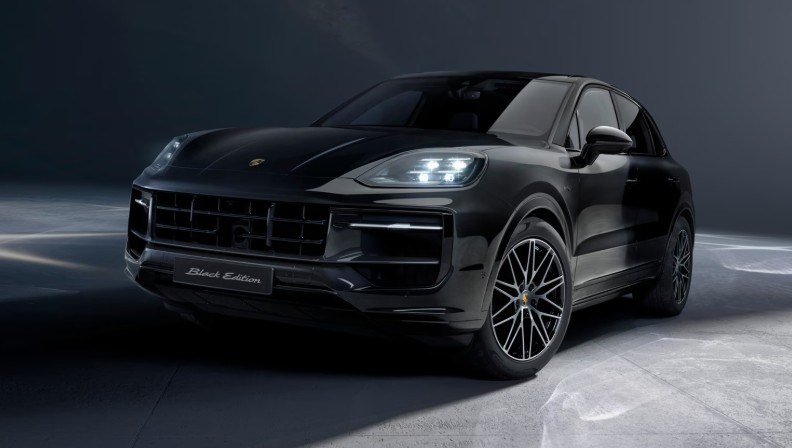
When Porsche unveiled the Cayenne in 2002, many enthusiasts raised their eyebrows. A Porsche SUV? To some, it sounded as unusual as a violin playing heavy metal. Yet, what seemed like a risky gamble quickly became one of the most successful decisions in automotive history.
Today, the Porsche Cayenne stands as a cornerstone of the brand's success, blending sports car DNA with luxury SUV practicality. Over the years, Porsche has refined, redesigned, and reinvented the Cayenne through multiple generations, each bringing significant improvements in performance, technology, comfort, and efficiency.
In this comprehensive guide, we'll explore all Porsche Cayenne generations, uncover their unique characteristics, compare key changes, and help you understand how this iconic SUV evolved into one of the most respected luxury vehicles on the road.
Content in this publication
- The Birth of the Porsche Cayenne
- First Generation Porsche Cayenne (2002–2010)
- The 2007 Mid-Cycle Refresh
- Second Generation Porsche Cayenne (2010–2017)
- The Arrival of Hybrid Technology
- Interior Revolution in the Second Generation
- The Rise of the Cayenne GTS
- The 2014 Facelift
- Third Generation Porsche Cayenne (2017–Present)
- Exterior Design Evolution
- Performance Advances in the Third Generation
- The Introduction of the Cayenne Coupe
- Plug-In Hybrid Models Reach New Heights
- The Cayenne Turbo GT: The Ultimate Performance SUV
- Technology Transformation Across Generations
- Comparing Porsche Cayenne Generations
- Which Porsche Cayenne Generation Is Best?
- Common Strengths Across All Generations
- The Future of Porsche Cayenne Generations
- Conclusion
- Frequently Asked Questions
The Birth of the Porsche Cayenne
Before diving into the generations themselves, it's worth understanding why Porsche created the Cayenne.
During the late 1990s, Porsche sought ways to expand beyond its sports car lineup. The company needed a vehicle that could attract families while maintaining Porsche's reputation for performance.
The result was the first-generation Cayenne—a vehicle that fundamentally transformed the brand's future.
Without the Cayenne, it's difficult to imagine Porsche becoming the global powerhouse it is today.
First Generation Porsche Cayenne (2002–2010)
A Bold Beginning
The first-generation Cayenne, internally known as the E1 platform, debuted in 2002 as a 2003 model.
Developed alongside the Volkswagen Touareg, it shared some engineering components but retained a distinctly Porsche character.
Many traditional Porsche fans were skeptical. However, once they experienced the Cayenne's performance, opinions began to shift.
Key Features of the First Generation
- Powerful V6 and V8 engines
- Permanent all-wheel drive
- Exceptional off-road capability
- Air suspension availability
- Luxury-focused interior
Available Models
Cayenne
The base model offered respectable performance and everyday usability.
Cayenne S
Featuring a naturally aspirated V8 engine, the Cayenne S delivered a more thrilling driving experience.
Cayenne Turbo
The Turbo model transformed the SUV into a performance machine capable of rivaling sports sedans.
Cayenne Turbo S
As the flagship model, the Turbo S pushed power and luxury to impressive levels.
Why the First Generation Was Important
This generation proved that an SUV could wear a Porsche badge without compromising performance.
It also laid the foundation for every future Cayenne.
The 2007 Mid-Cycle Refresh
Major Improvements
In 2007, Porsche updated the first-generation Cayenne with:
- More powerful engines
- Improved fuel efficiency
- Revised styling
- Enhanced technology
- Better driving dynamics
The refresh helped keep the Cayenne competitive in an increasingly crowded luxury SUV segment.
Second Generation Porsche Cayenne (2010–2017)
A More Refined Formula
The second-generation Cayenne arrived in 2010 and represented a major leap forward.
Internally called the 92A generation, it was lighter, more efficient, and more luxurious.
Porsche focused on improving nearly every aspect of the vehicle.
Weight Reduction Strategy
One of the biggest engineering achievements was significant weight reduction.
Through the use of lightweight materials, Porsche reduced overall vehicle weight while improving structural rigidity.
The result?
Better acceleration, sharper handling, and improved fuel economy.
The Arrival of Hybrid Technology
Porsche Embraces Electrification
The second generation introduced hybrid powertrains to the Cayenne lineup.
This marked a turning point not only for the model but also for Porsche's future direction.
You may be interested in reading Porsche Cayenne Versus Macan: The Ultimate Porsche SUV Comparison
The Cayenne Hybrid demonstrated that performance and efficiency could coexist.
Benefits of the Hybrid Models
- Improved fuel economy
- Lower emissions
- Instant electric torque
- Enhanced urban driving efficiency
Hybrid technology would later become a defining feature of future generations.
Interior Revolution in the Second Generation
Luxury Meets Technology
The cabin received a dramatic upgrade.
Drivers enjoyed:
- Premium materials
- Improved ergonomics
- Advanced infotainment systems
- Better passenger space
- Enhanced comfort features
The interior felt closer to Porsche's luxury sedans than ever before.
The Rise of the Cayenne GTS
The Enthusiast's Choice
The Cayenne GTS became a favorite among driving enthusiasts.
Positioned between the Cayenne S and Turbo, it offered:
- Sportier suspension tuning
- Aggressive styling
- Enhanced exhaust note
- Dynamic driving experience
For many buyers, it represented the perfect balance between performance and practicality.
The 2014 Facelift
Subtle Yet Significant Changes
Porsche refreshed the second-generation Cayenne in 2014.
Updates included:
- Revised front and rear styling
- New LED lighting elements
- Improved fuel efficiency
- Updated infotainment technology
These changes kept the Cayenne fresh while maintaining its familiar identity.
Third Generation Porsche Cayenne (2017–Present)
The Most Advanced Cayenne Yet
The third-generation Cayenne debuted in 2017 and remains the current generation today.
Built on the Volkswagen Group's MLB Evo platform, it introduced cutting-edge technology and significantly enhanced performance.
This generation represents Porsche's most sophisticated SUV to date.
Exterior Design Evolution
More Athletic Than Ever
The third-generation model adopted a sleeker and more athletic design.
Notable styling improvements include:
- Wider stance
- Sharper LED headlights
- Sculpted bodywork
- Larger wheels
- Modernized rear light bar
The design clearly reflects Porsche's contemporary styling language.
Performance Advances in the Third Generation
Sports Car DNA in SUV Form
Porsche continued to blur the line between sports cars and SUVs.
Key performance technologies include:
Rear-Axle Steering
Improves agility at low speeds and stability at higher speeds.
Adaptive Air Suspension
Enhances comfort and handling simultaneously.
Active Anti-Roll Systems
Reduce body roll during aggressive cornering.
Torque Vectoring
Optimizes traction and cornering performance.
These systems work together to create a driving experience few SUVs can match.
The Introduction of the Cayenne Coupe
A Stylish Alternative
In 2019, Porsche expanded the lineup with the Cayenne Coupe.
This variant features:
- Sloping roofline
- Sportier appearance
- Unique rear design
- Performance-oriented character
The Coupe appeals to buyers seeking a more dynamic aesthetic.
You may be interested in readingPorsche Cayenne Versus Macan: The Ultimate Porsche SUV ComparisonYou may be interested in reading
Porsche Cayenne or BMW X5: Which Luxury SUV Deserves Your Garage?Plug-In Hybrid Models Reach New Heights
The Evolution of Electrified Performance
Porsche significantly advanced its plug-in hybrid technology during the third generation.
Modern Cayenne E-Hybrid models offer:
- Longer electric range
- Increased power output
- Faster charging capabilities
- Reduced emissions
Rather than sacrificing performance, electrification has enhanced it.
The hybrid models often deliver acceleration figures comparable to traditional V8-powered versions.
The Cayenne Turbo GT: The Ultimate Performance SUV
Redefining SUV Performance
Among the most exciting additions to the lineup is the Cayenne Turbo GT.
Designed for maximum performance, it includes:
- Enhanced aerodynamics
- Track-focused suspension
- Powerful twin-turbocharged V8 engine
- Specialized chassis tuning
The Turbo GT demonstrates how far the Cayenne has evolved since its humble beginnings.
Technology Transformation Across Generations
How the Cayenne Became Smarter
Comparing the first generation to today's models reveals a remarkable technological transformation.
First Generation Technology
- Basic navigation systems
- Traditional gauges
- Limited connectivity
Second Generation Technology
- Improved infotainment
- Enhanced driver assistance
- Better multimedia integration
Third Generation Technology
- Digital instrument displays
- Advanced driver-assistance systems
- Smartphone integration
- Over-the-air functionality
- High-resolution touchscreens
The difference is like comparing a flip phone to a modern smartphone.
Comparing Porsche Cayenne Generations
Quick Overview Table
| Generation | Years | Major Highlights |
|---|---|---|
| First Generation (E1) | 2002–2010 | Introduction of the Cayenne, strong off-road capability |
| Second Generation (92A) | 2010–2017 | Weight reduction, hybrid introduction, luxury upgrades |
| Third Generation | 2017–Present | Advanced technology, Coupe model, electrification expansion |
Which Porsche Cayenne Generation Is Best?
Best for Value
The second-generation Cayenne often provides the best balance of affordability, reliability, and modern features.
Best for Off-Road Enthusiasts
The first-generation Cayenne remains highly respected for its rugged off-road capabilities.
Best for Technology Lovers
The third-generation Cayenne offers the latest innovations and premium features.
Best for Performance
The Cayenne Turbo GT currently sits at the top of the performance hierarchy.
Common Strengths Across All Generations
Despite significant changes, every Cayenne generation shares several characteristics:
- Porsche engineering excellence
- Outstanding driving dynamics
- Premium interiors
- Strong resale value
- Broad model variety
These qualities have remained consistent throughout the model's history.
The Future of Porsche Cayenne Generations
What Comes Next?
The automotive industry is rapidly evolving toward electrification.
Future Cayenne generations will likely feature:
- More advanced hybrid systems
- Expanded electric driving capability
- Greater autonomous technologies
- Enhanced digital ecosystems
While change is inevitable, Porsche's commitment to performance will almost certainly remain unchanged.
The Cayenne's journey demonstrates that innovation and heritage can coexist beautifully.
Conclusion
The Porsche Cayenne's story is one of transformation, courage, and continuous evolution. From the controversial first-generation model that shocked enthusiasts to today's technologically advanced luxury SUV, every generation has pushed boundaries and redefined expectations.
What started as a bold experiment became a cornerstone of Porsche's success. Each generation brought meaningful improvements—whether through enhanced performance, improved efficiency, greater luxury, or groundbreaking technology.
Looking back, it's clear that the Cayenne didn't merely join the SUV segment—it helped reshape it. And as we move toward an electrified future, the Cayenne continues to evolve while staying true to the performance-focused spirit that defines Porsche.
Frequently Asked Questions
1. How many Porsche Cayenne generations are there?
There have been three main Porsche Cayenne generations: the first generation (2002–2010), second generation (2010–2017), and third generation (2017–present).
2. Which Porsche Cayenne generation is the most reliable?
Many owners consider the later second-generation models (2014–2017) among the most reliable due to improved engineering and updated technology.
3. When was the Porsche Cayenne Coupe introduced?
The Porsche Cayenne Coupe was introduced during the third generation in 2019.
4. Which Cayenne generation introduced hybrid technology?
Hybrid technology first appeared during the second-generation Cayenne lineup.
5. Is the current Porsche Cayenne generation still in production?
Yes. The third-generation Porsche Cayenne remains in production and continues to receive updates and new technology enhancements.
You may be interested in readingPorsche Cayenne Versus Macan: The Ultimate Porsche SUV ComparisonYou may be interested in reading
Porsche Cayenne or BMW X5: Which Luxury SUV Deserves Your Garage?You may be interested in reading
Porsche Cayenne or Range Rover Sport: Which Luxury SUV Deserves Your Garage?If you want to know other articles similar to Porsche Cayenne Generations: The Complete Evolution of Porsche’s Luxury SUV you can visit the category Models.
Honda Passport vs Toyota 4Runner: Which SUV Is Better?
Honda Passport vs Ford Bronco: Which SUV Is Better?
Honda Passport vs Ford Explorer: Which SUV Is Better?
Honda Passport or Pilot: Which SUV Is Better?
Honda Passport vs Jeep Grand Cherokee: Which SUV Is Better?
Honda Passport vs Nissan Pathfinder: Which SUV Is Better?
Leave a Reply
More content of your interest