

Problems With Holden Colorado: Common Issues, Warning Signs, and What Owners Should Know

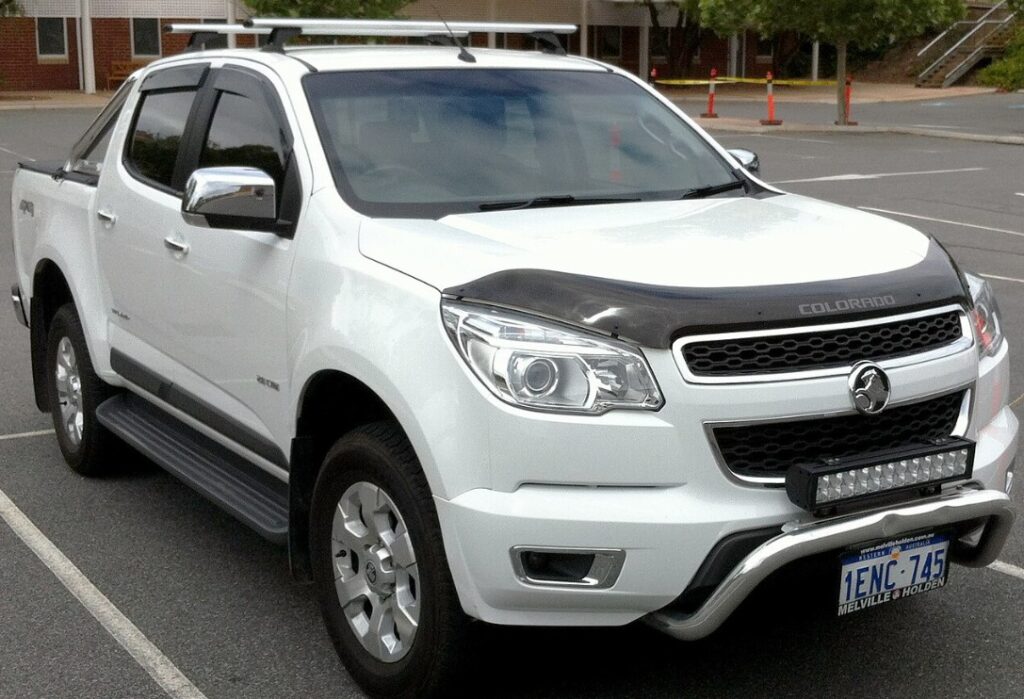
The Holden Colorado earned a solid reputation in Australia and New Zealand as a practical ute that could tow, work, tour, and tackle rough roads without pretending to be a luxury SUV. Yet no vehicle is bulletproof. As kilometres accumulate, certain problems with Holden Colorado models tend to appear more often than others, particularly on vehicles that have worked hard, missed maintenance, or spent years towing heavy loads.
That does not automatically make the Colorado a bad ute. Quite the opposite. Plenty of examples travel hundreds of thousands of kilometres with few major headaches. The trick is understanding where weaknesses can develop.
When we're buying a used Colorado—or trying to decide whether the strange noise from our own ute deserves attention—we shouldn't treat every warning light like an incoming financial disaster. Some faults are relatively minor. Others can snowball quickly if ignored.
In this guide, we'll examine the most common Holden Colorado problems, including diesel engine issues, transmission faults, DPF trouble, cooling-system weaknesses, electrical glitches, 4WD problems, suspension wear, and more. We'll also look at symptoms, likely causes, maintenance habits, and what to inspect before buying one.
Content in this publication
- Are Holden Colorados Problematic?
- Common Problems With Holden Colorado at a Glance
- Holden Colorado Diesel Particulate Filter Problems
- Holden Colorado EGR Valve Problems
- Holden Colorado Turbo Problems
- Intercooler Hose and Boost Leak Issues
- Holden Colorado Automatic Transmission Problems
- Holden Colorado Manual Gearbox and Clutch Problems
- Holden Colorado Injector and Fuel-System Problems
- Holden Colorado Engine Overheating Problems
- Holden Colorado Timing Belt Concerns
- Holden Colorado Oil Consumption and Oil Leaks
- Holden Colorado 4WD Problems
- Holden Colorado Differential and Driveline Noises
- Holden Colorado Suspension Problems
- Holden Colorado Steering Problems
- Holden Colorado Electrical Problems
- Holden Colorado Air-Conditioning Problems
- Holden Colorado Door, Interior, and Trim Issues
- Why Some Holden Colorados Develop More Problems Than Others
- Holden Colorado Problems by Mileage
- Signs You Should Walk Away From a Used Holden Colorado
- How to Reduce Holden Colorado Problems
- Is the Holden Colorado Expensive to Maintain?
- Is a Used Holden Colorado Worth Buying?
- Final Thoughts on Problems With Holden Colorado
- Frequently Asked Questions
Are Holden Colorados Problematic?
The Holden Colorado is not inherently unreliable, but its reliability depends heavily on model year, engine, servicing history, usage, and previous ownership.
That's especially important because Colorados were frequently purchased as work vehicles.
A ute that spent ten years commuting to an office has lived an entirely different life from one that pulled a caravan across Australia, carried tools every weekday, bounced through mining roads, or idled endlessly on construction sites.
Mileage therefore tells only half the story.
A 180,000-km Colorado with meticulous servicing could be healthier than a 100,000-km example that was abused and serviced whenever somebody remembered.
We generally see problems fall into several areas:
- Diesel particulate filter and emissions-system faults
- Turbocharger and intake issues
- Automatic transmission problems
- Cooling-system leaks or overheating
- Injector and fuel-system concerns
- Electrical and sensor faults
- 4WD engagement problems
- Suspension and steering wear
- Air-conditioning faults
- EGR contamination and carbon buildup
Not every Colorado experiences these issues, of course. Think of the list as a map of places worth inspecting rather than a verdict on every ute wearing a Holden badge.
Common Problems With Holden Colorado at a Glance
Some Colorado faults are mainly annoying. Others deserve immediate investigation.
A vehicle that enters limp mode occasionally, for example, could have something relatively straightforward such as a sensor fault—but it could also be warning us about an emissions, turbo, fuel-pressure, or engine-management problem.
The most important rule?
Don't diagnose a modern diesel from symptoms alone.
Electronic scanning, pressure testing, visual inspection, and service history matter far more than guessing.
Problems Often Become More Noticeable With Age
Older vehicles naturally develop worn bushes, hoses, sensors, seals, bearings, and electrical connectors.
With diesel Colorados, accumulated soot can add another layer of complexity.
City-driven vehicles can sometimes suffer differently from highway-driven ones because diesel emissions systems generally appreciate extended periods at proper operating temperatures.
Short trips can be the equivalent of asking a marathon runner to sprint five metres and immediately sit down—over and over again.
Holden Colorado Diesel Particulate Filter Problems
One frequently discussed issue on later diesel vehicles is the diesel particulate filter, commonly called the DPF.
The DPF captures soot from the exhaust before periodically burning that material away through a regeneration process.
Under suitable driving conditions, regeneration can happen without the driver noticing much.
Problems arise when the vehicle cannot complete regeneration properly.
Symptoms of Colorado DPF Trouble
We may notice:
- DPF warning lights
- Reduced engine power
- Increased fuel consumption
- Frequent regeneration cycles
- Cooling fans running unexpectedly
- Strong exhaust smells
- Limp mode
- Higher-than-normal idle speed
Repeated short journeys can contribute to DPF difficulties because the exhaust may not remain hot enough for long enough to complete regeneration.
Why Ignoring DPF Warnings Can Become Expensive
A partially blocked DPF may sometimes be recoverable through proper regeneration or professional cleaning.
Leave it too long, however, and the restriction can become severe.
At that point the ute may suffer substantial performance problems, and the solution becomes more involved.
We should never assume simply taking the vehicle for an aggressive highway drive will cure every DPF warning. If a warning persists, diagnosis matters.
Holden Colorado EGR Valve Problems
The exhaust gas recirculation system—or EGR—is another area worth watching on diesel Colorados.
Its job is to redirect a portion of exhaust gases back through the intake to help control combustion temperatures and emissions.
Unfortunately, exhaust contains soot.
Combine soot with oily vapour from the intake system and deposits can form.
Over enough kilometres, the result can resemble the automotive version of cholesterol.
Signs of a Dirty or Faulty EGR System
Possible symptoms include rough running, hesitation, reduced power, engine warning lights, excessive smoke, poor throttle response, or increased fuel consumption.
Carbon buildup can also affect intake passages.
Cleaning may solve certain cases, while faulty valves, sensors, wiring, or related components may require replacement.
Can Regular Highway Driving Help?
Longer drives at full operating temperature can generally be kinder to modern diesel emissions systems than constant short-distance use.
However, good driving habits cannot repair a mechanically failed component.
If performance has already deteriorated noticeably, proper diagnosis should come before experimenting with homemade remedies.
Holden Colorado Turbo Problems
Turbochargers live difficult lives.
They rotate at extremely high speeds while dealing with intense heat and relying on clean engine oil for lubrication.
A properly maintained turbo can last a very long time. Poor oil-change history, contaminated lubrication, boost leaks, worn components, or related engine faults can shorten its life dramatically.
Common Turbo Warning Signs
Watch for:
- Loss of power
- Whistling or siren-like sounds
- Excessive exhaust smoke
- Oil consumption
- Check-engine warnings
- Underboost or overboost faults
- Limp mode
Not every boost problem means the turbocharger itself has failed.
A split intercooler hose or boost pipe can imitate a bad turbo surprisingly well.
Check the Simple Things First
When a Colorado suddenly loses boost, inspecting hoses, clamps, intercooler connections, vacuum lines, sensors, and wiring can save us from prematurely blaming one of the most expensive components under the bonnet.
That's why diagnosis beats parts swapping every time.
Intercooler Hose and Boost Leak Issues
Rubber hoses work quietly until the day they don't.
Heat, oil contamination, pressure cycles, vibration, and age can eventually weaken intercooler or turbo hoses.
A small split may open only under boost, making the ute seem perfectly normal at idle.
Press the accelerator hard, however, and suddenly the engine feels like it's towing an invisible trailer.
Symptoms can include hissing noises, poor acceleration, black smoke, reduced boost, or engine-management warnings.
Because hose failures are considerably cheaper to remedy than turbocharger replacement, they should be checked early whenever power suddenly disappears.
Holden Colorado Automatic Transmission Problems
Automatic transmission complaints are another subject that appears frequently when researching problems with Holden Colorado vehicles.
Symptoms vary significantly.
Some transmissions may simply feel slightly firm during certain shifts, while genuinely faulty examples can shudder, flare between gears, hesitate, bang into gear, or behave erratically.
What Causes Colorado Transmission Trouble?
Possible contributors include fluid condition, overheating, internal wear, valve-body problems, torque-converter issues, sensors, solenoids, software behaviour, or previous towing abuse.
This is where service history becomes gold.
A beautifully polished ute with questionable transmission maintenance should make us more nervous than one with stone chips and a folder full of invoices.
Transmission Shudder
Shuddering during light acceleration deserves attention.
Drivers sometimes describe it as travelling over rumble strips even though the road is perfectly smooth.
Torque-converter behaviour can be one possible source, although driveline components, tyres, engine misfires, or other faults can create similar sensations.
Don't Diagnose the Gearbox by Feel Alone
A transmission specialist can inspect fault codes, fluid condition, operating temperatures, shift behaviour, and converter performance.
That is much more useful than replacing fluid randomly and hoping the problem disappears.
Holden Colorado Manual Gearbox and Clutch Problems
Manual Colorados avoid some automatic-transmission complexity, but they introduce their own wear items.
Clutches naturally deteriorate, particularly in utes used for towing, off-roading, repeated hill starts, or heavy work.
Signs of clutch trouble include slipping under acceleration, difficulty selecting gears, vibration, unusual pedal feel, or a high engagement point.
Noise when pressing or releasing the clutch can also indicate wear within associated components.
When inspecting a used manual Colorado, accelerate firmly in a higher gear and pay attention to whether engine speed rises without corresponding road speed.
A slipping clutch won't heal itself.
Holden Colorado Injector and Fuel-System Problems
Modern common-rail diesel engines depend on extremely precise fuel delivery.
Injectors operate at enormous pressures and small inconsistencies can affect how the engine runs.
Possible signs of injector trouble include difficult starting, rough idle, excessive smoke, knocking sounds, uneven running, reduced economy, or loss of power.
Fuel contamination can make matters worse.
Why Diesel Fuel Quality Matters
Water or contaminants inside diesel fuel can damage sensitive components.
Changing the fuel filter at appropriate intervals and paying attention to water-in-fuel warnings is therefore more than routine housekeeping.
It's insurance.
Hard Starting Doesn't Automatically Mean Bad Injectors
Weak batteries, glow-plug systems, starter performance, fuel-pressure faults, air leaks, sensors, or compression issues can all contribute to difficult starting.
A proper diagnostic process should confirm the cause before expensive injectors are ordered.
Holden Colorado Engine Overheating Problems
Few dashboard warnings deserve quicker attention than overheating.
A diesel running excessively hot can suffer serious damage if driven continuously.
Potential sources include coolant leaks, hose failures, thermostat problems, radiator restrictions, fan faults, water-pump trouble, pressure loss, or other cooling-system defects.
Early Warning Signs
Keep an eye out for:
- Rising temperature readings
- Coolant smell
- Coolant level dropping repeatedly
- Steam
- Heater performance changing
- Visible leaks
- Cooling fans behaving unusually
If the engine overheats significantly, continuing to drive can transform a manageable cooling-system repair into major engine work.
Check for Gradual Coolant Loss
One tricky scenario is coolant disappearing slowly without leaving a dramatic puddle.
Minor leaks can occur only when the system is hot and pressurised.
A professional cooling-system pressure test can often reveal what casual visual inspection misses.
Holden Colorado Timing Belt Concerns
Depending on the specific engine and model configuration, timing-system maintenance is an important part of Colorado ownership.
Where a scheduled timing-belt replacement applies, we should treat the interval seriously.
A timing belt isn't exciting. Nobody shows their friends a photograph of a freshly changed belt.
But ignoring one can create vastly more excitement than anyone wants.
When purchasing a used Colorado approaching a major scheduled maintenance milestone, request invoices rather than simply accepting, "Yeah mate, pretty sure it was done."
Documentation wins.
Holden Colorado Oil Consumption and Oil Leaks
An older Colorado may develop oil leaks around seals, gaskets, hoses, or other engine components.
A little grime around a high-mileage engine isn't necessarily catastrophic.
Fresh wet oil, active dripping, substantial consumption, or rapidly declining oil levels are different matters.
Why the Correct Oil Matters
Turbo-diesel engines and emissions systems can be particular about lubricant specifications.
Using the correct oil grade and specification matters not only for engine lubrication but also for turbocharger life and emissions-system compatibility.
Extending oil-change intervals to save a little money can be false economy.
Oil is cheaper than engines.
Holden Colorado 4WD Problems
Four-wheel-drive systems are another area owners occasionally encounter trouble with.
A Colorado may fail to engage 4WD properly, display warning lights, or appear stuck in a particular mode.
Possible causes range from switches and sensors to actuators, wiring, transfer-case components, or mechanical issues.
Symptoms of 4WD System Trouble
We may notice:
- 4WD warning lights
- Flashing indicators
- Failure to select 4H or 4L
- Unusual driveline noises
- Difficulty disengaging four-wheel drive
- Binding or abnormal behaviour
Electrical faults can sometimes make a perfectly healthy mechanical system appear broken.
That makes scan-tool diagnostics particularly useful.
Use the 4WD System Periodically
A vehicle that spends virtually its entire life on sealed roads may go months without certain systems operating.
Periodic appropriate use can help reveal problems before the day we actually need four-wheel drive in mud, sand, snow, or on a steep trail.
Holden Colorado Differential and Driveline Noises
Clunks, vibrations, humming, or whining from beneath the vehicle should never be dismissed simply because "utes make noises."
Universal joints, centre bearings, differential components, mounts, tailshafts, wheel bearings, and other driveline parts can all wear.
A vibration that changes with road speed is particularly worth investigating.
When test-driving a used Colorado, don't leave the stereo blasting.
Silence is one of the cheapest diagnostic tools available.
Holden Colorado Suspension Problems
Colorados are workhorses, and suspension parts absorb the punishment.
Bushes, ball joints, shock absorbers, wheel bearings, tie-rod ends, and other components can eventually wear—particularly on utes driven over corrugated roads or carrying heavy loads.
Common Suspension Symptoms
Listen and feel for knocking, uneven tyre wear, vague steering, excessive bouncing, pulling, vibration, or instability.
Lifted vehicles deserve extra scrutiny.
Modifications can be perfectly well engineered, but poorly chosen suspension changes may alter driveline geometry, steering behaviour, tyre wear, and component longevity.
Look Underneath Before Buying
A clean interior can distract us from what really matters.
Crawl underneath—or preferably have a mechanic place the vehicle on a hoist.
Scrapes, bent protection plates, leaks, fresh underbody paint, damaged mounts, and excessive mud packed into hidden areas can reveal how the vehicle actually lived.
Holden Colorado Steering Problems
Heavy steering, wandering, knocking, excessive play, or inconsistent assistance shouldn't be considered normal.
Potential causes vary from tyres and alignment to steering components, suspension wear, or power-assistance issues.
Because steering problems directly affect safety, diagnosis should happen promptly.
Tyre pressure is a surprisingly sensible first check.
Sometimes the sophisticated mystery turns out to be something gloriously simple.
Holden Colorado Electrical Problems
Modern vehicles depend on electrical networks far more than older utes did.
A weak battery, poor earth connection, damaged connector, faulty sensor, or charging issue can trigger a collection of seemingly unrelated warnings.
This is why electrical problems can feel like chasing ghosts.
Common Electrical Symptoms
Owners may encounter warning lights, intermittent starting trouble, central-locking faults, infotainment glitches, erratic sensor readings, or random alerts.
Before assuming multiple systems have failed simultaneously, check the battery and charging system.
Low voltage can cause surprisingly strange behaviour.
Battery Condition Matters More Than We Think
Diesels place substantial demands on starter batteries.
If the engine cranks slowly, electronics reset, or warnings appear during startup, battery testing is sensible.
A marginal battery may technically start the ute while still creating unstable voltage.
Holden Colorado Air-Conditioning Problems
Air-conditioning failure is especially unpleasant in the Australian climate.
Poor cooling may result from low refrigerant, leaks, compressor problems, electrical faults, sensor issues, condenser damage, or airflow problems.
Simply regassing a leaking system is not a permanent repair.
If refrigerant disappeared, there is a reason.
Finding that reason matters.
Holden Colorado Door, Interior, and Trim Issues
Not every Colorado problem threatens the drivetrain.
Older or heavily used examples can develop rattles, worn seat materials, switches that feel tired, damaged door seals, stubborn locks, or trim pieces showing years of commercial use.
These faults are generally less frightening than engine or transmission issues, but they still influence ownership satisfaction.
More importantly, heavy interior wear can hint at a vehicle's real working life.
A driver's seat polished smooth while the odometer shows suspiciously low mileage deserves questions.
Why Some Holden Colorados Develop More Problems Than Others
Vehicle reliability isn't created exclusively on the assembly line.
Owners shape it.
A Colorado repeatedly driven cold, overloaded, poorly serviced, or filled with questionable fluids will age differently from one maintained carefully.
Towing Takes Its Toll
Towing places additional stress on cooling, brakes, suspension, transmission, driveline, and engine.
That doesn't mean we should avoid ex-towing vehicles.
It means we should inspect them more carefully.
A ute towing a caravan across the country with proper maintenance may still be a great purchase. A neglected example doing the same job could become a wallet-shaped vacuum cleaner.
Off-Road Use Changes the Equation
Mud, water, sand, dust, corrugations, and impacts increase wear.
Inspect air filters, wheel bearings, suspension components, seals, underbody damage, electrical connectors, and driveline components closely on off-road vehicles.
Holden Colorado Problems by Mileage
Mileage alone cannot predict failure, but it influences what we should inspect.
Below 100,000 km
A relatively low-kilometre vehicle should generally feel tight and consistent.
Unexpected transmission behaviour, major leaks, significant suspension knocks, persistent warning lights, or excessive smoke deserve particular suspicion at this stage.
100,000 to 200,000 km
Now routine wear becomes more relevant.
Suspension components, hoses, bearings, batteries, emissions-system parts, brakes, belts, fluids, cooling-system components, and driveline items deserve closer inspection.
Above 200,000 km
A high-mileage Colorado isn't automatically a bad purchase.
At this stage, maintenance history becomes more important than the odometer number itself.
A vehicle with evidence of major preventative work can make more sense than one with lower mileage whose owner postponed everything.
Signs You Should Walk Away From a Used Holden Colorado
Some warning signs deserve extra caution.
One isolated fault may be fixable. Several appearing together usually tell a larger story.
Be particularly wary when we find significant engine smoke, unexplained coolant loss, contaminated fluids, harsh transmission behaviour, persistent limp mode, multiple dashboard warnings, major oil leaks, obvious overheating history, poor cold starting, suspicious modifications, missing service records, or sellers unwilling to allow an independent inspection.
Always Start a Used Colorado Cold
A warmed-up engine can hide starting problems, smoke, noises, and rough running.
Ask the seller not to start the ute before inspection.
When we arrive, touch the bonnet carefully and confirm it hasn't conveniently been warmed up.
Scan It Before Buying
An electronic diagnostic scan can reveal stored faults even when warning lights aren't currently illuminated.
It's one of the smartest steps in a pre-purchase inspection of a modern diesel.
How to Reduce Holden Colorado Problems
We can't eliminate mechanical wear, but we can dramatically improve our odds.
Follow the correct servicing schedule, use appropriate fluids and filters, repair coolant or oil leaks promptly, keep the battery healthy, monitor tyre pressures, allow the engine to reach operating temperature regularly, investigate new noises quickly, and avoid ignoring warning lights.
When towing, pay even closer attention to transmission behaviour, cooling-system health, brakes, tyres, and load limits.
Preventative maintenance isn't glamorous.
Neither is brushing our teeth.
Both look much more attractive when compared with the alternative.
Is the Holden Colorado Expensive to Maintain?
Running costs vary enormously depending on age and condition.
Routine servicing is one thing.
Catching up on years of neglected maintenance is another.
A cheap Colorado requiring tyres, brakes, suspension repairs, timing-system maintenance, injector work, transmission attention, and DPF repairs can quickly become more expensive than buying a healthier example in the first place.
That's why purchase price should never be our only metric.
The real question is total ownership cost.
Sometimes paying several thousand dollars more for a well-maintained vehicle is the cheaper decision.
Is a Used Holden Colorado Worth Buying?
Yes, a good one can still make plenty of sense.
The Colorado offers useful towing ability, practical dimensions, diesel torque, genuine 4WD capability in suitable variants, and a large supply of used examples.
The key word is good.
We shouldn't buy a badge. We should buy the individual vehicle sitting in front of us.
Service records, mechanical condition, diagnostic results, modifications, usage history, and professional inspection matter more than internet arguments about whether every Colorado is "reliable" or "unreliable."
Two identical-looking utes can have completely different futures.
Final Thoughts on Problems With Holden Colorado
The most commonly discussed problems with Holden Colorado vehicles tend to involve diesel emissions equipment, EGR buildup, turbo and boost systems, automatic transmissions, fuel delivery, cooling systems, electrical components, 4WD operation, and normal suspension or driveline wear.
That might sound intimidating, but context matters.
Every ageing diesel ute develops potential weak points, especially vehicles designed to tow heavy trailers and spend their lives doing jobs passenger cars never encounter.
The smartest approach isn't fear.
It's inspection.
Listen to the engine cold. Test every transmission gear. Engage the 4WD system. Look underneath. Check for smoke. Inspect coolant and oil. Scan the electronics. Review service records. And, ideally, pay for a professional pre-purchase inspection before money changes hands.
A well-maintained Colorado can still be a hardworking companion. A neglected one can become a mechanical onion: peel back one problem and another appears underneath.
Choose the first kind.
Frequently Asked Questions
1. What are the most common problems with Holden Colorado?
Frequently reported areas of concern include DPF and EGR issues, turbo or intercooler hose problems, automatic transmission faults, cooling-system leaks, injector or fuel-system issues, electrical faults, 4WD engagement problems, and suspension wear. The likelihood varies considerably with model year, mileage, maintenance, and vehicle use.
2. Is the Holden Colorado engine reliable?
A properly maintained Colorado diesel engine can provide high mileage, but servicing is critical. Oil quality, cooling-system health, fuel filtration, emissions-system maintenance, and prompt investigation of warning lights all influence long-term reliability.
3. Why does my Holden Colorado keep going into limp mode?
Limp mode can be triggered by many issues, including boost leaks, turbo-control faults, emissions-system problems, DPF restrictions, EGR faults, fuel-pressure issues, sensors, or electrical problems. Reading stored diagnostic trouble codes is usually the best starting point.
4. Should I buy a Holden Colorado with more than 200,000 km?
High mileage alone shouldn't automatically rule one out. A 200,000-km Colorado with comprehensive records and evidence of preventative maintenance may be a better purchase than a lower-mileage vehicle with a neglected history. A mechanical inspection becomes particularly important at higher kilometres.
5. What should I check before buying a used Holden Colorado?
Check the vehicle from cold, inspect service records, test automatic or manual transmission operation, check for smoke and fluid leaks, inspect coolant condition, confirm 4WD operation, listen for suspension and driveline noises, examine the underbody, test electrical equipment, and arrange a diagnostic scan and professional pre-purchase inspection.
If you want to know other articles similar to Problems With Holden Colorado: Common Issues, Warning Signs, and What Owners Should Know you can visit the category Common Problems.
Nissan Rogue AC Not Working? Causes, Diagnosis, and Fixes

Kia Sorento Issues: Common Problems, Reliability and What to Watch For

Honda Passport Not Starting: Causes, Symptoms, and How to Fix It
Honda Passport Keyless Remote Battery Low: What It Means and How to Fix It
Nissan Rogue Apple CarPlay Not Working: Causes and Fixes
Nissan Rogue No Key Detected: Causes, Fixes, and What to Do
Leave a Reply
More content of your interest