
Volkswagen Amarok Issues: Common Problems, Causes, and What Owners Should Know

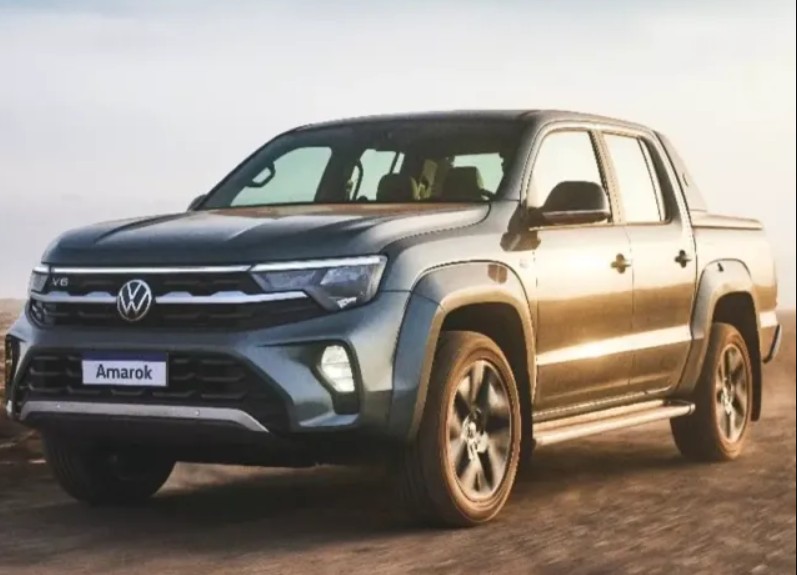
The Volkswagen Amarok has always occupied an interesting corner of the pickup market. It combines the toughness we expect from a work ute with the cabin feel and road manners of a European SUV. Add strong diesel engines, serious towing ability, and four-wheel-drive capability, and it is easy to understand why used Amaroks remain attractive.
Still, no pickup is bulletproof.
Search for Volkswagen Amarok issues, and we quickly discover complaints ranging from relatively harmless electrical glitches to expensive diesel-system, transmission, and cooling problems. The important thing is not to assume every Amarok will experience every fault. Model year, engine, transmission, maintenance history, climate, towing use, and previous ownership all matter enormously.
Think of the Amarok like a pair of heavy-duty hiking boots. Treat them properly and they can cover enormous distances. Ignore maintenance, overload them, and drag them through harsh conditions every weekend, and cracks eventually begin to show.
In this guide, we'll explore the most common Volkswagen Amarok problems, their warning signs, what can cause them, and what we should inspect before buying a used example.
Content in this publication
- Are Volkswagen Amaroks Reliable?
- Most Common Volkswagen Amarok Issues at a Glance
- Volkswagen Amarok DPF Problems
- EGR Valve Problems
- Volkswagen Amarok Turbo Problems
- Amarok Timing Belt Issues
- Cooling System and Coolant Leak Problems
- Volkswagen Amarok Automatic Transmission Problems
- Manual Gearbox, Clutch, and Dual-Mass Flywheel Wear
- Fuel Injector and Diesel-System Problems
- AdBlue and Emissions-System Faults
- Electrical Problems and Warning Lights
- Volkswagen Amarok 4WD Problems
- Suspension Problems and Front-End Wear
- Oil Leaks and Oil Consumption
- Amarok Starting Problems
- Rust and Body Problems
- Volkswagen Amarok V6 Problems
- Volkswagen Amarok 2.0 TDI and BiTDI Issues
- First-Generation Amarok vs Newer Amarok Issues
- Volkswagen Amarok Problems When Towing
- How Expensive Is an Amarok to Repair?
- Volkswagen Amarok Pre-Purchase Inspection Checklist
- Which Amarok Issues Should Make Us Walk Away?
- How to Make an Amarok Last Longer
- Is a Used Volkswagen Amarok Worth Buying?
- Final Thoughts on Volkswagen Amarok Issues
- Frequently Asked Questions
Are Volkswagen Amaroks Reliable?
Overall, the Amarok can be a dependable pickup when maintained correctly, but reliability is heavily influenced by the specific generation and powertrain.
Earlier Amaroks commonly used four-cylinder 2.0-liter TDI diesel engines, while later first-generation versions became particularly desirable with Volkswagen's 3.0-liter V6 TDI. The newer Amarok shares much of its underlying architecture with the Ford Ranger, creating an entirely different mechanical package.
That distinction matters.
An issue associated with an older 2.0 BiTDI Amarok does not automatically apply to a V6, and problems reported on first-generation vehicles should not automatically be projected onto newer models.
Maintenance history therefore matters more than internet horror stories.
A well-serviced Amarok with 150,000 km can sometimes be a better purchase than a low-mileage vehicle that has spent years making short trips while receiving minimal maintenance.
Most Common Volkswagen Amarok Issues at a Glance
Although individual experiences vary, several problem areas deserve particular attention when inspecting an Amarok:
- Diesel particulate filter and EGR problems
- Turbocharger and boost-system faults
- Timing-belt concerns on applicable engines
- Coolant leaks and cooling-system problems
- Automatic transmission hesitation or rough shifting
- Clutch and dual-mass flywheel wear on manual models
- Diesel injector and fuel-system faults
- AdBlue or emissions-system warnings on applicable versions
- Electrical and sensor problems
- Four-wheel-drive system faults
- Suspension and wheel-bearing wear
- Oil leaks and increased oil consumption
- Battery and starting problems
Some faults are fairly inexpensive. Others can turn a cheap used Amarok into a financial sinkhole remarkably quickly.
Let's examine them individually.
Volkswagen Amarok DPF Problems
Diesel particulate filter problems are among the most familiar concerns with modern diesel pickups, and the Amarok is no exception.
The DPF captures soot from the exhaust. Once enough soot accumulates, the vehicle raises exhaust temperature and burns it away through a process known as regeneration.
The system works beautifully when conditions cooperate.
Unfortunately, constant short journeys can prevent successful regeneration.
Signs of an Amarok DPF Problem
Common warning signs can include:
- DPF warning light
- Reduced engine power
- Increased fuel consumption
- Cooling fans running after the engine is switched off
- Higher-than-normal idle speed
- Frequent regeneration cycles
- Limp mode
A driver who regularly travels long motorway or highway distances may rarely notice DPF trouble. Someone using the Amarok for five-minute school runs could have a completely different experience.
Why Short Trips Can Cause DPF Trouble
A diesel engine needs enough temperature and operating time to complete regeneration.
Repeatedly switching the engine off during regeneration is rather like repeatedly stopping a washing machine halfway through a cycle. Eventually, the job simply never gets finished.
When soot accumulation becomes excessive, workshop intervention may be needed. In severe cases, cleaning or replacement of the DPF can become necessary.
EGR Valve Problems
The exhaust gas recirculation system is another area that deserves attention.
The EGR system redirects a portion of exhaust gases back into the engine to reduce certain emissions. Over time, soot and oily deposits can build inside the EGR valve and related intake components.
Symptoms may include rough running, sluggish acceleration, engine warning lights, hesitation, or increased fuel consumption.
EGR problems are particularly frustrating because their symptoms can overlap with those caused by a dirty intake, DPF trouble, boost leaks, sensors, and other diesel-system faults.
We should therefore avoid throwing expensive parts at the vehicle without proper diagnosis.
Can EGR Problems Be Prevented?
There is no magic trick that guarantees an EGR valve will remain spotless forever.
However, correct servicing, suitable oil, healthy injectors, proper engine operating temperatures, and regular longer journeys may help the overall emissions system operate more effectively.
Ignoring a warning light for six months usually does not improve matters.
Volkswagen Amarok Turbo Problems
Turbochargers work hard in diesel pickups.
They operate under substantial heat and rotational speed while providing the boost that gives the Amarok its strong low-end torque. On twin-turbo diesel versions, the system naturally contains additional components that can potentially develop faults.
Not every loss of power means the turbocharger itself has failed.
Boost-control valves, intercooler hoses, vacuum lines, sensors, actuators, and intake leaks can produce similar symptoms.
Symptoms of Turbo or Boost Trouble
Watch for:
- Sudden power loss
- Whistling or unusual turbo noises
- Excessive smoke
- Engine warning light
- Limp mode
- Poor acceleration
- Boost pressure fault codes
Before replacing a turbo, we want the entire boost system diagnosed properly.
A cracked hose might cost dramatically less than a complete turbocharger.
Oil Changes Matter More Than Many Owners Realize
Turbochargers rely heavily on clean engine oil.
Stretching oil-change intervals, using an unsuitable lubricant, or running with low oil can accelerate wear. When shopping for a used Amarok, documented servicing should therefore carry real value.
A stack of invoices is far more reassuring than an owner saying, "My mate serviced it whenever it needed it."
Amarok Timing Belt Issues
Timing-system maintenance deserves special attention because failure can cause serious engine damage.
Certain Amarok engines use timing belts, and replacement intervals depend on the specific engine, model year, operating environment, and market recommendations.
We should never assume that a used Amarok's belt has been replaced simply because the mileage appears low.
Age matters too.
If the seller claims the timing belt has been changed, ask for documentation showing the date, mileage, parts used, and ideally whether related components were replaced.
Why Timing Belt Maintenance Is So Important
The timing system synchronizes critical internal engine components.
If synchronization is suddenly lost, internal parts may collide.
That's not the sort of fault where we simply pull over, restart the truck, and continue driving.
It can turn into major engine work.
When buying an older Amarok with unclear history, budgeting for preventive timing-system maintenance can make far more sense than gambling on the previous owner's memory.
Cooling System and Coolant Leak Problems
Cooling-system faults can range from a small leak to a genuine threat to engine longevity.
Potential trouble spots may include hoses, connections, coolant reservoirs, thermostats, pumps, radiators, EGR coolers, or other cooling-system components depending on the particular engine.
One thing remains universal: unexplained coolant loss deserves investigation.
Warning Signs We Should Never Ignore
Look for:
- Coolant level dropping repeatedly
- Sweet-smelling residue around the engine bay
- Temperature fluctuations
- Overheating
- White residue around cooling-system joints
- Coolant warning messages
- Heater performance changing unexpectedly
Do not simply keep topping up the reservoir for months.
Coolant is supposed to remain inside the system.
If it disappears, there is a reason.
Overheating Can Become Very Expensive
A relatively inexpensive leaking component can become catastrophic if the engine is repeatedly overheated.
Cylinder-head distortion, gasket damage, and other internal engine problems are possibilities whenever severe overheating occurs.
If the temperature gauge climbs unexpectedly, stopping the vehicle and identifying the problem is usually safer than trying to "make it home."
Volkswagen Amarok Automatic Transmission Problems
Many Amaroks use automatic transmissions that generally deliver smooth operation when healthy, but age, towing, heat, maintenance, and software or mechanical issues can eventually produce unpleasant symptoms.
Owners may report:
- Hesitation selecting drive or reverse
- Harsh gear changes
- Jerking at low speed
- Delayed engagement
- Transmission warning messages
- Shuddering under acceleration
- Gearbox entering limp mode
Not every odd shift means the transmission is dying.
Software adaptation, fluid condition, engine faults, sensors, mounts, and driveline components can all influence how the truck feels.
Should Amarok Transmission Fluid Be Serviced?
This is where owners should follow the correct specifications for their specific gearbox rather than treating every Amarok transmission identically.
Heavy towing, frequent off-road operation, high temperatures, and stop-start driving can place additional stress on transmission fluid.
If we're considering an Amarok that has spent its life towing large trailers, we should examine transmission behavior particularly carefully during a test drive.
Manual Gearbox, Clutch, and Dual-Mass Flywheel Wear
Manual Amaroks bring a different set of potential concerns.
The clutch and dual-mass flywheel can wear, especially in vehicles used for towing, heavy loads, construction work, or repeated stop-start driving.
Typical symptoms include clutch slip, vibration, rattling, difficulty engaging gears, or judder when moving away.
How to Test a Used Amarok Clutch
During the test drive, accelerate firmly in a higher gear at relatively low engine speed.
If engine revs rise quickly without a matching increase in road speed, clutch slip may be present.
We should also pay attention to vibration or unusual noises while engaging and disengaging the clutch.
A worn clutch is not necessarily a reason to reject the vehicle, but replacement costs should be reflected in the purchase price.
Fuel Injector and Diesel-System Problems
Modern common-rail diesel systems operate at extremely high pressures and require precise fuel delivery.
Injector problems may cause:
- Difficult starting
- Uneven idle
- Excessive smoke
- Knocking sounds
- Reduced performance
- Poor fuel economy
- Engine warning lights
Contaminated fuel can make matters considerably worse.
Why Fuel Quality Matters
Diesel pumps and injectors are precision components.
Water, dirt, or incorrect fuel can damage them rapidly.
If we're travelling in remote regions or buying a vehicle previously used in harsh environments, fuel-system history deserves extra scrutiny.
A complete set of injectors or major high-pressure fuel-system repairs can cost enough to erase any bargain we thought we found in the purchase price.
AdBlue and Emissions-System Faults
Some newer diesel Amaroks use additional emissions-control technology, including selective catalytic reduction systems requiring AdBlue or diesel exhaust fluid.
These systems can develop faults involving sensors, heaters, pumps, injectors, wiring, or fluid quality.
Drivers may see warning messages accompanied by a countdown indicating that the engine may eventually refuse to restart if the emissions fault remains unresolved.
Don't Automatically Blame the AdBlue Fluid
An AdBlue warning does not necessarily mean the tank merely needs filling.
Diagnostic testing may reveal a sensor or system malfunction.
Repeatedly topping up the tank when the real problem is electrical accomplishes about as much as adding windshield washer fluid to fix a flat tire.
Electrical Problems and Warning Lights
Modern pickups contain a small army of control modules and sensors.
The Amarok can therefore experience intermittent electrical faults ranging from trivial glitches to faults that place the vehicle in limp mode.
Owners may encounter issues involving:
- Parking sensors
- Infotainment
- Central locking
- Window switches
- ABS or stability-control warnings
- Engine sensors
- Battery voltage
- Start-stop systems
- Trailer wiring
- Lighting systems
Low battery voltage deserves particular attention because modern vehicles can produce multiple seemingly unrelated warnings when electrical supply becomes unstable.
Check the Battery Before Assuming the Worst
Suppose an Amarok suddenly displays several warning lights after struggling to start.
That looks frightening.
Yet sometimes the underlying problem is simply a tired battery or poor electrical connection.
A proper scan and voltage test can save a considerable amount of unnecessary parts replacement.
Volkswagen Amarok 4WD Problems
Four-wheel-drive performance is a major reason people buy an Amarok, so driveline problems deserve careful attention.
Depending on the version, Amaroks can use different four-wheel-drive configurations.
Potential issues may involve sensors, control systems, switches, transfer-case components, actuators, differentials, or wiring.
Symptoms can include:
- 4WD warning lights
- Failure to engage a selected mode
- Unusual drivetrain noises
- Binding
- Traction-control warnings
- Differential-lock faults
Off-Road Use Changes the Inspection
An Amarok that has spent its entire life commuting on paved roads should be inspected differently from one regularly driven through mud, water, sand, and rocky trails.
For an off-road vehicle, inspect the underside closely.
Look for damaged protective panels, crushed exhaust sections, leaks, bent components, corrosion, damaged wiring, and evidence of water or mud reaching places where it should not.
A shiny body tells us very little about what has happened underneath.
Suspension Problems and Front-End Wear
Pickups are heavy vehicles, and their suspension components endure substantial loads.
Bushes, ball joints, shock absorbers, tie-rod ends, wheel bearings, and related parts can eventually wear.
Drivers might notice:
- Knocking over bumps
- Wandering steering
- Uneven tire wear
- Vibration
- Humming or growling wheel-bearing noise
- Poor alignment
- Excessive bouncing
Large aftermarket wheels and aggressive off-road tires can increase stress on some components.
Don't Ignore Uneven Tire Wear
Tires tell stories.
Heavy wear on one edge may point toward alignment problems, worn suspension components, or previous accident damage.
Four premium pickup tires are not cheap either, so badly worn rubber should enter our calculations when negotiating a used Amarok's price.
Oil Leaks and Oil Consumption
A slightly damp engine on an older pickup does not automatically mean disaster.
Heavy leakage is different.
Look around the engine, turbo plumbing, underneath the vehicle, and near major seals for fresh oil.
We should also ask the seller whether the truck needs oil added between services.
Excessive oil consumption can have multiple causes, ranging from leaks to turbocharger or internal engine issues.
Check the Oil Before Starting the Engine
When possible, inspect a used Amarok before the seller warms it up.
A completely cold engine lets us observe cold-start behavior while also reducing the opportunity for someone to hide certain noises or starting difficulties.
Check the fluid level and appearance according to the correct procedure for that model.
Amarok Starting Problems
An Amarok that struggles to start can have anything from a weak battery to a more complicated fuel or electronic fault.
Possible causes include:
- Weak battery
- Starter motor problems
- Glow-plug faults
- Fuel-delivery issues
- Injector problems
- Sensors
- Wiring faults
- Immobilizer or key issues
Cold starts are particularly revealing with diesel engines.
A healthy vehicle should not repeatedly require heroic amounts of cranking.
Rust and Body Problems
Rust severity depends strongly on climate, road salt, coastal exposure, off-road use, and previous repairs.
Inspect chassis sections, suspension mounting points, the underside of the tray or bed, door edges, wheel arches, and areas that may trap dirt or moisture.
Look Beyond Surface Appearance
A freshly polished pickup can look spectacular from ten meters away.
Get underneath it.
We would rather buy an Amarok with a few scratches on the doors and a healthy chassis than one wearing flawless paint above serious structural corrosion.
Body alignment also matters. Inconsistent panel gaps or overspray may indicate previous accident repairs.
Volkswagen Amarok V6 Problems
The 3.0 TDI V6 gave the Amarok something many rivals lacked: effortless power and a more premium driving character.
Many owners love it for exactly that reason.
However, greater mechanical complexity can also mean expensive components if something fails.
Potential areas worth monitoring include the emissions system, cooling system, oil leaks, turbo-related components, sensors, and intake systems.
The important distinction is that the V6 should not automatically be labelled unreliable simply because repairs can be expensive.
Condition matters enormously.
Why a Cheap V6 Amarok Can Be Risky
A premium diesel pickup becomes inexpensive on the used market faster than its premium replacement parts become inexpensive.
That creates a trap.
Someone buys a neglected high-mileage V6 because it seems like remarkable value, only to discover it needs tires, brakes, suspension parts, emissions repairs, and overdue servicing.
Suddenly the "bargain" costs thousands more.
Volkswagen Amarok 2.0 TDI and BiTDI Issues
The 2.0 diesel Amaroks deserve careful evaluation because many are now older and may have accumulated substantial mileage.
Potential concerns can involve turbo systems, emissions equipment, cooling components, fuel injection, oil leaks, and timing-system maintenance depending on the engine version.
Twin-turbo variants naturally have additional boost-system complexity.
Maintenance History Beats Mileage Alone
Suppose we compare two trucks:
One has 110,000 km and almost no service history.
The other has 180,000 km, documented servicing, major maintenance completed, quality tires, and evidence of careful ownership.
Which is safer?
The higher-mileage truck may actually be the smarter purchase.
Mileage is only one chapter of the story.
First-Generation Amarok vs Newer Amarok Issues
We should avoid grouping every Amarok ever built into one reliability category.
The newer generation is mechanically very different from the original Amarok.
That means long-established first-generation complaints cannot simply be copied across to newer vehicles.
Similarly, newer models have not necessarily accumulated the same enormous mileages as older examples, so their long-term reliability record naturally continues to develop.
When researching a specific truck, always include:
- Model year
- Engine
- Transmission
- Drivetrain
- Market
- Mileage
Searching merely for "Amarok problems" can otherwise produce a soup of unrelated information.
Volkswagen Amarok Problems When Towing
The Amarok is popular for towing caravans, boats, trailers, and machinery.
That workload places additional stress on:
- Transmission
- Cooling system
- Brakes
- Suspension
- Tires
- Wheel bearings
- Engine cooling
- Driveline
A vehicle regularly towing near its permitted limits deserves closer inspection than one used mainly for commuting.
Check for Evidence of Heavy Towing
A tow bar itself proves almost nothing.
Ask what the truck pulled.
A small garden trailer once a month is very different from towing a large caravan across the country every weekend.
Check rear suspension condition, brake wear, transmission behavior, cooling-system health, and trailer wiring.
How Expensive Is an Amarok to Repair?
Repair costs vary dramatically by country, engine, fault, labor rates, and whether genuine, OEM-equivalent, aftermarket, new, or remanufactured parts are used.
Minor sensors and service items may be manageable.
Problems involving turbochargers, injectors, transmissions, DPF systems, or major engine components can become expensive quickly.
For that reason, purchasing the cheapest Amarok available is rarely our favorite strategy.
Budget for Preventive Maintenance
When buying used, we should reserve money for immediate servicing.
That may include fluids, filters, belts, tires, brakes, battery replacement, or suspension work.
Buying a used pickup with every last dollar in our budget leaves no margin when ordinary age-related maintenance arrives.
Volkswagen Amarok Pre-Purchase Inspection Checklist
Before buying, we recommend checking the following areas carefully:
- Cold start: Listen for abnormal rattles, rough running, smoke, or excessive cranking.
- Service records: Confirm oil changes and major scheduled maintenance.
- Timing system: Verify replacement history where applicable.
- Coolant: Look for unexplained loss, contamination, or leaks.
- Transmission: Check every gear under light and heavy throttle.
- Clutch: Test for slipping or judder on manual vehicles.
- DPF/EGR: Investigate warning lights and regeneration complaints.
- Turbo: Listen for unusual noise and check for consistent boost.
- 4WD: Test available four-wheel-drive functions.
- Suspension: Listen for knocks and inspect tire wear.
- Electronics: Test windows, locks, infotainment, cameras, sensors, and lighting.
- Underbody: Look for off-road damage, rust, leaks, or poor repairs.
- Tow history: Ask how frequently and heavily the truck has towed.
- Diagnostic scan: Check current and stored fault codes.
- Independent inspection: Have a knowledgeable mechanic examine the vehicle.
That final step can be incredibly valuable.
A pre-purchase inspection costs money, but buying someone else's unresolved mechanical problems costs far more.
Which Amarok Issues Should Make Us Walk Away?
Most used vehicles will have imperfections.
A scratched bumper does not frighten us.
A truck with several serious warning signs does.
Be particularly cautious when we find a combination of overheating history, missing service records, significant oil or coolant loss, transmission faults, heavy smoke, unexplained warning lights, poor accident repairs, and a seller who refuses an independent inspection.
One issue might be repairable.
Five simultaneous issues suggest neglect.
Beware of Recently Cleared Warning Lights
Diagnostic fault codes can sometimes be cleared immediately before a vehicle is advertised.
If emissions monitors have not completed or warning lights return during an extended test drive, deeper investigation is justified.
A ten-minute drive around the block is not enough for an expensive used diesel pickup.
How to Make an Amarok Last Longer
Long-term reliability is often less mysterious than people imagine.
We can dramatically improve our odds by doing the basics consistently:
- Use the correct engine oil and fluids.
- Follow appropriate service intervals.
- Investigate coolant loss immediately.
- Allow diesel emissions systems to complete proper operating cycles.
- Avoid ignoring warning lights.
- Maintain the transmission appropriately.
- Replace worn suspension parts rather than letting them damage other components.
- Keep tires correctly inflated.
- Avoid excessive loads.
- Inspect the vehicle after serious off-road use.
- Fix small leaks before they become large ones.
Mechanical sympathy matters too.
A cold turbocharged diesel does not need full throttle seconds after startup, and a heavily worked drivetrain appreciates proper maintenance.
Is a Used Volkswagen Amarok Worth Buying?
Yes, a used Amarok can still be an excellent purchase.
The combination of road comfort, diesel torque, towing capability, four-wheel-drive performance, and pickup practicality remains appealing.
However, condition and history should dictate the decision.
We would rather buy a carefully maintained mid-spec Amarok than a neglected high-spec truck covered in accessories.
Accessories are exciting.
Service invoices are valuable.
An immaculate service history will not look impressive in an Instagram photo, but it may save us thousands of dollars.
Final Thoughts on Volkswagen Amarok Issues
The list of Volkswagen Amarok issues can look intimidating when viewed all at once, but that happens with nearly every popular vehicle once thousands of owners accumulate millions of miles and kilometers.
The Amarok's most important potential trouble areas include its diesel emissions equipment, turbo and boost system, cooling system, fuel injection, transmission, timing components on applicable engines, electrical systems, and suspension.
None of those automatically make the Amarok a bad pickup.
They simply mean we should buy intelligently.
A properly maintained Amarok can deliver years of useful service, whereas a neglected example can become expensive remarkably quickly. Service history, diagnostic testing, a long test drive, and an independent mechanical inspection give us much more useful information than mileage alone.
So, is the Amarok worth considering?
Absolutely.
Just don't buy the badge.
Buy the condition.
Frequently Asked Questions
1. What are the most common Volkswagen Amarok issues?
Commonly discussed problem areas include DPF and EGR faults, turbo or boost problems, coolant leaks, diesel fuel-system issues, electrical faults, suspension wear, transmission concerns, and timing-system maintenance on applicable engines. Exact vulnerabilities vary by model year and powertrain.
2. Is the Volkswagen Amarok expensive to maintain?
It can cost more to maintain than a simple petrol car because the Amarok is a relatively complex diesel pickup. Turbochargers, diesel injectors, emissions components, automatic transmissions, and four-wheel-drive systems can be costly when major repairs are needed. Routine maintenance is therefore extremely important.
3. Is the Amarok V6 reliable?
A well-maintained Amarok V6 can be a strong and durable vehicle, but neglect can make ownership expensive. When buying used, check service history, coolant condition, oil leaks, emissions-system operation, transmission behavior, and diagnostic fault codes rather than judging reliability purely by mileage.
4. Should I buy a high-mileage Amarok?
High mileage should not automatically eliminate an Amarok from consideration. A high-mileage vehicle with extensive maintenance records can be preferable to a lower-mileage example with questionable history. Have the truck professionally inspected and verify important scheduled maintenance before buying.
5. What should I check before buying a used Volkswagen Amarok?
Check the engine from cold, transmission operation, cooling system, DPF and EGR condition, turbo performance, service history, timing-system maintenance where relevant, suspension, 4WD operation, tires, underbody, electrical systems, and evidence of heavy towing or off-road use. A diagnostic scan and independent pre-purchase inspection are strongly recommended.
If you want to know other articles similar to Volkswagen Amarok Issues: Common Problems, Causes, and What Owners Should Know you can visit the category Common Problems.
Toyota Corolla Cross Issues: Common Problems and Fixes

MG HS Problems: Common Faults, Reliability and Years to Avoid (2019–2026)
Toyota Yaris Cross Battery Problems: Causes & Fixes

Volvo XC40 Sound Not Working? Complete Troubleshooting Guide

Mazda Diesel Engine Problems: Common Faults and Fixes
Volkswagen Key Not Detected or No Key Error: Causes and Fixes
Leave a Reply
More content of your interest