
Toyota Grand Highlander vs Sequoia

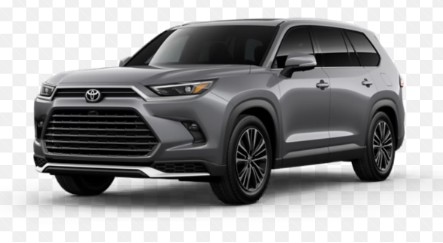
The battle between the Toyota Grand Highlander and the Toyota Sequoia feels a bit like comparing a precision-crafted Swiss watch to a rugged expedition compass. Both are excellent at what they do, but they were built with very different lifestyles in mind.
At first glance, these SUVs seem to overlap. Both offer three rows, hybrid technology, advanced safety systems, and Toyota’s legendary reputation for reliability. Yet once we dig beneath the surface, we quickly realize these vehicles serve completely different purposes.
The Grand Highlander is designed for modern family life. It focuses on comfort, efficiency, practicality, and daily usability. The Sequoia, meanwhile, is a large truck-based SUV that thrives on power, towing capability, ruggedness, and long-distance adventure.
So which one should we actually choose?
That answer depends entirely on what we expect from our SUV. Let’s explore every major difference between the Toyota Grand Highlander and Sequoia so we can determine which one truly deserves the parking spot in our driveway.
Content in this publication
- Understanding the Biggest Difference
- Exterior Design Comparison
- Interior Comfort and Cabin Space
- Cargo Space and Practicality
- Engine Options and Performance
- Fuel Economy Differences
- Towing Capability
- Ride Quality and Daily Driving
- Off-Road Capability
- Technology and Infotainment
- Safety Features
- Pricing and Ownership Costs
- Which SUV Is Better for Families?
- Real-World Ownership Experience
- Final Verdict
- Conclusion
- FAQs
Understanding the Biggest Difference
The most important distinction between these SUVs lies underneath the bodywork.
The Grand Highlander is a unibody crossover. This means it uses a car-like platform designed to maximize ride comfort, interior space, and fuel efficiency. It behaves more like a refined family vehicle than a truck.
The Sequoia, on the other hand, uses a body-on-frame construction shared with the Toyota Tundra pickup truck. This gives it immense strength and durability, especially for towing and off-road use, but also makes it feel larger and heavier on the road.
In simple terms:
- The Grand Highlander prioritizes everyday family practicality
- The Sequoia prioritizes capability and strength
That single difference shapes almost every aspect of ownership.
Exterior Design Comparison
Toyota gave both SUVs distinctive personalities.
The Grand Highlander looks modern, elegant, and aerodynamic. Its styling feels polished without trying too hard. The slim headlights, balanced proportions, and smooth lines make it look upscale while remaining approachable.
It’s the type of SUV that blends naturally into suburban neighborhoods while still looking premium in a hotel parking lot.
The Sequoia takes the opposite approach.
It looks bold, muscular, and imposing. The front grille is enormous, the stance is commanding, and the body proportions scream strength. Park it beside the Grand Highlander, and the Sequoia immediately dominates the visual space.
Driving a Sequoia feels a bit like piloting a luxury armored vehicle. It has undeniable road presence.
Interior Comfort and Cabin Space
This comparison becomes surprisingly interesting once we step inside.
Many people assume the larger Sequoia automatically offers the better cabin. In reality, the Grand Highlander’s intelligent packaging gives it several important advantages.
The Grand Highlander was engineered specifically around passenger comfort. The third row is spacious enough for adults, and accessing it is relatively easy. Toyota clearly focused on maximizing practical family usability.
Passengers benefit from:
- Excellent legroom
- Comfortable seating positions
- Large windows
- Easier entry and exit
- More open cabin design
The Sequoia still delivers impressive space, especially in the first two rows, but its truck-based architecture slightly compromises interior flexibility.
One of the biggest surprises is the third row.
Because the Sequoia’s hybrid battery sits underneath the rear section, the third-row floor sits higher than expected. This can make seating less comfortable for adults on longer journeys.
Ironically, the smaller Grand Highlander may actually feel more accommodating for third-row passengers.
Cargo Space and Practicality
Cargo flexibility matters enormously for families.
The Grand Highlander excels in this area. Even with all three rows in use, there is enough space behind the rear seats for groceries, sports equipment, strollers, and luggage.
Fold the seats down, and the cargo area becomes highly versatile.
Toyota clearly designed the Grand Highlander for real-world family life rather than simply chasing large exterior dimensions.
The Sequoia still offers impressive cargo capacity, but the hybrid battery placement creates a higher cargo floor. This slightly reduces underfloor storage flexibility compared to some competitors.
For hauling bulky gear, camping equipment, or larger items, the Sequoia remains extremely capable. But for pure family practicality, the Grand Highlander often feels smarter and more efficient.
Engine Options and Performance
The Grand Highlander offers multiple powertrain choices, giving buyers flexibility depending on their priorities.
The standard turbocharged engine provides a balanced blend of efficiency and performance. It feels smooth, responsive, and perfectly suited for daily commuting.
Toyota also offers hybrid versions aimed at maximizing fuel economy. These models are especially attractive for families who spend significant time driving in urban traffic.
Then there’s the Hybrid MAX powertrain.
This version transforms the Grand Highlander into something unexpectedly quick. Acceleration feels energetic and refined, giving the SUV a far more premium driving experience than many buyers expect.
The Sequoia simplifies things.
Every Sequoia comes with a twin-turbo hybrid V6 engine that delivers massive torque and impressive power. The focus here is not efficiency first—it’s effortless strength.
Whether towing a trailer or merging onto a highway, the Sequoia feels confident and muscular. It accelerates with authority despite its enormous size.
You may be interested in reading Volvo XC90 vs Toyota Grand Highlander: Which 3-Row SUV Truly Fits Modern Families?
Driving it feels like controlling a locomotive wrapped in leather.
Fuel Economy Differences
Fuel economy is one of the clearest victories for the Grand Highlander.
Its hybrid models deliver significantly better MPG figures than the Sequoia, making it far cheaper to operate over time.
For families driving daily, this matters enormously.
Lower fuel consumption means:
- Reduced monthly costs
- Fewer fuel stops
- Better long-term ownership value
The Sequoia is actually impressive considering its size. Compared to older full-size V8 SUVs, its hybrid powertrain improves efficiency considerably.
Still, there’s no escaping physics.
The Sequoia is heavier, larger, and built like a truck. Naturally, it consumes more fuel than the Grand Highlander.
If fuel economy is a major concern, the Grand Highlander is the clear winner.
Towing Capability
This is where the Sequoia completely changes the conversation.
The Grand Highlander can tow smaller recreational equipment comfortably, including:
- Small boats
- Utility trailers
- Compact campers
For occasional towing needs, it performs very well.
The Sequoia, however, was engineered for serious work.
It can tow substantially heavier loads and handles large trailers with confidence. Buyers who regularly tow boats, travel trailers, or heavy equipment will immediately appreciate the Sequoia’s superior capability.
This is one area where the Sequoia dominates without much argument.
Ride Quality and Daily Driving
The Grand Highlander feels calm, smooth, and refined on everyday roads.
Because of its crossover platform, it drives more like a large sedan than a traditional SUV. Steering feels lighter, parking is easier, and urban driving becomes far less stressful.
In crowded city environments, this difference becomes very noticeable.
The Grand Highlander feels manageable and predictable, even for drivers who dislike oversized vehicles.
The Sequoia offers a very different experience.
Its elevated seating position gives drivers an incredible sense of command over the road. Highway cruising feels luxurious and stable, especially during long-distance travel.
But there’s a tradeoff.
The Sequoia feels noticeably larger in parking lots, tighter streets, and dense traffic. Maneuvering it requires more attention and confidence.
For city-focused families, the Grand Highlander is much easier to live with daily.
Off-Road Capability
The Grand Highlander can comfortably handle gravel roads, snow, and light outdoor adventures. It’s more capable than many families will ever require.
Still, it was never designed for hardcore off-roading.
The Sequoia is a completely different animal.
Especially in TRD Pro form, the Sequoia becomes a legitimate off-road machine capable of tackling rough terrain with confidence.
Features such as:
- Advanced four-wheel-drive systems
- Terrain management modes
- Off-road suspension upgrades
- Protective skid plates
make it ideal for adventurous owners.
The Sequoia feels built for people who treat maps as vague suggestions rather than strict instructions.
Technology and Infotainment
Toyota equipped both SUVs with modern technology, but the execution differs slightly.
The Grand Highlander emphasizes family usability. Its infotainment system is intuitive, easy to learn, and packed with practical connectivity features.
Highlights include:
- Large touchscreens
- Wireless smartphone integration
- Multiple charging ports
- Family-friendly controls
The Sequoia offers similar features but leans more toward luxury and capability-focused technology.
Higher trims include premium sound systems, advanced towing displays, and upscale cabin enhancements that make long journeys more enjoyable.
Safety Features
Both SUVs come equipped with Toyota Safety Sense technology.
Safety features include:
You may be interested in readingVolvo XC90 vs Toyota Grand Highlander: Which 3-Row SUV Truly Fits Modern Families?You may be interested in reading
Toyota Grand Highlander Similar Cars- Adaptive cruise control
- Lane departure warning
- Blind spot monitoring
- Automatic emergency braking
- Rear cross-traffic alert
Toyota’s strong reputation for safety remains one of the biggest reasons families continue choosing the brand year after year.
Pricing and Ownership Costs
The Grand Highlander generally costs significantly less than the Sequoia.
That lower entry price combines with better fuel economy and lower operating costs to create a very attractive ownership experience.
For many buyers, it represents the more financially sensible option.
The Sequoia sits in a higher price category, especially in premium trims. However, buyers receive:
- Greater towing strength
- Larger overall size
- More rugged durability
- Exceptional highway presence
For some owners, that extra capability easily justifies the added cost.
Which SUV Is Better for Families?
For most families, the Grand Highlander probably makes more sense.
It delivers:
- Better fuel economy
- Easier maneuverability
- Excellent third-row comfort
- Lower ownership costs
- More practical everyday usability
It’s the SUV equivalent of a perfectly organized home—everything simply works.
The Sequoia appeals to a different type of buyer.
It’s ideal for people who need:
- Serious towing power
- Rugged off-road capability
- Massive interior presence
- Long-distance road trip comfort
Owning one feels like being permanently prepared for adventure.
Real-World Ownership Experience
Living with the Grand Highlander feels effortless.
School runs, commuting, vacations, grocery shopping—it handles every task with calm efficiency. It adapts beautifully to modern family life.
The Sequoia feels more emotional.
Every drive carries a sense of power and capability. Whether navigating snowstorms or towing a large trailer through mountain roads, it inspires confidence in ways few SUVs can.
The difference is psychological as much as practical.
The Grand Highlander focuses on convenience.
The Sequoia focuses on capability.
Final Verdict
Choosing between the Toyota Grand Highlander and the Toyota Sequoia ultimately comes down to lifestyle.
The Grand Highlander is the smarter everyday SUV. It’s efficient, spacious, comfortable, and remarkably family-friendly. For the majority of households, it will likely be the better overall fit.
The Sequoia is the powerhouse. It delivers towing strength, rugged durability, commanding presence, and adventure-ready capability that the Grand Highlander simply cannot match.
One feels like a refined multitool.
The other feels like a luxury tank.
Neither choice is wrong.
The real question is simple:
Do we want maximum practicality, or maximum capability?
Once we answer that honestly, the decision becomes surprisingly clear.
Conclusion
The Toyota Grand Highlander and Toyota Sequoia represent two very different interpretations of what a modern SUV should be.
The Grand Highlander focuses on intelligent design, fuel efficiency, comfort, and family practicality. It’s modern, approachable, and incredibly easy to live with.
The Sequoia counters with brute strength, towing confidence, off-road readiness, and a commanding driving experience that feels larger than life.
Both SUVs excel in their own ways.
The Grand Highlander wins with balance.
The Sequoia wins with capability.
And honestly, that’s what makes this comparison so fascinating.
FAQs
Is the Toyota Grand Highlander larger than the regular Highlander?
Yes. The Grand Highlander is longer and provides significantly more third-row and cargo space.
Which SUV has better fuel economy?
The Grand Highlander, especially in hybrid form, delivers much better fuel efficiency than the Sequoia.
Can the Grand Highlander tow a camper?
Yes, it can tow smaller campers and trailers comfortably depending on the configuration.
You may be interested in readingVolvo XC90 vs Toyota Grand Highlander: Which 3-Row SUV Truly Fits Modern Families?You may be interested in reading
Toyota Grand Highlander Similar CarsYou may be interested in reading
Toyota Grand Highlander vs Chevy TraverseIs the Sequoia better for off-roading?
Absolutely. The Sequoia, particularly in TRD Pro trim, is far more capable in serious off-road conditions.
Which SUV is easier to drive daily?
The Grand Highlander is easier to maneuver, park, and handle in city traffic.
If you want to know other articles similar to Toyota Grand Highlander vs Sequoia you can visit the category Models.
Volkswagen T-Cross vs Volkswagen T-Roc: Which Is Better?
Hyundai Tucson Weight: Complete Guide to Curb, Gross, and Payload Specs

Honda Passport vs Toyota 4Runner: Which SUV Is Better?
Honda Passport vs Ford Bronco: Which SUV Is Better?
Honda Passport vs Ford Explorer: Which SUV Is Better?
Honda Passport or Pilot: Which SUV Is Better?
Leave a Reply
More content of your interest