

Toyota Sequoia Issues: Common Problems, Warning Signs, and What Owners Should Know

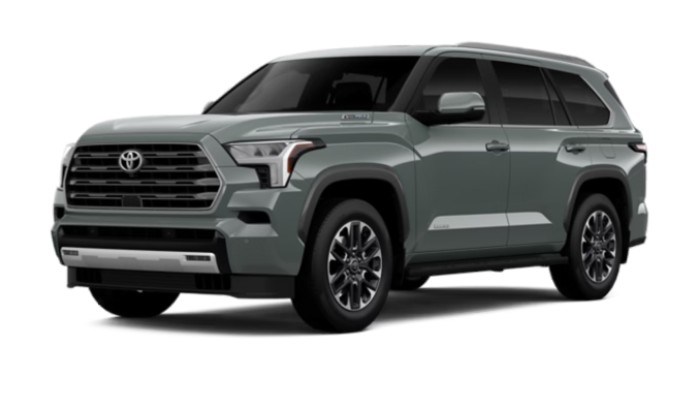
The Toyota Sequoia has built a reputation as a tough, roomy, long-lasting full-size SUV. For many owners, it is the kind of vehicle that can swallow a family, tow a trailer, handle rough roads, and keep running well beyond the mileage where lesser SUVs start waving a white flag.
Still, durability does not mean perfection.
When we look closely at Toyota Sequoia issues, we find a mix of age-related wear, generation-specific weaknesses, suspension concerns, transmission complaints, electrical glitches, and a few expensive repairs that deserve attention before buying one used.
The good news? Many Sequoia problems are predictable. If we know what to inspect, which symptoms matter, and which problems are mostly annoyances rather than financial disasters, the Sequoia can still be a very sensible used SUV.
This guide breaks down the most common Toyota Sequoia problems, explains how serious they can become, and helps us separate normal wear from genuine red flags.
Content in this publication
- Are Toyota Sequoias Problematic?
- Most Common Toyota Sequoia Issues at a Glance
- Toyota Sequoia Frame Rust Issues
- Toyota Sequoia Brake Problems
- Suspension Problems on Toyota Sequoia Models
- Toyota Sequoia Rear Air Suspension Issues
- Toyota Sequoia Transmission Issues
- Toyota Sequoia Engine Problems
- Toyota Sequoia Exhaust Manifold Problems
- Secondary Air Injection System Issues
- Toyota Sequoia Oil Consumption Issues
- Toyota Sequoia Four-Wheel-Drive Problems
- Toyota Sequoia Steering Issues
- Electrical Problems in Toyota Sequoia SUVs
- Battery and Charging-System Problems
- Toyota Sequoia Tailgate and Hatch Issues
- Interior Wear and Toyota Sequoia Age-Related Problems
- Toyota Sequoia Hybrid Issues
- Toyota Sequoia Turbo Problems
- Are Older Toyota Sequoias More Reliable Than New Ones?
- Toyota Sequoia Problems by Mileage
- Warning Signs We Would Never Ignore
- How Much Do Toyota Sequoia Issues Cost to Repair?
- How to Avoid Buying a Problematic Toyota Sequoia
- Is a Toyota Sequoia Still Worth Buying?
- Who Should Avoid a Toyota Sequoia?
- Final Thoughts on Toyota Sequoia Issues
- Frequently Asked Questions
Are Toyota Sequoias Problematic?
Not generally.
The Sequoia has traditionally been regarded as one of Toyota's more durable body-on-frame SUVs. Its construction shares the rugged philosophy found in Toyota trucks, and many examples survive for hundreds of thousands of miles when maintained correctly.
However, reliability changes considerably depending on three things:
- Model year
- Maintenance history
- Previous usage
A Sequoia that spent its life commuting on highways is a very different machine from one that repeatedly towed heavy trailers, launched boats into salt water, or spent winters driving through salted roads.
That distinction matters.
Most serious Toyota Sequoia issues we encounter on older examples are not mysterious engineering failures appearing overnight. They are often the result of neglected maintenance, corrosion, worn suspension components, aging electronics, or years of heavy use.
Most Common Toyota Sequoia Issues at a Glance
Before digging deeper, these are some of the areas worth checking on a used Sequoia:
- Frame corrosion on older models
- Brake vibration and premature brake wear
- Suspension wear
- Rear air suspension problems on equipped versions
- Transmission hesitation or rough shifting
- Water pump and cooling-system leaks
- Exhaust manifold problems on some older V8 engines
- Secondary air injection system faults
- Electrical and sensor failures
- Four-wheel-drive system problems
- Excessive oil consumption on neglected engines
- Steering and alignment concerns
- Tailgate and hatch hardware problems
Not every Sequoia suffers from these issues. In fact, plenty never experience several of them.
Still, knowing where problems tend to hide makes buying one much easier.
Toyota Sequoia Frame Rust Issues
Frame corrosion is one of the most important things we would inspect on an older Toyota Sequoia.
This matters particularly in regions where roads are heavily salted during winter.
Surface rust is common on older trucks and SUVs. Severe structural corrosion is different.
A lightly rusty frame may simply look ugly. Deep scaling, perforation, weakened mounting points, or corrosion around suspension components can turn into a serious safety and repair concern.
Where Should We Check for Rust?
Look carefully around:
- Frame rails
- Crossmembers
- Suspension mounting points
- Rear axle area
- Fuel tank supports
- Body mounts
- Tow-hitch attachment points
If possible, inspect the vehicle on a lift.
A shiny exterior can hide an underbody that looks like it has spent twenty winters underwater. Cosmetic condition should never distract us from structural condition.
Is Frame Rust Expensive to Fix?
Minor corrosion can sometimes be cleaned and treated.
Serious structural corrosion is another story.
Repairing heavily deteriorated frame sections may require welding, fabrication, reinforcement, or extensive component removal. At that stage, costs can exceed what an older Sequoia is realistically worth.
When rust is severe, walking away is often smarter than negotiating harder.
Toyota Sequoia Brake Problems
Brake complaints have appeared on various Sequoia model years, particularly as vehicles age.
Owners may experience:
- Steering-wheel vibration while braking
- Pulsation through the pedal
- Uneven braking
- Premature pad wear
- Warped or unevenly worn rotors
- Brake squealing
A full-size Sequoia carries considerable weight, so its braking system works hard.
Add larger aftermarket tires, towing, mountain driving, or aggressive braking, and heat becomes the enemy.
Why Does the Steering Wheel Shake While Braking?
A shaking steering wheel under braking frequently points toward uneven front brake rotor surfaces or related front-end wear.
However, we should not automatically blame the rotors.
Worn suspension bushings, loose steering components, or wheel-bearing problems can sometimes create similar sensations.
A proper inspection should therefore examine the braking and front suspension systems together.
Suspension Problems on Toyota Sequoia Models
Suspension components eventually wear on any heavy SUV.
The Sequoia is no exception.
Common symptoms include:
- Clunking over bumps
- Excessive body movement
- Uneven tire wear
- Wandering at highway speeds
- Poor alignment
- Steering that feels loose
- Vehicle sagging on one side
Bushings, ball joints, shocks, control arms, and links can all deteriorate with mileage.
Older Sequoias Can Feel Loose When Suspension Parts Wear
A healthy Sequoia should feel substantial and controlled.
An unhealthy one can feel like a sofa rolling downhill.
If the vehicle floats excessively, knocks over rough pavement, or requires constant steering correction, we would investigate suspension wear before assuming that is simply how a large SUV drives.
Do Big Tires Make Suspension Problems Worse?
They can.
Oversized wheels and heavy off-road tires increase unsprung weight and may place additional stress on:
- Wheel bearings
- Steering components
- Ball joints
- Bushings
- Suspension joints
A heavily modified Sequoia therefore deserves extra scrutiny.
Toyota Sequoia Rear Air Suspension Issues
Some higher-spec Sequoia models use rear load-leveling or air suspension components.
When functioning correctly, these systems can improve ride quality and help compensate for varying loads.
When they begin failing, the repair bill can climb quickly.
Symptoms may include:
- Rear of the vehicle sitting unusually low
- Uneven ride height
- Compressor running frequently
- Harsh ride
- Suspension warning messages
- Vehicle lowering after sitting overnight
What Causes Air Suspension Failure?
Common causes include aging air springs, leaks, damaged lines, compressor wear, faulty height sensors, and electrical problems.
A small air leak can force the compressor to work repeatedly. That extra workload may eventually kill the compressor too.
It becomes a domino effect.
One weak component starts the problem; another component pays the price.
Toyota Sequoia Transmission Issues
Toyota automatic transmissions are generally durable, but Sequoia owners may encounter transmission-related symptoms as mileage accumulates.
Possible complaints include:
- Hard shifts
- Delayed engagement
- Hesitation
- Shuddering
- Rough downshifts
- Gear hunting
- Transmission warning lights
Not every unusual shift means the transmission is dying.
Software behavior, old transmission fluid, drivetrain mounts, sensors, or adaptive shift programming can influence how the gearbox feels.
When Should Transmission Behavior Concern Us?
A single slightly firm shift on a cold morning is very different from repeated slipping under acceleration.
Red flags include:
- Engine revs rising without corresponding acceleration
- Delay when shifting from Park into Drive
- Strong banging between gears
- Burnt-smelling transmission fluid
- Transmission fluid leaks
- Persistent shuddering
A failing transmission can become one of the most expensive Toyota Sequoia repairs, so symptoms should never be ignored before purchase.
Toyota Sequoia Engine Problems
The Sequoia has used several engines across its generations, including large-displacement V8s and, more recently, a twin-turbo hybrid V6 powertrain.
Older Toyota V8 engines are famous for durability, but age still catches up with seals, pumps, hoses, sensors, and supporting equipment.
Toyota Sequoia Water Pump Problems
Water pumps eventually wear.
Warning signs include:
- Coolant leaking
- Sweet coolant smell
- Rising engine temperature
- Coolant level dropping
- Visible residue around the pump area
A leaking water pump should be repaired promptly.
Cooling-system neglect can transform a manageable repair into overheating, warped components, or major engine damage.
Never Ignore Temperature Changes
If a Sequoia normally holds a steady temperature and suddenly begins running hotter, something has changed.
That might be the thermostat, radiator, water pump, cooling fan system, coolant level, or another cooling component.
Continuing to drive while overheating is rarely worth the gamble.
Toyota Sequoia Exhaust Manifold Problems
Some older Toyota V8 trucks and SUVs can develop exhaust manifold leaks or related exhaust issues.
One clue is a ticking noise when the engine is cold.
The sound may become quieter as the exhaust system warms and components expand.
Symptoms can include:
- Ticking from the engine bay
- Exhaust smell
- Increased engine noise
- Reduced refinement
The vehicle may remain driveable, but the repair can be labor-intensive depending on exactly what has failed.
Secondary Air Injection System Issues
Some Toyota V8 applications have experienced secondary air injection system problems.
This emissions equipment helps manage emissions during certain operating conditions, particularly during cold starts.
When components fail, owners may see:
- Check-engine light
- Reduced-power behavior
- Diagnostic trouble codes
- Abnormal startup operation
Pumps, valves, wiring, or moisture intrusion can contribute to failures.
The frustrating part is that the engine itself may remain mechanically healthy while an emissions-system component creates expensive diagnostic work.
Toyota Sequoia Oil Consumption Issues
Heavy oil consumption is not necessarily a defining Sequoia defect, but any high-mileage engine should be monitored carefully.
Possible signs include:
- Oil level dropping between services
- Blue exhaust smoke
- Oil smell
- Oily spark plugs
- Deposits around leaking seals
Some oil loss can also come from external leaks rather than internal burning.
Check the Dipstick Before Buying
This sounds almost too simple, but it tells us plenty.
If the oil barely touches the dipstick and the seller claims the vehicle was serviced recently, we should ask questions.
A well-maintained engine should not routinely be driven dangerously low on oil.
Toyota Sequoia Four-Wheel-Drive Problems
Four-wheel-drive systems can suffer from lack of use as much as abuse.
A Sequoia that has remained in two-wheel drive for years may develop actuator or engagement problems when someone finally tries using 4WD.
Possible symptoms include:
- 4WD indicator flashing
- System refusing to engage
- Transfer case actuator problems
- Dashboard warning lights
- Delayed disengagement
Test 4WD Before Buying
Do not simply trust the dashboard switch.
Engage the system properly and verify that it works.
If the Sequoia offers low-range gearing, test that too under appropriate conditions.
A broken 4WD actuator may turn what looked like a bargain into an expensive lesson.
Toyota Sequoia Steering Issues
Steering complaints may develop as mileage increases.
Drivers may notice:
- Loose steering feel
- Pulling left or right
- Steering-wheel vibration
- Uneven tire wear
- Clunking during turns
Some of these problems come from alignment. Others come from worn suspension or steering components.
Uneven Tire Wear Tells a Story
Tires are like a diary written in rubber.
Wear on the inner edges, outer shoulders, or irregular patches can reveal alignment, suspension, or inflation problems.
We should always inspect all four tires rather than only checking tread depth.
Electrical Problems in Toyota Sequoia SUVs
Modern SUVs contain dozens of modules, switches, sensors, motors, and communication networks.
As a Sequoia ages, small electrical problems may appear.
Examples include:
- Power window faults
- Door-lock problems
- Backup camera glitches
- Parking sensor warnings
- Infotainment freezes
- Battery drain
- Faulty switches
- Dashboard warning lights
- Seat or mirror motor issues
Most are not catastrophic.
However, multiple unexplained electrical failures can indicate previous water intrusion, accident damage, wiring modifications, or charging-system problems.
Battery and Charging-System Problems
Large SUVs often have substantial electrical loads.
Weak batteries can cause surprisingly strange behavior, especially on newer Sequoias packed with electronics.
Symptoms may include:
- Slow cranking
- Flickering lights
- Random warnings
- Electronics rebooting
- Start-stop or hybrid-system alerts
- No-start condition
Before assuming a major computer module has failed, basic battery and charging-system testing should come first.
Toyota Sequoia Tailgate and Hatch Issues
Rear hatch problems may sound minor until we realize how often families use the cargo area.
Owners may encounter:
- Tailgate refusing to open
- Power hatch stopping halfway
- Faulty latch
- Weak lift supports
- Broken handle mechanisms
- Rear window problems
On older models, plastic components can become brittle.
Electrical switches and latch actuators can also wear.
Usually these are inconvenience problems rather than mechanical emergencies, but they are worth testing during a pre-purchase inspection.
A mechanically strong SUV can still show its age inside.
Common wear points include:
- Cracked leather
- Worn driver's seat bolster
- Sticky switches
- Faded trim
- Broken cup holders
- Sagging headliner
- Worn steering wheel surfaces
- Malfunctioning seat motors
Interior condition also gives us clues about how the vehicle lived.
A Sequoia showing extreme cabin wear at relatively modest mileage deserves closer examination.
Toyota Sequoia Hybrid Issues
The newest-generation Sequoia uses Toyota's i-FORCE MAX hybrid powertrain, pairing a twin-turbocharged V6 with electric assistance.
This is dramatically different from the older naturally aspirated V8 formula.
The system delivers impressive torque and improved efficiency, but it is also more complex.
Additional components include:
- Turbochargers
- Electric motor components
- Hybrid battery hardware
- Power electronics
- More advanced cooling circuits
- Sophisticated engine-management systems
Complexity does not automatically mean unreliability.
Still, long-term ownership data for newer systems naturally takes years to accumulate.
What Should Newer Sequoia Buyers Watch?
Pay attention to:
- Hybrid warning messages
- Abnormal turbo noises
- Coolant loss
- Repeated software-related warnings
- Sudden power reduction
- Check-engine lights
- Battery-system alerts
A modern Sequoia should generally drive smoothly. Persistent warnings deserve diagnosis rather than repeated clearing.
Toyota Sequoia Turbo Problems
Turbocharged engines operate differently from the old V8s many Sequoia owners know.
Turbochargers rely heavily on proper lubrication, cooling, and clean oil.
Poor maintenance can shorten their lives.
Possible warning signs include:
- Whistling or siren-like noises
- Reduced power
- Smoke
- Oil consumption
- Boost-related error codes
Routine oil changes become especially important on turbocharged engines.
Oil is not merely lubrication here. It is part of the turbocharger's life-support system.
Are Older Toyota Sequoias More Reliable Than New Ones?
Older Sequoias are simpler.
That does not necessarily mean they are always better.
A twenty-year-old V8 Sequoia may have a wonderfully durable engine but still need:
- Suspension work
- Cooling-system repairs
- Steering components
- Rust treatment
- Seals
- Electronics
- Brake work
Meanwhile, a newer Sequoia may have greater mechanical complexity but dramatically fewer age-related problems.
So the better question is not simply, "old or new?"
We should ask:
Which specific vehicle has been maintained better?
That usually matters more.
Toyota Sequoia Problems by Mileage
Mileage alone does not determine condition, but certain ranges deserve different expectations.
Under 60,000 Miles
Most well-maintained vehicles should still feel relatively fresh.
Watch for unusual warning lights, premature tire wear, or evidence of accident repair.
60,000 to 120,000 Miles
Routine wear becomes increasingly relevant.
Inspect:
- Brakes
- Shocks
- Bushings
- Fluids
- Battery
- Cooling components
- Tires
120,000 to 200,000 Miles
Maintenance history becomes far more important than the number on the odometer.
A meticulously serviced 170,000-mile Sequoia can be a better purchase than a neglected 90,000-mile example.
Over 200,000 Miles
At this point, we should budget for repairs.
The engine and transmission may still have significant life remaining, but rubber seals, suspension parts, pumps, sensors, mounts, and accessories have endured years of heat cycles and vibration.
Age becomes as important as mileage.
Warning Signs We Would Never Ignore
Certain symptoms deserve immediate attention when shopping for a used Toyota Sequoia.
Be especially cautious if we notice:
- Heavy frame rust
- Engine overheating
- Transmission slipping
- Persistent low oil level
- Thick blue or white exhaust smoke
- Multiple dashboard warning lights
- Severe suspension clunks
- 4WD system that will not engage
- Coolant mixed with oil
- Evidence of major flood damage
A cheap purchase price cannot magically make an expensive mechanical problem disappear.
Sometimes the most affordable Sequoia is the one we do not buy.
How Much Do Toyota Sequoia Issues Cost to Repair?
Repair costs vary dramatically by model year, location, labor rates, and parts availability.
Simple fixes such as sensors, switches, minor brake work, or worn links may be relatively manageable.
Major repairs such as transmission replacement, severe frame corrosion, air-suspension reconstruction, turbocharger work, or complex hybrid-system repairs can cost considerably more.
This is why a pre-purchase inspection matters.
Spending a modest amount on inspection before buying can prevent spending thousands afterward.
How to Avoid Buying a Problematic Toyota Sequoia
A used Sequoia should be evaluated like a truck, not merely like a family crossover.
Ask whether it has towed.
Check the underbody.
Inspect the hitch.
Look for mud packed into chassis areas.
Examine the transmission fluid and cooling system.
Test every electronic feature.
Most importantly, look for maintenance documentation.
Our Used Sequoia Inspection Checklist
Before purchasing, we would check:
- Engine starts smoothly from cold.
- No abnormal exhaust smoke appears.
- Transmission engages promptly.
- 4WD system functions correctly.
- Frame has no severe corrosion.
- Coolant level is correct.
- Engine oil is clean and adequately filled.
- Tires wear evenly.
- Suspension makes no severe clunking noises.
- Braking is smooth without vibration.
- No unexplained warning lights remain active.
- Air conditioning operates normally.
- Power hatch and windows function correctly.
- Service records match claimed mileage.
- A professional mechanic performs a pre-purchase inspection.
That final step matters most.
Is a Toyota Sequoia Still Worth Buying?
For many drivers, yes.
Few vehicles combine three-row passenger capacity, truck-like towing ability, off-road potential, and Toyota's long-standing reputation for durability as effectively as the Sequoia.
But it is not a cheap vehicle to neglect.
Fuel, tires, brakes, suspension components, and repairs all cost more than they would on a compact crossover.
That is the trade-off.
We get a large, capable SUV, but we also inherit large-SUV expenses.
Who Should Avoid a Toyota Sequoia?
The Sequoia may not be the ideal choice if we want:
- Low fuel costs
- Cheap tires
- Small-car maintenance expenses
- Easy city parking
- Lightweight handling
- Minimal mechanical complexity
A Sequoia is built like a hammer.
That is wonderful when we need a hammer.
It makes much less sense when our daily needs are closer to a pocket screwdriver.
Final Thoughts on Toyota Sequoia Issues
Toyota Sequoia issues exist, but the overall picture is more nuanced than simply calling the SUV reliable or unreliable.
Older models can face rust, brake wear, suspension deterioration, 4WD actuator problems, cooling-system repairs, and emissions-system faults. Newer Sequoias introduce turbocharging and hybrid technology, creating a different set of components owners must monitor.
Still, many problems can be avoided through careful purchasing and consistent maintenance.
The smartest approach is simple: focus on condition rather than reputation.
A Toyota badge cannot undo years of neglect.
Find a Sequoia with strong service history, inspect the frame, test the drivetrain, verify every warning light, and have the SUV checked professionally before buying. Do that, and we dramatically improve our odds of owning one of the Sequoias that keeps rolling long after the odometer stops feeling impressive.
Frequently Asked Questions
1. What are the most common Toyota Sequoia issues?
Common concerns include frame corrosion on older vehicles, suspension wear, brake vibration, cooling-system leaks, secondary air injection faults, 4WD actuator problems, electrical glitches, and transmission complaints on higher-mileage examples.
2. At what mileage do Toyota Sequoia problems begin?
There is no exact mileage. Routine wear often becomes more noticeable after 100,000 miles, while suspension components, cooling parts, sensors, seals, and drivetrain equipment may need increasing attention beyond 150,000 miles.
3. Is a high-mileage Toyota Sequoia worth buying?
It can be. A high-mileage Sequoia with detailed maintenance records and a clean frame may be a better purchase than a lower-mileage vehicle that has been neglected. A pre-purchase inspection is essential.
4. Are Toyota Sequoia transmission problems common?
Major transmission failure is not something every Sequoia experiences, but rough shifting, hesitation, shuddering, or delayed engagement should always be investigated. Severe slipping or banging between gears can indicate an expensive repair.
5. What should we check before buying a used Toyota Sequoia?
Check frame rust, engine oil, coolant condition, transmission behavior, suspension noise, brake vibration, tire wear, 4WD operation, dashboard warning lights, service history, and all electrical accessories. A professional mechanical inspection should complete the process.
If you want to know other articles similar to Toyota Sequoia Issues: Common Problems, Warning Signs, and What Owners Should Know you can visit the category Common Problems.
Volvo XC40 Sound Not Working? Complete Troubleshooting Guide

Mazda Diesel Engine Problems: Common Faults and Fixes

Volkswagen Key Not Detected or No Key Error: Causes and Fixes

Volvo S90 Common Problems: Reliability & Repair Guide
Volvo S90 No Sound: Causes, Fixes and Solutions

Nissan Rogue Smells Like Gas: Causes and Fixes
Leave a Reply
More content of your interest