

Vauxhall Meriva Code 21: Meaning, Causes, and Easy Fixes

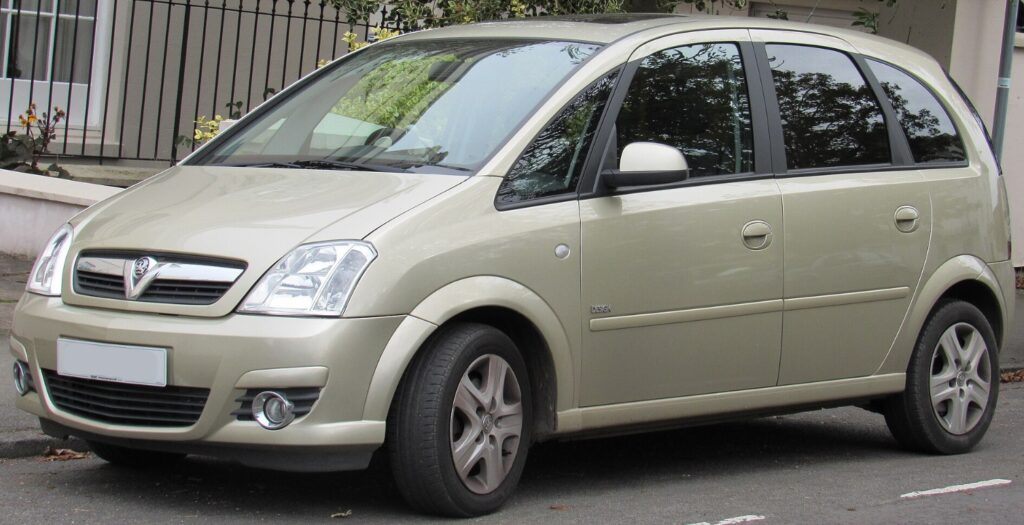
Seeing Vauxhall Meriva Code 21 appear on the dashboard can feel more dramatic than it really is. A number flashes up, the car beeps, and suddenly we wonder whether an expensive visit to the garage is waiting around the corner.
Fortunately, Code 21 is normally one of the simpler warnings a Vauxhall Meriva can display.
On the Meriva B, Code 21 means “left sidelight failure.” In other words, the vehicle has detected a problem with the small position light on the left-hand side of the car. Vauxhall’s official Meriva owner’s manual lists Code 21 as a left sidelight failure, while Code 22 refers to the equivalent light on the right-hand side.
The solution is often as straightforward as replacing a small bulb. However, the warning can occasionally remain even when the light appears to work. That is where dirty contacts, corrosion, loose bulb holders, incorrect LED bulbs, wiring damage, or resistance problems enter the picture.
In this guide, we will explain what Vauxhall Meriva Code 21 means, how to identify the affected light, how to replace it, and what to inspect when a new bulb does not clear the warning.
Content in this publication
- What Does Vauxhall Meriva Code 21 Mean?
- Is Code 21 the Left Indicator Warning?
- Which Side of the Car Does “Left” Mean?
- What Is a Sidelight?
- Where Is the Code 21 Bulb Located?
- Common Symptoms Accompanying Code 21
- The Most Common Cause: A Blown Sidelight Bulb
- How to Confirm the Left Sidelight Has Failed
- How to Replace the Vauxhall Meriva Code 21 Bulb
- Does Vauxhall Meriva Code 21 Reset Automatically?
- Why Code 21 May Stay After Replacing the Bulb
- Vauxhall Meriva Code 21 After Installing LED Bulbs
- What If the Left Sidelight Still Works?
- How to Inspect and Clean the Bulb Holder
- Could a Fuse Cause Code 21?
- Can a Weak Battery Trigger Code 21?
- Can We Continue Driving With Code 21?
- Will Code 21 Cause an MOT Failure?
- Code 21 Compared With Other Meriva Lighting Codes
- A Practical Diagnostic Order
- When Should We Use a Multimeter?
- When Is Professional Repair Necessary?
- How Much Does It Cost to Fix Vauxhall Meriva Code 21?
- How to Prevent Code 21 From Returning
- Common Mistakes to Avoid
- Final Thoughts on Vauxhall Meriva Code 21
- Frequently Asked Questions
What Does Vauxhall Meriva Code 21 Mean?
Vauxhall Meriva Code 21 indicates that the car has detected a failure in the left sidelight circuit.
Sidelights are also commonly called:
- Position lights
- Parking lights
- Front position lamps
- Small lights
- Marker lights
Depending on the Meriva’s specification and lighting configuration, the same bulb or lamp assembly may also contribute to the daytime running light function.
The warning does not normally indicate an engine, gearbox, battery, or braking problem. It belongs to the vehicle’s exterior-light monitoring system.
The Meriva checks the electrical load in the lighting circuit. When the control system detects an abnormal electrical reading, it assumes that a bulb has failed and displays Code 21 in the Driver Information Centre.
Is Code 21 the Left Indicator Warning?
No. This is a common source of confusion.
On the Vauxhall Meriva B warning-code list:
- Code 21: Left sidelight failure
- Code 22: Right sidelight failure
- Code 25: Left front turn signal failure
- Code 26: Left rear turn signal failure
- Code 27: Right front turn signal failure
- Code 28: Right rear turn signal failure
Therefore, Code 21 should not normally be interpreted as a failed left indicator. The official warning-code table clearly separates sidelights from turn signals.
Why does the confusion happen? Many online discussions mix warning codes from different Vauxhall or Opel models. Some owners also mistake the small sidelight bulb for part of the indicator because both sit inside or near the same headlamp housing.
The safest approach is to follow the code list for the exact Meriva generation and model year.
Which Side of the Car Does “Left” Mean?
In automotive terminology, left and right are determined from the perspective of someone sitting in the vehicle and looking forward.
That means:
- Left side: Passenger side on a right-hand-drive UK Vauxhall Meriva
- Right side: Driver side on a right-hand-drive UK Vauxhall Meriva
Standing in front of the car and facing it can make things confusing because the vehicle’s left side will appear on our right.
A simple trick is to sit mentally behind the steering wheel. The side beside the front passenger is the vehicle’s left side on a UK model.
What Is a Sidelight?
A sidelight is a relatively low-powered exterior lamp designed to make the vehicle visible rather than illuminate the road ahead.
It is not as bright as the dipped beam headlight. Think of it as the car quietly announcing, “I am here,” rather than shining a torch down the road.
Sidelights are commonly used:
- Around dusk
- In poor visibility
- When parking on certain roads
- Alongside dipped headlights
- As part of a daytime running light arrangement on some versions
When one fails, the difference may be difficult to notice in daylight. This is why Code 21 can appear even though the headlights seem completely normal at first glance.
Where Is the Code 21 Bulb Located?
On a Meriva equipped with conventional halogen headlights, the sidelight or daytime running light bulb is normally positioned inside the left headlamp unit.
Access is generally from the engine compartment.
The exact layout can vary according to:
- Model year
- Headlight type
- Trim level
- Halogen or adaptive lighting equipment
- Market specification
- Previous headlight modifications
Vauxhall’s manual describes the sidelight/daytime running light bulb holder as a removable holder that is rotated anticlockwise and withdrawn from the headlamp reflector.
Before buying a replacement, we should inspect the existing bulb or confirm its specification using the vehicle registration, VIN, owner’s manual, or a reliable parts catalogue.
Common Symptoms Accompanying Code 21
The dashboard code may be the only obvious symptom. In other cases, we might notice several clues.
Typical symptoms include:
- Code 21 appearing after starting the car
- A warning chime
- The left sidelight not illuminating
- One side looking dimmer than the other
- The warning appearing when the lights are switched on
- The warning disappearing and returning intermittently
- A bulb that works when tapped or moved
- Flickering from the left headlamp assembly
- Code 21 appearing after LED bulbs were installed
- The code remaining after bulb replacement
An intermittent warning is particularly useful diagnostically. A completely failed bulb usually creates a constant warning, while a warning that comes and goes often points toward a poor connection, oxidised contact, or loose bulb holder.
The Most Common Cause: A Blown Sidelight Bulb
The most likely cause is simply a burned-out bulb.
Bulbs contain a small filament that heats and produces light. Over time, repeated heating, cooling, vibration, and voltage changes weaken the filament until it breaks.
The bulb may also look cloudy, blackened, or silver inside the glass. However, visual inspection is not always reliable. A filament can develop a tiny break that is difficult to see, or it may reconnect temporarily when the bulb is moved.
Replacing the bulb is therefore usually the best first step, especially when it is inexpensive and easy to access.
Why a Bulb Can Fail Without Warning
Bulb life is affected by more than age. Premature failure can result from:
- Constant vibration
- Poor-quality bulbs
- Excessive alternator voltage
- Moisture inside the headlamp
- Loose bulb holders
- Dirty electrical contacts
- Touching the glass of certain bulbs with bare fingers
- Frequent short journeys with repeated switching
- Cheap aftermarket electrical modifications
A bulb is rather like a paper clip repeatedly bent back and forth. It may look fine for a long time, but each cycle brings it slightly closer to breaking.
How to Confirm the Left Sidelight Has Failed
Before removing anything, perform a basic lighting test.
Step 1: Park Safely
Park the Meriva on a flat surface, switch off the engine, apply the parking brake, and make sure the car cannot move.
Step 2: Switch On the Sidelights
Turn the lighting control to the sidelight or parking-light position.
Step 3: Compare Both Front Lights
Stand in front of the vehicle and compare the small left and right position lamps.
Look for:
- One lamp completely off
- One lamp noticeably dimmer
- Flickering
- A yellow or discoloured appearance
- Delayed illumination
Step 4: Inspect the Rear Lights
Although Code 21 officially refers to the left sidelight, it is still sensible to check every exterior light. Owners sometimes overlook a second failed bulb or misunderstand which lamp is being monitored.
Step 5: Repeat the Test With the Engine Running
Some lighting faults only appear once the engine is running and the charging voltage rises. Repeat the comparison while keeping hands, clothing, and tools away from moving engine components.
How to Replace the Vauxhall Meriva Code 21 Bulb
The procedure is normally manageable at home, although access can feel tight. The engine bay sometimes seems designed for hands the size of teaspoons, so patience matters more than strength.
Tools and Parts We May Need
Prepare the following:
- Correct replacement bulb
- Protective gloves
- Clean cloth
- Small torch
- Electrical contact cleaner, if required
- Basic screwdriver set, depending on the configuration
- Owner’s manual
Use a bulb that matches the original specification. Do not guess based only on appearance, because bulbs that look similar can have different wattages, bases, and electrical characteristics.
Step-by-Step Replacement Process
1. Switch Everything Off
Turn off the ignition and exterior lights. Remove the key and allow the lighting components to cool.
Vauxhall advises switching off the ignition and the relevant light switch before bulb replacement. The manual also recommends using the same bulb type as the original.
2. Open the Bonnet
Release the bonnet from inside the vehicle, lift it carefully, and secure it correctly.
3. Locate the Left Headlamp Unit
On a UK right-hand-drive Meriva, this is normally the passenger-side headlamp.
4. Identify the Sidelight Bulb Holder
The sidelight holder is smaller than the main dipped-beam bulb assembly. Avoid removing random connectors by force.
Consult the headlamp diagram in the owner’s manual when the holder is not immediately obvious.
5. Rotate the Holder Anticlockwise
The official procedure states that the sidelight/daytime running light holder should be turned anticlockwise and removed.
Use steady pressure. If it refuses to move, check whether a locking tab or surrounding component is restricting access.
6. Remove the Old Bulb
Detach the bulb from its holder. Depending on the bulb design, it may pull straight out or release with a slight twist.
7. Inspect the Holder
Before inserting the new bulb, look for:
- Green corrosion
- Black burn marks
- Melted plastic
- Loose metal terminals
- Moisture
- Bent contacts
- Dirt or grease
A damaged holder can trigger Code 21 even with a perfectly good bulb.
8. Fit the New Bulb
Install a matching replacement securely.
The Meriva manual warns against touching bulb glass with bare hands and recommends holding a new bulb by its base.
9. Reinstall the Bulb Holder
Insert the holder into the reflector and rotate it clockwise until secure.
10. Test the Lights
Switch on the sidelights and confirm that both sides illuminate with similar brightness.
Does Vauxhall Meriva Code 21 Reset Automatically?
In most cases, yes.
Code 21 is generally a live lighting warning rather than a permanent diagnostic trouble code that always requires specialist equipment to erase. Once the car sees the correct electrical load from a functioning bulb, the warning should disappear.
The reset may happen:
- Immediately after switching on the lights
- After turning the ignition off and on
- After restarting the engine
- After one or two normal driving cycles
There is usually no need to disconnect the battery or use an OBD scanner merely to clear a simple bulb warning.
If Code 21 remains, the vehicle still detects an abnormal condition. Repeatedly clearing the display will not repair the underlying issue.
Why Code 21 May Stay After Replacing the Bulb
A new bulb does not automatically prove that the circuit is healthy. Several other problems can imitate a blown lamp.
Incorrect Bulb Specification
A bulb with the wrong wattage may illuminate but draw a different amount of current. The monitoring system can interpret that difference as a fault.
The lamp looks fine to us, yet electrically it is speaking with the wrong accent.
Always match:
- Voltage
- Wattage
- Bulb base
- Filament type
- Physical dimensions
- Approved application
Poor-Quality Replacement Bulb
Very cheap bulbs can have inconsistent resistance or weak internal connections. A new part can be faulty straight out of the packet.
Trying a known-quality bulb is a sensible diagnostic step.
Dirty or Corroded Contacts
Water vapour, road salt, age, and heat can corrode the bulb holder terminals.
Corrosion adds resistance to the circuit. That may reduce brightness or cause the control module to believe that the lamp has failed.
Loose Bulb Holder
If the holder does not lock into place, vibration can interrupt the electrical connection. The lamp may work while parked but fail over bumps.
Damaged Wiring
The wiring behind the headlamp can become:
- Chafed
- Stretched
- Pinched
- Heat-damaged
- Corroded
- Previously repaired badly
A broken wire may still make occasional contact, producing an intermittent Code 21.
Weak Earth Connection
Vehicle lighting circuits depend on a reliable earth connection. A poor earth can cause dim lamps, flickering, strange interactions between lights, or multiple bulb warnings.
Water Inside the Headlight
Condensation or water ingress can attack the bulb holder and connectors.
A small amount of temporary misting may occur under some conditions, but visible droplets, standing water, repeated condensation, or corrosion suggest a sealing or ventilation problem.
LED Conversion Bulbs
LED sidelights often consume much less power than traditional filament bulbs. The Meriva’s monitoring system may interpret this lower current draw as a failed lamp.
The LED can shine brightly while the dashboard still displays Code 21.
Vauxhall Meriva Code 21 After Installing LED Bulbs
LED conversions are among the most common reasons for a bulb warning when both lights appear to work.
Traditional filament bulbs create a predictable electrical load. LEDs need far less power, which is excellent for efficiency but can confuse a monitoring system designed around conventional bulbs.
Possible solutions include:
- Reinstalling standard filament bulbs
- Using compatible error-free LED bulbs
- Checking whether the LED is correctly polarised
- Using professionally selected load resistors
- Inspecting the holder for poor contact
- Avoiding unapproved lighting modifications
We should be cautious with external resistors. They can become extremely hot and may damage plastic, wiring, or surrounding components when installed incorrectly.
The simplest and safest solution is usually to return to the original bulb type unless there is a strong reason to use LEDs.
What If the Left Sidelight Still Works?
Sometimes Code 21 appears even though the lamp glows.
This does not necessarily mean the dashboard is wrong. The bulb or circuit may be operating near the threshold that triggers the monitoring system.
Possible explanations include:
- The bulb is beginning to fail
- The filament reconnects when warm
- The bulb is dimmer than normal
- The wrong wattage has been fitted
- Corrosion is increasing circuit resistance
- The holder loses contact during vibration
- An LED conversion draws too little current
- Moisture affects the connection intermittently
Compare the brightness carefully with the opposite side. A bulb that produces only 70% of normal output can look acceptable until we place both lamps side by side.
Replacing the bulb with a correct, known-quality unit is still the best first diagnostic step.
How to Inspect and Clean the Bulb Holder
When a new bulb does not solve the problem, inspect the holder closely.
Safe Cleaning Procedure
- Switch off the ignition and lights.
- Remove the bulb holder.
- Take out the bulb.
- Examine the terminals under good lighting.
- Apply electrical contact cleaner sparingly.
- Allow the cleaner to evaporate fully.
- Refit the bulb securely.
- Lock the holder back into position.
- Test the system.
Do not use water, household cleaner, heavy grease, abrasive tools, or excessive force.
If the terminals are burned, loose, or badly corroded, cleaning may provide only a temporary improvement. Replacement of the holder or connector may be necessary.
Could a Fuse Cause Code 21?
It is possible, but a fuse is not the first suspect when only one sidelight warning appears.
A blown fuse often disables more than one component, depending on how the circuit is arranged. If only the left sidelight is affected and every related lamp works normally, the bulb, holder, or local wiring is more likely.
Check the appropriate fuse when:
- Several lights have stopped working
- The replacement bulb does not illuminate at all
- There is no voltage at the bulb holder
- A short circuit may have occurred
- The fuse blows repeatedly
Never replace a fuse with one of a higher rating. The fuse protects the wiring, and installing an oversized fuse is like replacing a smoke alarm with earplugs.
A fuse that repeatedly blows indicates an electrical fault requiring diagnosis.
Can a Weak Battery Trigger Code 21?
Low voltage can sometimes produce unusual warning messages, particularly during starting. However, Code 21 specifically points toward the left sidelight circuit, so we should inspect the light first.
Battery or charging-system testing becomes more relevant when:
- Multiple warning codes appear together
- The engine cranks slowly
- Interior lights dim heavily during starting
- The dashboard resets
- The warning changes unpredictably
- The battery is old
- The alternator output is unstable
The Meriva has a separate low-battery warning code, listed as Code 174 in the official manual.
Therefore, a weak battery is possible background noise, but it is rarely the main explanation for an isolated Code 21.
Can We Continue Driving With Code 21?
The vehicle will usually continue to drive normally because Code 21 does not indicate a mechanical breakdown.
However, ignoring it is not ideal.
A failed sidelight can:
- Reduce visibility to other road users
- Make the car look narrower in darkness
- Create a roadworthiness issue
- Contribute to an MOT failure
- Hide a wiring or moisture problem
- Make it harder to notice a second bulb failure
Driving during daylight to obtain a replacement bulb may be reasonable when all essential lights function. Driving at night or in poor visibility with defective exterior lighting is a different matter.
Fix the problem promptly rather than allowing a minor warning to become permanent dashboard wallpaper.
Will Code 21 Cause an MOT Failure?
A defective obligatory position lamp can cause an MOT problem in the UK.
The exact result depends on which lamp is affected, the vehicle specification, the test requirements, and whether the lamp illuminates correctly during inspection.
Even when the dashboard warning itself is intermittent, the lamp should be repaired before the test. A bulb costs little compared with the inconvenience of a failed inspection and retest.
Check all exterior lighting before an MOT, including:
- Sidelights
- Dipped beams
- Main beams
- Indicators
- Brake lights
- Rear lights
- Fog lights
- Number-plate lights
- Reversing lights, where applicable
Code 21 Compared With Other Meriva Lighting Codes
Understanding neighbouring codes prevents us from replacing the wrong bulb.
| Code | Meaning |
|---|---|
| 15 | Centre high-mounted brake-light failure |
| 16 | Brake-light failure |
| 17 | Headlight-levelling malfunction |
| 18 | Left low-beam failure |
| 19 | Rear fog-light failure |
| 20 | Right low-beam failure |
| 21 | Left sidelight failure |
| 22 | Right sidelight failure |
| 23 | Reversing-light failure |
| 24 | Number-plate-light failure |
| 25 | Left front turn-signal failure |
| 26 | Left rear turn-signal failure |
| 27 | Right front turn-signal failure |
| 28 | Right rear turn-signal failure |
These definitions come from the vehicle-message section of the Vauxhall Meriva owner’s manual.
The table also explains why generic internet answers can be misleading. Code 18 is not the same as Code 21, and Code 25—not Code 21—is the left front indicator warning on the Meriva B.
A Practical Diagnostic Order
When Code 21 appears, work from the simplest and cheapest possibility toward the more complicated ones.
Recommended Troubleshooting Sequence
- Confirm that Code 21 is displayed.
- Switch on the sidelights.
- Compare the left and right lamps.
- Remove and inspect the left sidelight bulb.
- Install the correct new bulb.
- Check that the holder locks properly.
- Restart the vehicle and retest.
- Clean minor corrosion from the contacts.
- Remove incompatible LED bulbs.
- Inspect the connector and visible wiring.
- Test voltage and earth at the holder.
- Seek professional electrical diagnosis if the warning remains.
This order prevents us from turning a five-minute bulb replacement into an afternoon of unnecessary dismantling.
When Should We Use a Multimeter?
A multimeter becomes useful when the bulb and holder appear normal but the lamp does not work or the warning persists.
Basic tests can establish:
- Whether voltage reaches the bulb holder
- Whether the earth path is sound
- Whether the circuit is intermittent
- Whether charging voltage is excessive
- Whether resistance exists across a damaged connection
Electrical testing should be performed carefully. Accidentally shorting terminals can blow a fuse or damage electronic components.
When we are not comfortable reading wiring diagrams or testing live circuits, this is the point where a qualified technician earns their fee.
When Is Professional Repair Necessary?
Book a garage or automotive electrician when:
- A correct new bulb does not solve the problem
- The holder is melted
- The connector is burned
- Wiring insulation is damaged
- Water repeatedly enters the headlamp
- Several lighting codes appear together
- A fuse keeps blowing
- The light flickers while driving
- There is no voltage at the holder
- Previous modifications are visible
- The warning returns immediately after repair
A technician can test the circuit under load, check continuity, inspect earth points, and determine whether the body control electronics are receiving the expected electrical signal.
Control-module failure is possible, but it should not be the first conclusion. Bulbs, holders, connections, and wiring are much more common causes.
How Much Does It Cost to Fix Vauxhall Meriva Code 21?
The cost depends on the underlying fault.
Approximate repair categories include:
- Replacement bulb: Usually inexpensive
- Professional bulb fitting: Small labour charge
- Bulb holder replacement: Moderate parts and labour cost
- Connector repair: Depends on wiring damage
- Headlamp moisture repair: Varies according to sealing damage
- Complete headlamp replacement: Considerably more expensive
- Electrical diagnosis: Usually charged by labour time
Most owners will be dealing with the cheapest scenario: a simple failed bulb.
We should avoid buying a complete headlight assembly before the circuit has been tested. Replacing expensive parts without diagnosis is like changing the entire front door because the key sticks.
How to Prevent Code 21 From Returning
No bulb lasts forever, but sensible maintenance reduces repeat failures.
Use Quality Bulbs
Choose bulbs from a reputable manufacturer and match the original specification.
Keep the Headlamp Dry
Investigate persistent condensation, damaged rear covers, blocked vents, or cracked housings.
Secure the Bulb Holder
A loose holder allows vibration and intermittent contact.
Avoid Poor LED Conversions
Use only compatible, legally appropriate lighting components.
Check Charging Voltage
Repeated bulb failures can occasionally indicate overcharging.
Inspect Both Sides
When one old bulb fails, the matching bulb may not be far behind. Replacing bulbs in pairs can provide more balanced colour and brightness, although this depends on bulb type and condition.
Do Not Touch Bulb Glass
Oils from our skin can create local hot spots on certain bulbs and shorten their service life.
Common Mistakes to Avoid
Code 21 is simple, but several mistakes can waste time.
Avoid:
- Replacing the left indicator instead of the sidelight
- Working on the wrong side of the car
- Installing a bulb with the wrong wattage
- Assuming a glowing LED means the circuit is compatible
- Forcing a stuck bulb holder
- Spraying household cleaner into the connector
- Disconnecting the battery unnecessarily
- Fitting a larger fuse
- Ignoring water inside the headlamp
- Buying a complete headlight before testing the holder
- Clearing the warning without fixing the fault
The goal is not merely to make the message disappear. The goal is to restore dependable exterior lighting.
Final Thoughts on Vauxhall Meriva Code 21
Vauxhall Meriva Code 21 means that the vehicle has detected a problem with the left sidelight.
In most cases, the repair is refreshingly ordinary: inspect the left position lamp, install the correct replacement bulb, refit the holder securely, and restart the vehicle. The warning will normally clear once the system detects the proper electrical load.
When the code remains despite a working new bulb, focus on the bulb specification, holder contacts, corrosion, moisture, wiring, earth connection, and aftermarket LED compatibility.
Code 21 may look mysterious on the dashboard, but it is usually the car’s way of pointing a finger at one small lamp. Start with the bulb, work logically, and resist replacing expensive components before completing the basic checks.
Frequently Asked Questions
What does Code 21 mean on a Vauxhall Meriva?
Code 21 means left sidelight failure on the Vauxhall Meriva B. The car has detected an abnormal electrical reading in the left position-light circuit, usually because the bulb has failed.
Is Vauxhall Meriva Code 21 an engine fault?
No. Code 21 is an exterior-lighting warning, not an engine fault code. It does not normally indicate a problem with the engine, transmission, fuel system, or emissions equipment.
Why does Code 21 remain when the bulb works?
The bulb may have the wrong wattage, produce insufficient resistance, make poor contact, or be an incompatible LED. Corrosion, a loose holder, damaged wiring, moisture, or a weak earth connection can also keep the warning active.
Do we need a diagnostic scanner to clear Code 21?
Usually not. The warning should clear automatically after the lighting circuit works correctly. Switching the ignition off and restarting the vehicle may be necessary after replacing the bulb.
Can we drive a Vauxhall Meriva with Code 21 showing?
The vehicle will generally continue to drive, but the defective sidelight should be repaired promptly. A failed exterior lamp reduces visibility and may create an MOT or road-legality issue, particularly when driving at night or in poor weather.
If you want to know other articles similar to Vauxhall Meriva Code 21: Meaning, Causes, and Easy Fixes you can visit the category Service and Parts.
MG HS Tyre Pressure Guide: Correct PSI and TPMS
Toyota Yaris Cross Dashboard Symbols

BMW 3 Series Warning Lights: The Complete Guide to Understanding Every Dashboard Symbol
Nissan Qashqai Fuel Tank Capacity: Complete Guide

Suzuki Swift Fuel Tank Capacity: Complete Guide
Mazda CX-5 Weight (2013–2026): Complete Guide in Pounds and KG
Leave a Reply
More content of your interest