

What Coolant for Hyundai i30? The Complete Owner’s Guide

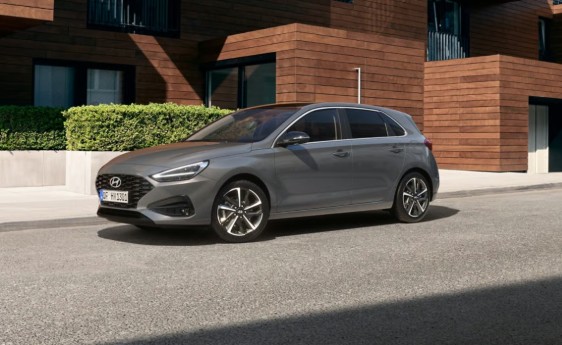
When it comes to keeping your engine healthy, choosing the right coolant isn’t just a minor detail—it’s the difference between smooth driving and costly repairs. If you own a Hyundai i30, you’ve probably wondered: what coolant should I actually use?
Let’s break it down together in a simple, practical, and no-nonsense way—like we’re standing next to the car with the hood open.
Content in this publication
- Why Coolant Matters More Than You Think
- The Recommended Coolant for Hyundai i30
- Understanding Coolant Types (Without the Confusion)
- Coolant Colors: Do They Matter?
- What Happens If You Use the Wrong Coolant?
- Coolant Specifications for Different i30 Generations
- How Much Coolant Does a Hyundai i30 Need?
- Coolant Mix Ratio: Getting It Right
- How Often Should You Change Coolant?
- Signs Your Coolant Needs Replacing
- How to Check Your Coolant Level
- Can You Top Up Instead of Replacing?
- Best Coolant Brands for Hyundai i30
- DIY Coolant Replacement: Should You Do It?
- Common Mistakes to Avoid
- Coolant vs Antifreeze: Are They the Same?
- Does Climate Affect Coolant Choice?
- Final Thoughts: Keep It Simple, Keep It Correct
- FAQs
- Conclusion
Why Coolant Matters More Than You Think
Coolant is the unsung hero of your engine. It’s not just “colored water”—it regulates temperature, prevents corrosion, and protects vital components.
Think of it as your engine’s bloodstream. Without the right one, things overheat… literally.
What Coolant Does Inside Your Engine
- Prevents overheating in summer
- Stops freezing in winter
- Protects metal components from rust
- Lubricates the water pump
- Maintains stable engine performance
The Recommended Coolant for Hyundai i30
Here’s the short answer:
👉 Most Hyundai i30 models require HOAT (Hybrid Organic Acid Technology) coolant, typically green or blue depending on the region and generation.
Factory Recommendation
Hyundai Motor Company usually specifies:
- Ethylene glycol-based coolant
- Phosphate-based HOAT formula
- Long-life coolant (LLC)
Understanding Coolant Types (Without the Confusion)
Let’s simplify the jargon. Coolants come in a few main types, and choosing the wrong one can cause internal damage.
1. IAT (Inorganic Acid Technology)
- Old-school coolant
- Usually green
- Needs frequent changes
👉 Not recommended for modern i30 engines
2. OAT (Organic Acid Technology)
- Long-life coolant
- Often orange or red
- Better corrosion protection
👉 Sometimes compatible, but not always ideal for Hyundai
3. HOAT (Hybrid Organic Acid Technology)
- Mix of IAT and OAT benefits
- Typically blue or green
- Long-lasting and engine-friendly
👉 ✅ Best choice for Hyundai i30
Coolant Colors: Do They Matter?
Here’s where things get tricky.
Color is not a guarantee, but it’s a helpful clue.
Typical Hyundai i30 Coolant Colors
- Blue → Common in newer models
- Green → Found in older versions
⚠️ Important: Never mix different coolant types—even if the color looks similar.
What Happens If You Use the Wrong Coolant?
Let’s not sugarcoat it—it can get expensive.
Potential Problems
- Engine overheating
- Corrosion inside radiator
- Water pump failure
- Blocked cooling passages
- Head gasket damage
It’s like feeding your body the wrong fuel—you might survive for a while, but eventually, something breaks.
Coolant Specifications for Different i30 Generations
Not all i30s are identical. Let’s break it down.
First Generation (2007–2012)
- Typically uses green HOAT coolant
- Standard ethylene glycol mix
Second Generation (2012–2017)
- Transition to long-life blue coolant
- Better corrosion protection
Third Generation (2017–Present)
- Requires blue phosphate-based HOAT coolant
- Extended service intervals
How Much Coolant Does a Hyundai i30 Need?
Capacity varies slightly depending on engine size.
Typical Coolant Capacity
- 1.4L / 1.6L engines: ~5–6 liters
- Diesel engines: ~6–7 liters
👉 Always check your owner’s manual for exact figures.
Coolant Mix Ratio: Getting It Right
Most coolants come pre-mixed, but if you’re using concentrate:
Recommended Ratio
- 50% coolant
- 50% distilled water
Why It Matters
- Too much water → weak protection
- Too much coolant → poor heat transfer
Balance is everything.
How Often Should You Change Coolant?
Modern coolants last longer, but they don’t last forever.
General Guidelines
- Every 5 years or 100,000 km (long-life coolant)
- Earlier if coolant looks dirty or rusty
Signs Your Coolant Needs Replacing
Your car gives clues—if you know where to look.
Watch for These Signs
- Engine running hotter than usual
- Brown or rusty coolant
- Sweet smell from engine bay
- Low coolant level frequently
- Visible leaks
How to Check Your Coolant Level
This takes less than a minute.
Quick Steps
- Wait until the engine is cold
- Open the hood
- Locate the coolant reservoir
- Check level between MIN and MAX
👉 Never open the radiator cap when hot—seriously.
Can You Top Up Instead of Replacing?
Yes—but only in certain situations.
When Topping Up Is OK
- Coolant is clean
- Same type is used
- Level is slightly low
When Full Replacement Is Better
- Coolant is old or contaminated
- You don’t know what’s inside
- System has been repaired
Best Coolant Brands for Hyundai i30
You don’t need to overthink it—just stick to quality brands.
Reliable Options
- Genuine Hyundai coolant
- Prestone (Asian vehicles formula)
- Zerex Asian Vehicle coolant
- Castrol Radicool
👉 Look for “Asian Vehicle” or “HOAT compatible” on the label.
DIY Coolant Replacement: Should You Do It?
If you’re comfortable with basic car maintenance, it’s doable.
Basic Process
- Drain old coolant
- Flush system
- Refill with new coolant
- Bleed air from system
But if you’re unsure, a mechanic can do it quickly and safely.
Common Mistakes to Avoid
Let’s save you some headaches.
Avoid These Errors
- Mixing different coolant types
- Using tap water instead of distilled
- Ignoring leaks
- Overfilling the reservoir
- Skipping coolant changes
Coolant vs Antifreeze: Are They the Same?
Not exactly.
Key Difference
- Antifreeze → concentrated liquid
- Coolant → antifreeze + water mixture
So when we say “coolant,” we usually mean the ready-to-use mix.
Does Climate Affect Coolant Choice?
Yes—but not as much as you think.
Whether you’re driving in hot cities or colder regions, the standard 50/50 mix works perfectly.
Modern coolants are designed for a wide range of temperatures.
Final Thoughts: Keep It Simple, Keep It Correct
Choosing the right coolant for your Hyundai i30 isn’t complicated once you understand the basics.
Stick to:
- HOAT coolant
- Blue or green (as specified)
- Trusted brands
- Proper maintenance intervals
Treat your engine well, and it’ll return the favor with years of reliable performance.
FAQs
1. Can I use universal coolant in a Hyundai i30?
You can, but it’s not ideal. Always choose HOAT coolant designed for Asian vehicles.
2. What color coolant does a Hyundai i30 use?
Typically blue or green, depending on the model year.
3. Can I mix blue and green coolant?
No. Even if both are HOAT, mixing can reduce effectiveness.
4. How do I know if my coolant is wrong?
Signs include overheating, corrosion, or sludge in the reservoir.
5. Is distilled water necessary?
Yes. Tap water contains minerals that can damage your cooling system.
Conclusion
At the end of the day, coolant is one of those small decisions that makes a big difference. Choose wisely, maintain regularly, and your Hyundai i30 will stay cool under pressure—literally and figuratively.
If you want to know other articles similar to What Coolant for Hyundai i30? The Complete Owner’s Guide you can visit the category Service and Parts.
Nissan Rogue Oil Change Cost: Prices, Service Options, and What to Expect
Nissan Rogue Key Battery Replacement: Easy Step-by-Step Guide
Nissan Rogue Oil Change Interval: Complete Guide by Model Year
Nissan Rogue Brake Pads and Rotors Cost: Complete 2026 Guide

Kia Sorento Service Reset: How to Reset the Service Light
Kia Sorento Fuel Tank Capacity: Gallons, Litres and Model Differences
Leave a Reply
More content of your interest