
BMW i3 vs i3S: Which Electric Hatchback Truly Deserves Your Garage?

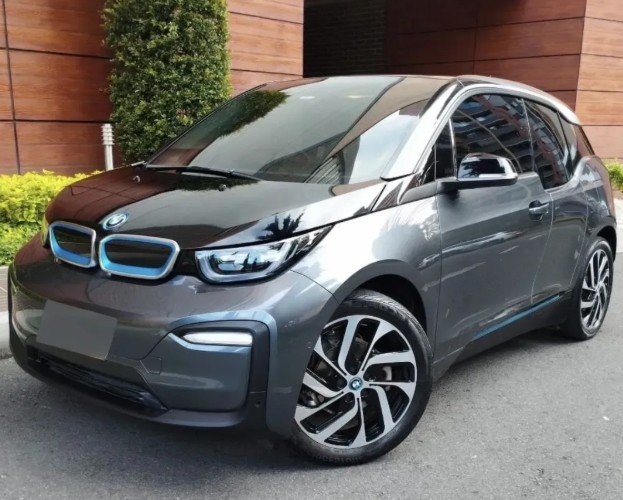
The electric car world moves fast. One year a vehicle feels futuristic, and the next it looks like an outdated smartphone on wheels. Yet somehow, the BMW i3 continues to stand out like a minimalist art sculpture parked in a sea of ordinary crossovers. Even today, people still debate one question endlessly: should we choose the standard BMW i3 or the sportier BMW i3S?
At first glance, they look almost identical. Same quirky shape. Same futuristic cabin. Same carbon-fiber construction that still feels ahead of its time. But beneath the surface, these two EVs behave like siblings with wildly different personalities.
The standard i3 is calm, efficient, and surprisingly practical. The i3S, meanwhile, arrives with sharper reflexes and a mischievous grin, like it drank three espressos before leaving the factory.
So which one actually makes more sense in the real world?
That’s exactly what we’re about to unpack.
Content in this publication
- Why the BMW i3 Still Feels Special Today
- BMW i3 vs i3S at a Glance
- Exterior Styling Differences
- Performance Comparison: Does the i3S Feel Faster?
- Driving Dynamics: The Biggest Difference
- Ride Comfort: Which One Feels Better Daily?
- Battery and Range Differences
- Does the i3S Have Less Range?
- Real-World Driving Experience
- Interior Comparison
- Technology and Features
- Range Extender Models Explained
- Reliability: Is One Better Than the Other?
- Tires: A Bigger Deal Than Most Expect
- Charging Speed and Daily Usability
- Used Market Pricing
- Who Should Buy the Standard BMW i3?
- Who Should Buy the BMW i3S?
- BMW i3 vs i3S: Which One Is More Fun?
- The Emotional Side of Ownership
- Final Verdict: BMW i3 or i3S?
- FAQs
Why the BMW i3 Still Feels Special Today
Most EVs blend together visually. Smooth curves, giant screens, silent acceleration — rinse and repeat. But the BMW i3 never followed the crowd.
When BMW launched the i3 in 2013, it looked like a concept car that escaped an auto show. Lightweight carbon-fiber reinforced plastic, rear-wheel drive, sustainable materials, and a tiny turning radius gave it an identity unlike anything else.
Even years later, it still feels refreshing.
Here’s what makes the i3 lineup unique:
- Carbon-fiber passenger cell
- Rear-wheel-drive layout
- Ultra-lightweight construction
- Sustainable interior materials
- Compact city-friendly dimensions
- Instant electric torque
- Distinctive futuristic styling
The i3S takes all of that and adds a more aggressive flavor.
BMW i3 vs i3S at a Glance
Before diving deeper, let’s simplify the key differences.
| Feature | BMW i3 | BMW i3S |
|---|---|---|
| Power Output | 170 hp | 184 hp |
| Torque | 184 lb-ft | 199 lb-ft |
| Suspension | Standard | Sport-tuned |
| Ride Height | Higher | 10mm lower |
| Track Width | Narrower | Wider |
| Wheels | Slim eco-focused tires | Wider sporty tires |
| Driving Feel | Relaxed and efficient | Sharper and more dynamic |
| 0-60 mph | Around 7.2 sec | Around 6.8 sec |
| Range | Slightly better | Slightly lower |
| Styling | Clean and futuristic | Sportier appearance |
On paper, the gap seems small. On the road, it feels larger than the numbers suggest.
Exterior Styling Differences
The i3 Looks Friendly
The standard BMW i3 has a cheerful personality. Its tall stance and narrow tires almost make it resemble a futuristic pod car from a sci-fi film.
It’s unconventional in the best way possible.
For many drivers, that charm is exactly why they love it.
The i3S Looks More Aggressive
The i3S changes the mood immediately.
BMW widened the track, lowered the suspension slightly, and added sportier bumpers. Those changes sound subtle, but visually they transform the car.
The i3S appears:
- Wider
- Lower
- More planted
- More athletic
It’s like comparing running shoes to racing sneakers. Same DNA, different intent.
Performance Comparison: Does the i3S Feel Faster?
Absolutely.
The difference isn’t night and day, but it’s noticeable the moment we touch the accelerator.
Standard BMW i3 Performance
The regular i3 delivers instant electric torque in classic EV fashion. It feels eager around town and surprisingly quick in city traffic.
Because the car is lightweight, acceleration feels more energetic than the numbers imply.
The standard i3 excels at:
- Urban commuting
- Stop-and-go traffic
- Efficient cruising
- Smooth daily driving
BMW i3S Performance
The i3S turns the excitement dial upward.
BMW added:
- More horsepower
- More torque
- Sport suspension
- Revised traction control
- Wider tires
The result? The car feels noticeably more alive.
Acceleration becomes punchier, steering feels tighter, and cornering inspires more confidence.
The i3S doesn’t suddenly become an M car, but it does feel like the BMW engineers loosened their ties and had a little fun.
Driving Dynamics: The Biggest Difference
This is where the i3S truly separates itself.
The Standard i3 Prioritizes Comfort
The regular i3 glides through urban environments beautifully. It’s nimble, easy to park, and extremely maneuverable.
Thanks to its ultra-tight turning circle, city driving feels effortless.
However, the skinny tires can feel nervous at higher speeds or during aggressive cornering.
The i3S Feels More Stable
The i3S addresses many of those concerns.
Its wider track and upgraded suspension improve:
- Stability
- Steering confidence
- Cornering grip
- Highway composure
The difference becomes obvious on winding roads.
The standard i3 dances lightly. The i3S digs in harder and feels more composed.
If the normal i3 feels like a clever urban gadget, the i3S feels like a genuine hot hatch experiment from BMW’s electric division.
Ride Comfort: Which One Feels Better Daily?
This category depends heavily on personal preference.
BMW i3 Comfort
The standard i3 rides softer and absorbs rough roads better.
That makes it ideal for:
- City commuters
- Drivers prioritizing comfort
- Areas with poor roads
- Relaxed driving styles
BMW i3S Comfort
The i3S suspension is firmer.
You may be interested in reading BMW i3 vs iX3: Which Electric BMW Fits Your Lifestyle Best?
Not brutally stiff, but definitely sportier.
You’ll notice:
- More road feel
- Sharper impacts
- Tighter body control
Some drivers love that connected sensation. Others may find the standard i3 more relaxing for everyday use.
Battery and Range Differences
Range anxiety still matters, even today.
Fortunately, both cars offer respectable usability depending on battery size and model year.
Battery Versions Available
Over the years, both the i3 and i3S came with multiple battery options:
60 Ah Models
- Earliest versions
- Lowest range
- Best suited for city driving
94 Ah Models
- Significant improvement
- Better real-world usability
120 Ah Models
- Best overall range
- Most desirable used option
- Ideal for modern EV ownership
Does the i3S Have Less Range?
Technically, yes.
Because the i3S has:
- Wider tires
- More aggressive tuning
- Slightly increased performance
…it usually delivers slightly lower efficiency.
But in real-world driving, the difference often feels minor.
We’re typically talking about a small reduction rather than a dramatic sacrifice.
For many drivers, the improved handling easily justifies the tradeoff.
Real-World Driving Experience
This is where statistics stop mattering and personality takes over.
Driving the Standard i3
The standard i3 feels:
- Light
- Airy
- Relaxed
- Effortless
Visibility is excellent, the cabin feels spacious, and the car practically pirouettes through traffic.
It behaves like a futuristic city appliance — in the best possible way.
Driving the i3S
The i3S injects emotion into the equation.
The steering sharpens. The acceleration hits harder. The chassis feels more serious.
Suddenly, errands become entertaining.
Even quick grocery runs feel slightly rebellious.
Interior Comparison
Interestingly, the cabins are nearly identical.
Both feature:
- Sustainable materials
- Open minimalist design
- Floating screens
- Lounge-like atmosphere
- Excellent visibility
The interior still feels modern years later because BMW avoided clutter.
Instead of overwhelming us with giant screens and unnecessary gimmicks, the i3 cabin focuses on simplicity.
i3S Interior Touches
The i3S adds a few sportier accents, including:
- Darker trim options
- Sportier detailing
- More aggressive wheel designs
Still, the experience remains largely the same inside.
Technology and Features
Even older i3 models remain surprisingly advanced.
Features may include:
- Adaptive cruise control
- Parking sensors
- Navigation
- Heated seats
- Apple CarPlay
- Harman Kardon audio
- Parking assist
The higher trim levels can feel genuinely premium.
BMW clearly intended the i3 to showcase innovation rather than simply compete with economy EVs.
Range Extender Models Explained
One fascinating part of the i3 story is the Range Extender, often called the REx.
What Is the Range Extender?
Some i3 and i3S models included a tiny gasoline engine that acted as a generator.
Important detail:
- It does NOT directly drive the wheels
- It only charges the battery
Think of it like carrying a backup power bank for your phone.
Why Drivers Loved the REx
The REx reduced anxiety dramatically.
Instead of panicking about charging stations, drivers gained an emergency safety net.
For many early EV adopters, this feature made electric ownership practical for the first time.
Reliability: Is One Better Than the Other?
Overall, both models share similar reliability because they use nearly identical core components.
However, ownership experiences vary based on:
- Battery age
- Maintenance history
- Tire condition
- Suspension wear
- Charging habits
Common BMW i3 Issues
Potential concerns include:
- Motor mount wear
- Air conditioning compressor failures
- Tire replacement costs
- 12V battery problems
- Charging system quirks
The i3S may experience slightly faster tire wear due to its sportier setup.
Still, both cars generally age better than many people expect.
You may be interested in readingBMW i3 vs iX3: Which Electric BMW Fits Your Lifestyle Best?You may be interested in reading
BMW i3 vs Chevy Bolt: Which Electric Hatchback Truly Wins?Tires: A Bigger Deal Than Most Expect
This topic deserves attention because i3 tires are unusual.
BMW designed the i3 with extremely narrow tires to maximize efficiency.
The i3S uses wider versions that improve grip but can cost more.
Things to Know About i3 Tires
- Unique tire sizes limit choices
- Replacement costs can surprise owners
- Wider i3S tires improve handling
- Winter traction depends heavily on tire selection
Some drivers love the quirky skinny tires. Others see them as one of the car’s biggest drawbacks.
Charging Speed and Daily Usability
Neither car competes with modern ultra-fast EV charging standards, but both remain practical for daily use.
Home Charging
For most owners, overnight charging works perfectly.
A Level 2 charger typically replenishes the battery comfortably by morning.
Fast Charging
DC fast charging helps during longer trips, though speeds are modest by modern standards.
Still, because the battery pack is relatively small, charging sessions can feel surprisingly manageable.
Used Market Pricing
The used EV market transformed the i3 into an intriguing bargain.
Why the i3 Represents Strong Value
Many buyers overlook the i3 because of:
- Its unusual styling
- Small size
- EV misconceptions
That creates opportunities.
We can often find premium engineering, carbon-fiber construction, and luxury features at prices far below newer EVs.
Why the i3S Costs More
The i3S commands higher prices because:
- It’s rarer
- It’s more desirable enthusiastically
- It offers better driving dynamics
- It looks sportier
Enthusiasts tend to gravitate toward the i3S quickly.
Who Should Buy the Standard BMW i3?
The regular i3 makes sense if we prioritize:
- Comfort
- Efficiency
- City driving
- Lower tire costs
- Relaxed commuting
- Maximum range
It feels perfectly suited to urban life.
For many people, the standard i3 already delivers more fun than expected.
Who Should Buy the BMW i3S?
The i3S works best for drivers who value:
- Sharper handling
- Faster acceleration
- Sportier styling
- Better highway stability
- More engaging driving dynamics
It’s the version for people who still want personality in their EV.
The i3S proves electric cars don’t have to feel emotionally sterile.
BMW i3 vs i3S: Which One Is More Fun?
Without question, the i3S.
The wider stance and revised tuning make it feel more confident and playful.
But here’s the twist: the standard i3 still feels fun too.
Because both cars are lightweight and rear-wheel drive, they already possess a playful spirit missing from many heavier EVs.
The i3S simply amplifies it.
The Emotional Side of Ownership
Owning an i3 feels different from owning most cars.
People ask questions at traffic lights. Parking attendants stare. Friends climb inside and say things like, “This still looks futuristic.”
The car creates conversation.
And in a world where many vehicles feel anonymous, that matters more than we sometimes admit.
The i3S adds extra excitement, while the standard i3 leans more into calm innovation.
Neither choice is wrong.
Final Verdict: BMW i3 or i3S?
Choosing between the BMW i3 and i3S ultimately depends on personality.
The standard i3 is clever, efficient, and wonderfully relaxing. It excels as an urban electric companion that still feels fresh years after launch.
The i3S, meanwhile, transforms the formula into something more emotional. Sharper handling, stronger acceleration, and improved road manners make it the enthusiast’s choice.
If we spend most of our time commuting calmly through crowded streets, the regular i3 probably makes more sense.
But if we crave a little excitement every time we press the accelerator, the i3S becomes incredibly tempting.
Either way, both vehicles remind us that electric cars can still have character — and perhaps that’s the i3’s greatest achievement of all.
FAQs
Is the BMW i3S faster than the regular i3?
Yes. The i3S produces more horsepower and torque, resulting in quicker acceleration and a more energetic driving feel.
Does the i3S have less range?
Usually slightly less. The wider tires and sportier tuning reduce efficiency a bit compared to the standard i3.
Is the BMW i3 reliable?
Generally yes, especially when properly maintained. Battery longevity is often better than many buyers expect.
Are BMW i3 tires expensive?
They can be. The i3 uses uncommon tire sizes, and replacement costs may be higher than standard compact cars.
You may be interested in readingBMW i3 vs iX3: Which Electric BMW Fits Your Lifestyle Best?You may be interested in reading
BMW i3 vs Chevy Bolt: Which Electric Hatchback Truly Wins?You may be interested in reading
BMW i3 or Tesla Model 3: Which Electric Car Truly Fits Your Life?Which is better for city driving: i3 or i3S?
The standard i3 is slightly more comfortable and efficient for urban commuting, while the i3S offers a sportier experience.
If you want to know other articles similar to BMW i3 vs i3S: Which Electric Hatchback Truly Deserves Your Garage? you can visit the category Models.
Land Rover Defender 90 Alternative: The Best Rivals Worth Considering
Land Rover Defender 90 Models: Complete Guide to Trims, Engines and Versions
Toyota Hilux Generations: Complete History, Evolution, and Key Differences
BMW M2 vs M340i: Which BMW Performance Car Should We Buy?
BMW M2 vs Porsche 911: Which Sports Car Makes More Sense?
BMW M2 vs Mustang GT: Which Performance Coupe Should We Buy?
Leave a Reply
More content of your interest