

Honda Accord MPG: The Complete Guide to Fuel Economy Across Every Generation

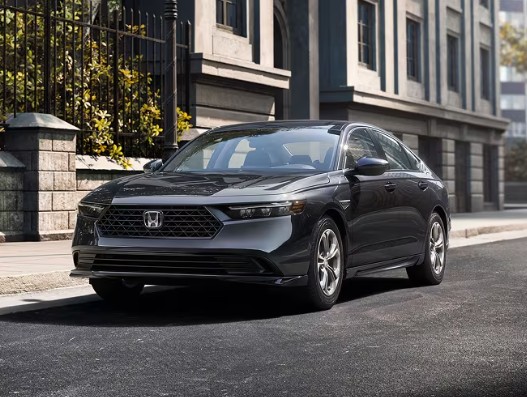
The Honda Accord has earned a reputation as one of the most balanced midsize sedans ever built. It blends reliability, comfort, technology, and efficiency into a package that appeals to commuters, families, and long-distance travelers alike. Yet among all its strengths, one question consistently rises to the top: What is the Honda Accord MPG?
Fuel economy matters more than ever. Whether we're battling rising fuel prices, planning road trips, or simply trying to reduce ownership costs, MPG (miles per gallon) remains one of the most important factors when choosing a vehicle.
In this comprehensive guide, we'll explore Honda Accord MPG ratings across different generations, engines, hybrid models, real-world performance, and practical tips to maximize fuel efficiency.
Content in this publication
- Understanding Honda Accord MPG
- Why Honda Accord Fuel Economy Stands Out
- Honda Accord MPG by Generation
- Honda Accord MPG by Engine Type
- Honda Accord Hybrid MPG
- Real-World Honda Accord MPG
- Factors That Affect Honda Accord MPG
- Honda Accord Hybrid vs Gas MPG
- Honda Accord MPG Compared to Competitors
- Best Honda Accord Model for Fuel Economy
- Tips to Improve Honda Accord MPG
- Highway MPG vs City MPG
- Long-Term Fuel Savings with the Honda Accord
- The Future of Honda Accord Fuel Efficiency
- Common Myths About Honda Accord MPG
- Should MPG Be Your Main Buying Factor?
- Conclusion
- Frequently Asked Questions
Understanding Honda Accord MPG
Before diving into specific models, let's briefly discuss what MPG actually means.
MPG stands for Miles Per Gallon, indicating how many miles a vehicle can travel using one gallon of fuel. Higher MPG numbers translate into:
- Lower fuel costs
- Fewer visits to the gas station
- Reduced environmental impact
- Better long-term ownership value
The Honda Accord has consistently ranked among the fuel-efficient leaders in the midsize sedan segment.
Why Honda Accord Fuel Economy Stands Out
Many sedans promise efficiency, but the Accord delivers it without sacrificing performance.
Honda engineers have spent decades refining:
- Aerodynamics
- Engine efficiency
- Transmission technology
- Weight reduction
- Hybrid systems
The result is a vehicle that feels energetic while still sipping fuel conservatively.
Think of the Accord as a marathon runner rather than a sprinter. It doesn't waste energy unnecessarily, allowing drivers to go farther with every tank.
Honda Accord MPG by Generation
Fuel economy has evolved dramatically throughout the Accord's history.
Early Accord Models (1976–1989)
The earliest Accord generations were lightweight and simple.
Typical MPG figures ranged between:
- City: 22–28 MPG
- Highway: 30–38 MPG
At the time, these numbers were impressive and helped establish Honda's reputation for efficiency.
Accord Models from the 1990s
As vehicles grew larger and more comfortable, fuel economy remained competitive.
Average MPG:
- City: 20–25 MPG
- Highway: 28–33 MPG
Honda successfully balanced increased power with reasonable fuel consumption.
Accord Models from 2000–2010
This era introduced more advanced engines and transmissions.
Typical ratings:
- City: 21–26 MPG
- Highway: 30–34 MPG
The introduction of improved V6 engines allowed buyers to enjoy stronger acceleration without severe fuel economy penalties.
Modern Accord Models (2011–Present)
Modern technology transformed the Accord into one of the most efficient midsize sedans available.
Current gasoline models commonly achieve:
- City: 29–32 MPG
- Highway: 37–38 MPG
Hybrid versions push efficiency even further.
Honda Accord MPG by Engine Type
Not all Accord models are created equal. Engine choice plays a major role in fuel economy.
1.5-Liter Turbocharged Engine
The 1.5-liter turbocharged four-cylinder became a favorite among efficiency-minded buyers.
Typical MPG:
- City: 29–30 MPG
- Highway: 37–38 MPG
- Combined: 32–34 MPG
This engine offers an excellent balance between power and economy.
Advantages of the 1.5T
- Excellent fuel efficiency
- Smooth power delivery
- Lower operating costs
- Ideal for daily commuting
2.0-Liter Turbocharged Engine
Performance-focused drivers often choose the 2.0-liter turbo.
Typical MPG:
- City: 22–26 MPG
- Highway: 32–35 MPG
Although less efficient than the 1.5T, it delivers significantly stronger acceleration.
Who Should Choose the 2.0T?
Drivers who prioritize:
- Faster acceleration
- Highway passing power
- Sportier driving dynamics
V6 Honda Accord Models
Older Accord generations offered V6 power.
Average MPG:
- City: 18–22 MPG
- Highway: 28–34 MPG
While fuel economy trails modern turbo engines, many enthusiasts still appreciate the smooth performance.
Honda Accord Hybrid MPG
The Honda Accord Hybrid represents the pinnacle of Accord fuel efficiency.
Current Honda Accord Hybrid MPG
Many recent models achieve approximately:
- City: 46–51 MPG
- Highway: 41–48 MPG
- Combined: 44–48 MPG
These numbers rival some compact cars despite the Accord's larger size.
How the Hybrid System Works
Honda's hybrid system intelligently combines:
- Electric motors
- Gasoline engine
- Regenerative braking
- Battery power
Imagine having two athletes sharing the workload. When one becomes less efficient, the other steps in to maximize performance.
That's essentially how the Accord Hybrid manages fuel consumption.
Real-World Honda Accord MPG
Official ratings tell only part of the story.
Actual MPG depends on:
- Driving habits
- Weather conditions
- Traffic patterns
- Vehicle maintenance
- Terrain
Typical Real-World Results
Owners often report:
Gasoline Accord
- City: 27–31 MPG
- Highway: 35–40 MPG
- Combined: 30–35 MPG
Accord Hybrid
- City: 44–52 MPG
- Highway: 40–48 MPG
- Combined: 45–50 MPG
These figures demonstrate why the Accord remains a favorite among commuters.
Factors That Affect Honda Accord MPG
Fuel economy isn't fixed.
Several variables influence efficiency.
Driving Style
Aggressive driving can significantly reduce MPG.
Common fuel-wasting habits include:
- Rapid acceleration
- Hard braking
- Excessive speeding
- Frequent stop-and-go driving
Smooth inputs help maximize every drop of fuel.
Vehicle Weight
Extra weight forces the engine to work harder.
Examples include:
- Heavy cargo
- Roof racks
- Unnecessary equipment
Even small reductions in weight can improve efficiency.
Tire Pressure
Underinflated tires increase rolling resistance.
Benefits of proper tire inflation:
- Better MPG
- Improved handling
- Enhanced tire lifespan
A simple tire pressure check can pay dividends.
Weather Conditions
Cold temperatures affect:
- Engine efficiency
- Battery performance
- Tire pressure
Winter driving often results in slightly lower MPG figures.
Honda Accord Hybrid vs Gas MPG
One of the most common buyer questions involves choosing between hybrid and gasoline models.
Fuel Economy Comparison
| Model | City MPG | Highway MPG |
|---|---|---|
| Accord 1.5T | 29-30 | 37-38 |
| Accord 2.0T | 22-26 | 32-35 |
| Accord Hybrid | 46-51 | 41-48 |
The hybrid clearly dominates city driving.
Which Option Saves More Money?
The answer depends on:
- Annual mileage
- Fuel prices
- Driving environment
- Ownership duration
Drivers spending most of their time in urban traffic often see the greatest savings from hybrid ownership.
Honda Accord MPG Compared to Competitors
The Accord competes in one of the toughest automotive segments.
Accord vs Toyota Camry
Toyota Camry remains the Accord's strongest rival.
Fuel economy is often very close, especially among hybrid versions.
Accord vs Hyundai Sonata
Hyundai Sonata offers competitive efficiency, but the Accord frequently excels in overall driving refinement.
Accord vs Nissan Altima
Nissan Altima delivers respectable MPG numbers, yet many buyers prefer the Accord's balance of efficiency and reliability.
Best Honda Accord Model for Fuel Economy
If maximum MPG is the goal, several standout options deserve attention.
Top Choices
- Modern Accord Hybrid
- Recent 1.5T Accord
- Late-model Accord Hybrid Touring
- Accord EX-L Hybrid
- Accord Sport Hybrid
Each offers exceptional efficiency for different budgets.
Tips to Improve Honda Accord MPG
Even the most efficient vehicle can perform better with smart driving habits.
Drive Smoothly
Avoid:
- Sudden acceleration
- Hard braking
- Excessive idling
Consistency improves fuel economy dramatically.
Use Cruise Control
On highways, cruise control helps maintain steady speed and reduces unnecessary fuel consumption.
Maintain Your Vehicle
Regular maintenance should include:
- Oil changes
- Air filter replacement
- Tire rotations
- Alignment checks
A healthy vehicle operates more efficiently.
Reduce Excess Weight
Ask yourself:
Do we really need everything stored in the trunk?
Removing unnecessary cargo can improve MPG.
Highway MPG vs City MPG
Many buyers notice a substantial difference between city and highway ratings.
Why Highway MPG Is Usually Higher
At highway speeds:
- Fewer stops occur
- Engines maintain steady operation
- Momentum remains consistent
This creates ideal efficiency conditions.
Why Hybrids Shine in the City
Hybrid systems excel during:
- Stop-and-go traffic
- Low-speed driving
- Frequent braking
Regenerative braking captures energy that would otherwise be wasted.
Long-Term Fuel Savings with the Honda Accord
Fuel savings accumulate faster than many drivers realize.
Consider a driver traveling 15,000 miles annually.
The difference between:
- 25 MPG
- 45 MPG
Can amount to hundreds of dollars saved each year.
Over five or ten years, those savings become substantial.
The Future of Honda Accord Fuel Efficiency
Honda continues investing heavily in:
- Hybrid technology
- Electrification
- Advanced engine design
- Lightweight materials
Future Accord models will likely become even more efficient while maintaining the practicality that drivers love.
The journey toward better MPG is far from over.
Common Myths About Honda Accord MPG
Myth #1: Bigger Cars Must Be Inefficient
Modern engineering proves otherwise.
Today's Accord delivers remarkable MPG despite its spacious interior.
Myth #2: Hybrids Are Only Good in Cities
While city efficiency is impressive, modern Accord Hybrids also achieve strong highway fuel economy.
Most Accord models are designed for regular gasoline. Premium fuel rarely produces meaningful efficiency gains.
Should MPG Be Your Main Buying Factor?
Fuel economy matters, but it shouldn't exist in isolation.
The Accord succeeds because it combines:
- Reliability
- Comfort
- Safety
- Technology
- Resale value
- Fuel efficiency
It's the complete package that makes ownership rewarding.
After all, what good is exceptional MPG if the vehicle compromises everything else?
Fortunately, the Honda Accord rarely forces such trade-offs.
Conclusion
The Honda Accord has built its legacy on delivering practical efficiency without sacrificing comfort or performance. Whether we choose a modern 1.5-liter turbocharged model, a powerful 2.0T variant, or a highly efficient hybrid, the Accord consistently ranks among the most fuel-conscious midsize sedans available.
For drivers seeking the best Honda Accord MPG, the latest hybrid models lead the pack with impressive fuel economy figures that can exceed 45 MPG in combined driving. Meanwhile, gasoline-powered Accords continue to provide excellent efficiency, reliability, and value.
Like a well-crafted compass guiding travelers farther on every journey, the Honda Accord remains one of the smartest choices for drivers who want to maximize fuel savings without compromising everyday usability.
Frequently Asked Questions
1. What is the average Honda Accord MPG?
Most modern gasoline Honda Accord models average between 30 and 34 MPG combined, while hybrid versions typically achieve 44 to 48 MPG combined.
2. Which Honda Accord has the best fuel economy?
Recent Honda Accord Hybrid models generally provide the highest MPG ratings, often exceeding 46 MPG combined.
3. Is the Honda Accord Hybrid worth it for fuel savings?
Yes. Drivers covering high annual mileage or spending significant time in city traffic often recover the higher purchase price through fuel savings.
4. Does highway driving improve Honda Accord MPG?
Yes. Gasoline-powered Accord models frequently achieve their highest fuel economy during steady highway driving.
5. How can I increase my Honda Accord MPG?
Maintain proper tire pressure, follow scheduled maintenance, drive smoothly, avoid excessive idling, and reduce unnecessary vehicle weight.
If you want to know other articles similar to Honda Accord MPG: The Complete Guide to Fuel Economy Across Every Generation you can visit the category Driving.
Kia Sorento Fuel Economy: MPG, Hybrid, and Plug-In Hybrid Explained
BYD Shark 6 Fuel Consumption: Real-World Economy, Range and What to Expect

Vauxhall Agila MPG: Real-World Fuel Economy and Engine Guide

Honda Passport MPG: Real-World Fuel Economy, Ratings, and What to Expect

Nissan Rogue Fuel Economy: MPG, Range, Costs, and Real-World Efficiency
BYD Shark 6 Long Range Fuel Tank: Is the 120L Upgrade Worth It?
Leave a Reply
More content of your interest