
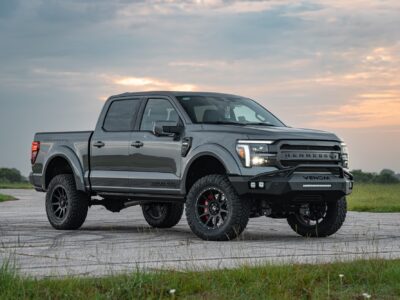
Jeep Wrangler MPG: Real Fuel Economy, Engine Differences, and Ways to Save Gas

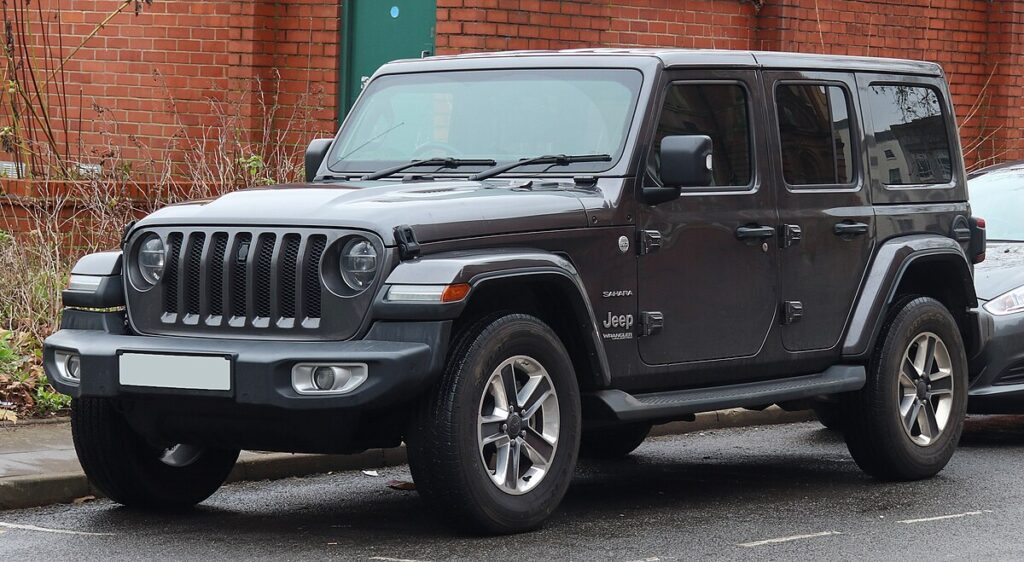
The Jeep Wrangler was never designed to slip through the air like a polished pebble. It stands tall, wears chunky tires, carries serious four-wheel-drive hardware, and has roughly the aerodynamic subtlety of a garden shed charging into a headwind.
Yet fuel economy still matters.
Whether we are commuting during the week, heading into the mountains on Saturday, or planning a long interstate road trip, the Wrangler’s thirst directly affects our budget. Gas mileage can also help us choose between the turbocharged four-cylinder, the familiar Pentastar V6, the muscular V8, and the plug-in-hybrid Wrangler 4xe.
So, what kind of Jeep Wrangler MPG can we realistically expect?
For recent gasoline-powered U.S. models, official combined ratings generally sit between approximately 14 and 21 MPG, depending on the engine, body style, transmission, trim, tires, and equipment. Efficient 2.0-liter turbo configurations can reach around 21 MPG combined, while the Wrangler Rubicon 392’s large V8 returns closer to 14 MPG combined. The plug-in-hybrid 4xe is rated differently and can achieve an estimated 49 MPGe when electricity is included.
Those numbers tell only part of the story. Let us dig into the details and discover what Wrangler owners can genuinely expect.
Content in this publication
- Jeep Wrangler MPG at a Glance
- Why the Jeep Wrangler Uses More Fuel Than a Regular SUV
- Jeep Wrangler 2.0 Turbo MPG
- Jeep Wrangler 3.6 V6 MPG
- Jeep Wrangler Rubicon MPG
- Jeep Wrangler 392 MPG
- Jeep Wrangler 4xe MPG and MPGe
- Two-Door vs Four-Door Jeep Wrangler MPG
- Real-World Jeep Wrangler MPG
- City MPG vs Highway MPG
- How Much Do Larger Tires Affect Wrangler MPG?
- Does Lifting a Jeep Wrangler Reduce MPG?
- Jeep Wrangler MPG While Towing
- Cold Weather and Wrangler Fuel Economy
- How to Improve Jeep Wrangler MPG
- Why Your Jeep Wrangler MPG Suddenly Dropped
- Is the Jeep Wrangler Fuel Efficient?
- Which Jeep Wrangler Gets the Best MPG?
- How to Choose a Wrangler Based on Fuel Economy
- Jeep Wrangler MPG: Final Thoughts
- Frequently Asked Questions
Jeep Wrangler MPG at a Glance
The Wrangler lineup includes dramatically different vehicles wearing broadly similar bodywork. A lightweight two-door Sport with road-friendly tires does not consume fuel like a four-door Rubicon carrying steel bumpers, recovery equipment, oversized tires, and camping gear.
Here is a practical snapshot based primarily on official 2025 U.S. specifications:
| Wrangler configuration | City MPG | Highway MPG | Combined MPG |
|---|---|---|---|
| 2-door, 2.0L turbo automatic | 20 | 23 | 21 |
| 2-door, 3.6L V6 manual | 17 | 23 | 19 |
| 4-door, 2.0L turbo automatic | 20 | 22 | 21 |
| 4-door, 3.6L V6 automatic | 18 | 23 | 20 |
| 4-door, 3.6L V6 manual | 16 | 22 | 19 |
| 4-door Rubicon, 3.6L V6 automatic | 16 | 19 | 17 |
| 4-door Rubicon 392, 6.4L V8 | 13 | 16 | 14 |
These are standardized estimates rather than guarantees. Jeep notes that actual mileage can vary, and real-world driving conditions often pull the numbers downward.
What Is Considered Good MPG for a Jeep Wrangler?
For a modern gasoline-powered Wrangler, we would generally consider:
- 20–22 MPG combined: Very good
- 18–20 MPG combined: Normal
- 16–18 MPG combined: Expected for an off-road-focused trim
- 13–15 MPG combined: Typical V8 territory
- Below 13 MPG: Usually caused by heavy modification, towing, aggressive driving, difficult terrain, or mechanical problems
These standards would look unimpressive beside a compact crossover. However, comparing a Wrangler with a lightweight front-wheel-drive SUV is like comparing hiking boots with running shoes. Both move us forward, but they are built for entirely different terrain.
Why the Jeep Wrangler Uses More Fuel Than a Regular SUV
Several design characteristics work against fuel economy.
A Boxy Body Creates Aerodynamic Drag
At low speeds, vehicle shape matters less. Once we reach highway speeds, however, aerodynamic drag becomes one of the Wrangler’s biggest enemies.
Its upright windshield, flat front end, exposed hinges, wide fenders, large mirrors, and removable roof create considerable resistance. The faster we drive, the harder the engine must work to push that shape through the air.
Driving from 60 to 70 mph may not feel dramatically different from behind the wheel, but fuel consumption can rise noticeably. Above 75 mph, the Wrangler often begins drinking fuel like someone handed it a straw.
Heavy Four-Wheel-Drive Components Add Weight
The Wrangler carries equipment that ordinary crossovers simply do not need:
- Solid axles
- Transfer case
- Heavy-duty suspension components
- Skid plates
- Reinforced frame sections
- Off-road tires
- Locking differentials on certain trims
This hardware creates capability, but capability is rarely weightless. Every acceleration requires the engine to move that mass.
Large Tires Increase Rolling Resistance
Aggressive all-terrain and mud-terrain tires deform more as they roll. Their tread blocks also create greater friction than low-rolling-resistance road tires.
A tire that claws confidently through mud may surrender one or more miles per gallon on pavement. Install a significantly larger tire without correcting the gearing or speedometer calibration, and the drop can become even more obvious.
Four-Wheel-Drive Geometry Creates Mechanical Losses
Even when the vehicle is operating in two-wheel drive, the Wrangler’s robust drivetrain contains more rotating components than a basic crossover. Each shaft, joint, differential, and bearing introduces a small amount of friction.
Individually, those losses appear minor. Together, they nibble away at fuel economy.
Jeep Wrangler 2.0 Turbo MPG
The turbocharged 2.0-liter four-cylinder is usually the strongest gasoline choice for drivers prioritizing efficiency.
For the 2025 model year, Jeep lists the two-door 2.0-liter automatic at approximately 20 MPG city, 23 MPG highway, and 21 MPG combined. The four-door version is rated at approximately 20 MPG city, 22 MPG highway, and 21 MPG combined.
Why the Turbo Engine Performs Well
The turbocharged engine produces useful low-end torque without needing the displacement of a larger V6 or V8. Its eight-speed automatic transmission can also keep engine speed relatively low during steady cruising.
That combination helps in normal driving, especially when we accelerate gently and maintain moderate speeds.
However, turbocharging is not magic. Press the accelerator deeply and the engine adds boost, injects more fuel, and behaves like a much larger powerplant. Owners who constantly enjoy the turbo’s punch may see numbers closer to the high teens than the official low twenties.
Fuel recommendations can vary by model year and configuration, so owners should follow the manual and fuel-door label for their specific vehicle. Current Jeep specification pages may distinguish between regular and premium recommendations depending on trim and engine setup. For example, Jeep’s current Wrangler Sahara specification page lists premium unleaded for its configuration.
Using higher-octane fuel does not automatically improve MPG enough to recover the extra cost. Octane prevents abnormal combustion; it is not a concentrated form of energy.
Jeep Wrangler 3.6 V6 MPG
The 3.6-liter Pentastar V6 has powered Wranglers for years. It offers familiar naturally aspirated response, broad parts availability, and a straightforward driving character.
In 2025 four-door form, Jeep lists approximately:
- 18 city, 23 highway, and 20 combined MPG with the automatic
- 16 city, 22 highway, and 19 combined MPG with the manual
The two-door manual is rated at about 17 city, 23 highway, and 19 combined MPG.
Automatic vs Manual Wrangler MPG
Some buyers assume the manual transmission must be more economical. In modern Wranglers, that is not necessarily true.
The eight-speed automatic has a broad ratio spread and can select gears more precisely than most drivers. It also uses tall upper gears to reduce engine speed on the highway.
The manual transmission gives us greater involvement and control, but its official economy ratings can be slightly lower. Of course, driver technique matters. A patient manual driver can outperform an aggressive automatic driver, while someone holding gears too long can burn considerably more fuel.
Who Should Choose the V6?
The V6 makes sense for drivers who value:
- Naturally aspirated power delivery
- A traditional Wrangler feel
- Manual-transmission availability
- Simpler performance without relying on turbo boost
- Predictable response during low-speed off-road driving
The 2.0-liter turbo may use slightly less fuel in certain configurations, but the difference is not enormous. Buying the engine we prefer often matters more than chasing a one-MPG advantage.
Jeep Wrangler Rubicon MPG
The Rubicon is the Wrangler’s rock-crawling specialist. It brings serious off-road equipment, including more aggressive tires, heavy-duty axles, lower gearing, locking differentials, and additional underbody protection.
That hardware transforms difficult trails into playgrounds. It also reduces fuel economy.
A 2025 four-door Rubicon with the 3.6-liter V6 and automatic transmission is listed at approximately 16 MPG city, 19 MPG highway, and 17 MPG combined.
Why Rubicon MPG Is Lower
The biggest contributors include:
- Aggressive tires: More rolling resistance and aerodynamic turbulence.
- Lower gearing: Excellent for crawling, less ideal for effortless cruising.
- Additional weight: Stronger components and protective hardware add mass.
- Ride height: More air passes beneath the vehicle.
- Typical use: Rubicons are more likely to encounter trails, steep climbs, sand, and mud.
If we buy a Rubicon and never leave pavement, we are essentially carrying a backpack full of climbing equipment to walk around a shopping mall. It still looks fantastic, but we pay for equipment we are not using.
Jeep Wrangler 392 MPG
The Wrangler Rubicon 392 places a 6.4-liter V8 inside an already heavy, upright off-road vehicle. Nobody chooses it because they want to hypermile through suburbia.
For the 2025 four-door model, Jeep lists approximately 13 MPG city, 16 MPG highway, and 14 MPG combined.
That means fuel stops arrive quickly, especially when drivers enjoy the V8’s acceleration and sound.
You may be interested in reading Ford F-150 MPG: Fuel Economy, Engines, and Real-World Costs
Jeep’s current Wrangler information continues to highlight the 392’s performance, including up to 470 horsepower, 470 lb-ft of torque, and manufacturer-estimated highway economy of up to 16 MPG.
How Expensive Is the Wrangler 392 to Fuel?
Suppose we drive 12,000 miles annually and average 14 MPG:
12,000 ÷ 14 = approximately 857 gallons per year
At $4 per gallon, that equals roughly:
857 × $4 = $3,428 annually
A Wrangler averaging 21 MPG would use approximately 571 gallons over the same distance, costing about $2,284 at that fuel price.
The difference is more than $1,100 each year, before considering differences in fuel grade, insurance, tires, or maintenance.
The 392 is therefore an emotional choice. It is thunder in hiking boots, not an accountant’s commuter.
Jeep Wrangler 4xe MPG and MPGe
The Wrangler 4xe is a plug-in hybrid. It combines a turbocharged gasoline engine with electric motors and a rechargeable battery.
Jeep lists a manufacturer-estimated 49 MPGe for the 2025 Wrangler 4xe, along with an estimated total driving range of approximately 370 miles. Jeep also describes an electric-only range of up to about 21 miles on a full charge in applicable configurations.
MPG and MPGe Are Not the Same
MPG measures how many miles a vehicle travels using one gallon of gasoline.
MPGe, or miles per gallon equivalent, allows electricity and gasoline to be represented using a shared energy-equivalent measurement. It helps compare electrified vehicles, but it does not mean the 4xe literally travels 49 miles on one gallon of gasoline under every condition.
The owner’s charging habits matter enormously.
When the Wrangler 4xe Is Most Efficient
The 4xe works best when we:
- Charge it regularly
- Drive many short trips
- Use electric mode around town
- Have access to affordable home charging
- Begin most days with a full battery
- Use regenerative braking effectively
A driver commuting 10 miles each way and charging nightly may complete much of the week using electricity.
A driver who never plugs it in carries a heavy battery and electric hardware without fully capturing the efficiency benefit. On long highway journeys after the usable electric charge is depleted, fuel economy may feel much closer to that of a heavy gasoline Wrangler.
Does the 4xe Save Money?
It can, but the answer depends on:
- Local electricity rates
- Gasoline prices
- Daily mileage
- Charging frequency
- Purchase price
- Insurance costs
- Access to workplace charging
- Percentage of driving completed electrically
The 4xe is not automatically the cheapest Wrangler to own. It is a tool, and like any tool, its value depends on how we use it.
Two-Door vs Four-Door Jeep Wrangler MPG
The two-door Wrangler is shorter and generally lighter. Logically, we might expect it to dominate the four-door Unlimited in fuel economy.
In practice, the difference can be surprisingly small.
The four-door’s extra weight may hurt in stop-and-go traffic, but highway gearing, engine choice, tires, and trim can matter just as much. Some official ratings are separated by only one MPG, while similarly equipped 2.0-liter turbo versions may share the same combined estimate.
Fuel-Tank Capacity and Driving Range
Jeep states that current two-door Wranglers hold approximately 17.5 gallons, while four-door models hold approximately 21.5 gallons.
Using those capacities, theoretical range might look like this:
- Two-door at 20 MPG: around 350 miles
- Four-door at 20 MPG: around 430 miles
- Four-door Rubicon at 17 MPG: around 366 miles
- Wrangler 392 at 14 MPG: around 301 miles
We should not plan to use every drop. Terrain, weather, idling, fuel reserve, and driving style reduce practical range.
Real-World Jeep Wrangler MPG
EPA estimates give us a consistent comparison point, but real life introduces chaos.
A stock Wrangler driven gently on flat roads may meet or even exceed its rating. A lifted Wrangler on 35-inch tires, traveling into a headwind with camping gear on the roof, may miss the rating by several MPG.
Typical Real-World Expectations
Although every vehicle differs, many drivers can reasonably expect the following broad patterns:
- Stock 2.0 turbo: upper teens to low twenties
- Stock 3.6 V6: high teens to around 20 MPG
- Rubicon: mid-to-high teens
- Modified Wrangler: low-to-mid teens
- Wrangler 392: low teens
- 4xe: highly dependent on charging and trip length
These are practical ranges, not official promises. Mechanical condition, altitude, temperature, fuel quality, traffic, and modifications can push results in either direction.
City MPG vs Highway MPG
Wranglers often consume heavily in urban driving because accelerating their mass requires substantial energy. Stop-start traffic, long idling periods, air-conditioning use, and short trips further reduce economy.
Highway driving removes repeated acceleration, but aerodynamics become increasingly important.
The Highway-Speed Trap
At 55 or 60 mph, a Wrangler may return respectable mileage.
At 75 or 80 mph, its upright body fights a rapidly thickening wall of air. Add a roof rack, rooftop tent, light bar, or oversized spare tire, and the effect becomes stronger.
The Wrangler does not merely move through the atmosphere. At high speed, it seems to negotiate with it—and the atmosphere usually wins.
How Much Do Larger Tires Affect Wrangler MPG?
Moving from stock tires to 33-, 35-, or 37-inch tires can reduce fuel economy through several mechanisms:
- Greater weight
- Increased rotational mass
- Higher rolling resistance
- Wider tread
- Altered effective gearing
- Additional aerodynamic drag
- Incorrect speedometer and odometer readings
A two- or three-MPG drop is entirely plausible after substantial modifications, although the exact loss depends on tire construction, wheel weight, axle ratio, lift height, driving conditions, and calibration.
Larger tires travel farther per revolution. Unless the vehicle is recalibrated, the odometer may underreport distance.
That means hand-calculated MPG can appear worse than it truly is.
After changing tire size, recalibrate the speedometer and odometer before drawing conclusions. Otherwise, we are measuring with a bent ruler.
Does Lifting a Jeep Wrangler Reduce MPG?
Yes, a suspension lift can reduce fuel economy.
A taller vehicle exposes more underbody components to airflow and can increase frontal area. The lift itself may also accompany heavier wheels, larger tires, steel bumpers, winches, and roof accessories.
A mild lift with lightweight components may create only a modest change. A heavily modified overlanding build can lose several MPG.
Common MPG-Reducing Modifications
The biggest offenders often include:
- Oversized mud-terrain tires
- Heavy aftermarket wheels
- Steel bumpers
- Roof racks and rooftop tents
- Suspension lifts
- Winches
- External fuel or water containers
- Poorly chosen axle gearing
- Light bars mounted above the windshield
- Unnecessary cargo
We do not need to avoid modifications. We simply need to understand that every accessory sends a tiny invoice to the fuel pump.
Jeep Wrangler MPG While Towing
Towing increases aerodynamic drag and total weight. Even a relatively light trailer can create a significant MPG penalty, particularly if it has a tall, flat front.
You may be interested in readingFord F-150 MPG: Fuel Economy, Engines, and Real-World CostsYou may be interested in reading
 What to Expect When Driving a Fiat 500: Owner's Perspective
Depending on speed, terrain, wind, trailer design, and engine, fuel economy may fall by 20% to 40% or more.
A Wrangler that normally averages 20 MPG might return 12–16 MPG while towing. A modified Rubicon could dip lower.
How to Improve MPG While Towing
- Keep highway speed moderate
- Maintain correct tire pressure
- Avoid abrupt acceleration
- Reduce unnecessary cargo
- Use trailer tires with proper inflation
- Plan routes that avoid extreme grades
- Keep the trailer load balanced
- Remove external accessories when unnecessary
- Leave extra distance to reduce repeated braking
Fuel economy should never come before safe towing. Smoothness helps both.
Cold Weather and Wrangler Fuel Economy
Winter can lower MPG because:
- Engines take longer to reach operating temperature
- Cold oil and drivetrain fluids create more resistance
- Tire pressure falls
- Winter fuel blends may contain less energy
- Cabin heating and defrosting increase energy demand
- Snow and slush increase rolling resistance
- Drivers idle longer
The Wrangler 4xe can also experience reduced electric range in cold temperatures, as battery performance and cabin heating demands change.
Short winter trips are especially inefficient because the vehicle may complete the entire journey before reaching its ideal operating temperature.
How to Improve Jeep Wrangler MPG
We cannot turn a Wrangler into a hybrid hatchback, but we can reduce waste.
1. Slow Down on the Highway
This is often the most effective change. Dropping from 75 mph to 65 mph can meaningfully improve economy in a boxy vehicle.
2. Accelerate Smoothly
Use enough throttle to move confidently, but avoid launching from every traffic light. Turbocharged engines become especially thirsty under heavy boost.
3. Maintain Correct Tire Pressure
Underinflated tires create additional rolling resistance. Check pressures when the tires are cold and follow the vehicle’s recommended specifications rather than the maximum number printed on the tire sidewall.
4. Remove Unnecessary Roof Equipment
A rooftop tent may be perfect for a camping trip, but carrying it throughout the year wastes fuel.
5. Reduce Excess Weight
Recovery gear has value on remote trails. Three toolboxes, two coolers, and a collection of forgotten cargo may not.
6. Keep the Engine Maintained
Address:
- Check-engine lights
- Misfires
- Worn spark plugs
- Dirty air filters
- Incorrect oil
- Fuel-system problems
- Dragging brakes
- Alignment issues
Modern engines can compensate for minor problems, sometimes hiding them while fuel consumption quietly rises.
7. Use the Correct Axle Gearing
After installing much larger tires, appropriate regearing can restore drivability and reduce the need for excessive throttle. It does not guarantee better MPG, but badly mismatched gearing can make efficiency worse.
8. Combine Short Trips
A warm engine operates more efficiently than one repeatedly started from cold. Completing several errands in one journey can use less fuel than making multiple separate trips.
9. Track MPG Properly
Use the same method across several tanks:
- Fill the tank completely.
- Reset the trip meter.
- Drive normally.
- Refill the tank.
- Divide miles traveled by gallons added.
One tank can be misleading. Track at least three to five fill-ups before identifying a trend.
Why Your Jeep Wrangler MPG Suddenly Dropped
A sudden decline deserves investigation, particularly when driving conditions have not changed.
Possible causes include:
- Falling tire pressure
- Seasonal temperature changes
- New tires
- Wheel misalignment
- Brake drag
- Dirty sensors
- Engine misfire
- Fuel-quality differences
- Increased idling
- Added roof accessories
- Incorrect odometer calibration
- Four-wheel drive being used more frequently
- A change in commute or traffic
When Should We Be Concerned?
A one-MPG change may simply reflect weather or traffic.
A persistent three- to five-MPG decline without an obvious cause deserves attention. Warning lights, rough running, fuel odors, unusual exhaust smoke, sluggish acceleration, or overheating require prompt diagnosis.
Is the Jeep Wrangler Fuel Efficient?
By conventional SUV standards, no.
By traditional off-road-vehicle standards, recent turbocharged and V6 Wranglers are reasonably efficient considering their shape, weight, solid axles, four-wheel-drive equipment, and capability.
The most economical current configurations can reach approximately 20 MPG city and 23 MPG highway, while Jeep’s current lineup information advertises up to 20/23 MPG for the 2026 Wrangler range.
That is respectable for a purpose-built off-roader, but buyers primarily concerned with fuel expense will find more efficient compact SUVs.
Which Jeep Wrangler Gets the Best MPG?
Among recent conventional gasoline models, the 2.0-liter turbo with the eight-speed automatic is generally the fuel-economy leader, reaching around 21 MPG combined in efficient configurations.
The Wrangler 4xe can produce the strongest efficiency figure when owners charge regularly and complete a large portion of their driving electrically. Its advantage shrinks when it is used primarily for long-distance travel without frequent charging.
The best choice therefore depends on our routine:
- Frequent short trips and home charging: Wrangler 4xe
- Mixed driving without charging access: 2.0L turbo
- Manual-transmission preference: 3.6L V6
- Serious factory off-road equipment: Rubicon
- Maximum sound and performance: 392
- Lowest possible fuel cost: Probably a different vehicle
How to Choose a Wrangler Based on Fuel Economy
Before buying, ask five questions:
How Many Miles Do We Drive Annually?
A small MPG difference matters more at 20,000 miles per year than at 5,000.
Can We Charge at Home?
Without convenient charging, the 4xe may not deliver its full economic advantage.
Will We Modify the Vehicle?
A stock Sport and a lifted overlanding build may begin with the same engine yet end with completely different fuel costs.
How Much Off-Road Capability Do We Need?
Buying road-oriented tires and gearing can improve everyday efficiency. Buying a Rubicon makes sense when we will genuinely use its hardware.
Do We Value MPG More Than Driving Character?
The turbo four-cylinder, V6, V8, and plug-in hybrid each feel different. Fuel economy matters, but it is not the only reason people fall for a Wrangler.
Jeep Wrangler MPG: Final Thoughts
The Jeep Wrangler is not an efficiency champion, and pretending otherwise misses the point.
It is designed around removable body panels, rugged axles, generous ground clearance, four-wheel-drive capability, and the ability to travel far beyond smooth pavement. Those strengths create aerodynamic and mechanical compromises.
Most recent gasoline Wranglers return approximately 17–21 MPG combined, while the powerful 392 sits closer to 14 MPG combined. The plug-in-hybrid 4xe can achieve substantially better energy efficiency when charged consistently and used for shorter journeys.
For the best conventional fuel economy, the 2.0-liter turbo automatic is usually the sensible choice. For drivers with reliable charging and a short commute, the 4xe can be even more compelling. Meanwhile, Rubicon and 392 buyers accept higher fuel consumption in exchange for specialized capability or unforgettable performance.
Ultimately, the smartest approach is simple: choose the Wrangler that matches how we actually drive—not the imaginary expedition we take twice a decade.
Frequently Asked Questions
1. What MPG does a Jeep Wrangler get?
Most recent gasoline-powered Jeep Wranglers achieve approximately 16–23 MPG depending on whether we are looking at city, highway, or combined driving. Efficient 2.0-liter turbo models can reach around 21 MPG combined, while the V8-powered Wrangler 392 is rated closer to 14 MPG combined.
2. Which Jeep Wrangler engine gets the best gas mileage?
The 2.0-liter turbocharged four-cylinder with the eight-speed automatic generally provides the best gasoline-only Wrangler MPG. Certain recent configurations are rated at approximately 20 MPG city, 22–23 MPG highway, and 21 MPG combined.
The requirement depends on engine, trim, and model year. Some configurations recommend regular unleaded, while certain turbocharged or performance versions may specify or recommend premium. Always check the owner’s manual and fuel-door label for the exact vehicle.
4. How much MPG will a Wrangler lose with 35-inch tires?
There is no universal figure, but a loss of roughly one to three MPG is plausible. Tire weight, tread design, wheel weight, lift height, axle ratio, calibration, speed, and driving habits all influence the result.
You may be interested in readingFord F-150 MPG: Fuel Economy, Engines, and Real-World CostsYou may be interested in reading
What to Expect When Driving a Fiat 500: Owner's PerspectiveYou may be interested in reading
 Comparing the Fiat 500e to the Traditional Fiat 500: Pros and Cons
5. Is the Wrangler 4xe more fuel efficient than the regular Wrangler?
It can be significantly more efficient when charged frequently. Jeep lists the 2025 Wrangler 4xe at an estimated 49 MPGe, but actual gasoline use depends heavily on trip distance, charging frequency, temperature, and the percentage of driving completed using electricity.
If you want to know other articles similar to Jeep Wrangler MPG: Real Fuel Economy, Engine Differences, and Ways to Save Gas you can visit the category Driving.
Ford F-150 MPG: Fuel Economy, Engines, and Real-World Costs
Vauxhall Antara Fuel Consumption: MPG, Costs and Real-World Economy
Dacia Jogger MPG: Real-World Fuel Economy Explained
Vauxhall Meriva MPG: Real-World Fuel Economy Guide
Hyundai i40 MPG: Real-World Fuel Economy Guide
Kia Rio Fuel Consumption: Real-World Efficiency, MPG Insights & Smart Driving Tips
Leave a Reply
More content of your interest