

GMC Sierra Crew Cab vs Double Cab: Which One Should We Buy?

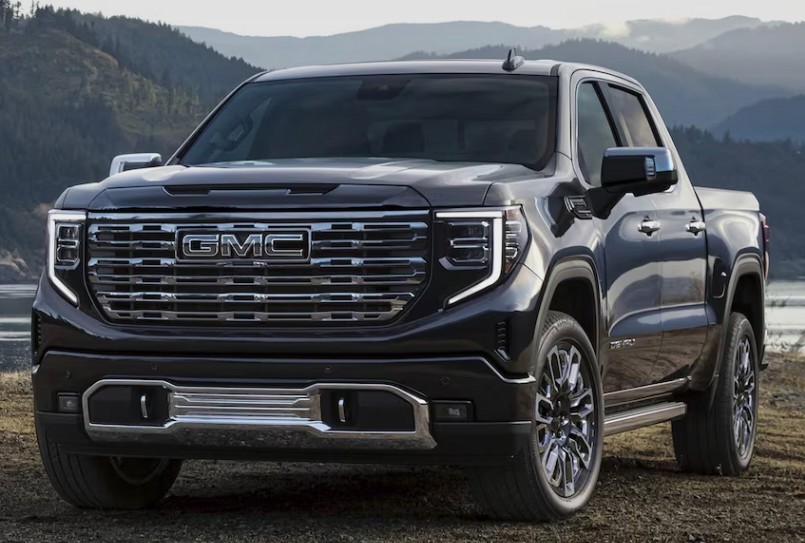
Choosing between a GMC Sierra Crew Cab and Double Cab can feel deceptively simple. Both trucks have four doors. Both can carry passengers. Both are available with useful cargo beds, capable engines, and serious towing hardware. Park them beside each other, though, and the differences quickly become clear.
The Crew Cab is built around passenger comfort. Its rear doors are larger, its back seat is roomier, and it works better as an everyday family vehicle. The Double Cab takes a more work-focused approach. It preserves a usable second row while usually giving us a standard-length bed in a manageable overall package.
Neither cab is automatically better.
The right choice depends on who rides in the truck, what we carry, where we park, how often we tow, and how long we plan to keep it. A contractor who carries tools and occasionally transports coworkers may love the Double Cab. A family towing a travel trailer across several states will probably appreciate the Crew Cab every time someone stretches their legs.
In this complete GMC Sierra Crew Cab vs Double Cab comparison, we will explore passenger space, bed lengths, dimensions, comfort, towing, payload, resale value, pricing, and everyday practicality. We will also consider older Sierra generations, because cab terminology and equipment availability have changed through the years.
Content in this publication
- What Is the Main Difference Between Crew Cab and Double Cab?
- Understanding GMC Sierra Cab Names Across Generations
- GMC Sierra Crew Cab Explained
- GMC Sierra Double Cab Explained
- GMC Sierra Crew Cab vs Double Cab Dimensions
- Bed Length and Cargo Capacity
- Passenger Comfort and Daily Use
- Towing Capability: Does Cab Style Matter?
- Payload Capacity and Cab Weight
- Crew Cab vs Double Cab for Parking and Maneuverability
- Interior Storage Comparison
- Ride Quality and Driving Feel
- Fuel Economy Differences
- Price Difference Between Crew Cab and Double Cab
- Trim-Level Availability
- Sierra 1500 Crew Cab vs Double Cab
- Sierra 2500HD and 3500HD Crew Cab vs Double Cab
- Used GMC Sierra Crew Cab vs Double Cab
- Resale Value and Market Demand
- Common Buying Mistakes
- GMC Sierra Crew Cab vs Double Cab: Pros and Cons
- Which GMC Sierra Cab Should We Buy?
- Final Verdict
- Frequently Asked Questions
What Is the Main Difference Between Crew Cab and Double Cab?
The most important difference is the amount of space devoted to rear passengers.
A GMC Sierra Crew Cab has a larger rear seating area with four full-size, front-hinged doors. Adults can enter easily, sit comfortably, and remain reasonably relaxed on long journeys. The cabin feels more like the interior of a large SUV than a traditional work truck.
A Double Cab also has four front-hinged doors, but its rear doors are shorter and the rear seating area is tighter. It still works for children, smaller adults, coworkers, pets, groceries, or occasional passengers. However, it is not as comfortable when tall adults regularly occupy the back seat.
In simple terms:
- Crew Cab: More cabin, more rear-seat comfort
- Double Cab: Less cabin, more emphasis on cargo-bed utility
- Crew Cab: Better for families and frequent passengers
- Double Cab: Better for work and occasional rear-seat use
Think of the Crew Cab as a pickup blended with a family SUV. The Double Cab is closer to a traditional truck that happens to provide a second row.
Understanding GMC Sierra Cab Names Across Generations
GMC has sold Sierra pickups in several cab styles over the decades, including Regular Cab, Extended Cab, Double Cab, and Crew Cab configurations. The exact names, dimensions, door designs, trim combinations, and bed pairings have varied by generation.
On many older trucks, the middle-size configuration was called an Extended Cab. Depending on the model year, these trucks could use smaller rear-hinged doors rather than conventional front-hinged rear doors.
The Double Cab name became more prominent on newer Sierra generations. It describes the middle option between the two-door Regular Cab and the larger Crew Cab.
That distinction matters when shopping for a used Sierra. A seller may casually describe an Extended Cab as a Double Cab, even when GMC used different terminology for that model year.
Extended Cab vs Double Cab
An older Sierra Extended Cab and a newer Double Cab often serve a similar purpose: provide occasional rear seating without making the cab as large as a Crew Cab.
However, they are not always identical.
Older Extended Cab models may have:
- Rear-hinged secondary doors
- Smaller door openings
- Less rear-seat legroom
- Different safety equipment
- Different child-seat accessibility
- Seats designed mainly for occasional use
Newer Double Cab trucks generally use four front-hinged doors. They are easier to enter than many older Extended Cab models, although they remain smaller than Crew Cabs.
Why Model Year Matters
We should never assume that dimensions from one Sierra generation apply to another. Body redesigns can alter rear legroom, wheelbase, door openings, bed volume, payload ratings, and overall length.
Before buying, we should verify the truck’s:
- Model year
- Cab configuration
- Bed length
- Drivetrain
- Trim
- Engine
- Gross vehicle weight rating
- Door-jamb payload label
A familiar badge can hide a very different truck underneath.
GMC Sierra Crew Cab Explained
The Crew Cab is the Sierra’s largest conventional passenger-cab configuration. It is designed to accommodate people as seriously as it accommodates cargo.
Current Sierra 1500 Crew Cab models offer substantially more second-row legroom than Double Cab versions. GMC lists approximately 43.4 inches of second-row legroom for current Crew Cab configurations, compared with about 35.24 inches in a Double Cab. Exact measurements depend on model year and configuration, but the difference illustrates why the Crew Cab feels so much more spacious.
The Crew Cab usually includes:
- Four full-size doors
- A spacious second row
- Easier child-seat installation
- Better adult comfort
- More enclosed storage
- Greater availability in premium trims
- Short-bed or standard-bed choices on many models
The interior can become a mobile office, family room, gear locker, or quiet place to escape bad weather. Fold the rear seat upward, and the flat or nearly flat floor found in many generations creates a valuable enclosed cargo area.
Who Should Buy a Crew Cab?
The Crew Cab makes the most sense when we:
- Carry adults in the second row regularly
- Have children in car seats
- Use the Sierra as our primary household vehicle
- Take long road trips
- Tow a camper with several passengers
- Carry valuable equipment inside the cab
- Want a premium Denali or AT4-style configuration
- Plan to prioritize resale demand
A Crew Cab may appear excessive when the back seat is empty during a short test drive. Add two adults, winter coats, luggage, and a six-hour highway journey, and the extra room suddenly feels priceless.
GMC Sierra Double Cab Explained
The Double Cab is the middle ground. It gives us four doors and a rear seat without consuming as much space as a Crew Cab.
Its second row is usable, but “usable” is not the same as “spacious.” Children will usually fit comfortably. Adults can fit for shorter journeys. Tall passengers may feel their knees approaching the front seatbacks, especially when tall people are sitting up front.
Where the Double Cab shines is balance.
On current Sierra 1500 models, the Double Cab is paired with a standard bed, while Crew Cab models may be paired with either a short or standard bed. GMC’s current configurator lists Regular Cab, Double Cab, and Crew Cab choices, with the Double Cab positioned as the practical four-door, standard-bed configuration.
Who Should Buy a Double Cab?
A Double Cab may be ideal when we:
- Need a full-size rear seat only occasionally
- Carry tools more often than people
- Prefer a standard bed
- Want a lower purchase price
- Drive on job sites
- Need four doors but not maximum passenger space
- Want to avoid an extremely long Crew Cab and long-bed truck
- Value function over luxury
For many tradespeople, the Double Cab hits a sweet spot. The rear area can hold jackets, tool bags, paperwork, safety equipment, or occasional passengers, while the bed remains ready for lumber, ladders, machinery, or landscaping supplies.
GMC Sierra Crew Cab vs Double Cab Dimensions
Cab dimensions vary by generation, duty class, bed length, and drivetrain, so no single measurement describes every Sierra ever built. Still, the general pattern remains consistent.
| Category | Crew Cab | Double Cab |
|---|---|---|
| Rear-door size | Full size | Smaller |
| Rear-seat legroom | Generous | Moderate |
| Passenger comfort | Excellent | Acceptable |
| Typical rear-seat use | Frequent | Occasional |
| Common bed pairing | Short or standard | Usually standard |
| Overall length | Varies by bed | Often moderate |
| Parking ease | More challenging | Generally easier |
| Enclosed storage | Greater | Less |
| Family suitability | Excellent | Fair to good |
| Work-truck suitability | Good | Excellent |
On current Sierra 1500 examples, a Crew Cab with a short bed can be similar in overall length to a Double Cab with a standard bed. That is one of the most important details buyers miss.
The comparison is not always “large truck versus small truck.” Sometimes both trucks occupy nearly the same parking space, but one allocates more length to passengers while the other allocates more to the bed.
Rear Legroom Comparison
Rear legroom is the Crew Cab’s clearest victory.
Current figures of approximately 43.4 inches in the Crew Cab and 35.24 inches in the Double Cab represent a difference of more than eight inches.
Eight inches may not sound dramatic on paper. Inside a vehicle, it is enormous. It can be the difference between:
- Knees touching and knees relaxing
- Awkward child-seat access and easy installation
- Enduring a journey and enjoying it
- Asking passengers to move and letting them settle in
The Double Cab is not unusable. It simply requires more compromise.
Door Opening and Entry
Crew Cab rear doors are longer and open into a larger passenger compartment. Getting a child into a rear-facing safety seat is easier. Older passengers also benefit from the wider opening.
Double Cab doors are shorter. Entry can require passengers to turn their bodies, pull their legs inward, and step around the wheel-arch area. That is manageable for occasional trips but less convenient every morning.
Headroom and Shoulder Room
Both configurations offer the upright seating position expected from a full-size pickup. Headroom is generally generous, even in the Double Cab.
The more noticeable difference is not usually headroom but how the seat, legroom, door opening, and front-seat position interact. A Double Cab can look roomy from outside yet feel tight once two tall occupants adjust the front seats.
Bed Length and Cargo Capacity
The bed can completely change our decision.
On recent Sierra 1500 models, the Double Cab is commonly offered with the standard bed. Crew Cab buyers can often choose a short bed or standard bed, depending on trim and drivetrain. The current short-bed Crew Cab box is approximately 69.92 inches long, while configurations and availability can change by model year.
The standard bed offers more floor length for:
- Construction materials
- Motorcycles
- Camping equipment
- Landscaping tools
- Furniture
- Toolboxes
- Outdoor gear
- Farm supplies
The short bed remains useful, especially with a bed extender, tonneau cover, rack, or trailer. However, long items will reach the open tailgate sooner.
Crew Cab Short Bed
This is one of the most popular modern pickup combinations because it provides maximum passenger room without creating the longest possible truck.
It works well for:
You may be interested in reading GMC Sierra SLE vs SLT: Which Trim Should You Buy?
- Families
- Recreational towing
- Daily driving
- Weekend projects
- Premium-trim buyers
- Owners who carry moderate cargo
The Crew Cab short bed feels like a large SUV with an open cargo compartment attached.
Crew Cab Standard Bed
This combination offers passenger space and a longer cargo box, but the truck itself becomes noticeably longer.
It is excellent for:
- Travel-trailer owners
- Large families with substantial gear
- Contractors who also transport a crew
- Owners who refuse to compromise on either space
The downside arrives in tight parking lots, urban streets, older garages, and narrow trails. A Crew Cab standard-bed Sierra can feel like a freight train in a compact parking structure.
Double Cab Standard Bed
The Double Cab standard bed directs more of the truck’s length toward cargo.
This is often the practical choice for:
- Work fleets
- Contractors
- Maintenance crews
- Rural owners
- Buyers who occasionally carry passengers
- Drivers who need a longer bed without the largest cab
It is a sensible, honest configuration. It does not pretend to be a luxury SUV, yet it remains more versatile than a Regular Cab.
Passenger Comfort and Daily Use
The Crew Cab is the clear winner for regular passenger transportation.
Adults in the rear can stretch, recline more naturally, use cupholders, and enter without folding themselves like camping chairs. Children have more room around booster seats, school bags, sports equipment, and winter clothing.
The Double Cab works better when the rear seat is secondary. It can transport people, but its greatest value may be secure interior storage.
Using the Sierra as a Family Vehicle
A modern Crew Cab can replace a large SUV for many households. It offers:
- Spacious seating
- Four large doors
- Child-seat compatibility
- Covered interior storage
- Strong towing capability
- A separate bed for dirty cargo
Mud, fuel cans, bicycles, and garden supplies stay outside the passenger compartment. Meanwhile, children and luggage remain protected inside.
A Double Cab can serve a small family, especially when the children are young. The challenge is that children grow. A truck that feels adequate today may feel crowded after several years.
Rear-Facing Child Seats
Rear-facing child seats consume surprising amounts of front-to-back space. In a Double Cab, installing one may require moving the front passenger seat forward.
A Crew Cab gives us more flexibility. The front passenger can sit comfortably while the child seat remains properly positioned.
Because seat geometry and approved seating positions vary, we should consult the truck owner’s manual and the child-seat manufacturer’s instructions rather than relying only on cabin measurements.
Towing Capability: Does Cab Style Matter?
Cab style can affect towing capacity, but it does not determine towing capacity by itself.
A Sierra’s rating depends on a combination of:
- Model year
- Sierra 1500, 2500HD, or 3500HD classification
- Engine
- Transmission
- Axle ratio
- Two-wheel drive or four-wheel drive
- Cab
- Bed length
- Trim
- Wheel and tire package
- Factory towing equipment
A Double Cab can sometimes have a higher published maximum than a comparable Crew Cab because it may weigh less. Less truck weight can leave more room within certain gross combined weight limits.
However, we should never assume that every Double Cab tows more than every Crew Cab. An appropriately equipped Crew Cab can easily out-tow a poorly configured Double Cab.
The Better Cab for Recreational Towing
For towing a boat with one or two occupants, the Double Cab may be completely adequate.
For towing a travel trailer with a family, the Crew Cab is generally more comfortable. The extra rear space matters because trailer journeys often last hours, not minutes.
We must compare the exact truck’s trailering label, owner’s manual, payload sticker, hitch rating, and trailer specifications. A headline maximum towing figure does not apply to every Sierra parked at a dealership.
Payload Capacity and Cab Weight
Payload is the amount of weight the truck can carry in and on itself. It includes:
- Passengers
- Cargo in the bed
- Tools
- Accessories
- Hitch equipment
- Trailer tongue or pin weight
Because a Crew Cab has a larger body and may include more equipment, it can weigh more than a similarly configured Double Cab. That additional curb weight may reduce available payload.
This is especially important for travel-trailer owners. A trailer may be below the truck’s maximum tow rating while still pushing the truck beyond its payload limit once passengers, luggage, and tongue weight are added.
Why the Door-Jamb Label Wins
Brochures show maximum ratings under carefully selected configurations. The payload label on the actual truck tells us how much combined passenger and cargo weight that specific vehicle was designed to carry.
Two Sierra trucks with the same engine can have different payload ratings because one has:
- Four-wheel drive
- A larger cab
- Heavier wheels
- Luxury equipment
- Off-road hardware
- Additional accessories
For serious towing or hauling, the sticker matters more than assumptions about cab names.
Crew Cab vs Double Cab for Parking and Maneuverability
Full-size trucks are large regardless of cab style, but configuration affects how they behave in confined spaces.
A Double Cab with a standard bed may have an overall length close to that of a Crew Cab with a short bed. Therefore, we should compare complete truck dimensions rather than focusing only on the cabin.
Wheelbase also matters. A longer wheelbase can improve stability but increase the turning circle and make tight manoeuvres harder.
Urban Driving
In crowded urban areas, we should consider:
- Garage depth
- Parking-space length
- Ramp width
- Height restrictions
- Turning radius
- Mirror width
- Street-parking availability
A Crew Cab short bed can be surprisingly manageable for its interior size. A Crew Cab with a longer bed is another story. Its tail may remain outside a standard garage even when the front bumper nearly touches the wall.
Job-Site Use
A Double Cab can be easier to position around equipment, materials, and unfinished buildings. Its smaller passenger compartment also means we are less likely to pay for space we rarely use.
Still, a Crew Cab may be better when the job requires transporting several workers. Comfort affects morale, especially when the crew spends hours travelling between sites.
Interior Storage Comparison
The Crew Cab offers more enclosed space, and enclosed space is incredibly valuable.
Tools left in an open bed can be exposed to:
- Rain
- Dust
- Theft
- Extreme temperatures
- Road debris
With the rear seats folded, a Crew Cab can swallow tool bags, luggage, camera equipment, electronics, groceries, or pet carriers.
A Double Cab also provides secure storage, but the floor area is shorter. Large boxes may not fit behind the front seats as easily.
For owners who rarely carry people, the rear seat may function more like a locking trunk. In that role, the Crew Cab is difficult to beat.
Ride Quality and Driving Feel
Cab style alone does not completely determine ride quality. Suspension design, wheelbase, tire sidewalls, payload, trim, and road surface all contribute.
Still, Crew Cab trucks often feel planted because many configurations use a longer wheelbase than shorter alternatives. A longer wheelbase can smooth the truck’s reaction to certain bumps and improve highway stability.
The Double Cab may feel slightly more compact and easier to place. However, large wheels, off-road tires, or an empty bed can make either configuration feel firm.
We should test-drive the exact setup we intend to buy. A Denali Crew Cab and a work-oriented Double Cab may feel like distant relatives despite sharing the Sierra name.
Fuel Economy Differences
A Double Cab may have a small fuel-economy advantage when it weighs less than a comparable Crew Cab. In real life, however, engine choice, axle ratio, tires, speed, weather, traffic, payload, and driving style often matter more.
The difference between cabs may disappear if the Double Cab carries heavy equipment every day while the Crew Cab travels lightly loaded.
We should not choose a cab we dislike merely to chase a tiny theoretical fuel saving. Cab comfort affects every journey. Fuel-economy differences may be modest and configuration-specific.
Price Difference Between Crew Cab and Double Cab
Crew Cab trucks generally cost more when equipment and mechanical specifications are comparable. We are paying for:
- More body structure
- Larger rear doors
- A bigger interior
- Greater passenger comfort
- Stronger market demand
- Broader availability in premium trims
The Double Cab is often the value choice. It can provide the same engine family, four-wheel-drive system, towing technology, and essential truck capability at a lower entry price.
You may be interested in readingGMC Sierra SLE vs SLT: Which Trim Should You Buy?You may be interested in reading
 Chevrolet Silverado Best Years: A Complete Buyer’s Guide
Is the Crew Cab Worth the Extra Money?
It is worth the premium when we genuinely use its space.
The cost becomes easier to justify if:
- Adults ride in back weekly
- We have growing children
- We take long trips
- We store expensive equipment inside
- The Sierra is our only vehicle
- We plan to keep it for many years
It may not be worth it when the second row stays empty and bed length matters more.
Trim-Level Availability
Cab availability can vary by model, year, trim, drivetrain, and market. Basic work-oriented trims usually offer the widest range of cab choices. Premium versions tend to favour the Crew Cab because luxury buyers expect generous rear-seat space.
Current Sierra 1500 Denali offerings, for example, emphasize Crew Cab configurations, while the broader Sierra range includes Regular, Double, and Crew Cab choices.
This pattern affects used-truck shopping.
Buyers seeking a Double Cab may find more:
- Pro or base work trucks
- SLE models
- Fleet configurations
- Utility-focused option packages
Crew Cab shoppers often encounter more:
- SLT models
- AT4 trucks
- Denali versions
- Denali Ultimate models
- Heavily optioned vehicles
Availability has changed across generations, so we should verify the original build configuration rather than assuming every trim offered both cabs.
Sierra 1500 Crew Cab vs Double Cab
For most private buyers, the Sierra 1500 is where the decision feels closest.
The Double Cab provides enough rear space for occasional passengers and pairs well with a useful standard bed. It can be an excellent work truck, weekend project vehicle, or second household vehicle.
The Crew Cab provides a more complete all-purpose experience. It is better for family use, road trips, recreational towing, and interior storage.
Best Sierra 1500 Choice by Buyer
Choose the Crew Cab for:
- Family transportation
- Daily commuting
- Frequent adult passengers
- Camping and road trips
- Premium features
- Maximum resale appeal
Choose the Double Cab for:
- Construction work
- Fleet use
- Occasional passengers
- Standard-bed utility
- Lower initial cost
- A more traditional truck balance
Sierra 2500HD and 3500HD Crew Cab vs Double Cab
Heavy-duty Sierra buyers face the same passenger-versus-bed decision, but the scale becomes larger.
Current Sierra HD lineups continue to include Regular, Double, and Crew Cab configurations in relevant trims, with standard-bed and long-bed choices varying by model. GMC lists the 2500HD Double Cab at approximately 241.22 inches with a standard bed and 257.24 inches with a long bed. A Crew Cab measures approximately 250.75 inches with a standard bed and 266.77 inches with a long bed.
These are substantial vehicles.
Crew Cab HD Advantages
A Crew Cab HD is well suited to:
- Towing large campers
- Carrying a work crew
- Transporting family members
- Long-distance hauling
- Fifth-wheel travel
- Keeping equipment inside
Double Cab HD Advantages
A Double Cab HD may appeal to:
- Commercial operators
- Utility companies
- Contractors
- Snow-removal businesses
- Agricultural users
- Buyers who need a long bed but rarely carry rear passengers
Be Careful With Overall Length
A Crew Cab HD with a long bed delivers enormous versatility, but it may exceed 22 feet in overall length depending on configuration. Current GMC figures put a Crew Cab long-bed 2500HD at roughly 266.77 inches.
That truck can carry people and cargo beautifully, but it demands space. Before buying, we should physically measure the garage, driveway, gate, parking area, and trailer-storage location.
Used GMC Sierra Crew Cab vs Double Cab
Used-truck buyers must evaluate condition before cab style.
A well-maintained Double Cab is usually a better purchase than a neglected Crew Cab with the perfect colour and trim. Cab preference matters, but maintenance history matters more.
We should inspect:
- Frame corrosion
- Rocker panels and cab corners
- Door operation
- Water leaks
- Rear-seat condition
- Seatbelt operation
- Child-seat anchors
- Suspension wear
- Transmission behaviour
- Four-wheel-drive operation
- Service records
- Evidence of commercial use
Check All Four Doors
Double Cab and older Extended Cab rear doors may receive less frequent use. Hinges, latches, wiring, seals, and handles can deteriorate unnoticed.
On older trucks, we should open and close every door several times. We should check for sagging, wind noise, damaged seals, warning lights, water stains, and electrical problems.
Look Beyond the Odometer
A low-mileage work truck may have spent thousands of hours idling. A higher-mileage Crew Cab may have accumulated easy highway miles.
Condition, engine hours, maintenance records, towing history, modifications, and rust exposure often tell us more than mileage alone.
Resale Value and Market Demand
Crew Cabs usually attract a broader group of used buyers because they work for families, recreational owners, and business users. That wider demand can support resale value.
Double Cabs still have a market, especially among contractors and value-focused buyers. However, the audience is narrower because many shoppers now expect full-size rear seating.
Resale should not control the entire decision. Paying more for space we never use simply to recover part of the premium later is questionable logic.
The best value comes from buying the configuration that serves us properly throughout ownership.
Common Buying Mistakes
Assuming Four Doors Mean Full Rear Space
Both cabs have four doors, but the rear compartments are not comparable. We should sit in the back seat with the front seat adjusted for our normal driving position.
Ignoring Bed Length
A Crew Cab may look like the obvious upgrade until we discover that the available truck has a shorter bed than our equipment requires.
Comparing Maximum Tow Ratings Only
Payload, tongue weight, passengers, and options can limit towing before the advertised maximum becomes relevant.
Forgetting Garage Measurements
Truck dimensions on a website feel abstract. A garage wall is not abstract. Measure twice.
Buying for Rare Scenarios
We should buy for what happens most weeks, not for one hypothetical journey every three years.
Failing to Test the Rear Seat
A five-minute front-seat test drive reveals almost nothing about rear comfort. Sit behind yourself. Open the doors. Load a child seat. Fold the seats. Bring the family.
GMC Sierra Crew Cab vs Double Cab: Pros and Cons
Crew Cab Pros
- Excellent rear-seat room
- Better for families
- Easier passenger access
- More secure interior storage
- Better long-distance comfort
- Strong used-market demand
- Wider premium-trim availability
Crew Cab Cons
- Usually more expensive
- May weigh more
- Can reduce payload in comparable setups
- Longer with certain bed choices
- More difficult to park
- Short-bed versions sacrifice cargo-floor length
Double Cab Pros
- Usually less expensive
- Useful standard-bed pairing
- Four-door practicality
- Better for occasional passengers
- Strong work-truck value
- Potentially lighter
- Balanced cabin and cargo proportions
Double Cab Cons
- Limited rear legroom
- Less comfortable for adults
- Harder child-seat access
- Less enclosed storage
- Fewer premium configurations
- Potentially weaker resale demand
Which GMC Sierra Cab Should We Buy?
The answer becomes clearer when we identify our dominant use.
Buy the GMC Sierra Crew Cab when passenger comfort is a regular need. It is the safer long-term choice for growing families, frequent road trips, adult passengers, recreational towing, and buyers who use one truck for nearly everything.
Buy the GMC Sierra Double Cab when the rear seat is a backup rather than a priority. It is often the smarter value for work, occasional passenger duty, and buyers who want a standard bed without stretching to the largest configuration.
Here is the simplest decision rule:
- People first: Crew Cab
- Cargo first: Double Cab
- Family and towing: Crew Cab
- Tools and job sites: Double Cab
- Maximum interior flexibility: Crew Cab
- Lower purchase cost: Double Cab
Final Verdict
The GMC Sierra Crew Cab vs Double Cab debate is not really about which truck is superior. It is about where we want the space.
The Crew Cab places that space inside the cabin. It gives passengers room to breathe, makes child seats easier to manage, and turns the Sierra into a convincing family vehicle. It is the more comfortable and flexible choice for most private buyers.
The Double Cab places more emphasis on traditional truck utility. It still gives us four doors and a functional rear seat, but it avoids dedicating unnecessary space and money to passengers we may rarely carry. For contractors, fleets, and cargo-focused owners, that trade-off can be exactly right.
Before signing anything, we should sit in both cabs, measure the bed, check the payload sticker, confirm the exact towing configuration, and park the truck in a space similar to the one we use at home.
Specifications tell us what fits on paper. Daily life tells us what fits our needs.
Frequently Asked Questions
1. Is a GMC Sierra Crew Cab bigger than a Double Cab?
The Crew Cab has a larger passenger compartment and substantially more rear legroom. Overall truck length depends on the bed pairing. A Crew Cab short-bed truck can be close in total length to a Double Cab with a standard bed.
2. Can adults fit in a GMC Sierra Double Cab?
Yes, adults can fit in a Double Cab, especially for short journeys. However, tall passengers may find rear legroom limited. Buyers carrying adults regularly will usually be happier with a Crew Cab.
3. Does the Crew Cab have a shorter bed?
Not always. Crew Cab Sierras may be available with short or standard beds depending on the model year, trim, and drivetrain. Double Cab Sierra 1500 models are commonly paired with a standard bed. Heavy-duty offerings can include additional combinations.
You may be interested in readingGMC Sierra SLE vs SLT: Which Trim Should You Buy?You may be interested in reading
Chevrolet Silverado Best Years: A Complete Buyer’s GuideYou may be interested in reading
Chevrolet Silverado Trim Levels in Order: Complete Buyer’s Guide4. Which Sierra cab is better for towing a camper?
A Crew Cab is usually better when several people travel with the camper because it offers more passenger comfort. Actual towing capability depends on the truck’s engine, drivetrain, axle ratio, equipment, payload, and certified ratings—not cab style alone.
5. Does a Crew Cab hold its value better than a Double Cab?
Crew Cabs often attract more used buyers because they suit families and recreational owners as well as businesses. That can support resale value, although condition, mileage, maintenance, engine, drivetrain, trim, and local demand remain important.
If you want to know other articles similar to GMC Sierra Crew Cab vs Double Cab: Which One Should We Buy? you can visit the category Models.
Vauxhall Adam Models: Complete UK Range and Trim Guide
Ford Ranger Top of the Range: Flagship Models Explained
Nissan Note X vs S: Which Trim Offers Better Value?
Chevrolet Silverado Trim Levels in Order: Complete Buyer’s Guide
Chevrolet Silverado Best Years: A Complete Buyer’s Guide
GMC Sierra SLE vs SLT: Which Trim Should You Buy?
Leave a Reply
More content of your interest