
Jeep Wrangler Quality: Built Tough or Built to Test You?

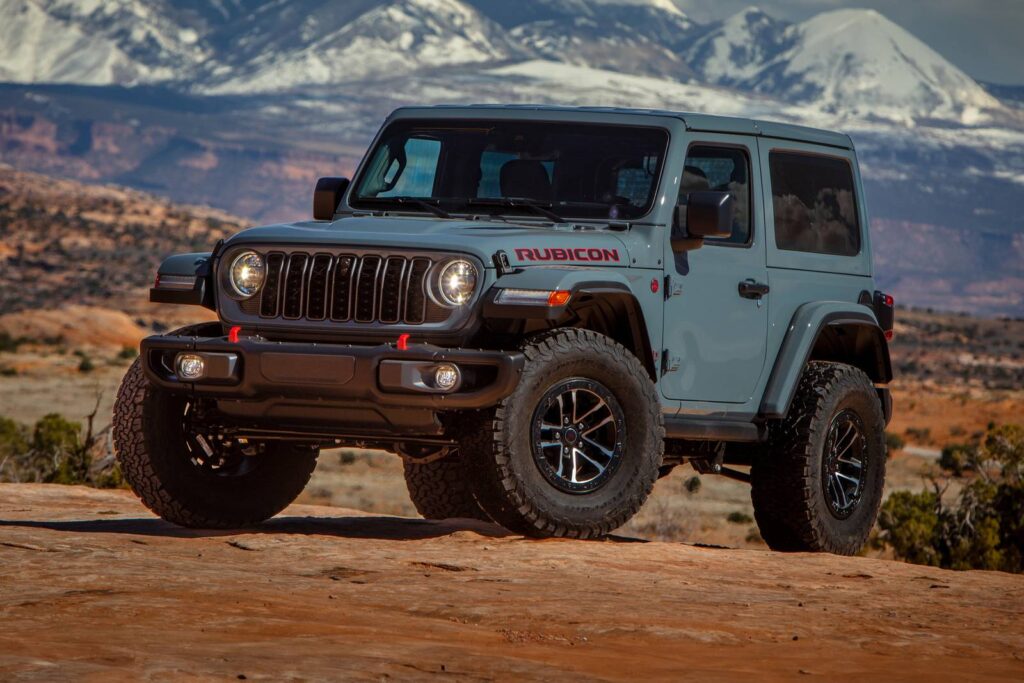
When we talk about the Jeep Wrangler, we’re not just discussing a vehicle—we’re talking about a rolling icon. It’s the automotive equivalent of a Swiss Army knife: rugged, versatile, occasionally stubborn, and undeniably charismatic. But charisma alone doesn’t define quality. So the big question remains: how good is Jeep Wrangler quality, really?
We’ve spent years dissecting Wranglers from frame to fender, from trail scars to dealership service bays. In this deep dive, we’ll unpack build quality, reliability, materials, longevity, real-world ownership experiences, and how the Wrangler stacks up over time. No fluff. No rose-tinted glasses. Just the honest truth—spoken like enthusiasts who’ve gotten their boots muddy alongside this legend.
Content in this publication
- What “Quality” Means in a Jeep Wrangler Context
- Jeep Wrangler Build Quality: Old-School Toughness
- Interior Quality: Honest, Not Fancy
- Engine Quality and Mechanical Reliability
- Transmission and Drivetrain Durability
- Off-Road Capability as a Measure of Quality
- Ride Quality vs Structural Integrity
- Long-Term Durability: How Wranglers Age
- Quality Control: Factory vs Real World
- Wrangler Quality Compared to Other SUVs
- Aftermarket Support as a Quality Indicator
- Ownership Experience and Perceived Quality
- Common Criticisms—and Why They Exist
- Is Jeep Wrangler Quality Improving Over Time?
- Who the Wrangler Is (and Isn’t) For
- Final Verdict: Is Jeep Wrangler Quality Worth It?
- FAQs About Jeep Wrangler Quality
What “Quality” Means in a Jeep Wrangler Context
Quality isn’t one-size-fits-all. With the Wrangler, it plays by different rules.
Utility Over Luxury
Wrangler quality isn’t about buttery-soft leather or whisper-quiet cabins. It’s about:
- Surviving abuse
- Performing in hostile terrain
- Remaining repairable decades later
Purpose-Built Design
Every rattle, bolt, and exposed hinge exists for a reason. The Wrangler was never meant to be delicate—it was meant to be dependable where roads don’t exist.
Jeep Wrangler Build Quality: Old-School Toughness
Body-on-Frame Construction
Unlike modern unibody SUVs, the Wrangler sticks to a body-on-frame layout, which delivers:
- Greater torsional rigidity off-road
- Easier repairs after trail damage
- Long-term durability under stress
This design alone explains why Wranglers from the 1990s are still crawling over rocks today.
Steel Where It Counts
Key structural areas use high-strength steel, especially:
- Ladder frame
- Axles
- Suspension mounting points
It’s not pretty underneath—but it’s effective.
Interior Quality: Honest, Not Fancy
Let’s be blunt: Wrangler interiors won’t win luxury awards.
Materials That Can Take Abuse
What you do get:
- Hard-wearing plastics
- Rubberized controls
- Washable surfaces (especially in newer models)
This is an interior designed to be:
- Rained on
- Hosed out
- Scratched by gear
Fit and Finish Improvements Over Time
Modern Wranglers (JL generation onward) show major improvements:
- Tighter panel gaps
- Better switchgear
- Improved infotainment responsiveness
Still not plush—but far more refined than older generations.
Engine Quality and Mechanical Reliability
Wrangler engines are known for one thing: longevity.
Proven Powertrains
Popular engines include:
- 3.6L Pentastar V6
- 2.0L Turbo
- 4.0L inline-six (legendary)
These engines are:
- Overbuilt
- Easy to service
- Known to exceed 200,000 miles with care
Mechanical Simplicity
Less complexity means:
- Fewer catastrophic failures
- Easier DIY repairs
- Lower long-term ownership stress
Transmission and Drivetrain Durability
Manual and Automatic Options
Wrangler transmissions are not cutting-edge—but that’s intentional.
Manual Gearboxes
- Thick gears
- Simple design
- Excellent trail control
Automatic Transmissions
- Built for torque
- Proven ZF-based units in newer models
- Strong reliability record
4x4 System Quality
The Wrangler’s transfer case and axles are industry benchmarks:
You may be interested in reading Are Jeep Wrangler Safe? A Real-World Look at Protection, Performance, and Peace of Mind
- Dana axles
- Rock-Trac and Command-Trac systems
- Lockers built for punishment
This is where Wrangler quality truly shines.
Off-Road Capability as a Measure of Quality
Wrangler quality is most visible when the pavement ends.
Trail-Tested Engineering
Wranglers handle:
- Deep water crossings
- Extreme articulation
- High-torque crawling
Without structural compromise.
Factory Off-Road Hardware
Depending on trim, you’ll find:
- Skid plates
- Locking differentials
- Disconnecting sway bars
Quality isn’t optional here—it’s mandatory.
Ride Quality vs Structural Integrity
Let’s address the elephant in the room.
On-Road Manners
Wranglers are:
- Loud
- Stiff
- Boxy
But that’s a trade-off, not a flaw.
Why It’s Worth It
That stiffness translates into:
- Trail stability
- Frame longevity
- Resistance to flex damage
Think of it like hiking boots versus dress shoes—comfort isn’t the only metric.
Long-Term Durability: How Wranglers Age
Wranglers age like well-used tools.
What Improves With Time
- Engines break in
- Drivetrain components loosen naturally
- Aftermarket upgrades enhance durability
What Shows Wear
- Door seals
- Suspension bushings
- Soft tops
But these are manageable—and expected.
Quality Control: Factory vs Real World
Jeep has faced criticism here, fairly so.
Factory Variability
Some Wranglers leave the factory better than others. Common early-life issues include:
- Minor electrical gremlins
- Alignment quirks
- Panel fit inconsistencies
Why Owners Stay Loyal Anyway
Because once sorted:
- Major components last
- Repairs are straightforward
- Parts availability is unmatched
Wrangler quality isn’t fragile—it’s fixable.
Wrangler Quality Compared to Other SUVs
Vs Crossovers
Wranglers win in:
- Durability
- Off-road performance
- Longevity
They lose in:
- Comfort
- Refinement
- Fuel economy
Vs Traditional SUVs
Against rivals like the Bronco or Land Cruiser:
You may be interested in readingAre Jeep Wrangler Safe? A Real-World Look at Protection, Performance, and Peace of MindYou may be interested in reading
 Are Jeep Wrangler Good Cars? An Honest, Real-World Look
- Wrangler offers more customization
- Stronger aftermarket support
- Lower entry costs
Aftermarket Support as a Quality Indicator
Few vehicles enjoy this level of support.
Why It Matters
A massive aftermarket means:
- Easy upgrades
- Affordable repairs
- Extended vehicle lifespan
Wrangler quality doesn’t stop at the factory—it evolves.
Ownership Experience and Perceived Quality
Quality isn’t just mechanical—it’s emotional.
The Wrangler Effect
Owners describe:
- A sense of freedom
- A community-driven experience
- Pride in ownership
Wranglers don’t feel disposable. They feel personal.
Common Criticisms—and Why They Exist
Let’s be honest.
Frequent Complaints
- Wind noise
- Fuel economy
- Steering feel
Context Matters
These traits exist because:
- Removable doors and roofs
- Upright windshield
- Solid axles
Change those, and you lose what makes a Wrangler a Wrangler.
Is Jeep Wrangler Quality Improving Over Time?
Absolutely.
Modern Advancements
Recent models offer:
- Better corrosion protection
- Improved electronics
- Stronger frames
Jeep is refining without diluting the formula.
Who the Wrangler Is (and Isn’t) For
Perfect For
- Off-road enthusiasts
- Adventure seekers
- Long-term ownership planners
Not Ideal For
- Luxury-focused buyers
- Silence seekers
- Low-maintenance commuters
Quality depends on expectations.
Final Verdict: Is Jeep Wrangler Quality Worth It?
Wrangler quality isn’t polished—it’s purposeful. It’s not perfect, but it’s resilient. Like a good leather jacket, it gets better with stories, scars, and time.
If you value strength over softness, character over conformity, and durability over delicacy, then yes—Jeep Wrangler quality is not just good, it’s iconic.
FAQs About Jeep Wrangler Quality
Is Jeep Wrangler quality reliable long term?
Yes, especially drivetrain and structural components when properly maintained.
Do Wranglers have quality control issues?
Occasionally early on, but most are minor and fixable.
Are older Wranglers better quality than new ones?
Older models are simpler; newer ones are more refined—both have strengths.
Is Wrangler interior quality poor?
It’s rugged, not luxurious—by design.
Does Wrangler quality justify the price?
For off-road capability and longevity, absolutely.
You may be interested in readingAre Jeep Wrangler Safe? A Real-World Look at Protection, Performance, and Peace of MindYou may be interested in reading
Are Jeep Wrangler Good Cars? An Honest, Real-World LookYou may be interested in reading
 Are Jeep Wrangler Good in Snow? The Real-World Winter Verdict
If you want to know other articles similar to Jeep Wrangler Quality: Built Tough or Built to Test You? you can visit the category Blog.
Vauxhall Meriva Insurance Group UK: Costs, Ratings and Savings

Is Hyundai i40 a Good Car? An Honest Used-Car Review
Hyundai i40 Years to Avoid: The Complete Used-Car Guide
Hyundai i40 Reliability: Common Problems, Lifespan, and Buying Advice
Which Kia Rio Engine Is Best? A Smart Buyer’s Guide
Kia Rio Reliability: A Real-World Guide for Smart Buyers
Leave a Reply
More content of your interest