

BMW 3 Series Ride Quality: The Complete Guide to Comfort, Handling, and Everyday Driving

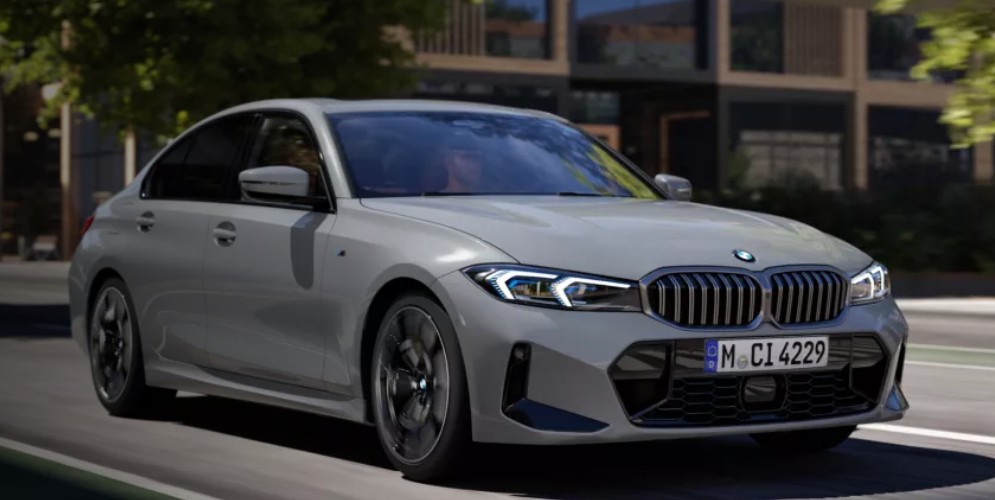
The BMW 3 Series has long been considered the benchmark sports sedan. For decades, it has balanced two characteristics that often seem impossible to combine: sharp handling and everyday comfort. But when people ask about BMW 3 Series ride quality, they're usually trying to answer a simple question: Is it comfortable enough for daily driving while still feeling like a BMW?
The answer is yes—but with some important details.
Ride quality varies significantly depending on the generation, wheel size, suspension setup, trim level, and even the type of roads you drive on. One BMW 3 Series can feel like a refined luxury cruiser, while another can transmit every bump and crack directly into the cabin.
In this comprehensive guide, we'll explore everything that affects BMW 3 Series ride quality, helping you understand what to expect from this iconic sedan and which version may be best suited to your driving preferences.
Content in this publication
- What Makes BMW 3 Series Ride Quality So Unique?
- The Evolution of BMW 3 Series Ride Comfort
- How Suspension Design Affects Ride Quality
- Wheel Size: The Hidden Ride Quality Factor
- Road Noise and Cabin Refinement
- Seat Comfort and Its Role in Ride Quality
- City Driving Experience
- Highway Ride Quality
- Ride Quality in Different BMW 3 Series Models
- How the BMW 3 Series Compares to Competitors
- The Importance of Tire Choice
- Weather Conditions and Ride Quality
- Factors That Can Deteriorate Ride Quality
- Is the BMW 3 Series Comfortable Enough for Families?
- Who Will Love BMW 3 Series Ride Quality?
- Who Might Prefer Something Softer?
- The Future of BMW 3 Series Ride Comfort
- Final Thoughts on BMW 3 Series Ride Quality
- Frequently Asked Questions
- Conclusion
What Makes BMW 3 Series Ride Quality So Unique?
BMW has always pursued a philosophy known as the “ultimate driving machine.” Unlike many luxury brands that prioritize softness above all else, BMW aims for balance.
The result is a ride that feels controlled rather than floaty.
Instead of isolating the driver from the road entirely, the 3 Series communicates what's happening beneath the tires. Think of it as the difference between walking on a cloud and wearing high-performance running shoes. Both are comfortable, but one gives you far more feedback.
This philosophy has shaped every generation of the BMW 3 Series.
The Evolution of BMW 3 Series Ride Comfort
Early Generations Focused on Driver Engagement
Earlier generations such as the E30 and E36 prioritized handling precision.
Compared with modern standards:
- Suspensions were firmer
- Cabins offered less sound insulation
- Road feedback was more noticeable
- Ride comfort took a back seat to performance
Drivers loved the connection, but passengers sometimes felt differently.
The E46 Improved Refinement
The E46 generation marked a turning point.
BMW began introducing:
- Better suspension tuning
- Enhanced cabin insulation
- Improved seat comfort
- Reduced vibration levels
Many enthusiasts still consider the E46 one of the best-balanced 3 Series models ever produced.
The E90 Added Sophistication
The E90 generation became noticeably more mature.
Ride quality improvements included:
- Stronger chassis rigidity
- More advanced suspension systems
- Better damping characteristics
- Reduced cabin noise
The result was a car that felt both sporty and refined.
The F30 Shifted Toward Comfort
The F30 generation sparked debate among enthusiasts.
BMW softened the ride significantly.
Benefits included:
- Improved highway comfort
- Better long-distance cruising
- Reduced harshness
- Increased passenger satisfaction
However, some drivers felt it lost a small portion of the classic BMW sharpness.
The G20 Represents Modern Balance
Today's G20 generation arguably delivers the most complete ride quality in the model's history.
It combines:
- Excellent body control
- Advanced damping technology
- Improved cabin isolation
- High-speed stability
- Everyday comfort
For many buyers, it strikes the ideal balance.
How Suspension Design Affects Ride Quality
Standard Suspension Setup
The standard suspension is usually the most comfortable option.
Characteristics include:
- Softer spring rates
- Better bump absorption
- More relaxed ride
- Reduced cabin disturbance
For commuters and families, this setup often makes the most sense.
M Sport Suspension
The M Sport package changes the driving experience considerably.
Benefits:
- Sharper cornering
- Reduced body roll
- More responsive steering feel
Trade-offs:
- Firmer ride
- Increased impact harshness
- Greater road surface awareness
Many enthusiasts gladly accept these compromises.
Adaptive Suspension Systems
Adaptive dampers represent the best of both worlds.
Using electronically controlled shock absorbers, the system continuously adjusts damping force.
In Comfort mode:
- Softer responses
- Better bump absorption
- Relaxed cruising
In Sport mode:
- Tighter body control
- Increased responsiveness
- Enhanced driver confidence
This flexibility significantly improves overall ride quality.
17-Inch Wheels
Many experts consider 17-inch wheels the sweet spot.
Advantages include:
- More tire sidewall
- Better impact absorption
- Reduced road noise
- Lower replacement costs
Ride comfort is typically excellent.
18-Inch Wheels
Eighteen-inch wheels often provide the ideal compromise.
Benefits:
- Attractive appearance
- Good ride comfort
- Improved handling
- Balanced performance
For many owners, this size delivers the best overall experience.
19-Inch Wheels
Larger wheels look stunning but can affect ride quality.
Potential drawbacks:
- Firmer ride
- Increased road noise
- Greater susceptibility to pothole impacts
- More expensive tire replacements
On smooth roads, they perform beautifully. On rough surfaces, the difference becomes noticeable.
Road Noise and Cabin Refinement
Modern BMW Insulation Improvements
Recent BMW 3 Series generations have made enormous strides in cabin quietness.
Engineers have added:
- Acoustic glass
- Better door sealing
- Improved floor insulation
- Enhanced wheel arch protection
The result is a significantly quieter cabin.
Highway Performance
At highway speeds, the modern 3 Series feels remarkably composed.
Wind noise remains low.
Road noise is controlled.
Engine sounds stay refined.
This contributes enormously to perceived ride quality.
Seat Comfort and Its Role in Ride Quality
Ride quality isn't solely about suspension.
Seats play a critical role.
Standard Seats
Standard BMW seats typically offer:
- Good support
- Comfortable cushioning
- Effective long-distance comfort
They work well for most drivers.
Sport Seats
Sport seats add:
- Larger bolsters
- Improved lateral support
- Enhanced driving confidence
While firmer, many drivers actually find them more comfortable during long journeys because they reduce fatigue.
City Driving Experience
Handling Urban Roads
Urban environments constantly challenge suspension systems.
Drivers encounter:
- Speed bumps
- Potholes
- Expansion joints
- Uneven pavement
The BMW 3 Series generally handles these obstacles effectively.
Comfort Versus Firmness
Compared to softer luxury sedans, the BMW feels slightly firmer.
However, it avoids becoming harsh.
Instead, impacts feel controlled and well-managed.
This distinction separates premium suspension tuning from simple softness.
Highway Ride Quality
Long-Distance Comfort
The BMW 3 Series excels during highway travel.
Key strengths include:
- Straight-line stability
- Comfortable seating
- Low noise levels
- Excellent suspension control
Hours behind the wheel pass surprisingly easily.
Confidence at Speed
Many cars feel comfortable at low speeds but become unsettled at higher velocities.
The 3 Series does the opposite.
As speeds increase, the chassis often feels even more planted and secure.
This characteristic has become a hallmark of the model.
Ride Quality in Different BMW 3 Series Models
BMW 320i Ride Quality
The 320i focuses on efficiency and comfort.
Characteristics include:
- Softer overall tuning
- Comfortable daily driving
- Relaxed behavior
Ideal for commuting.
BMW 330i Ride Quality
The 330i offers an excellent balance.
Drivers enjoy:
- Strong performance
- Refined ride
- Excellent versatility
Many consider it the sweet spot in the lineup.
BMW M340i Ride Quality
The M340i introduces a sportier personality.
Benefits include:
- Exceptional performance
- Adaptive suspension availability
- Strong body control
Yet it remains surprisingly comfortable.
BMW has done an impressive job preserving everyday usability.
How the BMW 3 Series Compares to Competitors
BMW 3 Series vs Mercedes-Benz C-Class
Mercedes-Benz C-Class typically offers:
- Softer ride
- Greater isolation
- More luxury-focused tuning
The BMW generally provides:
- Better driver engagement
- Sharper handling
- More road communication
BMW 3 Series vs Audi A4
Audi A4 focuses on refinement.
Compared to the Audi:
- BMW feels more athletic
- Audi feels slightly calmer
- Both offer strong comfort levels
Choosing between them often comes down to personal preference.
BMW 3 Series vs Lexus IS
Lexus IS delivers reliability and comfort.
The BMW usually feels:
- More sophisticated dynamically
- Better balanced
- More engaging on winding roads
The Importance of Tire Choice
Run-Flat Tires
BMW frequently equips vehicles with run-flat tires.
Advantages:
- Continued driving after punctures
- Increased convenience
- Enhanced safety
Disadvantages:
- Firmer ride
- Increased road noise
- Reduced impact absorption
Conventional Tires
Many owners switch to conventional tires.
Common benefits include:
- Improved ride comfort
- Better noise reduction
- Enhanced compliance
The difference can be surprisingly noticeable.
Weather Conditions and Ride Quality
Wet Roads
The BMW 3 Series remains stable and composed in wet conditions.
Advanced chassis tuning helps maintain confidence even when road surfaces become slippery.
Rough Roads
On rough pavement, suspension configuration becomes increasingly important.
Cars equipped with:
- Smaller wheels
- Standard suspension
- Conventional tires
often deliver the smoothest experience.
Factors That Can Deteriorate Ride Quality
Worn Suspension Components
Ride quality often declines due to:
- Aging shock absorbers
- Worn bushings
- Damaged springs
- Alignment issues
Maintenance is essential.
Incorrect Tire Pressure
Improper tire pressure dramatically affects comfort.
Overinflated tires:
- Increase harshness
- Reduce compliance
Underinflated tires:
- Reduce precision
- Create instability
Maintaining recommended pressures preserves ride quality.
Is the BMW 3 Series Comfortable Enough for Families?
Absolutely.
Modern generations offer:
- Spacious cabins
- Comfortable seating
- Smooth highway manners
- Good rear-seat comfort
While not as soft as some luxury-focused competitors, the balance often proves more satisfying over time.
Who Will Love BMW 3 Series Ride Quality?
The ideal BMW 3 Series driver appreciates:
- Comfort with feedback
- Stability at speed
- Responsive handling
- Premium refinement
If you want a car that feels alive without becoming exhausting, the 3 Series remains one of the strongest choices available.
Who Might Prefer Something Softer?
Drivers seeking maximum isolation may prefer alternatives tuned primarily for comfort.
These individuals often prioritize:
- Pillow-soft suspension
- Minimal road feel
- Maximum cabin isolation
The BMW takes a more balanced approach.
The Future of BMW 3 Series Ride Comfort
As technology advances, BMW continues refining the formula.
Future developments may include:
- Smarter adaptive damping
- Improved chassis electronics
- Enhanced acoustic insulation
- More advanced tire technology
Yet the fundamental mission remains unchanged: combining comfort with driving enjoyment.
Final Thoughts on BMW 3 Series Ride Quality
The BMW 3 Series ride quality succeeds because it refuses to choose between comfort and performance. Instead of floating over the road like a luxury yacht or crashing over imperfections like a track-focused sports car, it walks a narrow path between the two.
That balance is its secret.
Whether we're commuting through city traffic, cruising hundreds of highway miles, or carving through twisting back roads, the 3 Series consistently delivers a composed, confident, and rewarding experience.
Ride quality isn't merely about softness. It's about control, confidence, refinement, and connection. Few vehicles blend those qualities as effectively as the BMW 3 Series.
Frequently Asked Questions
1. Is the BMW 3 Series comfortable for long trips?
Yes. Modern BMW 3 Series models offer excellent seat comfort, strong highway stability, low cabin noise, and impressive long-distance refinement.
2. Does the M Sport suspension make the ride harsher?
Yes. M Sport suspension improves handling and body control but typically produces a firmer ride than the standard suspension setup.
3. Which BMW 3 Series generation has the best ride quality?
Many drivers consider the G20 generation the best overall balance between comfort, refinement, and handling performance.
4. Do larger wheels affect BMW 3 Series ride quality?
Yes. Larger wheels generally reduce ride comfort because shorter tire sidewalls absorb fewer road imperfections.
5. Are run-flat tires bad for ride comfort?
Not necessarily, but many owners report improved comfort and reduced road noise after switching from run-flat tires to conventional tires.
Conclusion
The BMW 3 Series continues to define what a premium sports sedan should feel like. Its ride quality isn't the softest in the segment, nor is it the firmest. Instead, it offers a carefully engineered middle ground where comfort and performance coexist beautifully. For drivers who want daily usability without sacrificing engagement, the BMW 3 Series remains one of the most complete and satisfying choices on the road today.
If you want to know other articles similar to BMW 3 Series Ride Quality: The Complete Guide to Comfort, Handling, and Everyday Driving you can visit the category Driving.
Can Nissan Rogue Pull a Boat? Complete Towing Guide
Can Nissan Rogue Be Flat Towed? Complete Towing Guide
Are Nissan Rogue Good on Gas? MPG, Fuel Economy, and Real-World Costs
Can Nissan Rogue Drive in Snow? Complete Winter Driving Guide

Kia Sorento Diesel Fuel Consumption: MPG, Efficiency and Real-World Range
Haval Jolion Hybrid Fuel Consumption: How Efficient Is It Really?
Leave a Reply
More content of your interest