

Dodge Charger vs Challenger 1970: The Ultimate Mopar Muscle Car Showdown

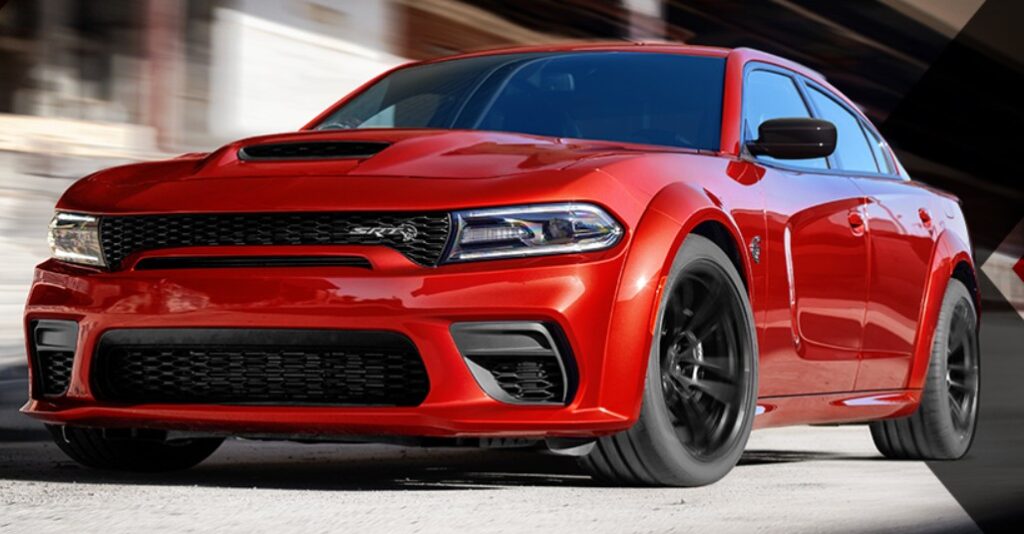
The year 1970 stands as one of the greatest moments in American automotive history. Muscle cars ruled the streets, horsepower wars were escalating, and manufacturers competed fiercely to build faster, louder, and more aggressive machines. Among the legends that emerged from this golden era, two names continue to dominate conversations among enthusiasts: the 1970 Dodge Charger and the 1970 Dodge Challenger.
At first glance, these iconic Mopars seem like close relatives. They share powerful engines, bold styling, and a reputation for delivering thrilling performance. Yet beneath the surface, they were designed for different buyers and offered unique experiences behind the wheel.
So which classic muscle car deserves the crown? Let's explore the ultimate battle between the Dodge Charger and Challenger of 1970.
Content in this publication
- Why the 1970 Model Year Was So Important
- The Origins of the 1970 Dodge Charger
- The Arrival of the 1970 Dodge Challenger
- Exterior Styling Comparison
- Size and Dimensions
- Engine Options in the 1970 Charger
- Engine Options in the 1970 Challenger
- Performance Battle
- Handling Characteristics
- Interior Comfort and Features
- Special Performance Models
- The Rare HEMI Variants
- Collectibility in Today's Market
- Cultural Impact of the Charger
- Cultural Impact of the Challenger
- Ownership Experience Today
- Who Should Buy a 1970 Charger?
- Who Should Buy a 1970 Challenger?
- Key Differences at a Glance
- Final Verdict: Dodge Charger vs Challenger 1970
- Frequently Asked Questions
Why the 1970 Model Year Was So Important
The muscle car market reached its peak around 1970. Manufacturers were pushing engineering limits, creating vehicles with enormous V8 engines and eye-catching designs.
For Dodge, 1970 was particularly significant because:
- The Charger was already an established performance icon.
- The Challenger was introduced as an all-new pony car.
- Legendary engines like the 426 HEMI and 440 Six Pack were available.
- Competition from Ford and Chevrolet was at an all-time high.
The result was a lineup that remains highly collectible today.
The Origins of the 1970 Dodge Charger
A Mature Muscle Car Icon
By 1970, the Charger had evolved through several generations and had already established itself as one of America's premier muscle cars.
The Charger was larger, more luxurious, and aimed at buyers seeking a combination of performance and practicality.
Its distinctive hidden headlights, muscular body lines, and fastback-inspired roofline helped it stand out from competitors.
The New Face of the 1970 Charger
For 1970, Dodge redesigned the front fascia with:
- A prominent chrome bumper
- New grille design
- Updated taillights
- Refreshed interior options
The changes gave the Charger a more aggressive and modern appearance while maintaining its unmistakable identity.
The Arrival of the 1970 Dodge Challenger
Dodge Enters the Pony Car War
Unlike the Charger, the Challenger was brand new for 1970.
Dodge created the Challenger to compete directly with cars such as:
- Ford Mustang
- Chevrolet Camaro
- Pontiac Firebird
The Challenger shared its platform with the legendary Plymouth Barracuda but featured unique styling and luxury touches.
A Fresh Design Philosophy
The Challenger's appearance emphasized:
- Long hood proportions
- Short rear deck
- Wide stance
- Sporty character
While the Charger looked like a heavyweight prizefighter, the Challenger resembled a lean athlete ready to sprint.
Exterior Styling Comparison
1970 Charger Design
The Charger projected authority.
Its styling included:
- Full-size dimensions
- Broad front grille
- Coke-bottle body shape
- Distinctive flying-buttress roof
The Charger looked intimidating even when parked.
1970 Challenger Design
The Challenger emphasized elegance and aggression simultaneously.
Notable features included:
- Quad headlights
- Flush grille
- Sleek side profile
- Wider appearance
Many enthusiasts consider the 1970 Challenger one of the most beautiful muscle cars ever built.
Which Looks Better?
Beauty is subjective.
Drivers who prefer a large, commanding presence often choose the Charger.
Those seeking sleek proportions and timeless styling frequently gravitate toward the Challenger.
Size and Dimensions
Dodge Charger: The Bigger Machine
The Charger was built on Dodge's B-body platform.
Advantages included:
- Larger interior
- More rear-seat room
- Better highway comfort
- Increased trunk capacity
Families could realistically use the Charger as a daily driver.
Dodge Challenger: The Compact Alternative
The Challenger rode on the E-body platform.
Benefits included:
- Lighter overall feel
- Sportier handling
- Easier maneuverability
- Youthful appeal
The smaller dimensions contributed to its athletic character.
You may be interested in reading Nissan Altima Year Models: A Complete Guide to Every Generation
Engine Options in the 1970 Charger
One of the Charger’s greatest strengths was its extensive engine lineup.
Entry-Level Engines
Base buyers could choose:
- 225 Slant Six
- 318 V8
These engines prioritized affordability over performance.
Performance-Oriented Choices
Moving up the range unlocked:
- 383 Magnum
- 440 Magnum
- 440 Six Pack
These engines transformed the Charger into a serious performance machine.
The Legendary 426 HEMI
The crown jewel was the 426 HEMI.
Producing a factory-rated 425 horsepower, it became one of the most feared engines of the muscle car era.
In reality, many enthusiasts believe actual output exceeded official ratings.
Engine Options in the 1970 Challenger
The Challenger offered nearly identical engine choices.
A Wide Range of Performance
Buyers could select:
- Slant Six
- 318 V8
- 340 V8
- 383 Magnum
- 440 Magnum
- 440 Six Pack
- 426 HEMI
This flexibility allowed customers to configure the car for economy, cruising, or drag racing.
The Popular 340 Challenger
One of the most respected versions featured the 340 V8.
The lighter front-end weight provided excellent balance while still delivering impressive acceleration.
Performance Battle
Acceleration
When equipped with similar engines, performance differences were relatively small.
However, the Challenger's lower weight often gave it a slight edge.
Approximate 0–60 mph times:
| Model | Engine | 0–60 MPH |
|---|---|---|
| Charger R/T | 440 Six Pack | 5.5–6.0 sec |
| Challenger R/T | 440 Six Pack | 5.3–5.8 sec |
| Charger HEMI | 426 HEMI | 5.2–5.7 sec |
| Challenger HEMI | 426 HEMI | 5.0–5.5 sec |
Quarter-Mile Performance
Both cars excelled at drag racing.
HEMI-equipped examples routinely achieved quarter-mile times in the low 13-second range when properly tuned.
Handling Characteristics
How the Charger Drives
The Charger delivers a substantial road presence.
Drivers experience:
- Smooth highway cruising
- Stable high-speed behavior
- Comfortable ride quality
The trade-off is reduced agility in tight corners.
How the Challenger Drives
The Challenger feels more nimble.
Advantages include:
- Faster directional changes
- Better responsiveness
- More engaging driving dynamics
For spirited driving, many enthusiasts prefer the Challenger.
Interior Comfort and Features
Inside the Charger
The Charger offered:
- Spacious cabin
- Comfortable seating
- Larger rear passenger area
- Long-distance touring capability
It blended muscle and practicality remarkably well.
Inside the Challenger
The Challenger emphasized sportiness.
Features included:
- Driver-focused dashboard
- Bucket seats
- Performance-oriented atmosphere
Although smaller, it still provided reasonable comfort.
Special Performance Models
Charger R/T
The R/T package transformed the Charger into a serious muscle machine.
Key features included:
You may be interested in readingNissan Altima Year Models: A Complete Guide to Every GenerationYou may be interested in reading
Nissan Altima Trim Levels: Complete Guide to Every Model and Feature- High-performance engines
- Heavy-duty suspension
- Sport styling upgrades
- Enhanced braking systems
Challenger R/T
The Challenger R/T served a similar role.
It became one of the most sought-after Mopars ever produced thanks to its combination of style and performance.
The Rare HEMI Variants
Why HEMI Cars Are So Valuable
Both Charger and Challenger HEMI models rank among the most collectible American cars ever built.
Reasons include:
- Low production numbers
- Exceptional performance
- Racing heritage
- Cultural significance
Today, pristine examples often command six-figure prices and sometimes far more.
Collectibility in Today's Market
1970 Charger Values
The Charger enjoys massive popularity thanks to:
- NASCAR heritage
- Movie appearances
- Strong enthusiast following
Rare R/T and HEMI versions are especially valuable.
1970 Challenger Values
The Challenger benefits from:
- Limited first-year production
- Stunning styling
- Strong collector demand
HEMI Challengers regularly rank among the most valuable Mopars sold at auction.
Cultural Impact of the Charger
The Charger became an American icon through decades of media exposure.
Its aggressive appearance made it a favorite for:
- Movies
- Television shows
- Racing events
- Automotive advertising
Few muscle cars have achieved similar recognition.
Cultural Impact of the Challenger
The Challenger developed its own devoted following.
Its combination of beauty and brute force helped it become one of the most celebrated pony cars ever built.
Even modern Dodge muscle cars continue drawing inspiration from the original 1970 design.
Ownership Experience Today
Maintaining a 1970 Charger
Owners should prepare for:
- Higher restoration costs
- Larger parts requirements
- Significant fuel consumption
However, the reward is owning one of America's most recognizable muscle cars.
Maintaining a 1970 Challenger
The Challenger offers:
- Strong aftermarket support
- Excellent parts availability
- Massive enthusiast community
Restoration projects remain popular among collectors.
Who Should Buy a 1970 Charger?
The Charger may be ideal if we want:
- Larger dimensions
- Comfortable cruising
- Family-friendly practicality
- A commanding road presence
It feels like a muscle car built for long highways and grand entrances.
Who Should Buy a 1970 Challenger?
The Challenger is often the better choice if we prefer:
- Sportier handling
- Sleeker styling
- Pony car proportions
- A more youthful personality
It delivers excitement with every glance and every drive.
Key Differences at a Glance
1970 Charger
- Larger B-body platform
- More interior room
- Better highway cruiser
- Heavier appearance
- Strong muscle-car identity
1970 Challenger
- Smaller E-body platform
- Sportier handling
- Sleeker proportions
- Lighter feel
- Pony-car personality
Final Verdict: Dodge Charger vs Challenger 1970
Choosing between the 1970 Dodge Charger and the 1970 Dodge Challenger is like choosing between a heavyweight champion and an Olympic sprinter. Both possess incredible strength, unforgettable styling, and legendary performance.
The Charger wins when we prioritize size, comfort, and commanding presence. It feels larger than life—a thunderstorm on wheels.
The Challenger shines when we value agility, sleek design, and a more intimate driving experience. It is a perfectly balanced blend of beauty and muscle.
Ultimately, there is no wrong choice. Both vehicles represent the pinnacle of the American muscle car era and continue to captivate enthusiasts more than five decades later. Whether we prefer the Charger’s intimidating charisma or the Challenger’s athletic elegance, we are celebrating two of the greatest cars ever to leave Detroit.
Frequently Asked Questions
1. Which is faster, the 1970 Charger or Challenger?
With identical engines, performance is very similar. The lighter Challenger often has a slight acceleration advantage.
2. Was the 1970 Challenger available with a 426 HEMI?
Yes. Buyers could order the legendary 426 HEMI, making it one of the most desirable Challenger variants ever produced.
3. Which is more collectible today?
Both are highly collectible, but rare HEMI-equipped versions of either model can reach extremely high auction values.
4. Is the 1970 Charger bigger than the Challenger?
Yes. The Charger rides on a larger B-body platform and offers more interior and trunk space.
You may be interested in readingNissan Altima Year Models: A Complete Guide to Every GenerationYou may be interested in reading
Nissan Altima Trim Levels: Complete Guide to Every Model and FeatureYou may be interested in reading
Which Nissan Altima Is the Best? A Complete Guide to the Top Altima Models5. Which car has better styling?
Styling is subjective. Many enthusiasts prefer the Charger’s aggressive look, while others consider the Challenger one of the most beautiful muscle cars ever built.
If you want to know other articles similar to Dodge Charger vs Challenger 1970: The Ultimate Mopar Muscle Car Showdown you can visit the category Models.
Honda Passport vs Toyota 4Runner: Which SUV Is Better?
Honda Passport vs Ford Bronco: Which SUV Is Better?
Honda Passport vs Ford Explorer: Which SUV Is Better?
Honda Passport or Pilot: Which SUV Is Better?
Honda Passport vs Jeep Grand Cherokee: Which SUV Is Better?
Honda Passport vs Nissan Pathfinder: Which SUV Is Better?
Leave a Reply
More content of your interest