

Ford Taurus SHO Generations: Complete History and Comparison

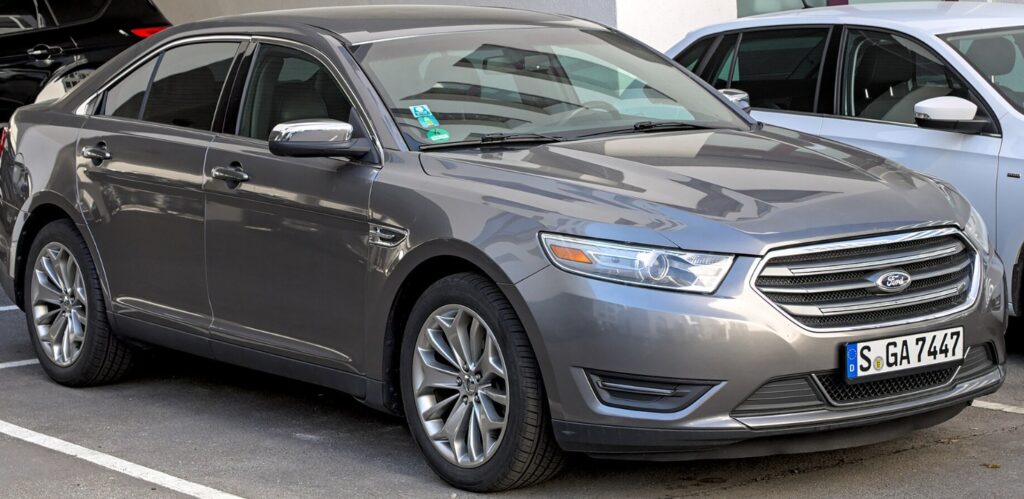
The Ford Taurus SHO has always been the automotive equivalent of a tailored suit hiding a superhero costume. At first glance, it looks like a sensible American family sedan—comfortable, roomy, and ready for the daily commute. Press the accelerator, however, and the SHO reveals an entirely different personality.
SHO stands for Super High Output, and Ford used those three letters to identify the most performance-focused versions of the Taurus. Across four distinct generations, the SHO evolved from a lightweight, manual-transmission sports sedan with an exotic Yamaha-developed engine into a powerful twin-turbocharged, all-wheel-drive highway machine.
That evolution was anything but predictable.
The original 1989 model used a high-revving 3.0-liter V6 and a five-speed manual transmission. The second generation refined that formula while introducing an automatic option. The third generation abandoned the V6 and manual gearbox in favor of an unusual 3.4-liter V8. After disappearing for a decade, the SHO returned in 2010 with a 365-horsepower EcoBoost engine and standard all-wheel drive.
Each version interpreted the SHO idea differently. Some emphasized driver involvement. Others focused on refinement, speed, or all-weather usability.
So, which Ford Taurus SHO generation is the best? Which is the fastest? Which offers the purest driving experience? And which one makes the most sense as a used performance sedan today?
Let’s explore every Ford Taurus SHO generation in chronological order.
Content in this publication
- Ford Taurus SHO Generations at a Glance
- What Does SHO Mean on a Ford Taurus?
- Why Ford Created the Taurus SHO
- First-Generation Ford Taurus SHO: 1989–1991
- First-Generation SHO Interior and Equipment
- First-Generation SHO Strengths
- First-Generation SHO Weaknesses
- Second-Generation Ford Taurus SHO: 1992–1995
- The Automatic SHO Arrived in 1993
- Second-Generation Styling
- Second-Generation SHO Reliability
- Which Second-Generation SHO Is Best?
- Third-Generation Ford Taurus SHO: 1996–1999
- Third-Generation Driving Experience
- Third-Generation SHO Strengths
- Third-Generation SHO Weaknesses
- Why the V8 SHO Deserves More Appreciation
- Why the Ford Taurus SHO Disappeared After 1999
- Fourth-Generation Ford Taurus SHO: 2010–2019
- Six-Speed Automatic Transmission
- Fourth-Generation SHO Design
- The SHO Performance Package
- The 2013 Ford Taurus SHO Refresh
- Fourth-Generation SHO Performance
- Fourth-Generation SHO Reliability Concerns
- Comparing All Ford Taurus SHO Generations
- Which Ford Taurus SHO Generation Is the Fastest?
- Which Ford Taurus SHO Is the Most Fun to Drive?
- Which SHO Is Best for Daily Driving?
- Which SHO Generation Is the Most Collectible?
- Which Ford Taurus SHO Is the Rarest?
- Best Ford Taurus SHO Generation for Different Buyers
- What to Check Before Buying a Ford Taurus SHO
- Common Mistakes When Buying a Used SHO
- Ford Taurus SHO Maintenance Tips
- How the SHO Changed Across Four Generations
- The Ford Taurus SHO Legacy
- Conclusion: Which Ford Taurus SHO Generation Is Best?
- Frequently Asked Questions
Ford Taurus SHO Generations at a Glance
Ford produced four main Taurus SHO generations:
| SHO generation | Model years | Engine | Transmission | Drivetrain |
|---|---|---|---|---|
| First generation | 1989–1991 | 3.0-liter Yamaha V6 | Five-speed manual | Front-wheel drive |
| Second generation | 1992–1995 | 3.0-liter or 3.2-liter Yamaha V6 | Five-speed manual or four-speed automatic | Front-wheel drive |
| Third generation | 1996–1999 | 3.4-liter V8 | Four-speed automatic | Front-wheel drive |
| Fourth generation | 2010–2019 | 3.5-liter twin-turbo EcoBoost V6 | Six-speed automatic | All-wheel drive |
The SHO was not offered continuously throughout the entire Taurus production run. After the third generation ended in 1999, the name disappeared until the 2010 model year.
That ten-year gap divided the SHO story into two very different eras: the naturally aspirated, Yamaha-influenced period and the modern EcoBoost era.
What Does SHO Mean on a Ford Taurus?
SHO means Super High Output.
Ford created the badge to distinguish the performance-oriented Taurus from the standard family models. A regular Taurus prioritized space, comfort, affordability, and easy driving. The SHO took that practical foundation and added more power, sharper handling, unique styling details, and a more serious driving experience.
Depending on the generation, SHO upgrades included:
- More powerful engines
- Sport-tuned suspension
- Larger wheels and tires
- Revised steering
- Performance-oriented brakes
- Unique body trim
- Sport seats
- SHO-specific gauges
- Rear spoilers
- Upgraded cooling systems
- Exclusive drivetrain configurations
The SHO rarely looked as dramatic as a traditional muscle car. That discretion became one of its defining characteristics.
It was a sleeper—a car that blended into traffic until the road opened.
Why Ford Created the Taurus SHO
The standard Ford Taurus was already one of the most important American cars of the 1980s. Its aerodynamic design, front-wheel-drive layout, spacious cabin, and modern styling helped Ford compete against increasingly popular Japanese and European sedans.
The Taurus was practical and successful, but Ford saw an opportunity to make it exciting.
By installing a sophisticated, high-revving engine and upgrading the chassis, Ford could create a performance sedan without developing an entirely new vehicle. The result appealed to drivers who wanted speed but still needed four doors, a usable rear seat, and a large trunk.
That combination may sound ordinary today, but it was unusual in the late 1980s.
Many performance cars forced buyers to compromise. They were small, expensive, uncomfortable, or visually aggressive. The Taurus SHO delivered serious speed inside an ordinary-looking family sedan.
It was like putting racing shoes on an accountant.
First-Generation Ford Taurus SHO: 1989–1991
The first-generation Ford Taurus SHO established the identity of the entire model line.
It arrived for the 1989 model year and looked only moderately different from a conventional Taurus. Ford added revised bumpers, fog lights, side cladding, unique wheels, subtle aerodynamic details, and SHO badging.
The modifications were noticeable to enthusiasts but easy to miss for everyone else.
The real difference was under the hood.
The 3.0-Liter Yamaha V6
The original SHO used a 3.0-liter, dual-overhead-cam, 24-valve V6 developed with Yamaha.
It produced approximately:
- 220 horsepower
- 200 pound-feet of torque
- A redline near 7,000 rpm
Those figures were remarkable for an affordable American sedan in 1989.
The engine was not simply powerful. It had character. It remained smooth and manageable during ordinary driving but became increasingly energetic as engine speed climbed.
Many engines produce their strongest response in the middle of the rev range. The Yamaha V6 encouraged drivers to keep going. It felt eager near the top of the tachometer rather than strained.
Its intake manifold also became one of the most recognizable engine designs of its era. The curved runners gave the engine bay an exotic appearance that seemed almost too elaborate for a Ford family sedan.
A Five-Speed Manual Was Standard
Every first-generation SHO used a five-speed manual transmission.
There was no automatic option.
That decision defined the driving experience. Owners had to operate the clutch, select the correct gear, and keep the engine within its strongest operating range.
The manual gearbox made the SHO feel more involving than the ordinary Taurus. It also reinforced the idea that this was not merely a trim package with extra horsepower.
It was a genuine driver’s car.
First-Generation SHO Performance
The original SHO could accelerate from 0 to 60 mph in approximately the high-six-second range, depending on test conditions.
That may not sound extraordinary beside modern turbocharged sedans, electric vehicles, and performance crossovers. In 1989, however, it was seriously quick.
The SHO could challenge much more expensive European sports sedans while offering greater passenger space and a lower purchase price.
Its performance extended beyond straight-line acceleration. Ford revised the suspension, steering, wheels, tires, and braking system to help the Taurus manage its additional speed.
The result was not a delicate sports car, but it was surprisingly capable for a large front-wheel-drive sedan.
Why the Original SHO Was So Important
The first SHO combined several qualities that rarely appeared in one vehicle:
- A sophisticated high-revving engine
- A manual transmission
- Four-door practicality
- A spacious interior
- A large trunk
- Subtle exterior styling
- Strong highway performance
- A relatively accessible price
It allowed drivers to enjoy a serious performance car without abandoning everyday usefulness.
That formula influenced the way enthusiasts viewed American sedans.
First-Generation SHO Interior and Equipment
The interior remained recognizably Taurus, but Ford added several performance-focused details.
Depending on the year and options, equipment could include:
- Heavily bolstered front seats
- SHO-specific instrumentation
- A high-range tachometer
- Leather upholstery
- Premium audio
- Power accessories
- Automatic climate control
- A leather-wrapped steering wheel
- Unique trim and badging
The cabin did not feel exotic in the same way as the engine, but it supported the SHO’s dual-purpose personality.
Drivers could commute comfortably during the week and enjoy the car on a winding road during the weekend.
First-Generation SHO Strengths
The first generation remains highly desirable because it delivers the purest version of the SHO concept.
Its strongest qualities include:
- High-revving Yamaha V6
- Standard manual transmission
- Relatively low weight
- Analog driving experience
- Historically important design
- Strong sleeper character
- Distinctive engine appearance
- Growing collector appeal
The car feels mechanical and direct in a way that later versions do not.
There are no turbochargers, paddle shifters, advanced stability systems, or complicated drive modes. The driver, engine, gearbox, and road communicate with relatively little interference.
First-Generation SHO Weaknesses
Age is now the greatest challenge.
Even a well-designed vehicle can develop problems after more than three decades. Potential concerns include:
- Cooling-system leaks
- Worn engine mounts
- Aging suspension bushings
- Electrical faults
- Deteriorated rubber hoses
- Air-conditioning failures
- Rust
- Worn clutches
- Damaged interior trim
- Limited availability of SHO-specific parts
A neglected first-generation car can quickly become an expensive restoration project.
Maintenance history is often more important than mileage. A higher-mileage SHO with extensive records may be a better purchase than a low-mileage example that has spent years sitting unused.
Second-Generation Ford Taurus SHO: 1992–1995
Ford redesigned the Taurus for the 1992 model year, but the changes were evolutionary rather than revolutionary.
The second-generation SHO became rounder, smoother, and more refined. Its cabin felt more modern, and the exterior styling looked less angular than the original.
Despite these changes, Ford initially retained the core SHO formula.
The 1992 SHO Continued the Manual Tradition
The 1992 SHO used the familiar 3.0-liter Yamaha V6 and five-speed manual transmission.
Output remained approximately 220 horsepower.
For enthusiasts, the 1992 model can offer an attractive balance. It preserves the engine and gearbox combination of the first generation while providing the updated body and interior of the second.
It still feels connected to the original SHO, but it is slightly more polished.
The Automatic SHO Arrived in 1993
Ford expanded the SHO range for 1993 by introducing an automatic-transmission version.
Instead of connecting the automatic gearbox to the existing 3.0-liter engine, Ford used an enlarged 3.2-liter version of the Yamaha V6.
The 3.2-liter engine produced approximately:
- 220 horsepower
- 215 pound-feet of torque
Horsepower remained similar, but the larger engine provided additional torque to suit the four-speed automatic transmission.
Manual models continued using the 3.0-liter V6.
Manual and Automatic Second-Generation Models
The second-generation lineup effectively offered two personalities:
3.0-Liter Manual SHO
The manual model delivered:
- Greater driver involvement
- A more traditional SHO experience
- Direct control over engine speed
- Stronger enthusiast appeal
- A closer connection to the original car
3.2-Liter Automatic SHO
The automatic version provided:
- Easier operation in traffic
- More accessible performance
- Additional low-speed torque
- Greater comfort for daily driving
- Broader appeal among mainstream buyers
The automatic model was not necessarily inferior. It simply changed the character of the car.
The manual encouraged drivers to chase the top of the tachometer. The automatic emphasized smooth acceleration and convenience.
Second-Generation Styling
The second-generation SHO retained its sleeper identity.
Exterior details varied by year but commonly included:
- Unique wheels
- Revised front and rear bumpers
- SHO badging
- Side cladding
- Fog lights
- A rear spoiler
- Dual exhaust outlets
- Subtle aerodynamic changes
The styling was sporty without becoming loud.
A casual observer might see an ordinary Taurus. An enthusiast could recognize the SHO from across a parking lot.
Interior Improvements
Ford improved the cabin with more rounded surfaces, revised controls, and additional comfort features.
Available equipment included:
- Leather or cloth sport seats
- Power-adjustable front seats
- Automatic climate control
- Premium sound systems
- Cruise control
- Power windows and locks
- SHO-specific gauges
- A leather-wrapped steering wheel
The second generation felt more mature than the original. It was still a performance sedan, but it placed greater emphasis on comfort.
Second-Generation SHO Reliability
The second generation shares many mechanical concerns with the original model.
Important inspection areas include:
- Cooling system
- Valve adjustment history
- Timing-belt service
- Accessory belts
- Engine mounts
- Suspension components
- Clutch condition
- Automatic transmission health
- Air-conditioning operation
- Electrical accessories
Automatic models deserve careful evaluation. Heat, age, heavy use, and neglected fluid changes can shorten transmission life.
A smooth test drive does not guarantee long-term reliability, so service records remain essential.
Which Second-Generation SHO Is Best?
The best model depends on our priorities.
A manual version is usually the preferred option for enthusiasts and collectors. It preserves the traditional Yamaha V6 experience and offers greater involvement.
An automatic model may be more practical for frequent commuting or urban use, although transmission condition should be examined carefully.
Regardless of configuration, we should prioritize condition over color, mileage, or rarity.
A common specification with excellent maintenance is usually better than a rare car requiring major repairs.
Third-Generation Ford Taurus SHO: 1996–1999
The third-generation SHO marked the most dramatic departure from the original formula.
Ford completely redesigned the Taurus for 1996 using highly rounded, oval-inspired styling. The new design looked futuristic compared with the relatively conventional shape of the earlier cars.
The SHO adopted that same basic body but received unique wheels, revised bumpers, side trim, a rear spoiler, and additional performance details.
The greatest change, however, was mechanical.
The SHO Switched from V6 to V8 Power
The Yamaha-developed V6 was replaced by a 3.4-liter, dual-overhead-cam V8.
The new engine produced approximately:
- 235 horsepower
- 230 pound-feet of torque
It offered more cylinders, slightly more horsepower, and a smoother power delivery.
The V8 also gave the SHO a unique exhaust note. It did not sound like a traditional American pushrod V8. Instead, it had a smoother, more refined character.
Automatic Transmission Only
Every third-generation SHO used a four-speed automatic transmission.
Ford did not offer a manual gearbox.
You may be interested in reading Ford Taurus Years: Generations, Best Models, and Years to Avoid
For many enthusiasts, this decision weakened the SHO’s connection to its roots. The original model had been defined by its high-revving engine and mandatory five-speed manual.
The third generation focused more heavily on comfort, refinement, and effortless performance.
It was less like an oversized sport compact and more like a discreet executive sedan.
Third-Generation Driving Experience
The V8 SHO delivered smooth acceleration and stronger low-speed response than the earlier manual cars.
Drivers no longer needed to keep the engine near the top of the rev range. The automatic transmission and additional torque made everyday acceleration easier.
However, the third-generation Taurus was larger and heavier. The modest increase in horsepower could not completely overcome that additional mass.
As a result, the V8 model did not feel dramatically faster than its predecessors.
Its appeal came from refinement, sound, rarity, and unusual engineering rather than overwhelming performance.
The Cam-Sprocket Problem
The 3.4-liter SHO V8 is known for a potentially serious camshaft-sprocket problem.
In affected engines, a sprocket can loosen or separate from the camshaft. Because the engine uses an interference design, a failure can allow the valves and pistons to collide.
The result may be catastrophic engine damage.
Many owners address the risk by having the cam sprockets welded or mechanically secured by a qualified specialist.
Before buying a third-generation SHO, we should request evidence that this preventive work has been completed.
Useful documentation may include:
- Repair invoices
- Workshop records
- Photographs of the completed work
- Technician information
- Service dates
- Parts lists
A seller’s verbal assurance is not enough when the potential consequence is complete engine failure.
Third-Generation SHO Strengths
The V8 SHO has several qualities that make it increasingly interesting:
- Distinctive 3.4-liter V8
- Smooth power delivery
- Comfortable ride
- Spacious cabin
- Rare appearance
- Unusual engineering
- Subtle sleeper styling
- Affordable purchase prices
It is also one of the strangest performance sedans Ford has produced.
A front-wheel-drive Taurus with a compact, high-revving V8 is not something we are likely to see again.
Third-Generation SHO Weaknesses
Potential disadvantages include:
- No manual transmission
- Cam-sprocket risk
- Limited parts availability
- Complicated engine repairs
- Heavier construction
- Controversial exterior styling
- Aging automatic transmissions
- Lower enthusiast demand than early models
The third generation requires a buyer who appreciates its unique character.
It is not the purest SHO and not the fastest SHO. It is the unusual one—the version that took the story in an unexpected direction.
Why the V8 SHO Deserves More Appreciation
The third generation is often criticized because it differs so greatly from the original.
That comparison is understandable, but it can prevent us from appreciating the car on its own terms.
The V8 SHO was not simply a weaker recreation of the 1989 model. It represented a different interpretation of the performance sedan.
It offered comfort, subtle styling, a smooth V8, and effortless automatic operation. It behaved more like a quiet grand tourer than an aggressive sports sedan.
Its unusual design and limited survival rate may make it increasingly collectible among enthusiasts who value overlooked vehicles.
Why the Ford Taurus SHO Disappeared After 1999
Ford discontinued the SHO after the 1999 model year.
The regular Taurus continued, but the performance version did not return with the following redesigns.
Several factors likely contributed:
- Declining sedan demand
- Growing SUV popularity
- Changing Ford product priorities
- Limited sales volume
- Increasing competition
- The cost of maintaining a specialized performance model
During the early 2000s, buyers increasingly moved toward sport utility vehicles, pickup trucks, and crossovers.
The SHO became a memory from a different automotive era.
For approximately ten years, enthusiasts had no new Taurus performance model to buy.
Then Ford brought the badge back.
Fourth-Generation Ford Taurus SHO: 2010–2019
The fourth-generation SHO returned for the 2010 model year.
It shared almost nothing mechanically with the earlier versions beyond the Taurus name and the general idea of a powerful sleeper sedan.
The naturally aspirated Yamaha engines were gone. The manual transmission was gone. Front-wheel drive was gone.
In their place came turbocharging, direct injection, automatic shifting, and standard all-wheel drive.
The 3.5-Liter EcoBoost V6
The revived SHO used Ford’s 3.5-liter twin-turbocharged EcoBoost V6.
It produced approximately:
- 365 horsepower
- 350 pound-feet of torque
That represented a major increase over every previous SHO.
The EcoBoost engine changed the way the car delivered performance. Earlier Yamaha engines encouraged high revolutions. The turbocharged V6 produced strong torque at much lower engine speeds.
The result was effortless acceleration.
Press the accelerator, allow the turbochargers to build boost, and the large sedan surged forward with impressive force.
Standard All-Wheel Drive
Every fourth-generation SHO came with all-wheel drive.
The system helped manage the engine’s substantial torque and improved traction during acceleration.
It also made the SHO more practical in:
- Rain
- Snow
- Cold weather
- Slippery road conditions
- Hard acceleration from a stop
Earlier SHOs could struggle to transfer power through their front wheels, particularly on poor surfaces. The modern car could launch with much greater confidence.
The trade-off was additional weight and complexity.
The fourth-generation SHO was not light or delicate. It felt solid, stable, and muscular.
It was more highway missile than back-road dancer.
Six-Speed Automatic Transmission
The modern SHO used a six-speed automatic transmission with manual-shift capability.
Paddle shifters allowed drivers to select gears, but the car remained automatic-only.
The transmission suited the vehicle’s mission. It provided:
- Smooth daily operation
- Relaxed highway cruising
- Quick acceleration
- Easy urban driving
- Lower engine speed at cruising speeds
A manual transmission might have increased driver involvement, but it would have changed the SHO’s character.
The fourth generation was designed as a fast, comfortable, technology-rich sedan rather than an analog sports car.
Fourth-Generation SHO Design
The revived SHO looked more aggressive than the earlier versions, but it still avoided excessive visual drama.
Exterior details included:
- Unique grille treatment
- Larger wheels
- SHO badging
- Dual exhaust outlets
- Revised lower body trim
- A subtle rear spoiler
- Performance-oriented tires
- Darkened exterior accents on some models
The car’s size helped it maintain its sleeper identity.
Many drivers saw only a large Ford sedan. Few expected it to produce 365 horsepower.
Interior and Comfort
The fourth-generation interior emphasized comfort and technology.
Depending on year and equipment, features could include:
- Leather upholstery
- Heated front seats
- Ventilated front seats
- Heated rear seats
- Power-adjustable pedals
- Dual-zone climate control
- Premium Sony audio
- Navigation
- Adaptive cruise control
- Blind-spot monitoring
- Rain-sensing wipers
- Automatic high beams
- Massaging front seats
- Power-adjustable steering column
The SHO could cover long highway distances with little effort.
Its seats, quiet cabin, and broad torque delivery made it a convincing long-distance performance sedan.
The SHO Performance Package
Ford offered an optional Performance Package for drivers who wanted sharper responses.
Package content varied somewhat by model year, but commonly included:
- Shorter final-drive gearing
- Revised suspension tuning
- Upgraded brake components
- Additional cooling
- Performance tires
- Modified stability-control programming
- Recalibrated steering
- More aggressive chassis settings
The package improved the SHO’s ability to handle enthusiastic driving.
However, it could not erase the car’s size and weight.
Even with upgraded suspension and tires, the Taurus remained a large sedan. It could move quickly, but it did not feel as agile as a smaller rear-wheel-drive sports sedan.
The 2013 Ford Taurus SHO Refresh
Ford updated the Taurus for the 2013 model year.
The refresh brought changes to styling, technology, steering, braking, and chassis tuning.
The 3.5-liter EcoBoost engine continued producing approximately 365 horsepower, but the revised car generally felt more polished.
Updates included:
- Revised front styling
- New lighting elements
- Improved interior technology
- Updated infotainment
- Refined steering
- Brake improvements
- Chassis revisions
- New wheel designs
For many used-car shoppers, the 2013–2019 models offer the most desirable combination of modern appearance, proven powertrain, and updated equipment.
Later Infotainment Improvements
Later SHO models received Ford’s SYNC 3 infotainment system.
This system was generally faster and easier to use than earlier versions. It also introduced features such as Apple CarPlay and Android Auto in later model years.
That matters because infotainment systems age differently from engines and suspensions.
A mechanically excellent car can still feel outdated when its touchscreen is slow, confusing, or incompatible with modern phones.
Later models reduce that problem.
Fourth-Generation SHO Performance
The EcoBoost SHO is the fastest factory-built Taurus SHO generation.
Its combination of turbocharged torque, automatic shifting, and all-wheel-drive traction delivers strong real-world acceleration.
Unlike the original SHO, drivers do not need to chase high engine speeds or plan every gear change. Power arrives quickly and predictably.
The car excels in situations such as:
- Highway passing
- Merging into fast traffic
- Wet-road acceleration
- Long-distance cruising
- Cold-weather driving
- Effortless everyday performance
Its greatest strength is not dramatic theater. It is easy speed.
The SHO can travel very quickly without feeling nervous or demanding.
Fourth-Generation SHO Reliability Concerns
The modern SHO can be a rewarding used car, but repairs may be expensive.
Important areas to inspect include:
- Engine oil-change history
- Turbocharger condition
- Cooling-system maintenance
- Internal water-pump condition
- Transmission operation
- Power transfer unit maintenance
- Rear differential service
- Timing-system noise
- Direct-injection carbon buildup
- Electronic systems
- Suspension wear
- Wheel damage
Internal Water-Pump Concerns
The EcoBoost V6 uses an internally mounted water pump.
A failing water pump may allow coolant to leak in ways that are difficult to detect immediately. In severe cases, coolant contamination can damage the engine.
Warning signs may include:
- Coolant loss
- Engine overheating
- Milky engine oil
- Unusual engine noise
- Coolant odor
- Warning lights
- Temperature fluctuations
Because water-pump replacement requires significant labor, repair costs can be substantial.
A pre-purchase inspection by a technician familiar with Ford EcoBoost engines is strongly recommended.
Power Transfer Unit Maintenance
The all-wheel-drive system uses a power transfer unit, commonly called the PTU.
Heat and old fluid can contribute to wear. Although some maintenance schedules treated the fluid as long-lasting, many experienced owners and specialists prefer periodic fluid replacement.
When inspecting a used SHO, we should look for:
- Fluid leaks
- Burning odors
- Whining noises
- Binding during turns
- Service records
- Evidence of overheating
- Drivetrain warning messages
Preventive maintenance is generally cheaper than replacing the unit.
Modified EcoBoost SHO Models
The 3.5-liter EcoBoost engine responds well to aftermarket tuning.
Modified cars may have:
- ECU tunes
- Higher boost pressure
- Cold-air intakes
- Upgraded intercoolers
- Performance exhaust systems
- Downpipes
- Alternative fuel calibrations
- Transmission tuning
These changes can produce impressive performance, but they may also increase stress on the engine, transmission, cooling system, and all-wheel-drive components.
A stock car with complete records is usually the safer choice for long-term ownership.
You may be interested in readingFord Taurus Years: Generations, Best Models, and Years to AvoidYou may be interested in reading
 Mazda BT-50 Models: Complete Range and Buyer’s Guide
Comparing All Ford Taurus SHO Generations
Every SHO generation serves a different type of driver.
| Category | Best SHO generation |
| Purest driving experience | First generation |
| Classic character with more refinement | Second generation |
| Most unusual engine | Third generation |
| Greatest factory power | Fourth generation |
| Best all-weather performance | Fourth generation |
| Strongest collector significance | First generation |
| Best V8 sound | Third generation |
| Best modern daily driver | Fourth generation |
| Best manual-transmission choice | First or second generation |
There is no universal winner.
The best SHO depends on whether we value involvement, rarity, comfort, sound, technology, or outright speed.
Which Ford Taurus SHO Generation Is the Fastest?
The fourth-generation EcoBoost SHO is the fastest.
Its 365-horsepower engine, 350 pound-feet of torque, six-speed automatic transmission, and standard all-wheel drive give it a major performance advantage.
The earlier models may feel more dramatic because they require greater driver involvement, but the turbocharged car delivers stronger acceleration with less effort.
It can launch harder, pass more quickly, and maintain high speeds with greater confidence.
Which Ford Taurus SHO Is the Most Fun to Drive?
The first-generation model is often considered the most engaging.
Its strengths include:
- Five-speed manual transmission
- High-revving engine
- Lower weight
- Direct steering feel
- Analog controls
- Minimal electronic interference
The second-generation manual model offers a similar experience with slightly greater refinement.
The fourth-generation SHO is much faster, but speed and involvement are not the same thing.
The original car asks the driver to participate. The modern car simply delivers the result.
Which SHO Is Best for Daily Driving?
The fourth generation is the most practical daily driver.
It offers:
- Modern safety equipment
- All-wheel drive
- Strong low-speed torque
- Comfortable seating
- Better climate control
- Newer electronics
- Improved parts availability
- More contemporary infotainment
- Greater highway refinement
The main disadvantages are fuel consumption, size, mechanical complexity, and potentially expensive repairs.
Older SHO models can still be used regularly, but their age makes unexpected failures more likely.
A 1990s SHO is generally better suited to an enthusiast who has access to specialist knowledge, storage space, and a second vehicle.
Which SHO Generation Is the Most Collectible?
The first generation currently has the strongest collector appeal.
It introduced the SHO name and delivered the purest version of the original formula.
Collectors often prefer cars with:
- Manual transmissions
- Original paint
- Factory wheels
- Complete service records
- Unmodified engines
- Clean interiors
- Low ownership history
- Minimal rust
- Rare colors
- Original documentation
The second-generation manual SHO also has significant appeal.
The third generation may become more desirable because of its unusual V8 and increasing rarity. Clean fourth-generation Performance Package cars could also gain attention as powerful sedans disappear from the market.
Which Ford Taurus SHO Is the Rarest?
Exact rarity is difficult to determine because production numbers and survival rates are not the same thing.
Many early cars have been damaged, modified, neglected, or dismantled for parts. Third-generation V8 models are also becoming difficult to find in excellent condition.
Rare combinations may include:
- Uncommon exterior colors
- Rare interior colors
- Manual-transmission examples
- Special appearance packages
- Low-mileage original cars
- Documented one-owner vehicles
- Performance Package EcoBoost models
Condition usually matters more than rarity alone.
A rare specification in poor condition may be less valuable and enjoyable than a common version with excellent maintenance.
Best Ford Taurus SHO Generation for Different Buyers
Best for Traditional Enthusiasts
Choose the first-generation SHO.
It delivers the most direct connection between driver and machine. The manual gearbox, Yamaha V6, relatively low weight, and analog controls capture the original spirit.
Best for a Classic Daily Driver
Consider a well-maintained second-generation model.
It offers classic SHO character with improved refinement. Manual versions remain engaging, while automatic models provide easier operation.
Best for Drivers Who Want Something Unusual
Choose the third-generation V8 SHO.
Few cars combine such rounded styling, front-wheel drive, automatic transmission, and a Yamaha-influenced V8.
Just confirm that the cam-sprocket preventive work has been completed.
Best for Speed and Modern Comfort
Choose the fourth-generation EcoBoost SHO.
It offers the strongest acceleration, standard all-wheel drive, modern features, and the easiest ownership experience—provided maintenance has been consistent.
What to Check Before Buying a Ford Taurus SHO
Every used SHO deserves a detailed inspection.
These cars are specialized performance models, and neglected examples can require expensive repairs.
Mechanical Inspection Checklist
- Start the engine when completely cold
- Listen for knocking, ticking, or rattling
- Check for oil and coolant leaks
- Inspect fluid levels and condition
- Test transmission engagement
- Test the clutch on manual models
- Check cooling-fan operation
- Examine engine mounts
- Inspect suspension bushings
- Test brake performance
- Check steering response
- Look for dashboard warning lights
- Verify smooth acceleration
- Listen for drivetrain noise
Body Inspection Checklist
- Check rocker panels for rust
- Inspect subframes and suspension mounting points
- Look for inconsistent panel gaps
- Examine paint for accident repairs
- Inspect the trunk for water leaks
- Check door seals
- Examine the underside
- Confirm that SHO-specific trim is present
- Inspect wheels for cracks or bends
- Check tire age and condition
Interior Inspection Checklist
- Test every window
- Test power door locks
- Operate the climate-control system
- Check seat adjustments
- Test heated and ventilated seats
- Inspect dashboard displays
- Confirm infotainment operation
- Test steering-wheel controls
- Examine seat bolsters
- Check headliner condition
- Verify that warning lights operate correctly
Documentation Checklist
A strong maintenance file may include:
- Oil-change records
- Timing-belt service
- Cooling-system repairs
- Transmission-fluid changes
- Clutch replacement
- Suspension work
- Cam-sprocket repair documentation
- PTU fluid service
- Water-pump replacement
- Turbocharger repairs
- Recall work
- Original purchase documents
Documentation reduces uncertainty.
It cannot guarantee future reliability, but it helps us understand how the car was treated.
Common Mistakes When Buying a Used SHO
Buying Based Only on Low Mileage
Low mileage can be attractive, but it does not guarantee good condition.
Cars deteriorate while sitting. Rubber seals dry out, fluids absorb moisture, fuel systems become contaminated, and electrical connections corrode.
A regularly driven and carefully maintained SHO may be healthier than a neglected garage ornament.
Ignoring Generation-Specific Problems
Each generation has different concerns.
We should not inspect a V8 SHO in the same way as an EcoBoost model.
Generation-specific checks include:
- Yamaha V6 maintenance on early cars
- Automatic transmission health on second-generation models
- Cam-sprocket repair on third-generation cars
- Water pump and PTU condition on fourth-generation models
Buying a Highly Modified Car Without Records
Modifications are not automatically bad.
A carefully tuned SHO with professional installation and complete documentation may be excellent. The problem is uncertainty.
Poorly installed modifications can create:
- Engine damage
- Transmission problems
- Cooling issues
- Electrical faults
- Emissions problems
- Difficult diagnostics
When records are missing, a stock example is usually the safer purchase.
Ignoring Parts Availability
Early SHO models contain unique components that may be difficult to replace.
Before purchasing a project car, we should research the availability of:
- Engine components
- Body trim
- Interior panels
- Electronic modules
- Transmission parts
- Wheels
- Suspension components
- Lighting assemblies
A cheap purchase can become expensive when one rare missing part prevents completion.
Ford Taurus SHO Maintenance Tips
Regardless of generation, preventive maintenance is essential.
Use the Correct Fluids
The engine, transmission, cooling system, and drivetrain require fluids that meet the correct specifications.
Using unsuitable products may cause poor operation or accelerated wear.
Do Not Ignore Cooling-System Problems
Overheating can damage any SHO engine.
We should investigate:
- Coolant loss
- Temperature changes
- Weak cabin heat
- Cooling-fan failure
- Sweet odors
- Visible leaks
A small leak can become a major repair when ignored.
Maintain the Transmission
Automatic transmission service is especially important on later models.
Fluid that smells burnt, appears excessively dark, or contains debris may indicate internal wear.
Manual cars also require attention to clutch hydraulics, shift quality, and gearbox fluid.
Keep the Car Close to Stock
Originality often improves reliability, resale value, and ease of diagnosis.
A factory-standard SHO may not produce the highest possible horsepower, but it is easier to maintain and explain to a future buyer.
How the SHO Changed Across Four Generations
The SHO’s evolution reflects broader changes in the automotive industry.
From High Revolutions to Turbocharged Torque
The early Yamaha engines produced their excitement near the top of the rev range.
The EcoBoost engine delivered its strongest response much earlier.
This change made the modern SHO easier to drive quickly but less dependent on driver technique.
From Manual Control to Automatic Convenience
The first generation required a manual transmission.
The second introduced an automatic option. The third and fourth eliminated the clutch pedal entirely.
The SHO gradually moved from an enthusiast-focused sedan toward a high-performance luxury-oriented cruiser.
From Front-Wheel Drive to All-Wheel Drive
The first three generations used front-wheel drive.
The fourth used standard all-wheel drive to manage its increased power and improve traction.
This change made the car more capable in poor weather and during hard acceleration.
From Lightweight Simplicity to Technology
The original SHO relied on a great engine, manual gearbox, and tuned chassis.
The modern version added:
- Turbochargers
- Direct injection
- Advanced stability control
- Adaptive cruise control
- Touchscreen infotainment
- Blind-spot monitoring
- Electronic steering
- All-wheel drive
The newer car is faster and more capable. The older car is simpler and more communicative.
The Ford Taurus SHO Legacy
The Ford Taurus SHO proved that a performance car did not need to look aggressive.
It could have four doors, a large trunk, comfortable seats, and ordinary styling. It could take children to school, carry groceries, commute through traffic, and still deliver serious performance when the road opened.
The first generation challenged expensive European sports sedans with a Yamaha engine and manual transmission.
The second generation refined the concept and widened its audience.
The third generation experimented with V8 power and luxury-oriented character.
The fourth generation returned as a twin-turbocharged, all-wheel-drive performance flagship.
Each version told the same basic story in a different language.
The SHO was always a practical car hiding something special.
Conclusion: Which Ford Taurus SHO Generation Is Best?
The best Ford Taurus SHO generation depends on what we want from the car.
The 1989–1991 first generation is the purest and most historically important. Its Yamaha V6, manual transmission, lower weight, and analog personality make it the enthusiast favorite.
The 1992–1995 second generation adds refinement while preserving much of the original character. It also gives buyers the choice between manual and automatic transmissions.
The 1996–1999 third generation is the eccentric option. Its 3.4-liter V8, unusual styling, and rarity make it fascinating, although the cam-sprocket concern must be addressed.
The 2010–2019 fourth generation is the fastest and most practical. Its 365-horsepower EcoBoost V6, all-wheel drive, modern technology, and comfortable interior make it the strongest daily driver.
For an empty road and a sunny weekend, we would choose an early manual SHO.
For winter weather, highway trips, and effortless acceleration, the EcoBoost model makes the stronger case.
No matter which generation we prefer, the SHO’s greatest achievement remains the same: it transformed an ordinary-looking family sedan into something genuinely memorable.
Frequently Asked Questions
1. How many Ford Taurus SHO generations were produced?
Ford produced four Taurus SHO generations. They covered the 1989–1991, 1992–1995, 1996–1999, and 2010–2019 model years. The SHO was not produced between 2000 and 2009.
2. Which Ford Taurus SHO models used Yamaha engines?
The first- and second-generation models used Yamaha-developed 3.0-liter and 3.2-liter V6 engines. The third-generation SHO used a 3.4-liter V8 developed with Yamaha involvement. The fourth-generation model used Ford’s 3.5-liter EcoBoost V6.
3. Did every Ford Taurus SHO have a manual transmission?
No. The first generation was available only with a five-speed manual. The second generation offered manual and automatic versions. The third and fourth generations were automatic only.
4. What is the most powerful Ford Taurus SHO generation?
The fourth-generation 2010–2019 SHO is the most powerful factory version. Its 3.5-liter twin-turbocharged EcoBoost V6 produces approximately 365 horsepower and 350 pound-feet of torque.
5. Is the Ford Taurus SHO a good collector car?
A well-preserved SHO can be a good collector car, particularly when it is original, rust-free, properly maintained, and supported by detailed records. Early manual models currently have the strongest historical appeal, while V8 and Performance Package EcoBoost versions may also become increasingly desirable.
You may be interested in readingFord Taurus Years: Generations, Best Models, and Years to AvoidYou may be interested in reading
Mazda BT-50 Models: Complete Range and Buyer’s GuideYou may be interested in reading
 Peugeot 206 vs Honda Civic: Which Used Car Is Better?
If you want to know other articles similar to Ford Taurus SHO Generations: Complete History and Comparison you can visit the category Models.
Honda Passport vs Toyota 4Runner: Which SUV Is Better?
Honda Passport vs Ford Bronco: Which SUV Is Better?
Honda Passport vs Ford Explorer: Which SUV Is Better?
Honda Passport or Pilot: Which SUV Is Better?
Honda Passport vs Jeep Grand Cherokee: Which SUV Is Better?
Honda Passport vs Nissan Pathfinder: Which SUV Is Better?
Leave a Reply
More content of your interest