

Hyundai Veloster Turbo Reliability: Is It a Dependable Used Car?

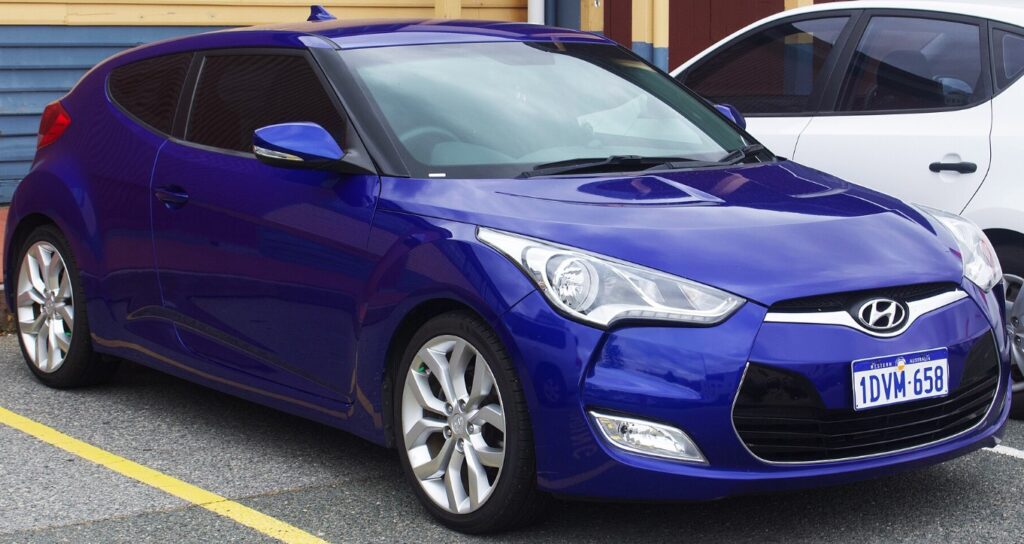
The Hyundai Veloster Turbo has always been a bit of an oddball, and we mean that in the best possible way. It mixes the practicality of a hatchback with an asymmetrical three-door layout, aggressive styling, and a turbocharged engine that gives the car considerably more personality than the standard Veloster. But once these cars start piling on the miles, one question matters more than horsepower or styling: how good is Hyundai Veloster Turbo reliability?
The short answer is encouraging, but there is an important catch. A well-maintained Veloster Turbo can be a dependable and entertaining daily driver, particularly when it has remained close to factory specifications. However, neglected, heavily modified, or aggressively driven examples can become expensive surprisingly quickly.
The first-generation Turbo deserves particularly careful inspection because certain early cars were subject to significant engine-related recalls. For example, a 2019 U.S. safety recall covered certain 2013 Veloster vehicles equipped with the 1.6-liter turbo engine. Hyundai Velosters have also appeared in later safety campaigns concerning engine and fire-related risks, making a VIN-specific recall check essential before buying.
So, should we avoid the Veloster Turbo entirely? Not at all. We simply need to shop intelligently. Think of a used Veloster Turbo like a secondhand pair of running shoes: how it was treated matters almost as much as how old it is.
Let's examine what goes wrong, what lasts, which years deserve extra attention, and how we can find a Veloster Turbo worth owning.
Content in this publication
- How Reliable Is the Hyundai Veloster Turbo Overall?
- Understanding the Veloster Turbo 1.6 T-GDI Engine
- How Long Can a Hyundai Veloster Turbo Last?
- Hyundai Veloster Turbo Engine Reliability
- Turbocharger Reliability
- Carbon Buildup and Direct Injection
- Ignition Coil and Spark Plug Problems
- Hyundai Veloster Turbo Transmission Reliability
- Cooling System Reliability
- Oil Consumption: How Concerned Should We Be?
- First-Generation Hyundai Veloster Turbo Reliability
- Second-Generation Hyundai Veloster Turbo Reliability
- Modifications Can Change the Reliability Equation
- How Important Is Maintenance History?
- What Mileage Is Too High for a Veloster Turbo?
- Common Hyundai Veloster Turbo Reliability Problems
- How to Make a Veloster Turbo More Reliable
- Pre-Purchase Inspection: Absolutely Worth It
- Is the Hyundai Veloster Turbo Expensive to Maintain?
- Is the Veloster Turbo Reliable Enough for Daily Driving?
- Who Should Buy a Hyundai Veloster Turbo?
- Who Should Avoid One?
- Final Verdict: Is Hyundai Veloster Turbo Reliability Good?
- Frequently Asked Questions
How Reliable Is the Hyundai Veloster Turbo Overall?
Overall, we'd describe the Hyundai Veloster Turbo as moderately reliable rather than exceptionally reliable.
It isn't the sort of car we'd buy blindly because the badge and mileage look good. Its turbocharged, direct-injected engine is more complex and more highly stressed than the naturally aspirated engine fitted to regular Velosters.
That doesn't automatically make it unreliable.
Plenty of turbocharged Velosters accumulate substantial mileage without catastrophic mechanical problems. The difference often comes down to maintenance history, oil-change discipline, driving habits, modifications, and whether recalls or service campaigns were properly completed.
The 1.6-liter T-GDI engine was designed to deliver impressive performance from a relatively small displacement. In the second-generation Veloster Turbo, Hyundai continued using a 1.6-liter turbocharged direct-injection four-cylinder; Hyundai's Australian specifications listed 150 kW and 265 Nm, illustrating how much output Hyundai extracted from the compact engine.
That performance is fun, but turbocharged engines generally reward owners who take maintenance seriously.
Our Hyundai Veloster Turbo Reliability Verdict
If we had to summarize ownership in a few words, we'd call it:
Reliable when maintained, risky when neglected.
The Veloster Turbo isn't inherently a mechanical disaster. At the same time, certain model years and engines have enough documented history that buying the cheapest example available is rarely a smart strategy.
Condition beats mileage.
A 100,000-mile Veloster Turbo with complete maintenance documentation can potentially be a safer purchase than a 60,000-mile car that has been tuned, repeatedly launched, and serviced whenever the owner remembered.
Understanding the Veloster Turbo 1.6 T-GDI Engine
The heart of the Veloster Turbo is its 1.6-liter turbocharged gasoline direct-injection engine.
Compared with the naturally aspirated Veloster, the Turbo feels far more energetic. There's meaningful torque at lower engine speeds, overtaking takes less planning, and highway driving feels effortless.
But the engine combines several technologies that increase performance while also increasing complexity:
- Turbocharging
- Gasoline direct injection
- Electronic engine management
- High-pressure fuel delivery
- Intercooling
- Variable valve timing
None of these systems is unusual in a modern performance-oriented compact car. The point is simply that maintenance matters more when we're dealing with an engine producing considerable power from relatively little displacement.
Why Oil Maintenance Matters So Much
Oil is the lifeblood of any engine, but in a turbocharged engine it also helps protect one of the hottest and fastest-spinning components under the hood: the turbocharger.
Old, contaminated, low, or incorrect oil is something we don't want circulating through a turbo engine.
Hyundai itself emphasizes regular oil and filter replacement as a fundamental part of engine longevity in its maintenance guidance. Exact service intervals depend on model year, market, driving conditions, and the applicable owner's manual, so owners should follow the schedule specified for their particular car rather than applying one universal mileage figure.
How Long Can a Hyundai Veloster Turbo Last?
There's no fixed expiration mileage for a Veloster Turbo.
With attentive maintenance, sensible driving, and timely repairs, reaching 150,000 miles and beyond is entirely plausible. Mileage alone, however, doesn't tell us how healthy the engine, turbocharger, transmission, suspension, or cooling system actually is.
This is especially important with enthusiast cars.
A sporty hatchback covering 80,000 gentle highway miles may have experienced far less mechanical stress than another car covering 40,000 miles of short trips, hard launches, modifications, and repeated full-throttle acceleration.
We should therefore view mileage as one chapter of the story rather than the whole book.
What Determines Veloster Turbo Lifespan?
Several factors make an enormous difference:
- Oil-change history
- Proper engine warm-up habits
- Cooling-system maintenance
- Factory versus modified condition
- Quality of replacement components
- Transmission maintenance and driving style
- Previous accident history
- Whether recall work has been completed
A Veloster Turbo that checks these boxes can make a surprisingly convincing long-term companion.
Hyundai Veloster Turbo Engine Reliability
Engine reliability is where prospective buyers should focus most of their attention.
Some Veloster Turbo engines run for years with routine servicing alone. Yet engine failures and related safety concerns affected certain cars badly enough to result in official recall campaigns. The 2019 NHTSA recall involving certain 2013 1.6-liter turbo Velosters is particularly relevant when evaluating early examples.
Does that mean every early Turbo engine will fail?
No.
A recall identifies a safety-related defect within an affected vehicle population; it doesn't mean every vehicle inevitably develops the problem. That's why checking the specific VIN matters more than simply reading alarming stories online.
Warning Signs We Would Never Ignore
When test-driving a used Veloster Turbo, we'd pay close attention to:
- Knocking or abnormal metallic engine noises
- Blue exhaust smoke
- Noticeable oil consumption
- Rough idle
- Hesitation under acceleration
- Loss of power
- Check-engine warning lights
- Excessive vibration
- Burning-oil smells
- Overheating
- Unusual turbo noises
A healthy turbocharged engine should pull smoothly and consistently.
If the seller tells us that knocking, smoking, or warning lights are "normal for these cars," our next move should probably be toward the exit.
Turbocharger Reliability
The turbocharger itself isn't necessarily the Veloster Turbo's weakest component, but it deserves inspection because replacing a failed turbo isn't cheap.
Turbochargers live difficult lives.
They operate at extremely high temperatures and rotational speeds. Proper lubrication and clean oil are therefore essential. A car with a documented history of timely oil changes immediately becomes more attractive.
Signs of a Worn Turbocharger
Potential symptoms can include whistling or siren-like noises that weren't previously present, blue smoke, reduced boost, sluggish acceleration, oil consumption, or diagnostic trouble codes.
One symptom doesn't automatically condemn the turbo because intake leaks, ignition problems, sensors, or other components can create similar behavior.
A professional diagnosis is worth the money.
Should We Let the Turbo Cool Down?
After normal everyday driving, modern cooling and lubrication systems generally handle routine shutdown without ceremony. After particularly demanding driving, however, giving the vehicle a short period of gentle operation before shutting it down is a sensible habit.
More importantly, we should avoid demanding full boost immediately after a cold start.
Allow the engine and oil to warm normally first.
Treating machinery gently while it's cold costs nothing and may pay dividends later.
Carbon Buildup and Direct Injection
Direct injection delivers fuel directly into the combustion chamber rather than spraying it through the intake port.
It improves performance and efficiency, but it also means fuel doesn't continuously wash across the backs of the intake valves.
Over time, deposits can accumulate in direct-injection engines.
Symptoms may include uneven idle, hesitation, reduced performance, or decreased efficiency. Not every Veloster Turbo will require intake-valve cleaning at the same mileage, so we wouldn't replace or clean parts based purely on the odometer.
Diagnosis comes first.
If a higher-mileage Veloster Turbo is running poorly despite healthy ignition and fuel systems, carbon accumulation is one possibility worth investigating.
Ignition Coil and Spark Plug Problems
Spark plugs live a harder life in a turbocharged engine because cylinder pressures can be substantial.
Worn plugs or weak ignition coils can cause:
- Misfires
- Hesitation
- Rough acceleration
- Reduced performance
- Poor fuel economy
- Check-engine lights
The good news?
Compared with internal engine repairs, ignition components are relatively straightforward.
The bad news?
Repeated misfires shouldn't be ignored. Driving indefinitely with a malfunctioning ignition system can create additional problems and can damage emissions equipment.
You may be interested in reading Are Volkswagen Amarok Good Cars? An In-Depth Ownership Guide
Hyundai Veloster Turbo Transmission Reliability
Transmission reliability depends heavily on which version we're discussing.
Veloster Turbos have been offered with manual and dual-clutch transmissions in different years and markets.
Manual Transmission Reliability
For drivers who enjoy shifting gears themselves, the manual transmission can be appealing because of its mechanical simplicity.
However, the clutch is a wear item.
A car that has endured aggressive launches may need clutch work far earlier than one driven normally.
During a test drive, watch for:
- Clutch slipping under acceleration
- Difficulty selecting gears
- Grinding
- Excessive clutch-pedal travel
- Shudder when moving away
- Unusual gearbox noises
A clutch replacement isn't necessarily evidence of a bad car. Eventually, clutches wear.
The question is whether the rest of the vehicle has been treated similarly aggressively.
Dual-Clutch Transmission Reliability
The DCT offers quicker automatic shifts and makes the Veloster Turbo easy to drive in traffic, but dual-clutch transmissions behave differently from traditional torque-converter automatics.
Some low-speed hesitation, engagement sensation, or clutch-like behavior can be characteristic of the design. Severe shuddering, warning lights, repeated overheating messages, delayed engagement, or violent shifting should not simply be dismissed as "normal DCT behavior."
A proper inspection can separate normal characteristics from genuine faults.
Cooling System Reliability
Heat is the natural enemy of a turbocharged engine.
That's why we wouldn't ignore even minor cooling-system issues.
Hoses, thermostats, coolant reservoirs, radiators, pumps, and related components naturally age. Overheating even once can transform an affordable repair into a major engine bill.
Before buying, check:
- Coolant level
- Evidence of coolant leaks
- Temperature stability
- Coolant contamination
- Radiator and hose condition
- Cooling-fan operation
If the temperature gauge starts climbing beyond its normal position, stop driving and investigate.
The few minutes we "save" by continuing home aren't worth risking an engine.
Oil Consumption: How Concerned Should We Be?
Engines can consume some oil between services, particularly as mileage accumulates.
What we're looking for is excessive or rapidly increasing consumption.
A used Veloster Turbo with a low oil level deserves questions. Has the owner simply forgotten to check it? Is the engine leaking? Is oil being burned internally?
Low oil in a turbocharged engine is especially undesirable.
Before buying, inspect underneath the vehicle and around the engine for leaks and ask how frequently the owner checks and adds oil.
Maintenance records can tell us far more than shiny paint.
First-Generation Hyundai Veloster Turbo Reliability
The first-generation Veloster Turbo arrived with the personality buyers wanted from the original Veloster design: more torque, more speed, and more excitement.
Today, these cars can also be remarkably affordable.
That's precisely why we need to be selective.
Early examples are old enough that maintenance history, accident repairs, modifications, rubber components, hoses, suspension parts, engine condition, and recall status can matter more than the car's original reputation.
Certain 2013 Turbo models were included in an official 2019 engine-related safety recall. Additionally, Hyundai's later recalls have covered some older Velosters for separate fire-risk issues, including a 2023 campaign covering certain 2012–2015 Velosters.
For that reason, we'd never buy an early Veloster without checking its VIN against the relevant recall database.
Are 2013 Veloster Turbos Reliable?
A good one can be.
But the 2013 model year deserves more scrutiny than we'd give a later, carefully maintained example.
This doesn't mean every 2013 Turbo is problematic. Some have spent more than a decade providing reliable service.
Still, when two similarly priced cars are sitting in front of us and one has comprehensive documentation while the other has unknown history, the folder full of receipts wins every time.
Second-Generation Hyundai Veloster Turbo Reliability
The second-generation Veloster arrived for the 2019 model year with redesigned styling, a newer platform, and a more mature overall package.
The Turbo continued using Hyundai's 1.6-liter turbocharged direct-injection engine concept. Hyundai specifications for the redesigned model described the 1.6 T-GDI as producing 150 kW and 265 Nm in the Australian market.
From a used-car perspective, second-generation cars have an obvious advantage: they're younger.
Age affects everything from seals to suspension bushings, interior electronics, air-conditioning systems, and rubber hoses.
However, younger doesn't mean maintenance-free.
We still want service history, a clean diagnostic scan, an inspection, and evidence that previous owners haven't treated the car like a disposable track toy.
Veloster Turbo vs Veloster N Reliability
The Veloster N is the more serious performance machine.
It provides considerably greater performance capability, upgraded chassis hardware, and a completely different character.
But greater performance can also attract harder use.
If reliability is our primary concern rather than maximum speed, a clean, stock Veloster Turbo can be the more sensible choice. The Turbo still feels quick enough to make a commute entertaining without pushing as deeply into high-performance territory.
Modifications Can Change the Reliability Equation
This deserves its own section because Veloster Turbos are popular with enthusiasts.
An intake or exhaust system doesn't automatically ruin reliability. Neither does tasteful suspension work.
But once we find ECU tunes, aggressive boost increases, unknown fueling changes, questionable wiring, lowered suspension with poor geometry, or homemade modifications, uncertainty rises rapidly.
The factory engine was engineered around particular pressures, temperatures, ignition timing, fuel quality, and safety margins.
Changing those variables can increase stress.
Stock Cars Are Usually the Safer Used Buy
If reliability is our priority, we'd generally choose a factory-stock Veloster Turbo over a heavily modified example.
Even if we eventually want to modify it ourselves, starting with a healthy baseline is valuable.
A modified car may be perfectly maintained.
The problem is that we usually don't know who performed the work, what calibration was used, what components were installed previously, or how aggressively the vehicle was driven afterward.
How Important Is Maintenance History?
Extremely important.
A thick folder of service receipts may not look as exciting as aftermarket wheels, but we'd take the receipts every time.
Hyundai emphasizes scheduled maintenance as part of keeping its vehicles operating safely and reliably.
For a used Veloster Turbo, we'd like to see evidence of routine oil and filter servicing, proper spark-plug replacement, coolant care, brake maintenance, transmission-related service where applicable, and repairs performed when problems appeared rather than months later.
The Best Previous Owner Is Usually a Boring One
This sounds funny, but it's true.
We want the previous owner who warmed the car properly, changed the oil on schedule, kept receipts, used quality components, and didn't launch it at every traffic light.
A boring owner can leave us with a very entertaining car.
What Mileage Is Too High for a Veloster Turbo?
There's no magic number.
You may be interested in readingAre Volkswagen Amarok Good Cars? An In-Depth Ownership GuideYou may be interested in reading
 How Long Do Ram 1500 Last? Mileage, Lifespan, and Reliability Guide
We wouldn't automatically reject a car at 100,000 miles, nor would we automatically trust one at 45,000.
At higher mileage, though, we should budget for normal aging items such as suspension components, mounts, wheel bearings, hoses, batteries, ignition parts, brake components, and potentially clutch-related wear.
The purchase price should reflect that reality.
A cheap high-mileage performance car becomes expensive when we spend every weekend replacing something.
Would We Buy One With 100,000 Miles?
Yes—under the right circumstances.
We'd want:
- Strong maintenance records
- Quiet cold start
- Smooth idle
- Healthy oil level and condition
- No overheating history
- Smooth power delivery
- Healthy clutch or DCT behavior
- No suspicious smoke
- No major fluid leaks
- No unexplained warning lights
- Minimal questionable modifications
- Completed applicable recalls
- A clean pre-purchase inspection
Give us those things and six figures on the odometer becomes far less frightening.
Common Hyundai Veloster Turbo Reliability Problems
Rather than assuming every car will experience the same failures, it's more useful to know which areas deserve additional attention.
Potential problem areas worth inspecting include:
- Engine knocking or internal engine problems on certain affected vehicles
- Oil consumption or leaks
- Turbocharger wear
- Carbon buildup
- Spark-plug and ignition-coil issues
- Cooling-system leaks
- Clutch wear
- DCT drivability concerns
- Aging suspension components
- Electrical or sensor faults
The critical distinction is between possible problems and guaranteed problems.
Internet forums naturally concentrate failure stories because owners whose cars work perfectly rarely create posts saying, "Everything is fine again today."
Official recall information gives us firmer context, while a mechanical inspection tells us what is happening with the exact car in front of us.
How to Make a Veloster Turbo More Reliable
Reliability isn't something we merely inherit from the previous owner. We can influence it.
Once the car is ours, we'd follow a simple philosophy: fix small problems before they become big ones.
Use the correct oil, keep up with servicing, check fluid levels periodically, address warning lights promptly, and use quality parts.
Don't ignore strange noises.
Machines whisper before they scream.
Our Basic Reliability Routine
We'd make these habits part of ownership:
- Check engine oil regularly.
- Follow the correct oil-change schedule.
- Use the oil specification required for the vehicle.
- Allow the engine to warm before aggressive acceleration.
- Keep the cooling system healthy.
- Replace worn spark plugs promptly.
- Investigate misfires immediately.
- Avoid questionable ECU tunes.
- Check fluid leaks when they first appear.
- Verify recall completion.
That routine isn't glamorous, but neither is waiting for a tow truck.
Pre-Purchase Inspection: Absolutely Worth It
If we're spending thousands of dollars on a used Veloster Turbo, paying an independent mechanic to inspect it is one of the smartest things we can do.
The inspection should ideally include the engine, turbo system, cooling system, suspension, brakes, transmission, tires, fluid leaks, electronic fault codes, and evidence of collision repairs.
Ask for a cold start whenever possible.
Why?
Because sellers can warm up a vehicle before we arrive, and some engine noises or starting problems become less noticeable once everything reaches operating temperature.
Check the VIN for Open Recalls
For U.S.-market vehicles, NHTSA recommends checking recall status using its official recall lookup resources.
This is particularly important with the Veloster because recall applicability depends on production date, engine, model year, and VIN.
Don't rely solely on the seller saying, "I think all the recalls were done."
Check.
Is the Hyundai Veloster Turbo Expensive to Maintain?
Routine maintenance is generally manageable compared with many premium performance cars.
That's part of the Veloster Turbo's appeal.
We get genuinely entertaining performance without necessarily inheriting luxury-car service pricing.
However, repairs involving turbocharger components, internal engine damage, transmission components, or major electronics can obviously cost considerably more than oil changes and brake pads.
The best way to control ownership costs is preventive maintenance combined with a carefully chosen vehicle.
Buying cheaply and repairing afterward is usually less satisfying than paying a little more for the right car initially.
Is the Veloster Turbo Reliable Enough for Daily Driving?
Yes, a healthy Veloster Turbo can make an excellent daily driver.
It combines small exterior dimensions, useful hatchback cargo space, respectable fuel efficiency, decent performance, and styling that still looks distinctive years later.
That's an unusual combination.
We simply wouldn't treat it like a maintenance-free appliance.
Keep an eye on fluid levels. Listen for new noises. Service it correctly. Don't dismiss warning lights.
Do that, and the Veloster Turbo can provide exactly what many affordable cars don't: character.
Who Should Buy a Hyundai Veloster Turbo?
The Turbo makes sense if we want something more interesting than an ordinary compact hatchback without jumping into a much more expensive performance vehicle.
It's especially appealing for drivers who value:
- Sporty acceleration
- Distinctive styling
- Compact dimensions
- Hatchback practicality
- Affordable used prices
- Manual-transmission availability
- Enthusiast personality
However, buyers wanting Toyota-Corolla-style simplicity above everything else may prefer a less performance-oriented naturally aspirated car.
That's not criticism.
It's simply a different mission.
Who Should Avoid One?
We'd think twice if the only Veloster Turbo in our budget is a neglected, modified example with no service records.
We'd also avoid a car showing obvious engine noises, excessive smoke, overheating symptoms, transmission warnings, persistent misfires, or unexplained dashboard lights.
There are enough used cars in the world that we don't need to rescue someone else's mechanical project.
Sometimes the most financially intelligent repair is never buying the problem in the first place.
Final Verdict: Is Hyundai Veloster Turbo Reliability Good?
So, where does Hyundai Veloster Turbo reliability ultimately stand?
We'd call it respectable but highly dependent on model year, maintenance, and previous ownership.
A well-cared-for Veloster Turbo can deliver years of enjoyable daily driving. Its 1.6-liter turbo engine provides plenty of punch, the unusual body remains practical, and used prices can make it a tempting alternative to more conventional sporty compacts.
But we shouldn't buy one with our eyes closed.
Certain early Veloster Turbo vehicles were involved in official engine-related recall action, while other Veloster model years were affected by subsequent safety campaigns. That history makes a VIN recall check and professional pre-purchase inspection especially valuable.
If we're shopping today, our priorities would be simple: condition first, maintenance history second, modifications third, and mileage fourth.
Find a stock or lightly modified example with detailed records and a clean inspection, and the Veloster Turbo can be one of those rare used cars that makes the boring Monday commute feel a little less boring.
And isn't that half the reason we buy a fun car in the first place?
Frequently Asked Questions
1. Is the Hyundai Veloster Turbo reliable after 100,000 miles?
It can be. A Veloster Turbo with more than 100,000 miles isn't automatically a bad purchase if it has been serviced consistently and shows no evidence of serious engine, cooling-system, turbocharger, or transmission problems. At this mileage, maintenance history and current mechanical condition matter more than the odometer alone.
2. What is the biggest problem with the Hyundai Veloster Turbo?
Engine condition deserves the most attention, particularly on certain earlier models. Some Velosters were involved in official engine-related safety campaigns, including certain 2013 vehicles equipped with the 1.6-liter turbo engine. Buyers should verify recall status using the VIN and have the engine inspected before purchasing.
3. How long does a Hyundai Veloster Turbo engine last?
There isn't a predetermined lifespan. Properly maintained examples can reach 150,000 miles and potentially considerably more, while neglected or heavily modified engines may encounter major trouble far earlier. Regular oil servicing, proper cooling-system care, and sensible driving habits are major factors.
You may be interested in readingAre Volkswagen Amarok Good Cars? An In-Depth Ownership GuideYou may be interested in reading
How Long Do Ram 1500 Last? Mileage, Lifespan, and Reliability GuideYou may be interested in reading
Will Ram 1500 Seats Fit a 2500? Complete Compatibility Guide4. Which Hyundai Veloster Turbo should we buy used?
We'd favor the cleanest, best-maintained, least-modified example available rather than choosing solely by model year. Later cars have the advantage of being younger, but documentation, recall completion, mechanical condition, and previous ownership remain critical.
5. Is buying a used Hyundai Veloster Turbo worth it?
Yes, particularly if we want an affordable compact car with distinctive styling and genuinely enjoyable performance. The key is avoiding neglected or heavily modified examples. A professional inspection, maintenance-history review, diagnostic scan, and VIN recall check can turn the Veloster Turbo from a risky impulse purchase into a much smarter used-car choice.
If you want to know other articles similar to Hyundai Veloster Turbo Reliability: Is It a Dependable Used Car? you can visit the category Blog.
Honda Passport Life Expectancy: How Many Miles Can It Last?
Honda Passport Depreciation: How Well Does It Hold Its Value?

Nissan Rogue Reliability Rating: How Reliable Is the Rogue?
Nissan Rogue Life Expectancy: How Long Does It Last?
Vauxhall Agila Reliability: Common Problems, Best Engines and What to Check
Vauxhall Agila Insurance Group UK: Complete Guide to Insurance Costs
Leave a Reply
More content of your interest