

Nissan Frontier vs Jeep Gladiator: Which Midsize Truck Wins?

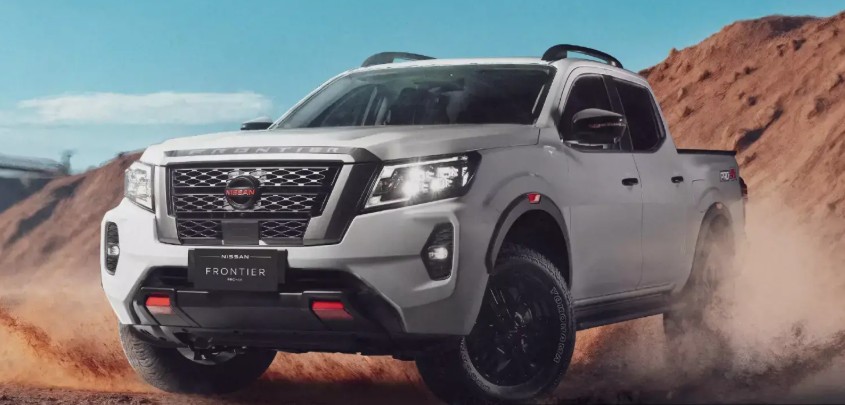
The Nissan Frontier vs Jeep Gladiator comparison is more interesting than it first appears. Both are midsize pickups with V6 engines, real truck frames, available—or standard—four-wheel-drive capability, and enough toughness to pull trailers, carry gear, and disappear down a dusty trail on Saturday morning.
Yet these trucks approach the same mission from almost opposite directions.
The Nissan Frontier feels like a traditional pickup that has learned a few modern tricks. It is straightforward, reasonably powerful, practical, and refreshingly uncomplicated. The Jeep Gladiator, meanwhile, is essentially an adventure vehicle that happens to have a pickup bed. It brings removable body panels, serious off-road hardware, unmistakable Jeep styling, and a personality that refuses to blend into traffic.
For 2026, the Frontier uses a standard 3.8-liter V6 producing 310 horsepower and 281 lb-ft of torque, while Nissan quotes a maximum towing capacity of 7,150 pounds and payload capacity of up to 1,620 pounds. The Gladiator uses a 3.6-liter Pentastar V6 developing 285 horsepower and 260 lb-ft, with properly configured versions capable of towing as much as 7,700 pounds and carrying up to 1,720 pounds.
So, does the Gladiator's extra capability make it the obvious winner? Not necessarily. Numbers tell us how much a truck can lift. They don't always tell us which one we'd rather live with Monday through Friday.
Content in this publication
- Nissan Frontier vs Jeep Gladiator at a Glance
- The Biggest Difference: What Kind of Truck Do We Actually Want?
- Engine Performance: Frontier Has More Muscle on Paper
- Nissan Frontier vs Jeep Gladiator Towing Capacity
- Payload Capacity: Another Narrow Jeep Victory
- Off-Road Capability: This Is Jeep Territory
- On-Road Driving: Frontier Strikes Back
- Steering and Maneuverability
- Interior Comfort: Practicality Versus Personality
- Removable Roof and Doors: Gladiator's Party Trick
- Truck-Bed Practicality
- Daily Practicality: Frontier Is Easier to Recommend
- Price: Frontier Starts Much Lower
- Nissan Frontier PRO-4X vs Jeep Gladiator Rubicon
- Nissan Frontier vs Jeep Gladiator Reliability
- Fuel Economy and Running Costs
- Styling: Conventional Toughness vs Instant Recognition
- Which Truck Is Better for Camping and Overlanding?
- Which Is Better for Work?
- Which Is Better for Families?
- Five Reasons to Buy the Nissan Frontier
- Five Reasons to Buy the Jeep Gladiator
- Nissan Frontier vs Jeep Gladiator: Pros and Cons
- Who Should Buy the Nissan Frontier?
- Who Should Buy the Jeep Gladiator?
- Nissan Frontier vs Jeep Gladiator: Our Verdict
- Conclusion: Two Midsize Trucks With Completely Different Souls
- Frequently Asked Questions
Nissan Frontier vs Jeep Gladiator at a Glance
Here's the simplest way to understand this rivalry.
| Category | Nissan Frontier | Jeep Gladiator |
|---|---|---|
| Engine | 3.8L V6 | 3.6L Pentastar V6 |
| Horsepower | 310 hp | 285 hp |
| Torque | 281 lb-ft | 260 lb-ft |
| Transmission | 9-speed automatic | 8-speed automatic |
| Maximum towing | Up to 7,150 lb | Up to 7,700 lb |
| Maximum payload | Up to 1,620 lb | Up to 1,720 lb |
| Drivetrain | 4x2 or available 4x4 | 4x4 |
| Main strength | Everyday truck usability | Off-road capability |
| Character | Conventional midsize pickup | Jeep adventure truck |
The maximum figures above vary with trim, cab, drivetrain, and equipment, so buyers should always check the rating of the exact truck they intend to purchase. Nissan's published 2026 specifications list up to 7,150 pounds of towing, while Jeep reserves its 7,700-pound maximum for properly equipped Gladiator configurations.
The Biggest Difference: What Kind of Truck Do We Actually Want?
Before comparing horsepower or tire sizes, we should answer one question: Are we buying a pickup that can go off-road, or an off-road vehicle that can function as a pickup?
That distinction explains almost everything.
The Frontier belongs firmly in the first camp. Even its adventurous PRO-4X version remains recognizable as a conventional truck. It gives us a locking rear differential, skid plates, Bilstein shocks, and all-terrain tires without dramatically changing the basic Frontier formula.
The Gladiator lives in the second camp. Jeep builds it around off-road identity. Its solid axles, available electronic sway-bar disconnect, specialized Rubicon hardware, and removable doors and roof make it unlike practically anything else in the midsize pickup category.
Think of the Frontier as hiking boots we can wear to work.
The Gladiator is more like full climbing equipment with a lunchbox attached.
Both work. They simply prioritize different adventures.
Engine Performance: Frontier Has More Muscle on Paper
Nissan Frontier 3.8-Liter V6
Every 2026 Frontier comes with Nissan's naturally aspirated 3.8-liter V6. It produces 310 horsepower and 281 lb-ft of torque and works with a nine-speed automatic transmission.
There's something pleasantly old-school about this setup.
No tiny turbocharger trying to imitate a larger engine. No complicated hybrid arrangement. We press the accelerator, the V6 wakes up, the transmission chooses a gear, and the truck gets moving.
Its 310 horsepower also gives the Nissan a useful numerical advantage over the Gladiator.
Why the Frontier Engine Makes Sense
For normal driving, the Frontier's powertrain feels suited to owners who want one truck to handle commuting, hardware-store runs, weekend towing, and occasional dirt-road exploration.
The engine has enough output that we shouldn't feel as though we're constantly asking a small powerplant for more than it wants to give.
Jeep Gladiator 3.6-Liter Pentastar V6
The 2026 Gladiator's 3.6-liter Pentastar V6 makes 285 horsepower and 260 lb-ft of torque and pairs with an eight-speed automatic transmission.
Those numbers are lower than the Frontier's, but that's only one part of the story.
Jeep's emphasis is not simply straight-line output. The Gladiator's drivetrain works with dedicated four-wheel-drive systems and off-road hardware designed for situations where traction and wheel articulation matter more than winning a stoplight sprint.
Which Engine Wins?
For general road use, we give the Frontier the advantage.
It has 25 more horsepower and 21 more lb-ft of torque, and the uncomplicated naturally aspirated V6 suits the Frontier's practical personality.
The Gladiator's engine isn't weak, but we buy a Gladiator primarily because of everything surrounding the engine—not because 285 horsepower is irresistible.
Nissan Frontier vs Jeep Gladiator Towing Capacity
Towing is where things become more competitive.
The Frontier can tow up to 7,150 pounds, depending on configuration.
The Gladiator can reach 7,700 pounds on properly equipped Sport S models.
That gives Jeep a maximum advantage of 550 pounds.
Does That Make the Gladiator Better for Towing?
On paper, yes.
In practice, we should be careful.
Maximum tow ratings are like maximum credit limits: useful to know, but not necessarily numbers we want to operate near every single day.
Trailer weight, passengers, cargo, tongue weight, payload, hitch equipment, and individual vehicle configuration all matter. A specific Gladiator sitting on a dealer lot may have a lower tow rating than another Gladiator parked right beside it.
The same applies to Frontier.
If towing is a major part of our ownership experience, we should examine the door-jamb labels and official tow data for the actual configuration rather than relying only on headline maximums.
Towing Winner: Jeep Gladiator
Still, when comparing published maximum capability, the Gladiator wins.
Its 7,700-pound ceiling gives owners slightly more breathing room for heavier campers, boats, and utility trailers.
Payload Capacity: Another Narrow Jeep Victory
Jeep also claims an available maximum 4x4 payload capacity of 1,720 pounds for the 2026 Gladiator.
Nissan lists Frontier payload capacity at up to 1,620 pounds.
Again, that's not a gigantic gap, but it reinforces an important point: the Gladiator isn't merely a lifestyle toy dressed as a truck. Properly configured, it can do legitimate pickup work.
That said, most of us aren't loading 1,600 pounds into the bed every morning.
For carrying camping gear, bicycles, landscaping supplies, tools, furniture, or weekend renovation materials, both trucks offer plenty of practical capacity.
Off-Road Capability: This Is Jeep Territory
Now we arrive at the category where the Gladiator stops playing politely.
The Frontier PRO-4X is genuinely capable. Nissan equips it with an electronic locking rear differential, Bilstein off-road shocks, skid plates, and all-terrain tires.
That's an excellent package for dirt roads, snow, moderate trails, rocky tracks, camping routes, and plenty of recreational off-roading.
But the Gladiator—especially in Rubicon form—plays on another level.
Why the Gladiator Rubicon Is Different
Jeep equips the Gladiator platform with solid Dana axles, and the Rubicon can add equipment specifically designed for serious technical terrain. Jeep highlights features including an electronic disconnecting front sway bar, Rock-Trac hardware, locking differentials, rock rails, and specialized suspension equipment.
The sway-bar disconnect is particularly telling. Disconnecting it allows significantly greater front-wheel articulation, helping the tires remain in contact with uneven ground when crawling over rocks and deep ruts.
Frontier PRO-4X vs Gladiator Rubicon
The Frontier PRO-4X is the truck we'd choose if we spend most of our life on pavement but regularly explore trails.
The Gladiator Rubicon is the truck we'd choose if the trail itself is part of the reason we're buying the vehicle.
That's a major distinction.
For serious rock crawling, extreme articulation, or enthusiasts who modify their trucks heavily, the Gladiator wins comfortably.
Off-Road Winner: Jeep Gladiator
No surprise here.
The Frontier is capable.
The Gladiator is built around capability.
On-Road Driving: Frontier Strikes Back
Here's where Jeep's hardcore hardware can become a compromise.
A vehicle engineered for axle articulation, removable body panels, high ground clearance, chunky tires, and rough trails will rarely behave exactly like a road-focused crossover.
The Frontier's more traditional pickup layout gives it a stronger everyday-road argument.
We'd expect buyers who spend 90% of their time commuting, cruising highways, running errands, and occasionally towing to appreciate the Nissan's conventional nature.
The Frontier feels less like we're carrying an off-road hobby around everywhere we go.
Which Is Better for Highway Driving?
For long highway drives, we would lean toward the Frontier.
The Gladiator's appeal is emotional and mechanical rather than serene. Its upright Jeep shape, off-road-oriented design, and removable construction are part of its charm, but those same features aren't aimed primarily at making interstate travel feel like a luxury sedan.
The Frontier isn't luxurious either, but its priorities are more balanced toward conventional truck ownership.
Steering and Maneuverability
Neither truck is a compact crossover pretending to be rugged.
You may be interested in reading Nissan Frontier vs Toyota Tundra: Which Truck Makes More Sense?
Both feel like actual trucks, and that's part of the appeal.
Around town, however, a midsize pickup needs to perform a different kind of rock crawling: squeezing between shopping carts, concrete pillars, parking garages, and distracted drivers.
The Frontier's simpler mission again works in its favor. It feels easier to understand immediately.
The Gladiator's long wheelbase and distinctly Jeep-like proportions are worth experiencing during a test drive before buying. The very geometry that gives it such personality can require more attention in tight urban environments.
Interior Comfort: Practicality Versus Personality
The Frontier's cabin follows a familiar truck formula. Controls are easy to understand, the seating position feels appropriately pickup-like, and newer Frontiers are dramatically more civilized than the old-generation trucks many buyers may remember.
Jeep gives the Gladiator an interior closely connected to the broader Wrangler philosophy.
That means rugged styling, upright surfaces, and controls that remind us we're sitting inside something designed to get dirty.
Which Cabin Is Better?
This one depends almost entirely on personality.
If we want a conventional cabin that doesn't constantly remind us we're driving an enthusiast machine, Frontier wins.
If we want every trip to the grocery store to feel vaguely like we're preparing to cross a river in Utah, Gladiator wins.
And yes, that sounds silly.
It is also precisely why people love Jeeps.
Removable Roof and Doors: Gladiator's Party Trick
We can't seriously compare these trucks without discussing one of the Jeep's defining features.
The Gladiator can deliver an open-air driving experience that the Frontier simply doesn't attempt to replicate. Jeep continues to market the 2026 Gladiator around its removable-door and removable-roof character, including imagery and configurations showing open-air Rubicon models.
This doesn't make the Jeep more practical.
It makes it more memorable.
And sometimes that's more important.
Take the doors off, remove the roof, head toward the mountains, and the Gladiator changes from “pickup truck” into something resembling an oversized outdoor toy.
No Frontier option box can recreate that experience.
Lifestyle Winner: Jeep Gladiator
If personality matters as much as practicality, Gladiator has a huge advantage.
Truck-Bed Practicality
Both vehicles have actual pickup beds, so both can haul dirty, awkward, or oversized cargo that we'd rather not put inside an SUV.
The Frontier deserves special attention for its available Utili-track channel system, which uses adjustable channels and cleats to secure different kinds of cargo. Nissan says the individual cleats can be rated to secure substantial loads when properly used.
That sounds like a small detail until we routinely carry motorcycles, tools, coolers, construction supplies, or outdoor equipment.
The best bed isn't always the largest one.
Sometimes it's the one that keeps our expensive mountain bike from turning into a projectile.
Daily Practicality: Frontier Is Easier to Recommend
Let's imagine a normal week.
Monday: commute.
Tuesday: supermarket.
Wednesday: school pickup.
Thursday: drive through heavy rain.
Friday: commute again.
Saturday: haul mulch.
Sunday: tow a small boat or explore a forest road.
For that schedule, we'd take the Frontier.
Its personality is less extreme, which makes it more flexible.
The Gladiator becomes more compelling when our calendar contains words such as Moab, Rubicon, overlanding, desert, rock crawling, or camping with suspicious frequency.
Price: Frontier Starts Much Lower
This is one of the biggest differences in the entire comparison.
At the time of writing, Nissan lists the 2026 Frontier from $32,150 MSRP, excluding destination and other fees.
Jeep lists the 2026 Gladiator Sport from $39,820 MSRP, also before destination and other charges.
That's a starting-price gap of roughly $7,670 before options.
Suddenly the Frontier's argument becomes much stronger.
Frontier PRO-4X Pricing
Nissan's build-and-price information lists the 2026 Crew Cab PRO-4X 4x4 from around $41,870, while a long-bed PRO-4X starts slightly higher.
In other words, we're already shopping a serious off-road Frontier at roughly the point where the basic Gladiator lineup begins.
That doesn't automatically make Jeep overpriced. The Gladiator includes unique hardware, standard 4x4 positioning, and an ownership experience few competitors replicate.
But value-conscious buyers should notice the difference.
Value Winner: Nissan Frontier
For buyers who simply want maximum truck for the money, the Frontier presents the stronger argument.
Nissan Frontier PRO-4X vs Jeep Gladiator Rubicon
This is the matchup enthusiasts will probably care about most.
The Frontier PRO-4X adds exactly the equipment many recreational off-roaders actually need: locking rear differential, Bilstein shocks, skid plates, and all-terrain tires.
The Gladiator Rubicon goes further into dedicated off-road territory with the sort of hardware Jeep has spent decades turning into its identity.
Choose Frontier PRO-4X If We Want:
- Strong V6 power without turbocharging
- Serious trail capability without going to extremes
- Better everyday-road manners
- A lower financial entry point
- Conventional pickup-truck ergonomics
- A vehicle that's easy to use as our only truck
Choose Gladiator Rubicon If We Want:
- Superior technical off-road potential
- Greater suspension articulation
- More hardcore factory off-road hardware
- Removable doors and roof
- Classic Jeep identity
- A truck that feels like an adventure vehicle first
The Frontier PRO-4X is the rational choice.
The Gladiator Rubicon is the choice we keep looking back at after parking.
Nissan Frontier vs Jeep Gladiator Reliability
Reliability comparisons deserve caution because vehicle dependability changes by model year, maintenance history, use, production changes, and individual components.
We shouldn't declare one truck “bulletproof” simply because someone online drove theirs 200,000 miles.
For buyers keeping either truck long-term, maintenance history and configuration matter enormously.
The Frontier's naturally aspirated V6 and conventional truck layout may appeal to owners who prefer mechanical simplicity. Meanwhile, Gladiator buyers must remember that serious off-road use itself accelerates wear on suspension, tires, steering components, skid plates, and underbody hardware regardless of brand.
If we're comparing used trucks, condition should carry more weight than the badge on the grille.
A carefully maintained Gladiator that lived on pavement can be a safer purchase than an abused Frontier that spent every weekend bouncing over rocks.
Fuel Economy and Running Costs
Neither truck exists because civilization desperately needed another champion of fuel conservation.
They're boxy pickups with V6 engines.
That's the deal.
Running costs also extend well beyond fuel. Tires, brakes, insurance, accessories, maintenance, depreciation, and modifications matter.
Gladiator owners may be especially vulnerable to what we jokingly call the “one more accessory” problem.
One lift kit becomes wheels.
Wheels become tires.
Tires become bumpers.
You may be interested in readingNissan Frontier vs Toyota Tundra: Which Truck Makes More Sense?You may be interested in reading
Nissan Frontier vs F150: Which Pickup Fits You Better?Bumpers become a winch.
Then suddenly we've spent the price of a used hatchback building the Jeep we “always intended to keep stock.”
The Frontier can be modified too, of course, but the Jeep aftermarket has a gravitational pull all its own.
Styling: Conventional Toughness vs Instant Recognition
The Frontier looks exactly like a modern midsize pickup should: broad, squared-off, muscular, and rugged without becoming cartoonish.
The Gladiator is unmistakably Jeep.
Seven-slot grille. Upright windshield. Exposed ruggedness. Boxy cab. Pickup bed hanging off the back of a shape we already associate with Wrangler adventures.
Neither design is objectively better.
But only one is identifiable from three blocks away.
Which One Ages Better?
The Jeep's styling relies heavily on heritage, which tends to make it less vulnerable to short-lived design trends.
The Frontier takes a more contemporary approach.
We'd call this a draw, but for very different reasons.
Frontier looks handsome.
Gladiator looks iconic.
Which Truck Is Better for Camping and Overlanding?
This gets interesting because both trucks make excellent adventure platforms.
The Frontier's strength is simplicity. Throw camping equipment into the bed, add a rack or rooftop tent, and the truck can become a highly usable touring platform without requiring radical modifications.
The Gladiator adds greater off-road capability and open-air fun, making it appealing for owners whose travel routinely includes difficult trails.
For moderate overlanding where we spend long hours on pavement between destinations, we might actually prefer Frontier.
For overlanding built around difficult terrain, Gladiator makes more sense.
Which Is Better for Work?
If we're talking about normal work-truck duty—tools, equipment, commuting between sites, towing occasionally, filling the bed with supplies—the Frontier gets our vote.
Its lower starting price matters in a commercial context, and it delivers more standard horsepower while retaining useful towing and payload capability.
The Gladiator can absolutely work. Its maximum payload and towing ratings prove that.
But buying one exclusively as a job-site appliance feels a little like using an expensive hiking backpack to carry groceries.
It works.
We're just ignoring half the reason it exists.
Which Is Better for Families?
Families should probably lean Frontier unless the Jeep lifestyle itself is part of the attraction.
Both can provide four-door crew-cab practicality depending on configuration, but the Frontier's conventional pickup character suits daily transportation more naturally.
Before choosing either, we'd strongly recommend placing actual child seats in the rear, checking rear legroom with the front seats positioned normally, and loading whatever stroller or equipment the family regularly carries.
Spec sheets rarely capture how annoying a child seat becomes at 6:45 a.m.
Five Reasons to Buy the Nissan Frontier
If we had to boil the Frontier's case down to five arguments, they would be:
- 310-horsepower V6: More output than the Gladiator's 285-hp V6.
- Lower starting price: The Frontier enters the market thousands of dollars below the Gladiator based on current 2026 MSRPs.
- Strong towing capacity: Up to 7,150 pounds is enough for many recreational trailers.
- PRO-4X capability: Locking rear differential, Bilstein shocks, skid plates, and all-terrain tires create a legitimate off-road package.
- Better all-round character: It asks us to make fewer compromises during ordinary daily driving.
Five Reasons to Buy the Jeep Gladiator
Jeep answers with its own powerful set of arguments:
- Higher maximum towing: Up to 7,700 pounds when properly equipped.
- Higher available maximum payload: Up to 1,720 pounds.
- Outstanding off-road hardware: Solid axles and available Rubicon-specific features give it exceptional technical-trail credentials.
- Open-air experience: Removable doors and roof make the Gladiator unlike a conventional pickup.
- Personality: Few trucks transform a routine drive into an event quite like a Gladiator.
Nissan Frontier vs Jeep Gladiator: Pros and Cons
Nissan Frontier Pros
The Frontier gives us strong standard V6 power, competitive towing, useful payload capacity, credible PRO-4X hardware, a lower starting price, and a more conventional everyday personality.
Nissan Frontier Cons
It cannot match the Gladiator's extreme factory off-road hardware, doesn't offer Jeep's open-air experience, and may feel ordinary beside a heavily optioned Gladiator.
Jeep Gladiator Pros
The Gladiator provides superior technical off-road potential, higher headline towing and payload figures, unique removable body panels, enormous personality, and a strong enthusiast ecosystem.
Jeep Gladiator Cons
Its starting price is considerably higher, its extreme design creates compromises many commuters don't need, and its greatest strengths may go unused by buyers who rarely leave pavement.
Who Should Buy the Nissan Frontier?
Buy the Frontier if we need one truck to do nearly everything reasonably well.
It's especially attractive for:
- Daily commuters
- Homeowners
- Weekend campers
- Light-to-moderate off-roaders
- Buyers towing recreational trailers
- Drivers who want a naturally aspirated V6
- Shoppers prioritizing value
- Owners who don't need extreme trail hardware
The Frontier is the easier truck to recommend without knowing anything else about the buyer.
That's not faint praise.
Versatility is a feature.
Who Should Buy the Jeep Gladiator?
Buy the Gladiator if adventure is the point rather than a side benefit.
It makes the most sense for:
- Jeep enthusiasts
- Serious off-road drivers
- Rock crawlers
- Trail-focused campers
- Buyers who love customization
- Drivers who want removable doors and roof panels
- People willing to accept everyday compromises for extra character
Nobody accidentally buys a Gladiator.
We usually know why we want one before we reach the dealership.
Nissan Frontier vs Jeep Gladiator: Our Verdict
So, which truck wins?
For the majority of midsize-pickup buyers, we'd choose the Nissan Frontier.
It costs significantly less at the entry level, makes more horsepower and torque, tows up to a very respectable 7,150 pounds, and can be transformed into a legitimately capable trail machine by stepping up to the PRO-4X.
It is the better all-rounder.
But the Jeep Gladiator wins if off-roading and personality dominate the decision.
Its maximum 7,700-pound towing capacity is higher, its available 1,720-pound payload is stronger, and Rubicon versions offer serious technical hardware that the Frontier doesn't attempt to match.
The Frontier is the truck our spreadsheet probably chooses.
The Gladiator is the truck our imagination chooses.
And occasionally, imagination wins.
Conclusion: Two Midsize Trucks With Completely Different Souls
The Nissan Frontier vs Jeep Gladiator comparison isn't really about determining which truck is universally superior.
It's about deciding which compromises we're willing to make.
The Frontier offers a beautifully straightforward recipe: strong V6, usable bed, respectable towing capacity, reasonable off-road ability, and comparatively accessible pricing. It behaves like a truck first and an adventure vehicle second.
The Gladiator flips that formula.
It gives us a Jeep experience first, then adds enough towing, payload, and bed utility to become a legitimate pickup. It's more expensive, more specialized, and more compromised in ordinary use—but it's also considerably more distinctive.
If our ideal weekend involves hauling supplies from the hardware store, towing a camper, and exploring an occasional trail, we'd grab the Frontier keys.
If our ideal weekend starts by removing the roof before pointing the grille toward terrain that looks mildly irresponsible, we'd choose the Gladiator.
Sometimes the smartest truck wins.
Sometimes the truck that makes us grin wins instead.
Frequently Asked Questions
1. Is the Nissan Frontier better than the Jeep Gladiator?
For everyday driving, value, and general pickup use, the Nissan Frontier is arguably the better all-round choice. It has a standard 310-hp V6 and starts substantially below the 2026 Gladiator based on current manufacturer MSRPs. The Gladiator becomes the better choice for buyers prioritizing serious off-road ability and Jeep's unique open-air character.
2. Which can tow more, the Frontier or Gladiator?
The Jeep Gladiator has the higher published maximum. Properly equipped 2026 Gladiator Sport S configurations can tow up to 7,700 pounds, compared with a maximum of 7,150 pounds for the 2026 Frontier. Exact ratings depend on configuration.
3. Is the Frontier PRO-4X as capable as the Gladiator Rubicon?
The Frontier PRO-4X is a capable off-road truck with Bilstein shocks, skid plates, all-terrain tires, and a locking rear differential. However, the Gladiator Rubicon provides more specialized technical off-road hardware, including equipment designed to increase articulation and traction on difficult terrain.
4. Which truck has more horsepower?
The Nissan Frontier wins. Its 3.8-liter V6 produces 310 horsepower, while the 2026 Gladiator's 3.6-liter Pentastar V6 produces 285 horsepower.
You may be interested in readingNissan Frontier vs Toyota Tundra: Which Truck Makes More Sense?You may be interested in reading
Nissan Frontier vs F150: Which Pickup Fits You Better?You may be interested in reading
Nissan Frontier or Similar: What Does It Really Mean?5. Which truck offers better value for money?
For most buyers, the Frontier provides better straightforward value. Nissan currently lists the 2026 Frontier from $32,150 MSRP, whereas Jeep lists the 2026 Gladiator Sport from $39,820 before destination and other charges. Buyers who genuinely use the Gladiator's specialized off-road features may still find its higher price worthwhile.
If you want to know other articles similar to Nissan Frontier vs Jeep Gladiator: Which Midsize Truck Wins? you can visit the category Models.
Honda Passport vs Toyota 4Runner: Which SUV Is Better?
Honda Passport vs Ford Bronco: Which SUV Is Better?
Honda Passport vs Ford Explorer: Which SUV Is Better?
Honda Passport or Pilot: Which SUV Is Better?
Honda Passport vs Jeep Grand Cherokee: Which SUV Is Better?
Honda Passport vs Nissan Pathfinder: Which SUV Is Better?
Leave a Reply
More content of your interest