
Tesla Model Y 0–60 Time: All Models Compared

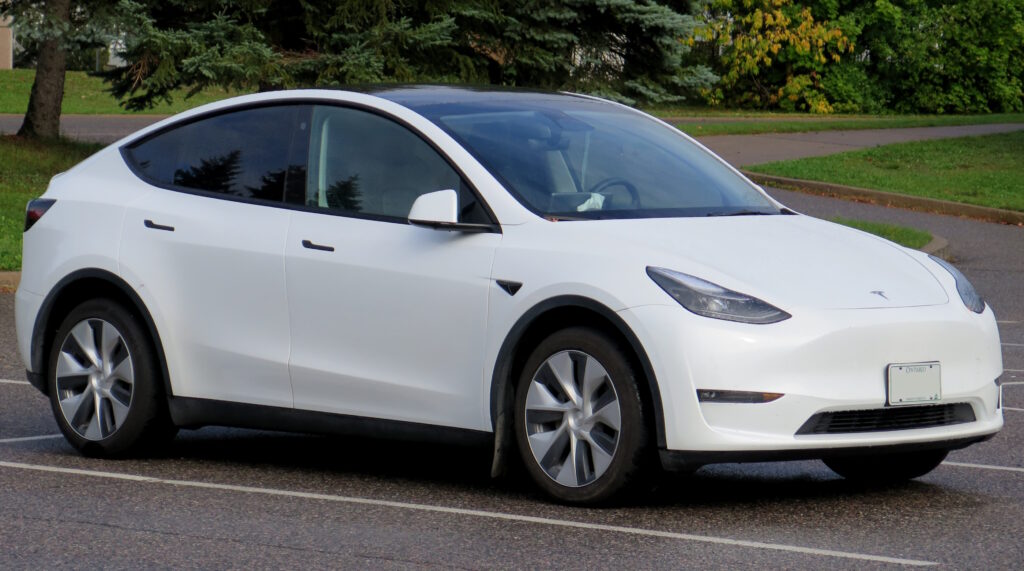
The Tesla Model Y 0–60 time is one of the biggest reasons this electric SUV attracts drivers who want practicality without sacrificing performance. Depending on the model year and configuration, the Model Y can accelerate from 0 to 60 mph in as little as 3.3 seconds, making the fastest version competitive with many dedicated sports cars.
But not every Model Y delivers the same acceleration.
A Rear-Wheel Drive version prioritizes efficiency and affordability, while the Long Range and Premium All-Wheel Drive configurations offer a stronger combination of speed, range, and everyday usability. At the top of the lineup, the Model Y Performance delivers genuinely impressive straight-line acceleration.
In this guide, we'll explore Tesla Model Y acceleration times from 2020 through 2026, compare different trims, examine independent road tests, and explain which factors influence real-world performance.
We'll also look at whether upgrading to the Performance version is worthwhile and what buyers should know about battery charge, driving conditions, and acceleration testing.
Content in this publication
- Tesla Model Y 0–60 Times at a Glance
- Is the Tesla Model Y Fast?
- 2026 Tesla Model Y 0–60 Time
- Tesla Model Y 0–60 Time by Year
- Why Is the Tesla Model Y So Quick?
- Tesla Model Y Long Range vs. Performance
- Tesla Model Y 0–60: Official vs. Real-World Tests
- What Does Rollout Mean in 0–60 Testing?
- Factors That Affect Tesla Model Y 0–60 Time
- Does Tesla Model Y Acceleration Boost Improve 0–60 Time?
- Tesla Model Y Quarter-Mile Performance
- Tesla Model Y 0–60 vs. Traditional SUVs
- Is the Tesla Model Y Faster Than the Model 3?
- How Fast Does the Tesla Model Y Feel in Everyday Driving?
- Does Fast Acceleration Reduce Tesla Model Y Range?
- Which Tesla Model Y Has the Best Acceleration?
- Is the Tesla Model Y Performance Worth It?
- How to Test Tesla Model Y Acceleration Safely
- Buying a Used Tesla Model Y: Acceleration Checklist
- Frequently Asked Questions
- Conclusion: How Quick Is the Tesla Model Y?
Tesla Model Y 0–60 Times at a Glance
The latest US-market Model Y lineup includes several configurations with noticeably different acceleration capabilities.
Here are the published acceleration figures for the current configurations.
| Tesla Model Y Version | 0–60 MPH | Drivetrain |
|---|---|---|
| Model Y Rear-Wheel Drive | 6.8 seconds | Single Motor RWD |
| Model Y All-Wheel Drive | 4.3 seconds | AWD |
| Model Y Premium RWD | 5.4 seconds | Single Motor RWD |
| Model Y Premium AWD | 4.3 seconds | Dual Motor AWD |
| Model Y L Premium AWD | 4.4 seconds | Dual Motor AWD |
| Model Y Performance | 3.3 seconds | Dual Motor AWD |
These are Tesla's published US-market figures as referenced in October 2026. Tesla has previously advertised 4.6 seconds for the refreshed Premium AWD. Specifications can change by configuration, market, and production period. The Performance figure subtracts rollout.
The difference between the slowest and fastest configurations is substantial.
The Model Y Performance reaches 60 mph approximately 3.5 seconds faster than the entry-level Rear-Wheel Drive version.
That gap transforms the driving experience, particularly during hard acceleration.
However, even the slower Model Y configurations provide immediate electric-motor response that can make them feel quicker than their acceleration figures suggest.
Is the Tesla Model Y Fast?
Yes, the Tesla Model Y is a fast SUV, especially in its dual-motor configurations.
While many family SUVs focus primarily on comfort, practicality, and fuel economy, the Model Y combines these characteristics with strong acceleration.
Its performance comes from several engineering advantages:
- Electric motors produce torque almost immediately.
- There are no conventional automatic transmission gear changes interrupting acceleration.
- Dual-motor versions can distribute propulsion between the front and rear axles.
- Electronic traction management helps optimize available grip.
- The battery's low mounting position contributes to vehicle stability.
These characteristics make the Model Y responsive when accelerating away from traffic lights, joining highways, and overtaking slower vehicles.
Nevertheless, acceleration varies considerably across the range.
For drivers who simply want a comfortable electric family SUV, the Rear-Wheel Drive model delivers sufficient performance.
For drivers who enjoy rapid acceleration, the AWD and Performance configurations provide a noticeably more exciting experience.
2026 Tesla Model Y 0–60 Time
The refreshed Tesla Model Y introduced changes to exterior styling, interior comfort, suspension refinement, and vehicle technology.
Although these improvements are important, acceleration remains one of its most appealing characteristics.
Let's examine the main versions individually.
Tesla Model Y Rear-Wheel Drive: 6.8 Seconds
The entry-level Model Y Rear-Wheel Drive has a published 0–60 mph time of 6.8 seconds.
This version uses a single electric motor driving the rear wheels.
Its main advantages are affordability, efficiency, and simplicity.
Although it doesn't deliver the explosive acceleration of the Performance model, it remains responsive in everyday driving.
The instantaneous torque makes pulling away from intersections feel smooth and effortless.
For commuters and families who rarely use full acceleration, the base Model Y provides more than enough performance.
Tesla Model Y All-Wheel Drive: 4.3 Seconds
The standard Model Y All-Wheel Drive is significantly quicker, with a published 0–60 mph time of approximately 4.3 seconds.
This configuration benefits from power delivery to both axles.
The additional traction helps the vehicle accelerate rapidly, particularly on suitable road surfaces.
Its acceleration is quick enough to rival many conventional performance-oriented vehicles.
For drivers seeking stronger performance without choosing the most expensive configuration, this version represents an interesting option.
The Premium Rear-Wheel Drive version has been advertised with a 0–60 mph time of approximately 5.4 seconds.
It combines rear-wheel drive with equipment and range characteristics that distinguish it from the entry-level model.
Compared with the basic RWD version, the Premium RWD provides stronger acceleration while maintaining the benefits of a single-motor configuration.
For many drivers, this represents an appealing middle ground.
It feels quick during highway merging and overtaking without the additional focus on outright performance found in the AWD variants.
The Premium All-Wheel Drive version currently carries a published 0–60 mph figure of approximately 4.3 seconds in Tesla's US specifications.
Earlier refreshed-model listings quoted 4.6 seconds, so buyers comparing older reviews with newer listings may encounter different figures.
This is why confirming the exact configuration and production period matters.
The Premium AWD delivers the advantages of dual electric motors, strong traction, and rapid acceleration.
It is particularly attractive for drivers who want a combination of performance, premium equipment, and longer-distance comfort.
The longer-wheelbase Model Y L Premium adds another option to the lineup.
Its published 0–60 mph time is approximately 4.4 seconds.
This is impressive considering its larger dimensions and emphasis on passenger accommodation.
The dual-motor AWD system helps maintain strong performance while supporting the vehicle's additional size and weight.
It demonstrates that buyers do not necessarily need to sacrifice acceleration when choosing a more spacious Model Y.
Tesla Model Y Performance: 3.3 Seconds
The Tesla Model Y Performance 0–60 time is 3.3 seconds, according to Tesla's published specifications.
This figure uses rollout subtraction.
The Performance version features a more aggressive performance-oriented setup, including upgraded chassis tuning, larger wheels, and adaptive suspension.
The result is an SUV that delivers extremely rapid acceleration.
At full power, the acceleration can feel surprisingly intense, particularly for passengers unfamiliar with performance electric vehicles.
The Performance version is intended for drivers who want the quickest Model Y experience rather than simply a fast everyday SUV.
Tesla Model Y 0–60 Time by Year
The Model Y has evolved since its introduction in 2020.
Early versions already offered strong performance, but changes to available drivetrains, software, batteries, and configurations have influenced published acceleration figures.
The following table summarizes representative US-market specifications across several production years.
| Model Year | Version | Published 0–60 MPH |
|---|---|---|
| 2020 | Performance AWD | Approximately 3.5 seconds |
| 2021 | Long Range AWD | 4.8 seconds |
| 2022 | Long Range AWD | 4.8 seconds |
| 2022 | Performance AWD | 3.5 seconds |
| 2023 | Long Range AWD | 4.8 seconds |
| 2023 | Performance AWD | 3.5 seconds |
| 2024 | RWD | 6.6 seconds |
| 2024 | Long Range AWD | 4.8 seconds |
| 2024 | Performance AWD | 3.5 seconds |
| 2025 | Refreshed Long Range RWD | Approximately 5.4 seconds |
| 2025 | Refreshed Long Range AWD | Approximately 4.6 seconds |
| 2026 | Base RWD | 6.8 seconds |
| 2026 | Premium AWD | 4.3 seconds |
| 2026 | Performance AWD | 3.3 seconds |
These are representative advertised figures rather than an exhaustive listing of every configuration. Tesla revised the available trims during certain model years, and regional specifications may differ.
2020–2022 Tesla Model Y Acceleration
The earliest Model Y versions established the SUV's reputation for strong acceleration.
The Long Range AWD typically carried a published 0–60 mph time of around 4.8 seconds.
Meanwhile, the Performance version achieved approximately 3.5 seconds under Tesla's published measurement convention.
These figures were particularly impressive for a practical electric SUV when the Model Y first entered the market.
2023–2024 Tesla Model Y Acceleration
During 2023 and 2024, the Model Y continued offering competitive acceleration.
The 2024 Long Range AWD was rated at approximately 4.8 seconds, while the Performance version achieved 3.5 seconds.
Rear-wheel-drive configurations were slower, with the standard 2024 RWD model rated at approximately 6.6 seconds.
Buyers could therefore choose between efficiency-oriented and performance-oriented versions without switching to another vehicle model.
2025–2026 Tesla Model Y Acceleration
The refreshed Model Y, often associated with the Juniper update, introduced several changes to the vehicle.
The updated styling, interior improvements, and suspension refinement received considerable attention.
Acceleration remained strong.
The refreshed dual-motor versions were capable of particularly rapid acceleration, while the newest Performance configuration brought Tesla's published 0–60 mph time down to 3.3 seconds.
Because the refreshed model appeared under different model years depending on the market, comparing vehicles solely by registration year can be misleading.
We recommend checking the precise trim, manufacturing details, and Tesla's specifications for the individual vehicle.
Why Is the Tesla Model Y So Quick?
One of the most interesting aspects of the Model Y is how effortlessly it accelerates.
Several technical characteristics contribute to this behavior.
Instant Electric Motor Torque
Unlike a traditional gasoline engine, an electric motor does not need to build engine speed through a conventional transmission to deliver strong initial torque.
When the driver presses the accelerator, the electric drivetrain responds almost immediately.
This creates the sensation of instant forward movement.
The responsiveness is especially noticeable at lower speeds.
Dual-Motor All-Wheel Drive
Dual-motor Model Y configurations use electric motors to provide propulsion at both axles.
This offers two important benefits.
First, the motors can deliver greater combined propulsion than a comparable lower-output single-motor configuration.
Second, torque can be managed between axles to help maintain traction.
The combination produces strong acceleration across a variety of driving situations.
Battery Power Delivery
The battery is responsible for supplying energy to the electric motors.
During heavy acceleration, the powertrain requires substantial electrical power.
Tesla's battery management and power electronics coordinate energy delivery while maintaining appropriate operating limits.
However, available power can change depending on battery temperature, charge level, and other conditions.
Low Center of Gravity
The Model Y's battery pack is mounted beneath the passenger compartment.
This positioning helps lower the vehicle's center of gravity.
Although a low center of gravity does not directly guarantee faster 0–60 mph acceleration, it contributes to vehicle stability and handling characteristics.
That can make the Model Y feel more controlled during acceleration and cornering.
Tesla Model Y Long Range vs. Performance
For many buyers, the most important decision is whether to choose a Long Range or Premium AWD configuration or spend more on the Performance version.
Both provide impressive acceleration, but they target different priorities.
| Feature | Premium AWD | Performance |
|---|---|---|
| Published 2026 0–60 MPH | 4.3 seconds | 3.3 seconds |
| Drivetrain | Dual Motor AWD | Dual Motor AWD |
| Main Priority | Range and comfort | Maximum performance |
| Driving Character | Quick and refined | More aggressive |
| Wheel Setup | Comfort-oriented options | Performance-oriented |
| Ideal Buyer | Everyday driver | Performance enthusiast |
Acceleration Difference
Based on these published figures, the Performance model is approximately one second quicker from 0 to 60 mph.
Although one second might sound insignificant, it represents a substantial difference during a short acceleration run.
The Performance version delivers a much more aggressive sensation when the driver requests maximum acceleration.
However, the Premium AWD is already very quick.
Most drivers will rarely need the additional acceleration available in the Performance version.
Comfort and Daily Driving
The Premium AWD generally prioritizes a balance of comfort, efficiency, and performance.
The Performance version adds more specialized equipment that emphasizes responsive handling and stronger acceleration.
Depending on road conditions and wheel configuration, the larger performance-oriented wheels and tires may influence ride comfort, noise, and replacement costs.
If we spend most of our time commuting or traveling with family, the Premium AWD may be the more practical choice.
Range and Efficiency
Performance-focused equipment can also influence driving range.
Larger wheels, wider tires, and aggressive driving generally increase energy consumption.
The Performance model is designed to deliver greater driving excitement, while the Premium configurations place greater emphasis on everyday efficiency.
The best choice depends on whether maximum acceleration or longer-distance convenience matters more to us.
Tesla Model Y 0–60: Official vs. Real-World Tests
An important point when researching Tesla acceleration is that manufacturer specifications and independent test results do not always match.
For example, independent publications have recorded the refreshed Model Y Long Range AWD accelerating to 60 mph in less than four seconds.
MotorTrend recorded approximately 3.8 seconds for a refreshed 2026 Long Range AWD test vehicle.
Car and Driver has also recorded approximately 3.9 seconds for the Long Range AWD configuration, later marketed as Premium AWD.
Both results demonstrate that real-world performance can exceed some published manufacturer estimates.
However, this does not mean every Model Y will reproduce those figures.
Vehicle condition, battery state, temperature, tires, and measurement procedures can all influence the result.
It is also essential to distinguish between individual tested vehicles and an entire model range.
A particularly quick independent test should not be treated as a guarantee for every vehicle carrying the same badge.
What Does Rollout Mean in 0–60 Testing?
Rollout is one of the most misunderstood aspects of acceleration testing.
In drag racing, rollout traditionally refers to the short distance a vehicle travels before the timing system begins recording elapsed time.
Some automotive acceleration measurements subtract the time corresponding to the first foot of vehicle movement.
This produces a quicker published number than timing the complete acceleration event from a stationary start.
Tesla explicitly identifies rollout subtraction for certain Performance acceleration figures.
Consequently, a manufacturer's published 3.3-second result should not automatically be compared with a result measured using an entirely different timing method.
When analyzing independent testing, we should ask:
- Was one-foot rollout subtracted?
- Was the test performed on a prepared surface?
- What was the battery's state of charge?
- Which tires were fitted?
- What were the weather conditions?
- Was the result recorded with professional timing equipment?
These details help explain why two reputable sources can publish slightly different acceleration results for the same model.
Factors That Affect Tesla Model Y 0–60 Time
Even when two vehicles have identical specifications, their acceleration results may differ.
Let's explore the most important factors.
1. Battery State of Charge
Battery charge level can influence the amount of power available during acceleration.
A battery at a relatively high state of charge may support stronger performance than one operating at a very low charge level.
However, the relationship varies depending on battery design, software, and operating conditions.
We should not assume that every Model Y produces exactly the same acceleration at every battery percentage.
2. Battery Temperature
Battery temperature is another important variable.
Electric-vehicle battery systems operate most effectively within particular temperature ranges.
When a battery is very cold, the vehicle may temporarily restrict available power.
Similarly, excessive heat can cause protective power limitations.
Tesla's thermal management system helps regulate battery temperature, but environmental conditions can still affect performance.
3. Tire Quality and Condition
Tires determine how effectively the vehicle transfers propulsion to the road.
Poor traction can reduce acceleration performance, even if the electric motors are capable of delivering substantial torque.
Tire condition, tread depth, rubber compound, and road temperature all matter.
High-performance tires may deliver stronger grip under suitable conditions, while all-season tires prioritize a broader range of weather conditions.
4. Road Surface
A clean, dry road usually provides better traction than a wet or slippery surface.
On low-grip surfaces, the vehicle's traction-management system may limit wheel torque to prevent excessive slipping.
This can increase 0–60 mph acceleration times.
5. Passenger and Cargo Weight
Additional weight increases the amount of work required to accelerate the vehicle.
A Model Y carrying several passengers and heavy luggage may accelerate more slowly than the same vehicle with only a driver aboard.
The difference will depend on the amount of added mass and other conditions.
6. Wheel Size
Different wheel and tire packages can influence acceleration through their weight, dimensions, and traction characteristics.
A larger wheel is not automatically faster.
The overall combination of tire grip, rotating mass, and rolling resistance is more important than wheel diameter alone.
7. Software and Powertrain Configuration
Tesla vehicles use sophisticated software to manage electric-motor output.
Different versions may have different power limits and acceleration characteristics.
Some older compatible models have also offered software-based acceleration upgrades.
Therefore, two Model Y vehicles from the same year may perform differently if their configurations or installed upgrades are not identical.
Does Tesla Model Y Acceleration Boost Improve 0–60 Time?
Acceleration Boost has been offered for certain Tesla dual-motor vehicles, including eligible Model Y Long Range AWD configurations.
The upgrade increases available acceleration performance through software.
On compatible earlier Model Y Long Range AWD vehicles, Tesla advertised an improvement from approximately 4.8 seconds to 4.2 seconds.
This made the Long Range version noticeably quicker without requiring buyers to purchase a Performance model.
However, there are some important considerations.
Acceleration Boost availability varies by vehicle and production period.
Not every Model Y supports the upgrade, and buyers should not assume it is currently offered for all 2026 versions.
To determine eligibility, owners should check the upgrades available for their specific vehicle through Tesla.
For used Model Y buyers, confirming whether an acceleration upgrade is already installed can be worthwhile.
Tesla Model Y Quarter-Mile Performance
The 0–60 mph measurement provides a useful indication of initial acceleration.
However, it does not tell us everything about a vehicle's performance.
Quarter-mile testing measures how quickly a vehicle covers 1,320 feet from a standing start.
This reveals more about acceleration beyond normal city speeds.
The Model Y performs particularly well because its electric powertrain delivers strong initial torque and rapid response.
Independent tests have recorded quarter-mile results around the low-12-second range for refreshed Long Range AWD vehicles.
For example, MotorTrend recorded a 12.2-second quarter-mile at 116.3 mph with its tested 2026 Long Range AWD.
These numbers are impressive for a family-oriented electric SUV.
Nevertheless, different trims produce different quarter-mile results, and 0–60 mph figures should not be used to calculate an exact quarter-mile time.
The relationship depends on the vehicle's power delivery throughout the acceleration run.
Tesla Model Y 0–60 vs. Traditional SUVs
One reason the Model Y attracts attention is its ability to combine everyday practicality with acceleration normally associated with sportier vehicles.
Many conventional SUVs require larger engines, specialized performance packages, or expensive upgrades to achieve similar results.
The Model Y's electric drivetrain provides immediate response without conventional gear changes.
That makes it feel particularly quick at lower speeds.
However, comparing electric and gasoline-powered vehicles requires more than looking at one acceleration number.
We should also consider:
- Purchase price and equipment.
- Ride comfort and handling.
- Braking performance.
- Highway passing acceleration.
- Energy efficiency.
- Charging or refueling convenience.
- Maintenance requirements.
- Tire replacement costs.
A vehicle with the quickest 0–60 mph time is not necessarily the best vehicle for every driver.
Is the Tesla Model Y Faster Than the Model 3?
The Tesla Model 3 and Model Y share several electric-vehicle engineering characteristics.
However, the Model 3 is a sedan, while the Model Y is a taller crossover SUV.
In many comparable configurations, the Model 3 benefits from its lower body profile and differences in vehicle mass.
These characteristics can contribute to quicker acceleration.
Nevertheless, results vary by drivetrain, trim, battery, and model year.
A Model Y Performance can accelerate more quickly than a lower-powered Model 3 configuration.
Similarly, comparing two Performance versions requires checking their exact model years rather than assuming they use identical powertrain specifications.
If acceleration is the main priority, the Model 3 is worth considering.
If we need additional cargo flexibility, a higher seating position, and SUV practicality, the Model Y remains an attractive alternative.
How Fast Does the Tesla Model Y Feel in Everyday Driving?
An interesting aspect of electric-vehicle performance is that subjective acceleration can feel different from what the numbers suggest.
Even a Model Y with a relatively modest 0–60 mph time responds quickly to accelerator inputs.
This is particularly noticeable when starting from low speeds.
Traditional gasoline vehicles may need to downshift before producing strong acceleration.
By comparison, the Model Y can provide immediate torque without waiting for a conventional transmission to select another gear.
The result is smooth, predictable acceleration.
For many drivers, this responsiveness matters more than achieving the fastest possible launch.
Highway Merging
Dual-motor Model Y versions provide strong acceleration for joining highway traffic.
Drivers can request additional power quickly, which can make merging feel effortless when used appropriately.
Overtaking
Electric-motor response is also useful during passing maneuvers.
However, passing acceleration depends on current speed and available power, not simply the vehicle's standing-start 0–60 mph time.
City Driving
In urban environments, the Model Y's immediate response can make the vehicle feel nimble.
Even the entry-level versions offer enough acceleration for typical traffic situations.
Does Fast Acceleration Reduce Tesla Model Y Range?
Yes. Frequent hard acceleration can increase electricity consumption.
Rapid acceleration requires substantial power from the battery.
Although regenerative braking can recover some energy during deceleration, it does not recover all the energy used to accelerate the vehicle.
Repeatedly accelerating hard and braking can therefore reduce overall efficiency.
Other factors also affect range, including:
- Sustained highway speed.
- Ambient temperature.
- Heating and air-conditioning use.
- Tire pressure.
- Terrain and elevation changes.
- Vehicle weight.
- Wind and weather conditions.
For maximum efficiency, smooth accelerator inputs and consistent speeds are generally preferable.
That does not mean we must avoid enjoying the Model Y's performance.
It simply means there is a tradeoff between frequent maximum acceleration and energy efficiency.
Which Tesla Model Y Has the Best Acceleration?
The Model Y Performance is the quickest version in the current US lineup based on Tesla's published figures.
Its 3.3-second 0–60 mph time makes it the natural choice for buyers who prioritize acceleration.
However, the best Model Y is not automatically the fastest.
Different versions suit different needs.
Best for Maximum Speed: Model Y Performance
Choose the Performance if rapid acceleration and performance-focused equipment are the main priorities.
It offers the quickest published 0–60 mph time and a sportier driving setup.
The Premium AWD combines strong acceleration with everyday comfort and range-oriented characteristics.
Its published acceleration is already quick enough to satisfy many enthusiastic drivers.
Best for Affordability: Rear-Wheel Drive
The entry-level RWD configuration is appropriate for drivers who want the Model Y experience without paying primarily for additional performance.
Its 6.8-second 0–60 mph time remains adequate for normal driving.
Best for Additional Space: Model Y L
The Model Y L provides a longer-wheelbase option without giving up strong acceleration.
Its published 4.4-second time shows that a larger cabin does not necessarily mean slow performance.
Is the Tesla Model Y Performance Worth It?
Whether the Performance upgrade is worthwhile depends on how we intend to use the vehicle.
For enthusiasts, the additional acceleration can be a major attraction.
The Performance version also offers equipment intended to improve the overall driving experience beyond straight-line speed.
However, there are tradeoffs.
Performance-oriented wheels and tires can affect ride comfort, replacement costs, and energy consumption.
The purchase price is also typically higher than that of less powerful configurations.
For everyday commuting, family travel, and highway journeys, the Premium AWD already offers substantial performance.
We would generally favor the Premium AWD if comfort and value were our main priorities.
However, if we specifically wanted the most exciting Model Y acceleration experience, the Performance would be the more appealing choice.
How to Test Tesla Model Y Acceleration Safely
Testing a vehicle's full acceleration capabilities requires an appropriate environment.
A 3.3-second 0–60 mph run involves reaching highway speed extremely quickly.
For accurate and responsible testing, a closed course or professionally managed testing facility is the appropriate location.
Public roads are not suitable for maximum-acceleration experiments.
Professional timing equipment can also produce more reliable measurements than estimating acceleration with a smartphone stopwatch.
Before conducting any controlled performance test, we should ensure that the vehicle is mechanically sound, tires are in good condition, and battery operating conditions are appropriate.
It is also important to respect passengers' comfort, because sudden electric-vehicle acceleration can be unexpectedly forceful.
Buying a Used Tesla Model Y: Acceleration Checklist
If we are purchasing a pre-owned Model Y, acceleration specifications can help identify which version best meets our expectations.
However, the model badge alone may not provide all the information.
We recommend checking the following:
- Exact model year: The Model Y lineup has changed over time.
- Drivetrain: Confirm whether the vehicle is RWD or AWD.
- Trim level: Performance, Long Range, Premium, and base versions can differ substantially.
- Software upgrades: Some eligible vehicles may have Acceleration Boost.
- Tire condition: Poor tires can affect traction and safety.
- Battery and service history: Review available information about the vehicle's condition.
- Original specifications: Compare the vehicle against Tesla's documentation for its production period.
A well-maintained Long Range AWD may represent excellent value for someone who wants strong acceleration without paying for a Performance model.
Meanwhile, buyers seeking the quickest acceleration should confirm that the vehicle is genuinely a Performance configuration.
Frequently Asked Questions
1. What Is the Fastest Tesla Model Y 0–60 Time?
The current Tesla Model Y Performance has a manufacturer-published 0–60 mph time of 3.3 seconds, with rollout subtracted.
This makes it the quickest configuration in the current US Model Y lineup based on Tesla's published specifications.
Independent testing results can vary depending on conditions and timing methods.
2. How Fast Is the Tesla Model Y Long Range 0–60?
Older Model Y Long Range AWD vehicles commonly carried a published 0–60 mph time of approximately 4.8 seconds.
Refreshed versions have been advertised with quicker figures, including 4.6 seconds, while current Premium AWD specifications list approximately 4.3 seconds.
Independent tests of refreshed Long Range AWD vehicles have recorded results as quick as 3.8–3.9 seconds.
The exact figure depends on model year, configuration, and testing conditions.
3. Is the Tesla Model Y Performance Faster Than the Long Range?
Yes. Based on comparable published specifications, the Model Y Performance accelerates more quickly than the Long Range or Premium AWD versions.
The current Performance model is rated at 3.3 seconds from 0 to 60 mph, compared with approximately 4.3 seconds for the current Premium AWD.
The Performance also incorporates equipment intended to improve sporty driving characteristics.
4. Does Battery Percentage Affect Tesla Model Y Acceleration?
Yes. Battery state of charge can affect the power available from the electric drivetrain.
Performance may also change with battery temperature and operating conditions.
A low battery charge can result in reduced available power, although the precise effect varies between configurations.
5. Can a Tesla Model Y Go 0–60 in Under 4 Seconds?
Yes. The Model Y Performance is officially rated below four seconds.
Independent tests have also recorded sub-four-second acceleration from certain refreshed Long Range AWD vehicles.
However, not every Model Y configuration can achieve this result.
The entry-level RWD and other lower-powered versions have slower published acceleration times.
Conclusion: How Quick Is the Tesla Model Y?
The Tesla Model Y 0–60 time ranges from approximately 3.3 to 6.8 seconds across the current US lineup, depending on the drivetrain and configuration.
That makes the Model Y one of the more interesting choices for buyers who want a practical electric SUV with responsive acceleration.
The Rear-Wheel Drive models provide comfortable everyday performance, while dual-motor AWD versions offer much stronger acceleration.
The Model Y Performance takes things further, delivering an impressive 3.3-second manufacturer-quoted sprint to 60 mph.
However, we shouldn't choose a vehicle based on acceleration alone.
Range, price, ride comfort, practicality, tire costs, and daily driving requirements all deserve consideration.
For most drivers, an AWD Model Y offers an excellent combination of speed and usability. For enthusiasts who want maximum acceleration, the Performance version is difficult to overlook.
Ultimately, the most appealing aspect of the Model Y is not simply how quickly it reaches 60 mph. It is the way it combines immediate electric-motor response, family-friendly practicality, and impressive performance in a single vehicle.
If you want to know other articles similar to Tesla Model Y 0–60 Time: All Models Compared you can visit the category Driving.
Can Nissan Rogue Pull a Boat? Complete Towing Guide
Can Nissan Rogue Be Flat Towed? Complete Towing Guide
Are Nissan Rogue Good on Gas? MPG, Fuel Economy, and Real-World Costs
Can Nissan Rogue Drive in Snow? Complete Winter Driving Guide
Kia Sorento Diesel Fuel Consumption: MPG, Efficiency and Real-World Range
Haval Jolion Hybrid Fuel Consumption: How Efficient Is It Really?
Leave a Reply
More content of your interest