
Vauxhall Insignia MPG: Real Fuel Economy, Running Costs, and Tips to Maximize Efficiency

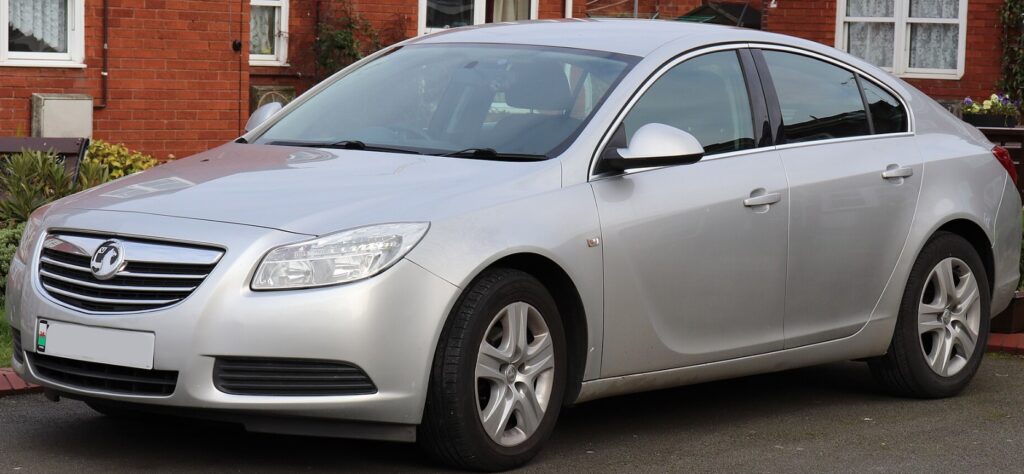
When we shop for a family car, fuel economy often sits near the top of the priority list. A stylish design, comfortable cabin, and strong performance are all great, but if the fuel gauge drops too quickly, ownership becomes far more expensive than expected. That's why the Vauxhall Insignia MPG figures matter so much. Whether you're considering a used first-generation model or a newer Grand Sport, understanding real-world fuel economy helps you make a smarter buying decision.
The good news? The Vauxhall Insignia has earned a reputation for delivering respectable fuel efficiency, especially in its diesel variants. While official manufacturer figures can look impressive on paper, everyday driving tells a more realistic story. Traffic, weather, driving style, and maintenance all influence the miles per gallon you'll actually achieve.
In this guide, we'll explore everything you need to know about Vauxhall Insignia MPG, compare petrol and diesel models, explain why some engines outperform others, and share practical ways to squeeze every extra mile from each tank.
Content in this publication
- What Does MPG Mean?
- Official vs Real-World Vauxhall Insignia MPG
- Typical Vauxhall Insignia MPG by Engine
- Which Vauxhall Insignia Has the Best MPG?
- Why Your MPG May Be Lower Than Expected
- Manual vs Automatic MPG
- Diesel vs Petrol Running Costs
- Motorway MPG
- City Driving MPG
- How Driving Style Affects Fuel Economy
- Maintenance Tips for Better MPG
- Is the Vauxhall Insignia Good on Fuel?
- Final Thoughts
What Does MPG Mean?
Before diving into specific numbers, let's briefly cover the basics.
MPG stands for Miles Per Gallon, which measures how far a vehicle can travel using one imperial gallon of fuel. The higher the MPG figure, the less fuel the car consumes over a given distance.
For example:
- 30 MPG means the car uses fuel relatively quickly.
- 45 MPG is considered respectable.
- 60 MPG or higher is excellent for a large family car.
Since the Insignia is larger and heavier than many hatchbacks, achieving over 50 MPG is actually quite impressive.
Official vs Real-World Vauxhall Insignia MPG
One of the biggest misconceptions among buyers is assuming official fuel economy figures perfectly match everyday driving.
Manufacturers test vehicles under controlled laboratory conditions. Those tests provide a useful benchmark but rarely reflect heavy traffic, cold starts, hills, aggressive acceleration, or motorway cruising with passengers.
Real-world testing from thousands of drivers consistently shows lower—but more realistic—fuel economy figures than official ratings. Diesel versions of the Insignia remain the efficiency champions, while petrol engines trade a little economy for smoother performance and lower maintenance complexity. [1] [2]
Typical Vauxhall Insignia MPG by Engine
Although exact figures vary depending on trim level, gearbox, wheel size, and driving habits, these ranges provide a realistic expectation.
1.6 CDTi Diesel
Arguably one of the most economical Insignia engines ever offered.
Typical fuel economy:
- Urban driving: 45–52 MPG
- Mixed driving: 50–60 MPG
- Motorway: 60–70 MPG
Many owners report averages close to 50 MPG in daily use, making this engine an excellent choice for commuters. [1]
2.0 CDTi Diesel
This engine balances power and efficiency remarkably well.
Expected MPG:
- City: 42–48 MPG
- Combined: 48–58 MPG
- Motorway: 55–65 MPG
Despite producing significantly more torque than smaller engines, it still returns impressive economy during long-distance travel.
1.5 Turbo Petrol
Petrol engines appeal to drivers covering fewer annual miles.
Typical results include:
- Urban: 30–36 MPG
- Combined: 36–44 MPG
- Motorway: 42–48 MPG
While these figures cannot quite match the diesel models, the engine offers quieter operation and lower emissions equipment complexity.
2.0 Turbo Petrol
If performance comes first, fuel economy naturally falls.
Owners generally report:
- Around 25–32 MPG in town
- Approximately 34–40 MPG combined
- Up to 42 MPG during gentle motorway journeys
Which Vauxhall Insignia Has the Best MPG?
If maximum fuel economy is your priority, diesel remains the clear winner.
The most efficient versions include:
- 1.6 CDTi ecoFLEX
- 1.5 Diesel (Grand Sport)
- 2.0 Diesel 174 PS
Real-world drivers regularly achieve over 60 MPG during motorway driving with these engines when driven sensibly. [3] [6]
Why Your MPG May Be Lower Than Expected
Many owners become concerned when they fail to match published figures.
Several everyday factors reduce fuel economy:
- Short journeys before the engine warms up
- Stop-start city traffic
- Heavy acceleration
- High motorway speeds
- Roof boxes
- Underinflated tyres
- Carrying unnecessary weight
- Dirty air filters
- Low-quality fuel
Think of your engine like a marathon runner. The harder it works, the more energy—and fuel—it consumes.
Manual vs Automatic MPG
Transmission choice also affects economy.
Manual gearboxes generally offer slightly better fuel efficiency because experienced drivers can shift earlier and keep engine revs low.
Modern automatic transmissions have improved dramatically, however. In steady motorway driving, many automatic Insignias now deliver fuel economy that's almost identical to manual versions.
The difference is often only 1–3 MPG.
Diesel vs Petrol Running Costs
Fuel economy isn't the only ownership expense.
Diesels offer:
- Better long-distance efficiency
- Lower fuel consumption
- Strong motorway performance
- Higher torque
Petrol models provide:
- Lower purchase prices
- Simpler emissions systems
- Quieter engines
- Better suitability for short trips
If you drive fewer than about 10,000 miles annually, a petrol Insignia often makes more financial sense despite its lower MPG.
Motorway MPG
Long motorway journeys showcase the Insignia at its best.
Thanks to its aerodynamic design and relaxed gearing, diesel models comfortably cruise at legal speeds while maintaining impressive fuel economy.
Many owners report seeing between 60 and 65 MPG on extended motorway trips, especially with cruise control engaged and minimal traffic interruptions. [5]
City Driving MPG
Urban environments are naturally less efficient.
Frequent braking, traffic lights, congestion, and cold starts all increase fuel consumption.
Typical city economy ranges from:
- Diesel: 42–50 MPG
- Petrol: 28–36 MPG
Planning routes to avoid rush hour can noticeably improve these numbers.
How Driving Style Affects Fuel Economy
Our right foot often determines MPG more than the engine itself.
To improve efficiency:
- Accelerate gently
- Anticipate traffic
- Maintain steady speeds
- Avoid unnecessary idling
- Shift gears early
- Use cruise control when appropriate
Small habits repeated daily can save hundreds of pounds in fuel each year.
Maintenance Tips for Better MPG
Keeping your Insignia healthy helps it run efficiently.
Essential maintenance includes:
- Regular oil changes
- Correct tyre pressures
- Clean air filters
- Wheel alignment
- Timely fuel filter replacement
- Engine diagnostic checks
- Quality fuel
Ignoring maintenance gradually reduces efficiency and increases long-term repair costs.
Is the Vauxhall Insignia Good on Fuel?
Considering its size, comfort, and practicality, the answer is yes.
The diesel lineup remains particularly impressive, delivering economy that rivals many smaller vehicles while offering significantly more interior space and refinement.
Petrol models consume more fuel but still compare well with similarly sized competitors.
Ultimately, the best engine depends on your driving habits rather than simply chasing the highest published MPG figure.
Final Thoughts
The Vauxhall Insignia proves that a spacious family car doesn't have to be expensive to fuel. Diesel versions excel on long-distance journeys, regularly delivering over 50 MPG in everyday use, while petrol models offer smoother performance for drivers with lower annual mileage.
Rather than focusing solely on official laboratory figures, it's wise to consider real-world fuel economy, your typical journey lengths, and maintenance habits. A well-maintained Insignia driven sensibly can reward owners with excellent efficiency, comfortable journeys, and affordable running costs for many years.
Whether you're buying your first Insignia or replacing an older model, choosing the right engine for your lifestyle will have a far greater impact than chasing the highest advertised MPG number.
If you want to know other articles similar to Vauxhall Insignia MPG: Real Fuel Economy, Running Costs, and Tips to Maximize Efficiency you can visit the category Driving.
Kia Sorento Fuel Economy: MPG, Hybrid, and Plug-In Hybrid Explained
BYD Shark 6 Fuel Consumption: Real-World Economy, Range and What to Expect
Vauxhall Agila MPG: Real-World Fuel Economy and Engine Guide
Honda Passport MPG: Real-World Fuel Economy, Ratings, and What to Expect

Nissan Rogue Fuel Economy: MPG, Range, Costs, and Real-World Efficiency
BYD Shark 6 Long Range Fuel Tank: Is the 120L Upgrade Worth It?
Leave a Reply
More content of your interest