

Vauxhall Meriva Tyre Pressure PSI: Complete Guide

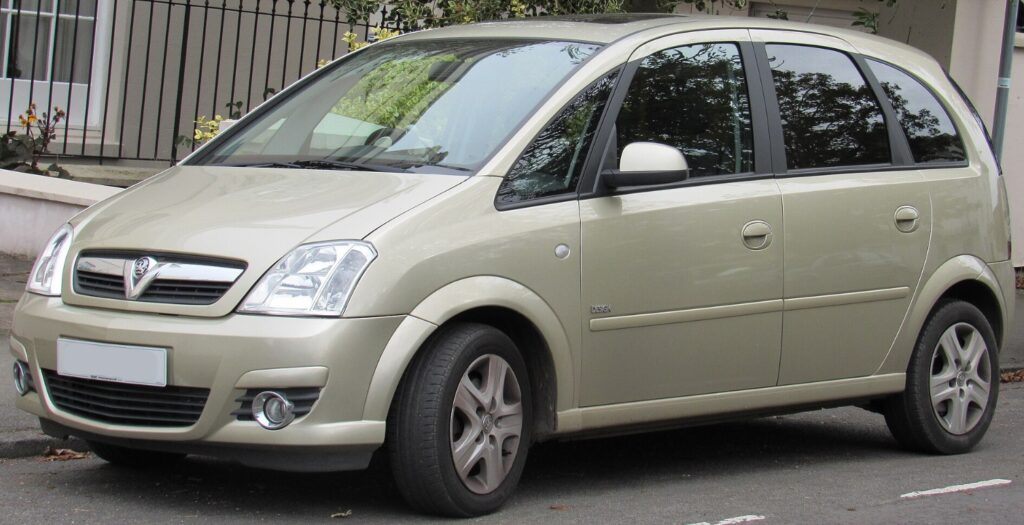
Finding the correct Vauxhall Meriva tyre pressure PSI sounds like a five-minute job. Then we look online and discover several different answers: 30 PSI, 33 PSI, 36 PSI, 41 PSI, or even 46 PSI. Which figure should we trust?
The honest answer is that there is no single pressure that suits every Vauxhall Meriva. The correct setting depends on the vehicle generation, engine, tyre size, wheel diameter, passenger load, luggage weight, and whether we want the normal comfort or higher ECO setting.
For many Meriva B models running common 15-, 16-, or 17-inch tyres, a typical comfort setting is approximately 33 PSI at the front and 30 PSI at the rear. However, a fully loaded car may require around 36 PSI at the front and 46 PSI at the rear. Some 18-inch combinations use different figures again.
Those numbers are useful starting points, not universal instructions. The tyre-pressure label fitted to our own Meriva remains the final authority.
In this guide, we will explain how to find the exact figures, convert bar to PSI, adjust pressure for passengers and luggage, understand the monitoring system, and avoid the common mistakes that can turn a simple maintenance task into an expensive headache.
Content in this publication
- What Is the Correct Vauxhall Meriva Tyre Pressure PSI?
- Quick Answer for Drivers in a Hurry
- Why There Is No Universal Meriva PSI Figure
- Where to Find the Official Tyre-Pressure Label
- How to Read the Tyre Size
- Meriva A Versus Meriva B Tyre Pressures
- Comfort, ECO and Full-Load Pressures Explained
- Should Front and Rear Tyres Have the Same PSI?
- PSI, Bar and kPa Conversion Chart
- Always Check Tyre Pressure When Cold
- How to Check Vauxhall Meriva Tyre Pressure
- How Often Should We Check the Pressure?
- What Happens When the Pressure Is Too Low?
- What Happens When the Pressure Is Too High?
- Do Not Use the Maximum PSI on the Tyre Sidewall
- Vauxhall Meriva Tyre-Pressure Warning Light
- Changing the TPMS Load Setting
- Does the Meriva TPMS Need Resetting?
- Tyre Pressure for Motorway Driving
- Tyre Pressure When Carrying Five Passengers
- Should Winter Tyres Use Different Pressure?
- Aftermarket Wheels and Alternative Tyre Sizes
- Common Meriva Tyre-Pressure Mistakes
- How to Tell Whether a Gauge Is Accurate
- A Practical Monthly Tyre Routine
- Final Thoughts on Vauxhall Meriva Tyre Pressure PSI
- Frequently Asked Questions
What Is the Correct Vauxhall Meriva Tyre Pressure PSI?
For a lightly loaded Vauxhall Meriva B carrying up to three people, commonly listed comfort pressures include:
| Tyre and engine combination | Front | Rear |
|---|---|---|
| Common 15-, 16- and 17-inch combinations | 33 PSI | 30 PSI |
| Selected 18-inch combinations | 36 PSI | 33 PSI |
| ECO setting on common combinations | 41 PSI | 38 PSI |
| ECO setting on selected 18-inch tyres | 43 PSI | 41 PSI |
| Fully loaded, common combinations | 36 PSI | 46 PSI |
| Fully loaded, selected 18-inch tyres | 39 PSI | 46 PSI |
These examples come from the official 2016 Meriva manual and show why searching for one universal figure can be misleading. The same vehicle family can require substantially different pressures depending on tyre size, engine and loading condition.
Earlier Meriva A models often use values around 35 PSI at the front and 32 PSI at the rear, although the exact recommendation varies by engine and tyre specification. For example, a 2008 model with 185/60 R15 tyres is commonly listed at 35 PSI front and 32 PSI rear, while a 2011 Meriva with 205/55 R16 tyres may use 33 PSI front and 30 PSI rear.
The important lesson is simple: model year alone is not enough. We need to match the pressure to the tyre and loading information printed on the vehicle.
Quick Answer for Drivers in a Hurry
When we only need a quick reference, this is the safest approach:
- Check the pressure label on the right-hand door frame or passenger-side door opening.
- Identify the tyre size printed on the tyre sidewall.
- Choose the comfort, ECO, or full-load column.
- Measure the tyres before driving, while they are cold.
- Inflate the front and rear tyres separately if the label gives different values.
- Do not use the maximum PSI printed on the tyre sidewall as the normal setting.
On the official Meriva B guidance, the tyre-pressure information label identifies the original-equipment tyres and their corresponding pressures. Vauxhall also states that these figures apply to cold tyres and are valid for both summer and winter tyres.
Why There Is No Universal Meriva PSI Figure
A tyre is not just a black rubber ring. It forms part of the suspension, steering and braking system. Pressure controls its shape, flexibility and contact with the road.
Several factors influence the correct Vauxhall Meriva tyre pressure:
Vehicle Generation
The Meriva A and Meriva B use different platforms, wheel combinations, kerb weights and suspension arrangements. A pressure suitable for an early 2004 model may not suit a 2016 vehicle.
Engine Weight
A diesel engine may place more weight over the front axle than a smaller petrol engine. That can affect the recommended front pressure.
Tyre Size
A 195/65 R15 tyre does not behave exactly like a 225/40 R18. The lower-profile 18-inch tyre has a shorter, stiffer sidewall and may require a different pressure.
Passenger and Luggage Load
The rear pressure often rises dramatically when we carry five occupants and a full boot. That extra air supports the additional weight and helps the tyre keep its intended shape.
Comfort or ECO Setting
Some Meriva B pressure charts provide separate comfort and ECO values. Comfort settings generally deliver a softer ride, while ECO settings use more pressure to reduce rolling resistance.
Think of it like choosing footwear. We would not wear loose slippers for a mountain hike or rigid boots around the house. The correct setup depends on the job.
Where to Find the Official Tyre-Pressure Label
The fastest way to confirm the correct figure is to inspect the car itself.
On many Meriva B vehicles, the pressure label is located on the right-hand door frame, visible when the door is open. Depending on model year and market, tyre information may also appear in the handbook or registration documentation.
The label normally shows:
- Approved tyre dimensions
- Front pressure
- Rear pressure
- Normal or comfort load
- ECO pressure
- Full-load pressure
- Values in bar, kPa or PSI
The official manual advises identifying both the engine code and the relevant tyre before selecting a pressure from the table. It also notes that approved combinations can be confirmed through the vehicle’s Certificate of Conformity or national registration documents.
If the car has aftermarket wheels, the original label may no longer describe the fitted setup accurately. Vauxhall states that changing tyre size may require changes to the nominal tyre pressure and recommends replacing the pressure label after an approved conversion.
How to Read the Tyre Size
The tyre size is moulded into the sidewall. It might look like this:
205/55 R16 91V
Each section tells us something different:
- 205: tyre width in millimetres
- 55: sidewall height as a percentage of the width
- R: radial construction
- 16: wheel diameter in inches
- 91: load index
- V: speed rating
We should match the entire size to the pressure chart, not just the wheel diameter. Two tyres can both fit 16-inch wheels while having different widths, profiles and load ratings.
What Does XL Mean?
Some Meriva tyres include XL, meaning extra load. An XL tyre is built to carry a greater load at an appropriate pressure. It does not automatically mean that we should inflate it to the highest number printed on the sidewall.
The vehicle recommendation still comes first.
Meriva A Versus Meriva B Tyre Pressures
Vauxhall Meriva A
The first-generation Meriva was sold during the 2000s and used several tyre sizes, including:
- 185/60 R15
- 205/50 R16
- 205/45 R17
Depending on the engine and loading condition, normal pressures often sit in the low-to-mid 30 PSI range. A commonly quoted setting for 185/60 R15 tyres is approximately 35 PSI front and 32 PSI rear.
Higher pressures may be specified for larger tyres, diesel models or a heavily loaded vehicle. That is why an owner of a 1.4 petrol should not blindly copy the figures used by someone driving a 1.7 diesel.
Vauxhall Meriva B
The second-generation model commonly uses tyre sizes such as:
- 195/65 R15
- 205/55 R16
- 225/45 R17
- 225/40 R18
For several engine and tyre combinations, the official comfort setting is 33 PSI front and 30 PSI rear. Selected 225/40 R18 combinations use 36 PSI front and 33 PSI rear.
Under full load, the rear may need as much as 46 PSI. That may look surprisingly high, but the correct loaded figure is not a typo when it appears on the vehicle label or official pressure table.
Comfort, ECO and Full-Load Pressures Explained
Some Meriva owners see three different pressure settings and wonder which one to choose. Each has a specific purpose.
Comfort Pressure
Comfort pressure is normally intended for everyday use with up to three occupants and modest luggage.
It usually offers:
- A more compliant ride
- Better absorption over potholes
- Less vibration through the cabin
- Predictable everyday handling
For many Meriva B combinations, the comfort value is 33 PSI at the front and 30 PSI at the rear.
ECO Pressure
ECO pressure is higher. Its main purpose is to reduce tyre deformation and rolling resistance, potentially supporting lower fuel consumption.
For several common Meriva B configurations, the ECO setting is around 41 PSI front and 38 PSI rear. Selected 18-inch combinations may use around 43 PSI front and 41 PSI rear.
The trade-off is straightforward: the car may feel firmer, particularly on broken urban roads. It can be a little like swapping a padded sofa for a wooden bench. Efficient? Perhaps. Luxurious? Not always.
Full-Load Pressure
Full-load pressure is designed for situations such as:
- Five passengers
- A heavily loaded boot
- Long motorway journeys
- Holiday travel
- Carrying substantial equipment
- Driving with a permitted towing load
The rear pressure often rises more than the front because passengers and luggage add considerable weight over the rear axle.
The manual’s monitoring-system menu reflects these categories as Light for comfort pressure, Eco for ECO pressure and Max for full loading.
Should Front and Rear Tyres Have the Same PSI?
Not necessarily.
On many Meriva configurations, the front tyres need more pressure during normal driving because the engine and transmission place greater weight over the front axle. That is why we may see 33 PSI at the front and 30 PSI at the rear.
Under full load, the relationship can reverse. The official table may call for 36 PSI at the front but 46 PSI at the rear.
Setting all four tyres to the same value because it feels simpler may produce:
- Uneven wear
- A harsher or softer rear end
- Less predictable cornering
- Poorer stability when carrying weight
- An incorrect TPMS reference setting
The front and rear figures should be treated as separate instructions.
PSI, Bar and kPa Conversion Chart
British pressure labels often show bar or kPa alongside PSI. The following quick conversions cover the figures commonly encountered on a Meriva:
| Bar | kPa | Approximate PSI |
|---|---|---|
| 2.0 | 200 | 29 |
| 2.1 | 210 | 30 |
| 2.2 | 220 | 32 |
| 2.3 | 230 | 33 |
| 2.4 | 240 | 35 |
| 2.5 | 250 | 36 |
| 2.6 | 260 | 38 |
| 2.7 | 270 | 39 |
| 2.8 | 280 | 41 |
| 3.0 | 300 | 43.5 |
| 3.2 | 320 | 46 |
A simple conversion rule is:
1 bar is approximately 14.5 PSI.
Most digital inflators allow us to switch between PSI, bar and kPa, so manual calculation is rarely necessary.
Always Check Tyre Pressure When Cold
The recommended figures apply to cold tyres. In practical terms, that means checking them:
- Before the day’s first journey
- After the car has been parked for several hours
- Before driving more than a short distance
- Away from direct heat when possible
As we drive, the tyres flex and warm up. Warm air expands, increasing the displayed pressure. The official Meriva manual explains that the published values are based on tyres at approximately 20°C and that pressure rises by nearly 1.5 PSI for every 10°C increase in tyre temperature.
Should We Release Air from a Warm Tyre?
Usually, no.
Suppose the recommended cold setting is 33 PSI, but the gauge shows 36 PSI after a motorway journey. That increase may simply be caused by heat.
If we bleed the tyre down to 33 PSI while it is warm, it could fall below the recommendation when it cools. The better approach is to check it again the following morning.
How to Check Vauxhall Meriva Tyre Pressure
We do not need specialist mechanical skills. A reliable gauge and a few minutes are enough.
Step 1: Park on Level Ground
Park safely, switch off the ignition and allow the tyres to cool.
Step 2: Confirm the Correct Values
Read the vehicle label and choose the pressure that matches the tyre size and current load.
Step 3: Remove the Valve Cap
Unscrew the cap and place it somewhere safe. These tiny caps have an impressive talent for disappearing under parked cars.
Step 4: Attach the Gauge
Press the gauge firmly and squarely onto the valve. A brief hiss is normal, but continuous escaping air means the connection is not properly seated.
Step 5: Compare the Reading
If the pressure is low, add air in short bursts. If it is too high while the tyre is cold, release small amounts and measure again.
Step 6: Repeat on All Four Tyres
Do not assume the tyres on the same axle match. A slow puncture or leaking valve can affect only one wheel.
Step 7: Refit the Valve Caps
Valve caps help keep dirt and moisture away from the valve mechanism.
Step 8: Check the Spare
Where a spare wheel is fitted, inflate it to the pressure specified for full load. The official manual specifically gives this instruction.
How Often Should We Check the Pressure?
A sensible routine is to check the tyres:
- At least once a month
- Before a long journey
- Before carrying a heavy load
- After a sudden temperature change
- When the steering feels unusually heavy
- When fuel economy drops unexpectedly
- When the TPMS warning appears
- After striking a pothole or kerb
- When one tyre looks lower than the others
Tyres naturally lose small amounts of air over time. Seasonal temperature changes can also move the reading even when no puncture exists.
A monthly check is inexpensive prevention. Waiting for a tyre to look flat is like waiting for smoke before checking whether dinner is burning.
What Happens When the Pressure Is Too Low?
Underinflation forces the sidewalls to flex excessively. The tyre runs hotter and may wear more heavily along its shoulders.
Possible symptoms include:
- Heavy or sluggish steering
- Increased fuel consumption
- Soft or vague cornering
- Longer braking response
- Excessive shoulder wear
- Greater heat buildup
- TPMS warnings
- Increased risk of internal tyre damage
Vauxhall warns that severely low pressure can cause considerable heat buildup and internal damage, potentially leading to tread separation or a high-speed blowout.
Why One Low Tyre Matters
A difference of several PSI between tyres can pull the car slightly to one side or make it respond inconsistently during emergency braking.
When one tyre repeatedly loses pressure, we should investigate rather than continually topping it up. Possible causes include a puncture, damaged rim, leaking valve or poor bead seal.
What Happens When the Pressure Is Too High?
Overinflation can make the ride harsh and reduce the tyre’s ability to absorb bumps. The central part of the tread may carry more of the load than intended.
Possible effects include:
- A nervous or skittish feel
- Reduced comfort
- More road noise
- Increased vulnerability to pothole damage
- Accelerated centre-tread wear
- Less progressive grip on rough surfaces
However, we must distinguish between genuinely excessive pressure and a manufacturer-approved ECO or full-load value. A pressure of 41 or 46 PSI can look high compared with a comfort setting, yet still be correct for a particular Meriva configuration.
The number printed on the door label decides the issue—not instinct, habit or a generic chart.
Do Not Use the Maximum PSI on the Tyre Sidewall
One of the most common mistakes is inflating the tyre to the maximum pressure moulded into its sidewall.
That marking is not the normal recommended pressure for the vehicle. It relates to the tyre’s construction and load capability under defined conditions.
The correct hierarchy is:
- Vehicle tyre-pressure label
- Owner’s manual
- Approved manufacturer data
- Professional guidance for authorised wheel modifications
The sidewall maximum is a limit, not a daily target.
Vauxhall also cautions never to exceed the maximum pressure stated on the tyre itself, even when consulting a pressure table.
Vauxhall Meriva Tyre-Pressure Warning Light
Many later Meriva B models use a tyre-pressure monitoring system that watches all four road wheels.
When the warning light remains illuminated, one or more tyres may be below the expected pressure. We should:
- Reduce speed and avoid aggressive cornering.
- Stop safely.
- Inspect the tyres for visible damage.
- Check all four pressures when possible.
- Inflate them according to the vehicle label.
- Drive briefly and observe whether the warning clears.
The official manual states that the system monitors all four wheels when the vehicle exceeds a certain speed. It also makes clear that TPMS warns about low pressure but does not replace regular checks by the driver.
Light Stays On After Inflation
The display may need a short drive before its values update. If the light continues to show, check that:
- Every tyre is set correctly
- The load setting matches the selected pressure
- No tyre has a slow leak
- All road wheels have compatible sensors
- The sensors have been matched to the correct wheel positions
Light Flashes and Then Stays On
If the warning flashes for roughly 60 to 90 seconds and then remains illuminated, the system may have a fault rather than simply low pressure. Vauxhall recommends consulting a workshop in that situation.
Changing the TPMS Load Setting
On equipped Meriva B models, the tyre-load option in the Driver Information Centre should correspond to the pressure we are using.
The choices may include:
- Light: comfort pressure for up to three people
- Eco: ECO pressure for up to three people
- Max: full-load pressure
Selecting the wrong mode can trigger confusing warnings because the monitoring system compares the measured pressure with the wrong reference.
The load menu normally appears while the vehicle is stationary with the parking brake applied. On automatic models, the selector may also need to be in Park.
Does the Meriva TPMS Need Resetting?
After a small pressure adjustment, the display may update automatically once we drive. A traditional manual reset is not always necessary.
Sensor matching may be required after:
- Rotating the wheels
- Changing the complete wheel set
- Replacing a pressure sensor
- Moving a sensor to another wheel position
- Replacing a temporary spare with a monitored road wheel
The Meriva B matching process uses a compatible relearn tool and follows the sequence:
- Left front
- Right front
- Right rear
- Left rear
Once matching is complete, all four tyres should be adjusted to the recommended pressure and the correct load status selected.
Tyre Pressure for Motorway Driving
Motorway travel does not automatically mean that we should add random extra air.
For a normal journey with one or two occupants and light luggage, the standard comfort or approved ECO setting may be appropriate. For a holiday trip with five people and a packed boot, we should use the full-load figures.
Check the pressure before leaving, while the tyres are cold. Do not stop halfway through the journey and reduce pressure simply because the warm reading has increased.
Before a Long Trip, Check More Than PSI
Pressure is only one piece of the puzzle. We should also inspect:
- Tread depth
- Sidewall cracks
- Bulges or cuts
- Embedded nails or screws
- Uneven wear
- Valve condition
- Spare wheel or repair kit
- Wheel-bolt security
Perfect pressure cannot rescue a tyre that is already structurally damaged.
Tyre Pressure When Carrying Five Passengers
Five passengers can add several hundred kilograms once luggage is included. The rear tyres therefore need more support.
On multiple Meriva B combinations, the full-load recommendation rises to approximately:
- 36 PSI front
- 46 PSI rear
Selected 18-inch versions may call for approximately:
- 39 PSI front
- 46 PSI rear
We should return to the comfort setting after the heavy load is removed, provided the tyres are cold. Leaving the rear tyres at 46 PSI for light everyday driving may produce a noticeably firm ride.
Should Winter Tyres Use Different Pressure?
The official Meriva manual states that its cold-pressure data applies to both summer and winter tyres.
That does not mean the reading will remain constant through winter. Air pressure falls as temperature drops, so the dashboard may show a lower value on a cold morning even when no leak is present.
We should not dismiss repeated warnings as “just the weather.” Check the tyres with an accurate gauge and restore them to the correct cold setting.
If the winter wheel has a different approved tyre size, follow the pressure listed for that size rather than copying the summer-wheel figure.
Aftermarket Wheels and Alternative Tyre Sizes
Changing from 16-inch wheels to 17- or 18-inch wheels can alter the required pressure. It may also affect:
- Ride comfort
- Steering response
- Speedometer calibration
- TPMS operation
- Load capacity
- Clearance around suspension components
Only approved wheel and tyre combinations should be fitted. A larger wheel is not automatically an upgrade if its load rating, offset or pressure requirements are wrong.
After an approved conversion, obtain the correct pressure specification from the wheel supplier, tyre professional or Vauxhall documentation. Do not simply reuse the old door-label figure.
Common Meriva Tyre-Pressure Mistakes
Even experienced drivers make simple errors. The most common include:
Copying Another Owner’s PSI
Two Merivas parked side by side may use different engines and tyres.
Checking Immediately After Driving
Warm tyres naturally show higher pressure.
Setting All Four Tyres Equally
The front and rear recommendations often differ.
Ignoring the Load Column
Pressure intended for two occupants may not be suitable for five people and luggage.
Using the Sidewall Maximum
The maximum is not the normal operating recommendation.
Relying Only on TPMS
The monitoring system is a warning aid, not a replacement for manual inspection.
Ignoring a Recurring Loss
Repeated pressure loss is a fault to diagnose, not a routine inconvenience.
Forgetting the Load Setting
On equipped models, the selected TPMS load mode should match the actual pressure.
How to Tell Whether a Gauge Is Accurate
Petrol-station gauges work hard and may suffer rough treatment. A damaged or poorly calibrated unit can mislead us.
For more consistent readings:
- Use a quality digital gauge
- Measure each tyre twice
- Compare the gauge with another known device
- Keep the connector clean
- Replace weak batteries
- Attach it squarely to the valve
- Avoid cheap units with inconsistent readings
A difference of one PSI is rarely dramatic, but a gauge that is wrong by five or six PSI can create a real problem.
A Practical Monthly Tyre Routine
A simple routine keeps the job manageable:
First: Inspect
Walk around the vehicle and look for cuts, bulges, nails and visibly low tyres.
Second: Measure
Check all four tyres cold using the label figures.
Third: Adjust
Add or release air gradually.
Fourth: Compare
A single tyre that is much lower than the others deserves closer inspection.
Fifth: Record
Keeping a short note of each reading can reveal a slow leak before it becomes obvious.
Sixth: Recheck After Loading Changes
Before a family trip, switch to the approved full-load pressures. Once normal use resumes, restore the comfort settings when the tyres are cold.
Final Thoughts on Vauxhall Meriva Tyre Pressure PSI
The most useful general figure for many Vauxhall Meriva B models is around 33 PSI at the front and 30 PSI at the rear under a light, everyday load. Older Meriva A versions often sit closer to 35 PSI front and 32 PSI rear.
Yet those figures are only signposts. The exact answer lives on the vehicle’s pressure label because tyre size, engine, wheel specification and passenger load can change the recommendation significantly.
For some Meriva B models, ECO pressure climbs above 40 PSI. Under full load, the rear tyres may require 46 PSI. Those higher numbers are legitimate when specified by Vauxhall, but they should never be applied blindly to a different tyre or model.
Our safest routine is refreshingly simple: identify the tyre size, read the label, check the tyres cold, adjust front and rear separately, and select the matching TPMS load mode where fitted.
A few minutes with a reliable pressure gauge can protect the tyres, sharpen the handling and make every journey feel more settled. Tyre pressure is invisible, but its effect follows us through every corner, pothole and motorway mile.
Frequently Asked Questions
1. What PSI should Vauxhall Meriva tyres be?
Many Meriva B models use approximately 33 PSI at the front and 30 PSI at the rear for comfort driving with up to three people. However, the correct pressure depends on the engine, tyre size and load. Always confirm it on the vehicle’s tyre-pressure label.
2. Why does my Meriva need 46 PSI in the rear tyres?
Some Meriva B configurations specify around 46 PSI at the rear when fully loaded. The higher pressure supports the extra weight of passengers and luggage over the rear axle. It should not automatically be used during lightly loaded everyday driving.
3. Should I use comfort or ECO tyre pressure?
Comfort pressure normally provides a softer ride. ECO pressure is higher and is intended to reduce rolling resistance. Both are manufacturer-approved where listed, but the TPMS load mode should match the chosen setting.
4. Do I check Meriva tyre pressure when hot or cold?
Check it when the tyres are cold, ideally before driving or after the vehicle has been parked for several hours. Warm tyres show higher readings because heat increases internal pressure.
5. Why is the tyre-pressure light still on after adding air?
The system may need a short drive to update. The warning can also remain on if the load mode is incorrect, another tyre is low, a sensor needs relearning, or the system has developed a fault. A flashing light that later stays illuminated can indicate a TPMS malfunction.
If you want to know other articles similar to Vauxhall Meriva Tyre Pressure PSI: Complete Guide you can visit the category Service and Parts.
Kia Sorento Service Reset: How to Reset the Service Light
Kia Sorento Fuel Tank Capacity: Gallons, Litres and Model Differences
Kia Sorento Tyre Pressure: Recommended PSI, Bar and Complete Guide
Kia Sorento Boot Space: How Much Luggage Space Does It Really Have?
Kia Sorento Towing Capacity: How Much Can a Sorento Tow?

Honda Passport Payload Capacity: How Much Weight Can It Carry?
Leave a Reply
More content of your interest