
Nissan Note Alternatives: The Best Cars to Consider

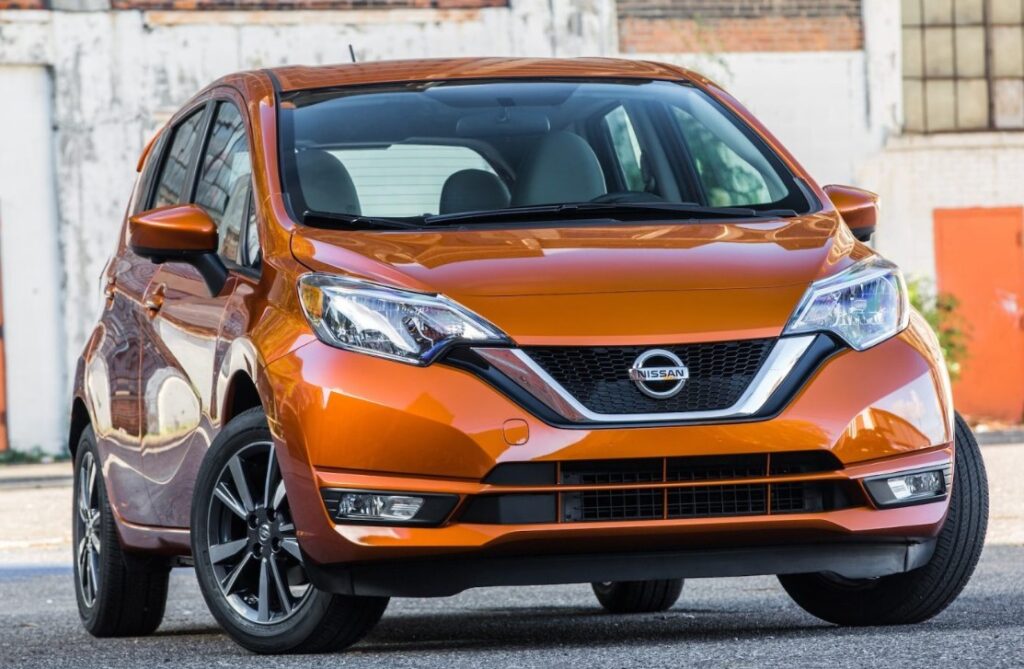
The Nissan Note has always been a clever little car. It combines city-friendly dimensions with a surprisingly spacious cabin, low running costs, and—when we are talking about the Nissan Note e-Power—an unusual electrified driving experience.
Yet it is not the only compact car capable of squeezing family practicality into a small footprint.
Perhaps we want something officially sold in our local market. Maybe we prefer a conventional hybrid with an established dealer network. We might need more luggage room, stronger motorway performance, a lower purchase price, or simply a car that feels less dependent on specialist knowledge and imported parts.
Whatever the reason, several strong Nissan Note alternatives deserve a place on our shortlist.
Some imitate the Note’s formula almost perfectly. Others take a different route, offering better handling, SUV-inspired styling, simpler technology, or a more premium cabin. Choosing between them is rather like selecting shoes for a long journey: the flashiest pair is not necessarily the one we will enjoy living with every day.
In this guide, we compare the best alternatives to the Nissan Note, explain which drivers they suit, and examine the details that really matter before buying.
Content in this publication
- Why Look for an Alternative to the Nissan Note?
- What Makes a Good Nissan Note Alternative?
- Quick Comparison of the Best Nissan Note Alternatives
- 1. Honda Jazz e:HEV: The Best All-Round Alternative
- 2. Toyota Yaris Hybrid: The Efficiency Champion
- 3. Suzuki Swift Hybrid: The Affordable Alternative
- 4. Toyota Yaris Cross: A Higher-Riding Alternative
- 5. Mazda2: The Driver’s Choice
- 6. Toyota Aqua: A Strong Used-Hybrid Option
- 7. Honda Fit Hybrid: The Closest Used Import Rival
- 8. Nissan Leaf: The Fully Electric Alternative
- 9. Mazda CX-3: A More Premium Compact Crossover
- 10. Suzuki Baleno: A Spacious Budget Contender
- 11. Kia Rio: A Conventional and Sensible Choice
- 12. Hyundai i20: A Well-Rounded Small Hatchback
- 13. Renault Clio E-Tech: A Stylish Hybrid Alternative
- 14. Mitsubishi Mirage: The Low-Cost Alternative
- Best Nissan Note Alternative for Different Drivers
- Should We Buy a Used Nissan Note Instead?
- How to Compare Nissan Note Alternatives Properly
- New Car Versus Used Japanese Import
- Final Verdict: Which Nissan Note Alternative Is Best?
- Frequently Asked Questions
Why Look for an Alternative to the Nissan Note?
The Nissan Note remains attractive because it gives us plenty of space without forcing us into a large vehicle. Its upright body, generous headroom, and flexible interior make it more practical than many traditional hatchbacks.
The e-Power version adds another layer of appeal. Its petrol engine primarily generates electricity, while an electric motor drives the wheels. This can create smooth, immediate acceleration similar to an electric vehicle without requiring us to plug the car into a charger.
However, there are sensible reasons to consider something else.
Depending on the country, many Nissan Notes are used Japanese imports rather than officially distributed new vehicles. That can affect infotainment compatibility, warranty coverage, parts availability, insurance, and the ease of finding technicians familiar with the e-Power system.
We may also encounter:
- Japanese-language displays or navigation systems
- Different safety specifications between trim levels
- Limited towing capability
- Modest boot space with the rear seats occupied
- Battery-health uncertainty on older e-Power models
- Less predictable resale values
- Road noise at higher speeds
- Import-specific replacement parts
None of these issues automatically makes the Note a poor purchase. They simply mean it is wise to compare it with locally supported competitors before handing over our money.
What Makes a Good Nissan Note Alternative?
A genuine alternative must offer more than a similar price tag. It should reproduce at least some of the qualities that make the Nissan Note useful.
Compact Exterior Dimensions
The Note works well in crowded towns because it is easy to park, thread through narrow streets, and fit into modest garages. A rival that is dramatically longer or wider may provide extra space, but it loses part of the Note’s charm.
A Spacious and Flexible Cabin
Tall seating, good rear legroom, and folding rear seats matter enormously. The best competitors feel bigger inside than they look outside.
Low Fuel Consumption
Efficiency is particularly important when comparing anything with the Note e-Power. A thirsty petrol hatchback may cost less initially but become more expensive over several years.
Easy Everyday Driving
Smooth automatic operation, light steering, good visibility, and manageable controls make a compact car pleasant rather than merely practical.
Dependable Ownership Support
A strong dealer network, accessible servicing, available parts, and clear warranty coverage can be worth more than an extra gadget or a slightly quicker acceleration time.
Quick Comparison of the Best Nissan Note Alternatives
| Alternative | Powertrain Choice | Greatest Strength | Main Compromise |
|---|---|---|---|
| Honda Jazz e | Full hybrid | Outstanding interior versatility | Can cost more than imported Notes |
| Toyota Yaris Hybrid | Full hybrid | Excellent fuel economy | Smaller rear cabin and boot |
| Suzuki Swift Hybrid | Mild hybrid | Affordable and easy to own | Less spacious inside |
| Toyota Yaris Cross | Full hybrid SUV | Higher driving position | Larger and more expensive |
| Mazda2 | Petrol | Polished driving experience | Tight rear seating |
| Toyota Aqua | Full hybrid | Proven efficiency | Many examples are used imports |
| Honda Fit Hybrid | Full hybrid | Closest match for practicality | Import specifications vary |
| Nissan Leaf | Fully electric | Quiet zero-tailpipe-emission driving | Requires charging |
| Mazda CX-3 | Petrol | Premium-feeling compact crossover | Rear space is limited |
| Suzuki Baleno | Petrol/mild hybrid, market-dependent | Excellent space for the price | Simpler cabin finish |
Specifications and model availability vary by country, year, and trim, so we should compare individual vehicles rather than relying on the badge alone.
1. Honda Jazz e:HEV: The Best All-Round Alternative
The Honda Jazz is arguably the most convincing Nissan Note alternative. In Japan, it is known as the Honda Fit, and its basic philosophy closely mirrors the Note’s: compact on the outside, remarkably useful on the inside.
Honda’s current New Zealand Jazz range includes petrol and e variants, while the Jazz RS and Luxe Sport use the company’s electrified hybrid drivetrain.
Why the Jazz Works So Well
The Jazz’s greatest trick is not hidden under the bonnet. It is inside the cabin.
Honda places the fuel tank beneath the front seats, creating a flexible rear seating system commonly known as Magic Seats. The rear seat bases can fold upward, while the backrests fold down to create a long, relatively flat cargo area.
That means we can carry tall plants, bulky boxes, bicycles, luggage, or awkward household items without moving into a much larger vehicle.
The cabin also feels airy. The expansive windscreen and slim front pillars improve forward visibility, which is valuable in busy urban traffic.
Jazz e Versus Nissan Note e-Power
Both cars attempt to provide an electric-like driving experience without routine plug-in charging, but their systems operate differently.
The Nissan’s e-Power setup generally uses the petrol engine as a generator while the electric motor drives the wheels. The Honda system can switch intelligently between electric drive, hybrid drive, and direct engine drive according to the situation.
In practice, both feel smooth around town. The Jazz may be the safer choice for buyers wanting a locally supported hybrid, while the Note can feel slightly more like a range-extended electric car.
Who Should Choose the Honda Jazz?
Choose the Jazz when we prioritise:
- Flexible rear seating
- Excellent visibility
- Strong cabin practicality
- Official dealer support
- Smooth hybrid performance
- A car suitable for both young families and older drivers
For many buyers, the Jazz is not merely an alternative. It is the benchmark against which the Note should be judged.
2. Toyota Yaris Hybrid: The Efficiency Champion
The Toyota Yaris Hybrid suits drivers who want low fuel consumption, straightforward ownership, and a compact shape.
Toyota New Zealand states that the current Yaris Hatch can achieve fuel consumption as low as 3.0 litres per 100 kilometres under the applicable test cycle. Actual consumption will naturally depend on traffic, temperature, terrain, maintenance, and driving style.
Why Consider the Yaris?
Toyota has spent decades refining hybrid technology. The Yaris benefits from that experience in a package that is easy to drive and economical in stop-start traffic.
It feels particularly natural in town. The hybrid system can use electric assistance at low speeds, recover energy while slowing, and manage the petrol engine without demanding much attention from the driver.
Compared with a Nissan Note, the Yaris often feels lower, more conventional, and slightly more agile. It behaves like a small hatchback rather than a mini-MPV.
Where the Yaris Falls Behind
Space is the main compromise.
Rear passengers may find the Yaris less generous than the upright Nissan Note or Honda Jazz. The boot is useful for routine shopping and weekend luggage, but it is not the car’s defining feature.
The darker rear cabin and smaller door openings may also matter to families installing child seats or regularly transporting adults.
Best For Urban Commuters
The Yaris Hybrid makes the most sense when our priorities are:
- Outstanding fuel efficiency
- Proven hybrid engineering
- Easy parking
- Strong brand recognition
- Predictable resale demand
- Mostly one- or two-person travel
The Nissan Note is the roomier tool. The Yaris is the sharper, more polished city companion.
3. Suzuki Swift Hybrid: The Affordable Alternative
The Suzuki Swift has spent years building a reputation as a light, cheerful, and economical small car. It is one of the easiest alternatives to recommend when budget matters.
Suzuki’s current New Zealand Swift is marketed with self-charging hybrid assistance, compact dimensions, and modern safety equipment.
A Different Kind of Hybrid
We should not assume every car carrying a hybrid badge works like the Nissan Note e-Power.
The Swift typically uses a mild-hybrid arrangement. Its electrical system assists the petrol engine and helps recover energy, but it does not deliver the same extended electric-motor driving experience as a full hybrid or e-Power vehicle.
That distinction matters.
The Swift still offers low running costs, but its driving character remains closer to a lightweight petrol hatchback.
Why the Swift Is Appealing
It feels nimble, simple, and friendly. Steering is light, the body is easy to place on narrow roads, and the car does not surround us with unnecessary bulk.
Its relatively modest weight also helps it feel lively without requiring an enormous engine.
Where It Cannot Match the Note
Rear-seat room and cargo flexibility are not as generous as in the Nissan. Adults can use the back seats, but the Swift is better viewed as a compact hatchback than a miniature family van.
Choose it when we want lower purchase costs and uncomplicated motoring more than maximum interior room.
4. Toyota Yaris Cross: A Higher-Riding Alternative
What happens when we like the efficiency of a small hybrid but want the seating position and styling of an SUV?
The Toyota Yaris Cross provides the answer.
Toyota describes it as a five-seat compact SUV combining hybrid efficiency with a raised driving position and urban-friendly dimensions.
Advantages Over the Nissan Note
The higher seating position can make entry and exit easier. It also gives us a broader view of traffic, something many drivers appreciate after spending time in a conventional hatchback.
The Yaris Cross looks more rugged and may offer a more desirable shape in markets where compact SUVs dominate the used-car market.
Its boot is generally more suitable for family luggage than the load area in many small hatchbacks.
The Price of Moving Up
We pay for those advantages in several ways.
You may be interested in reading Ford Ranger Years to Avoid: A Complete Used-Truck Guide
The Yaris Cross is larger, heavier, and usually more expensive than a used Nissan Note. It may also be less agile in tight parking spaces.
The interior, while practical, is not necessarily as cleverly configurable as a Honda Jazz.
When the Yaris Cross Makes Sense
It is an excellent choice when we need:
- Easier entry and exit
- A higher road view
- Hybrid efficiency
- More SUV-like styling
- Better suitability for weekend travel
- Official new-car warranty support
Think of it as the Nissan Note formula wearing hiking boots.
5. Mazda2: The Driver’s Choice
Not every Nissan Note buyer needs hybrid technology. Some simply want a compact, efficient car with good road manners and an interior that feels thoughtfully designed.
That is where the Mazda2 enters the picture.
Mazda continues to position the Mazda2 as a compact hatchback combining distinctive styling with engaging performance.
Why the Mazda2 Feels Different
The Mazda places greater emphasis on driver involvement. Its steering, seating position, and control layout tend to feel more deliberate than those of taller, utility-focused rivals.
The cabin can also feel more mature. Buttons are logically placed, materials appear carefully selected, and the dashboard avoids looking like a collection of unrelated screens.
Practicality Is Not Its Superpower
The Mazda2’s sleek shape comes at a cost.
Rear legroom is modest, back-seat access is less convenient, and the boot cannot compete with the most space-efficient alternatives. Families with rapidly growing children may outgrow it sooner than expected.
Who Will Enjoy It Most?
The Mazda2 suits:
- Solo commuters
- Couples
- Drivers who enjoy responsive handling
- Buyers who prefer conventional petrol simplicity
- Owners who value design over maximum cargo volume
It is less like a small moving box and more like a tailored jacket: elegant and satisfying, but not designed to hold everything we own.
6. Toyota Aqua: A Strong Used-Hybrid Option
The Toyota Aqua, also known as the Toyota Prius c in some countries, is a natural competitor to a used Nissan Note e-Power.
Both are common Japanese-market imports in places such as New Zealand, and both attract buyers looking for inexpensive hybrid motoring.
Why Buyers Consider the Aqua
Its key strengths include:
- Excellent urban fuel economy
- Widely understood Toyota hybrid technology
- Strong availability in the used market
- Compact dimensions
- Generally simple controls
- Broad familiarity among independent workshops
Toyota’s conventional full-hybrid system differs from e-Power, but both vehicles are at their best in congested city driving.
What Should We Inspect?
An Aqua deserves the same caution as any older imported hybrid.
We should inspect the hybrid battery condition, 12-volt battery, service record, tyres, brakes, underbody, and evidence of accident repairs. Confirm that the immobiliser and security arrangements meet local insurance requirements, as some versions have been targeted by thieves in certain markets.
The cabin is also less versatile than the Nissan Note’s. It sits lower, feels narrower, and offers a more ordinary rear-seat layout.
Aqua Versus Note e-Power
Choose the Aqua for proven hybrid familiarity and widespread servicing knowledge.
Choose the Note e-Power for stronger electric-style acceleration, a taller cabin, and a more modern driving sensation.
7. Honda Fit Hybrid: The Closest Used Import Rival
The Honda Fit Hybrid may be the most direct used-import alternative to the Nissan Note.
It shares the Jazz’s clever interior architecture but is often available in Japanese-market trims, powertrains, and equipment combinations not officially sold locally.
Honda confirms that the Jazz is known as the Fit in Japan, reinforcing the close relationship between the two names.
Why the Fit Is So Practical
The Fit gives us:
- A tall roof
- Excellent rear-seat flexibility
- A low cargo floor
- Good outward visibility
- Compact exterior measurements
- Efficient hybrid performance
It can swallow objects that look far too large for the body. Fold the seats correctly, and the little Honda behaves like a magician pulling furniture from a hat.
Used-Import Considerations
Equipment varies enormously.
One Fit may have advanced driver-assistance features, while another may have a simpler safety package. Infotainment systems may remain in Japanese, and some imported radios do not cover the full local frequency range.
We should verify the exact model code, transmission type, hybrid-system generation, safety specification, and service requirements before buying.
8. Nissan Leaf: The Fully Electric Alternative
Drivers attracted to the Note e-Power because of its electric-motor feel may naturally consider the Nissan Leaf.
The Leaf removes the petrol generator entirely. It is a battery-electric car, so it operates without tailpipe emissions and requires external charging.
Why Move to a Leaf?
Electric driving offers several appealing benefits:
- Quiet acceleration
- Immediate torque
- No petrol stops
- Fewer routine engine-related service items
- Smooth single-speed operation
- Convenient home charging where available
A Leaf may also provide more substantial road presence than a Note.
The Charging Question
The decision depends heavily on our routine.
Home charging can make an EV wonderfully convenient. We arrive, connect the cable, and wake up with usable range. Without reliable home or workplace charging, however, ownership may involve more planning.
Battery condition is critical when buying a used Leaf. Range varies significantly by battery size, age, temperature, degradation, and previous use.
Note e-Power or Nissan Leaf?
The Note e-Power is easier for long, unpredictable journeys because petrol stations are abundant and refuelling is quick.
The Leaf makes more sense when daily distances are predictable and charging is convenient.
The Mazda CX-3 provides another route away from the Nissan Note. It is a compact crossover for drivers who want a slightly elevated driving position and a more upscale presentation.
Mazda New Zealand continues to list the CX-3 within its current range as a five-seat petrol small SUV.
What It Does Better
The CX-3 can feel more substantial on the road. Its interior design, steering response, and exterior styling may appeal to buyers who find the Note too utilitarian.
It is also well suited to people who prefer a conventional petrol powertrain rather than managing the long-term questions associated with an ageing hybrid battery.
What It Does Worse
Despite the SUV styling, the CX-3 is not exceptionally spacious. Rear legroom and boot capacity can disappoint anyone expecting the roominess of a larger crossover.
It is an emotional alternative rather than a direct packaging rival.
We buy the Note with our practical side. We may buy the CX-3 because we glance back at it after parking.
10. Suzuki Baleno: A Spacious Budget Contender
The Suzuki Baleno is often overlooked, but it deserves attention wherever good used examples are available.
It combines a lightweight body with a cabin that is larger than the exterior suggests. Rear legroom is often one of its strongest qualities, making it a sensible family hatchback.
Why the Baleno Competes Well
The Baleno generally offers:
- Generous passenger space
- A practical boot
- Economical petrol engines
- Low weight
- Simple controls
- Competitive used prices
It lacks the technological novelty of e-Power, yet that simplicity may be exactly what some owners want.
The Trade-Off
The interior materials can feel basic, and road-noise suppression may not match more expensive alternatives. Safety equipment also varies by model year and trim.
Nevertheless, when value and space sit at the top of our list, the Baleno can outperform more fashionable choices.
11. Kia Rio: A Conventional and Sensible Choice
The Kia Rio is another traditional hatchback worth considering on the used market.
It does not attempt to imitate an electric vehicle, nor does it hide a particularly clever seating arrangement. Instead, it offers familiar controls, predictable handling, and a straightforward ownership experience.
Why Choose a Rio?
A well-maintained Rio can provide:
- Good equipment for the price
- A user-friendly interior
- Stable motorway behaviour
- Reasonable luggage capacity
- Familiar petrol-engine servicing
- Broad appeal for first-time buyers
It may suit drivers who find imported hybrid technology intimidating or unnecessary.
Check the Exact Specification
Engine, transmission, safety equipment, warranty coverage, and infotainment compatibility differ between generations and markets.
You may be interested in readingFord Ranger Years to Avoid: A Complete Used-Truck GuideYou may be interested in reading
 How Many Types of Chevy Trucks Are There? Complete Guide
A pre-purchase inspection remains essential, particularly with older automatic vehicles or examples lacking a complete service history.
12. Hyundai i20: A Well-Rounded Small Hatchback
The Hyundai i20 competes in much the same territory as the Kia Rio. It is compact, easy to operate, and generally designed around ordinary daily life.
Newer versions can feel surprisingly refined, with modern screens, active safety systems, and efficient engines. Older models are simpler but may represent good value.
Where It Beats the Note
An officially supplied i20 may be easier to insure, service, and understand than a Japanese-import Nissan Note.
Its controls and documentation are more likely to suit the local market, and replacement parts may be easier to source through established channels.
Where the Note Remains Stronger
The Nissan’s upright body provides a greater sense of interior space. The e-Power model also delivers smoother initial acceleration than many conventional small petrol engines.
The i20 is the safer, more familiar choice. The Note is the more unusual and inventive one.
13. Renault Clio E-Tech: A Stylish Hybrid Alternative
In markets where it is available, the Renault Clio E-Tech provides an appealing European alternative.
It blends compact dimensions with full-hybrid technology and a cabin that can feel more sophisticated than the Nissan Note’s.
Reasons to Consider It
The Clio may offer:
- Distinctive exterior styling
- A refined dashboard
- Efficient urban performance
- Strong road manners
- Useful safety technology
- A more premium atmosphere
Potential Ownership Concerns
Dealer coverage and parts availability vary greatly by country. A technically impressive car is less attractive when the nearest qualified workshop is hours away.
Before purchasing, we should compare service costs, warranty terms, parts lead times, and local resale demand.
14. Mitsubishi Mirage: The Low-Cost Alternative
The Mitsubishi Mirage sits at the simpler end of the market. It is small, light, economical, and usually inexpensive to purchase.
It cannot match the Note’s refinement, acceleration, or cabin versatility, but it can satisfy buyers who need basic transport with modest running costs.
Where the Mirage Makes Sense
It is most appealing for:
- Short urban journeys
- New drivers
- Tight parking environments
- Buyers with limited budgets
- Owners prioritising simplicity
Where It Feels Compromised
Motorway refinement, sound insulation, interior quality, and performance may feel modest. We should also compare safety ratings carefully because standards and testing protocols differ across years and markets.
The Mirage is not a better Nissan Note. It is a cheaper answer to a narrower question.
Best Nissan Note Alternative for Different Drivers
There is no universal winner. The right choice depends on how we actually use the vehicle.
Best for Interior Space: Honda Jazz
Its configurable seating system and airy cabin make it the strongest compact option for carrying people and awkward cargo.
Best for Fuel Economy: Toyota Yaris Hybrid
The Yaris is difficult to ignore when urban efficiency and proven hybrid operation dominate the decision.
Best on a Tight Budget: Suzuki Swift Hybrid
It offers modern small-car ownership without the price or complexity of more elaborate electrified models.
Best Used Import: Honda Fit Hybrid
The Fit closely matches the Note’s practical character while adding one of the most versatile rear-seat systems in the class.
Best Compact SUV: Toyota Yaris Cross
It provides hybrid efficiency with easier access, more rugged styling, and a raised seating position.
Best for Driving Enjoyment: Mazda2
The Mazda trades some space for sharper responses and a more intimate driving experience.
Best Fully Electric Option: Nissan Leaf
For drivers with reliable charging and predictable daily mileage, the Leaf provides the electric driving experience that e-Power only partially imitates.
Should We Buy a Used Nissan Note Instead?
After exploring all these alternatives, the Nissan Note may still be the right car.
A well-maintained example can offer outstanding value, especially when it has a documented service history, a healthy battery system, suitable local infotainment, and the safety features we expect.
The Note remains particularly appealing for drivers who want:
- Electric-motor acceleration without external charging
- A tall and spacious compact cabin
- Easy urban manoeuvrability
- Good fuel economy in city traffic
- A competitive used purchase price
The secret is to buy the individual vehicle, not merely the model.
Two Nissan Notes of the same year may have different trim levels, battery condition, accident histories, tyres, safety systems, and previous maintenance. One can be a gem; the other can be a wallet with wheels.
How to Compare Nissan Note Alternatives Properly
A brief test drive and a glance at the advertised fuel figure are not enough. We should evaluate the complete ownership picture.
Calculate the Real Purchase Cost
Include registration, inspection fees, insurance, finance charges, immediate servicing, tyres, and any infotainment conversion required.
Compare Realistic Fuel Use
Published figures are useful for comparison, but our route matters. Hybrids often perform brilliantly in urban congestion, while efficient petrol cars may close the gap on uninterrupted motorway journeys.
Measure the Space We Actually Need
Bring a pushchair, suitcase, mobility aid, or other frequently carried object to the viewing. Boot capacities on paper do not always reveal whether an awkward item will fit through the opening.
Test the Rear Seats
Sit behind our normal driving position. Check knee room, headroom, door access, window visibility, air vents, child-seat anchors, and seat-belt access.
Investigate Servicing Before Buying
Call local workshops and ask whether they service the exact engine, hybrid system, or imported model under consideration.
Never Skip a Pre-Purchase Inspection
A professional inspection can uncover:
- Structural accident repairs
- Fluid leaks
- Worn suspension
- Ageing tyres
- Brake problems
- Diagnostic fault codes
- Battery concerns
- Corrosion or underbody damage
Spending a little before buying can prevent us from spending a great deal afterward.
New Car Versus Used Japanese Import
This is often the central decision when comparing the Nissan Note with locally sold alternatives.
Advantages of a Used Import
A used Japanese import may provide more technology and better efficiency for the purchase price. Features such as 360-degree cameras, digital mirrors, adaptive cruise control, or hybrid power can appear in relatively affordable vehicles.
Advantages of a Locally Supplied Car
A locally supplied car usually offers clearer specifications, compatible infotainment, easier warranty claims, established servicing, and documentation in the local language.
Neither route is automatically superior.
A carefully inspected import from a reputable seller can be an excellent purchase. A poorly maintained locally supplied car can still become a financial headache.
The condition, history, and support network matter more than the flag on the original sales invoice.
Final Verdict: Which Nissan Note Alternative Is Best?
The Honda Jazz e is the strongest overall Nissan Note alternative because it combines hybrid efficiency, brilliant packaging, clear visibility, and exceptional seat flexibility. It captures the Note’s practical spirit while offering a polished and well-supported ownership experience in markets where it is officially sold.
The Toyota Yaris Hybrid is the better choice when fuel economy, hybrid reputation, and compact agility matter more than rear-seat room.
The Suzuki Swift Hybrid is ideal for budget-conscious drivers who want an economical and uncomplicated small car.
The Toyota Yaris Cross suits buyers who have outgrown a conventional hatchback but do not want a large SUV.
Meanwhile, the Honda Fit Hybrid and Toyota Aqua remain compelling used-import rivals, while the Nissan Leaf is worth considering when we are ready to leave petrol behind entirely.
Ultimately, choosing among Nissan Note alternatives is not about finding the car with the longest equipment list. It is about matching the vehicle to our daily rhythm.
Do we carry adults in the rear seats? Do we drive mostly through traffic? Can we charge at home? Is local dealer support essential? Are we buying for the next two years or the next ten?
Answer those questions honestly, and the right car usually steps forward from the crowd.
Frequently Asked Questions
1. What car is most similar to the Nissan Note?
The Honda Jazz, also called the Honda Fit in Japan, is probably the closest alternative. It combines compact exterior dimensions with a tall cabin, flexible rear seats, good fuel efficiency, and strong everyday practicality.
2. Is the Toyota Yaris Hybrid better than the Nissan Note e-Power?
The Yaris Hybrid may be better for buyers wanting proven full-hybrid technology, official dealer support, and excellent fuel economy. The Nissan Note e-Power generally offers more cabin space and a stronger electric-motor driving sensation. The better option depends on whether we value practicality or ownership familiarity more highly.
3. Which Nissan Note alternative has the most interior space?
The Honda Jazz or Fit is one of the most spacious and flexible cars in this size category. Its folding rear-seat arrangement makes it particularly useful for carrying tall or bulky objects. The Toyota Yaris Cross may provide more conventional luggage capacity, but it is also a larger vehicle.
4. What is the cheapest alternative to a Nissan Note?
A used Suzuki Swift, Mitsubishi Mirage, Toyota Aqua, or Honda Fit may be among the least expensive alternatives, depending on local supply and condition. We should compare insurance, servicing, battery health, and immediate repair needs rather than judging affordability solely by the advertised price.
5. Should we choose a hybrid or a regular petrol hatchback?
A hybrid makes sense for frequent urban driving, especially when traffic involves constant slowing and accelerating. A conventional petrol hatchback may be cheaper to purchase and simpler to maintain. Drivers covering long, steady motorway journeys should calculate whether the hybrid’s fuel savings justify its higher purchase price.
You may be interested in readingFord Ranger Years to Avoid: A Complete Used-Truck GuideYou may be interested in reading
How Many Types of Chevy Trucks Are There? Complete GuideYou may be interested in reading
 Nissan Note vs Toyota Aqua: Which Hybrid Hatchback Is Better?
If you want to know other articles similar to Nissan Note Alternatives: The Best Cars to Consider you can visit the category Models.
BYD Shark 6 2025 vs 2026: What Actually Changed?
BMW i7 vs Porsche Taycan: Luxury EVs With Very Different Personalities
BMW i7 vs 7 Series: Which BMW Flagship Makes More Sense?
BMW i7 vs Mercedes EQS: The Ultimate Luxury EV Comparison
BMW i7 vs M760e: Electric Luxury or Plug-In Hybrid Power?
NFINITI QX60 or Similar: Luxury SUVs Worth Comparing
Leave a Reply
More content of your interest