

Hyundai Santa Fe Ride Quality: How Comfortable Is It Really?

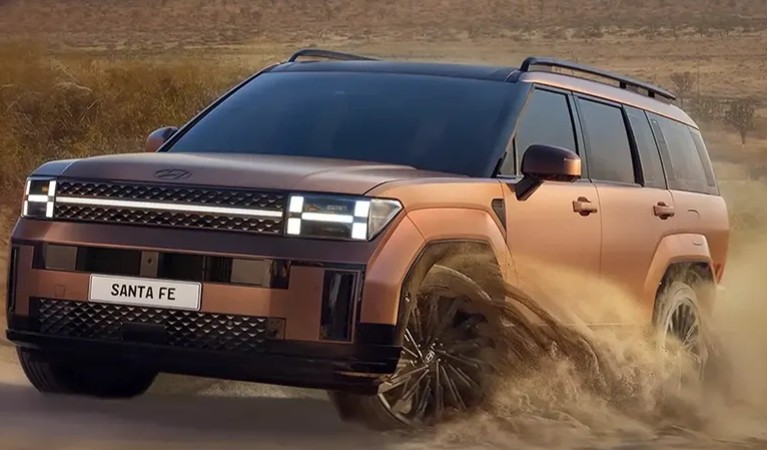
When we talk about Hyundai Santa Fe ride quality, we are really asking a much bigger question than whether the suspension feels soft or firm. We want to know what happens after two hours on the highway. We want to know whether potholes send a thump through the cabin, whether passengers get tossed around on broken pavement, and whether the SUV feels calm when the road starts twisting.
The Santa Fe has traditionally leaned toward comfort rather than outright sportiness, and that suits its family-SUV mission rather well. It is designed to make everyday driving easy, quiet, and reasonably relaxed instead of trying to imitate a sports sedan wearing hiking boots.
That does not mean every Santa Fe rides exactly the same. Wheel size, tires, trim level, drivetrain, road conditions, and even tire pressure can noticeably change how the vehicle feels.
So, is the Hyundai Santa Fe genuinely comfortable? Let's dig into the details.
Content in this publication
- What Does Hyundai Santa Fe Ride Quality Feel Like?
- Hyundai Santa Fe Ride Comfort Around Town
- Hyundai Santa Fe Highway Ride Quality
- How Wheel Size Affects Hyundai Santa Fe Ride Quality
- Hyundai Santa Fe Ride Quality on Rough Roads
- How Comfortable Are the Santa Fe Seats?
- Third-Row Ride Comfort
- Is the Hyundai Santa Fe Too Bouncy?
- Body Roll Through Corners
- Steering and Its Effect on Ride Perception
- Cabin Noise and Perceived Ride Quality
- Santa Fe Ride Quality With Passengers and Cargo
- Does All-Wheel Drive Change the Ride?
- Hyundai Santa Fe Hybrid Ride Quality
- Ride Quality on Long Journeys
- How Does Tire Pressure Affect Santa Fe Comfort?
- Can Better Tires Improve Santa Fe Ride Quality?
- Used Hyundai Santa Fe Ride Quality: What to Check
- How to Test Hyundai Santa Fe Ride Quality Before Buying
- Hyundai Santa Fe Ride Quality Versus Sportier SUVs
- Who Will Appreciate the Santa Fe's Ride Most?
- How to Make a Hyundai Santa Fe Ride Smoother
- Does Hyundai Santa Fe Ride Quality Make It a Good Family SUV?
- Ride Quality vs Handling: Finding the Balance
- Final Verdict: Is Hyundai Santa Fe Ride Quality Good?
- Frequently Asked Questions About Hyundai Santa Fe Ride Quality
What Does Hyundai Santa Fe Ride Quality Feel Like?
In normal driving, the Santa Fe generally feels composed and forgiving. Small cracks, expansion joints, and ordinary road imperfections tend to pass underneath without creating excessive movement inside the cabin.
We would describe the overall character as comfort-oriented but controlled.
That distinction matters.
An overly soft SUV can feel like a boat floating over waves. It may absorb bumps nicely but then continue bouncing afterward. The Santa Fe generally avoids that sensation. The suspension allows enough movement to soften rough pavement while keeping the body reasonably settled.
Around town, this creates an easygoing driving experience. On the highway, it translates into the kind of stability that helps long journeys feel less tiring.
Is the Santa Fe Suspension Soft or Firm?
The suspension sits somewhere between plush and moderately firm.
It is not usually pillow-soft, but neither does it punish occupants for every crack in the asphalt. Instead, Hyundai appears to aim for a compromise that works across city streets, highways, and occasional rough roads.
Imagine walking in comfortable running shoes rather than thick slippers. There is cushioning, but you can still feel what is happening underneath you.
That is roughly the Santa Fe philosophy.
How Road Conditions Change the Experience
Ride quality can change dramatically depending on where we drive.
Smooth highways naturally make almost any modern SUV feel refined. The more interesting test happens when the road becomes patched, cracked, or uneven.
Over mildly damaged pavement, the Santa Fe usually absorbs imperfections without excessive cabin disturbance. Sharper impacts, such as deep potholes or abrupt bridge joints, can still be noticeable—especially when larger wheels and lower-profile tires are fitted.
No suspension can perform magic.
Hyundai Santa Fe Ride Comfort Around Town
Urban roads may actually reveal more about suspension quality than highways do.
Speed bumps, manhole covers, drainage channels, patched asphalt, and potholes constantly test how quickly a suspension can compress and recover.
The Santa Fe generally handles this environment well.
At moderate speeds, the suspension cushions most routine impacts effectively. Instead of crashing heavily through bumps, the SUV tends to round off their edges.
That makes it particularly pleasant for commuting.
Driving Over Speed Bumps
Approached at sensible speeds, speed bumps rarely disturb the cabin dramatically.
The relatively generous suspension travel of an SUV helps here. The Santa Fe rises and settles without excessive bouncing afterward.
Of course, attacking a speed bump like we are qualifying for a rally stage will defeat virtually any suspension.
Slow down, and the Santa Fe behaves exactly as a family vehicle should.
Pothole Performance
Potholes are harder.
A shallow pothole is usually absorbed without much drama. A sharp-edged or deep pothole can send a noticeable impact through the suspension.
Larger-wheel versions may feel more abrupt because the tires have less sidewall available to help absorb the hit.
This illustrates an important point: tires are part of the suspension system, even if we rarely think about them that way.
Hyundai Santa Fe Highway Ride Quality
The highway is arguably where the Santa Fe feels most at home.
At cruising speed, the SUV tends to settle into a relaxed rhythm. Long, gentle road undulations are handled smoothly, and the suspension usually keeps unnecessary body movement under control.
That calmness matters enormously on road trips.
A vehicle can have wonderfully soft seats and still become exhausting if it constantly pitches and bounces. Good ride quality means the vehicle disappears into the background.
The Santa Fe often comes reasonably close to doing exactly that.
High-Speed Stability
Comfort alone is not enough. A vehicle must also feel stable.
The Santa Fe's relatively substantial footprint helps create a planted sensation at motorway speeds. Steering corrections generally feel manageable rather than nervous, while the suspension avoids making the body feel loose.
Crosswinds can naturally affect any SUV because of its height and large side profile, but the Santa Fe generally feels predictable rather than twitchy.
Expansion Joints and Concrete Highways
Concrete highways can become annoying quickly because of repetitive expansion joints.
Instead of one large bump, we experience dozens or hundreds of smaller impacts.
The Santa Fe's suspension normally filters these repetitive movements reasonably well, though tire choice again matters. A vehicle equipped with more sidewall will generally feel calmer than one sitting on oversized wheels.
How Wheel Size Affects Hyundai Santa Fe Ride Quality
Here we reach one of the biggest factors affecting ride comfort.
Large wheels look fantastic.
They fill the wheel arches, sharpen the SUV's appearance, and often come with higher trim levels.
But physics does not care about styling.
Larger wheels generally require lower-profile tires. That means there is less flexible rubber between the wheel and the road.
Consequently, impacts can feel sharper.
Smaller Wheels Usually Improve Comfort
If ride comfort ranks above appearance on our priority list, smaller factory wheel options are often worth considering.
They typically provide:
- More tire sidewall
- Better cushioning over potholes
- Less harshness on broken pavement
- Lower risk of wheel damage
- Potentially quieter operation depending on tire choice
Larger wheels can produce slightly sharper steering response, but the trade-off can be a firmer ride.
Why Tire Sidewalls Matter
A tire does far more than maintain grip.
Its sidewall flexes whenever we hit small imperfections. That flex absorbs energy before the suspension itself even reacts.
Think of the tire as the first mattress layer and the suspension as the second.
Remove some padding from the first layer and the second has more work to do.
Hyundai Santa Fe Ride Quality on Rough Roads
Poorly maintained roads are where SUVs earn—or lose—their reputations.
The Santa Fe is not a hardcore off-roader, but its suspension offers enough travel to cope with gravel, uneven surfaces, and badly patched roads reasonably comfortably.
At sensible speeds, it rarely feels fragile.
The important phrase is at sensible speeds.
Hit washboard surfaces too quickly and vibrations can enter the cabin. Drive aggressively through deep potholes and sharp impacts will still be transmitted through the structure.
Gravel Road Comfort
On maintained gravel roads, the Santa Fe can feel pleasantly secure.
Its higher seating position gives us a good view ahead, while the suspension tends to absorb moderate corrugations without making the vehicle feel nervous.
Reducing speed improves comfort significantly.
On gravel, tire choice can matter just as much as suspension tuning. Touring-oriented tires may prioritize silence and smoothness, while more rugged tires can generate additional vibration and road noise.
How Comfortable Are the Santa Fe Seats?
Suspension does only half the work.
A comfortable SUV also needs seats that support our bodies properly.
The Santa Fe's seating position generally complements its ride-focused character. The relatively upright SUV posture can help reduce fatigue compared with vehicles where we sit extremely low.
Front occupants typically benefit most because they have generous adjustment opportunities.
Long-Distance Seat Comfort
On longer drives, seat shape becomes more important than initial softness.
A seat that feels like an armchair during a five-minute test drive can become uncomfortable after three hours if lumbar support is poor.
What we want is balanced cushioning, supportive backrests, and enough adjustability to avoid pressure points.
The Santa Fe is generally designed around this long-distance family use case rather than sporty, heavily bolstered seating.
Second-Row Comfort
Passengers in the second row are especially sensitive to ride quality.
Why?
Because they cannot anticipate bumps through the steering wheel and controls as the driver can.
Fortunately, the Santa Fe's relatively long body and comfort-focused tuning usually make the second row a relaxing place to spend time.
Passengers may experience slightly more vertical movement than those in front, particularly over large road undulations, but it is rarely excessive under normal conditions.
Third-Row Ride Comfort
Where fitted, the third row changes the equation slightly.
Passengers sitting near the rear axle may feel bumps more clearly because suspension movement at the back of the vehicle can be more noticeable.
This is common across three-row SUVs.
The third row is often best suited to children or shorter journeys anyway, and its perceived comfort will depend on passenger height, available legroom, and road conditions as much as suspension quality.
Is the Hyundai Santa Fe Too Bouncy?
Under ordinary conditions, generally not.
That said, larger SUVs naturally exhibit more body movement than low-slung sedans.
On long rolling dips, we may notice the body rise and settle. On abrupt transitions, there can be some movement before the dampers regain control.
The key question is whether the motion continues.
A well-controlled suspension settles quickly rather than bouncing repeatedly.
That is where the Santa Fe tends to perform competently.
What Could Cause Excessive Bouncing?
If a Santa Fe suddenly feels unusually floaty or bouncy, something may be wrong rather than the behavior being inherent to the model.
Possible causes include:
- Worn shock absorbers
- Damaged suspension components
- Incorrect tire pressures
- Poor-quality replacement suspension parts
- Heavily worn tires
- Excessive vehicle loading
A dramatic change in ride behavior deserves inspection.
Body Roll Through Corners
Comfort-oriented SUVs inevitably lean somewhat when turning.
The Santa Fe is no exception.
Push it through a corner and we can feel the body shift toward the outside wheels. However, under normal driving speeds, the movement tends to remain progressive and predictable rather than sudden.
That predictability is arguably more important than eliminating body roll altogether.
Does the Santa Fe Feel Sporty?
Sporty would not be our first word.
Secure? Yes.
Composed? Usually.
Easy to drive? Definitely.
But drivers chasing a sharp, connected cornering experience may prefer a vehicle tuned more aggressively.
The Santa Fe instead prioritizes passengers, everyday usability, and long-distance comfort.
That seems entirely appropriate.
Steering and Its Effect on Ride Perception
Steering feel surprisingly affects how we judge comfort.
Heavy, nervous steering can make a vehicle feel tiring even when the suspension itself is excellent.
The Santa Fe generally adopts a relatively light steering character for everyday driving. That helps during parking, city maneuvering, and slower-speed turns.
At higher speeds, added resistance helps prevent the vehicle from feeling overly sensitive.
The result contributes to the SUV's relaxed personality.
Cabin Noise and Perceived Ride Quality
Ride quality is not purely physical.
Sound matters.
Hit a bump with a quiet thump and it may feel minor. Hit the same bump while hearing a loud crash from the wheel arch and suddenly the suspension seems terrible.
Our brains connect noise and physical movement.
That means road noise, wind noise, tire noise, and suspension sounds all influence the impression of refinement.
Road Noise
Road noise depends significantly on tires and pavement.
Coarse asphalt can generate much more tire roar than freshly laid surfaces.
Higher-quality touring tires often improve perceived refinement dramatically. Conversely, aggressive tread patterns or worn tires can make the vehicle sound harsher even if nothing about the suspension has changed.
Wind Noise
SUVs have large frontal areas, mirrors, roof rails, and upright body shapes, so eliminating wind noise entirely is difficult.
The Santa Fe's relatively enclosed cabin helps maintain a generally relaxed atmosphere at cruising speed.
As speeds rise, some wind noise is unavoidable, but the overall experience tends to remain suitable for conversation and long-distance travel.
Santa Fe Ride Quality With Passengers and Cargo
Vehicles can actually ride differently when loaded.
A lightly loaded SUV may feel slightly firmer because the suspension is carrying relatively little weight.
Add passengers and luggage, and the springs compress further into their operating range.
Sometimes this produces a smoother sensation.
Fully Loaded Road Trips
With several passengers and luggage onboard, the Santa Fe generally feels planted.
Additional weight can soften small road irregularities, although heavy loading also increases stopping distances and places more demand on tires and suspension components.
We should always respect the manufacturer's maximum payload figures.
Comfort should never come at the expense of safe loading.
Does All-Wheel Drive Change the Ride?
The difference in ride quality between front-wheel-drive and all-wheel-drive variants is normally less dramatic than differences caused by wheels and tires.
All-wheel-drive hardware adds weight and changes the drivetrain layout, but suspension tuning is designed around those differences.
Most drivers are more likely to notice changes in traction and stability than a dramatic difference in comfort.
Hyundai Santa Fe Hybrid Ride Quality
Electrified powertrains can subtly affect refinement because electric assistance changes how the vehicle accelerates at low speeds.
Instead of the engine responding to every small throttle request, an electric motor can contribute smoothly.
That can make urban driving feel calmer.
Hybrid components also add weight, which can influence suspension behavior. Manufacturers compensate by tuning springs and dampers appropriately.
The end result can feel slightly different from a conventional gasoline version without fundamentally changing the Santa Fe's comfort-focused personality.
Ride Quality on Long Journeys
This is arguably the category where the Santa Fe makes the strongest case for itself.
A long-distance vehicle needs more than soft suspension.
It needs:
- Predictable steering
- Comfortable seating
- Controlled body motion
- Reasonable cabin isolation
- Stable highway behavior
- Good visibility
- Low driver workload
Combine those characteristics and we get something important: reduced fatigue.
After four hours behind the wheel, that matters far more than whether the vehicle can take a corner 3 mph faster.
How Does Tire Pressure Affect Santa Fe Comfort?
Tire pressure can transform how an SUV rides.
Overinflated tires reduce sidewall flexibility, making impacts feel sharper.
Underinflated tires may initially feel softer but can negatively affect handling, tire wear, fuel efficiency, and safety.
The solution is not to guess.
We should use the tire-pressure specification listed for the specific vehicle, usually found on the driver's door jamb or in the owner's manual.
Do Not Inflate Tires to the Sidewall Maximum
This is an important distinction.
The pressure printed on the tire itself typically relates to the tire's limits, not necessarily the recommended operating pressure for the vehicle.
Following Hyundai's specified pressure provides the intended balance between comfort, handling, tire life, and fuel economy.
Can Better Tires Improve Santa Fe Ride Quality?
Absolutely.
Changing tires can sometimes produce a larger real-world comfort improvement than many drivers expect.
Touring-oriented tires may offer better impact absorption and reduced road noise compared with performance-focused alternatives.
However, tire selection involves compromise.
A softer, quieter tire may sacrifice some steering sharpness or rugged-road capability.
The right choice depends on how we actually drive.
What to Look for in Comfort-Oriented Tires
When prioritizing ride comfort, we might look for:
- Touring or grand-touring construction
- Strong wet-weather performance
- Good noise ratings
- Appropriate load rating
- Factory-approved sizing
- Positive comfort-oriented reviews
Never choose tires purely because someone online says they are "soft." Safety characteristics matter more.
Used Hyundai Santa Fe Ride Quality: What to Check
A used Santa Fe may ride very differently from a new one.
Suspension components wear gradually, so owners sometimes adapt to deterioration without realizing it.
During a test drive, we should deliberately seek several road surfaces rather than driving only around the dealership block.
Signs the Suspension May Need Attention
Listen and feel for:
- Clunking over bumps
- Repeated bouncing after dips
- Excessive body movement
- Steering wandering
- Uneven tire wear
- Vibrations through the steering wheel
- Metallic knocks
- One corner sitting lower than the others
None of these symptoms automatically proves a major suspension problem, but they deserve further investigation.
How to Test Hyundai Santa Fe Ride Quality Before Buying
A proper test drive should mimic real life.
We should not simply accelerate down one smooth road and return five minutes later.
Try city streets, rough asphalt, highway sections, speed bumps, and tighter corners if possible.
Pay attention to how the vehicle settles after impacts.
Then ask ourselves a simple question: Would this still feel comfortable after three hours?
That question is often more valuable than staring at specification sheets.
Bring Your Regular Passengers
If the Santa Fe will be a family vehicle, bringing family members along during the test drive can be useful.
Drivers and passengers experience suspension movement differently.
Someone in the second row may notice vertical motion we barely detect from the driver's seat.
Hyundai Santa Fe Ride Quality Versus Sportier SUVs
A sport-oriented SUV usually uses firmer suspension tuning to reduce body movement.
That can make cornering feel sharper, but uneven roads become more noticeable.
The Santa Fe tends to choose the other side of that compromise.
It still needs enough body control to feel safe and predictable, but maximum cornering precision is not the central mission.
We could compare it to choosing a comfortable leather shoe over a racing boot.
Both get us where we are going. Only one is the obvious choice for spending eight hours on our feet.
Who Will Appreciate the Santa Fe's Ride Most?
The suspension character makes the Santa Fe particularly attractive for drivers who prioritize daily comfort.
It should suit:
- Families
- Highway commuters
- Road-trip enthusiasts
- Drivers dealing with moderately rough roads
- Buyers moving from smaller vehicles who want greater isolation
- Passengers who prefer relaxed rather than sporty suspension tuning
Drivers looking for razor-sharp steering and minimal body roll may want something more aggressively tuned.
How to Make a Hyundai Santa Fe Ride Smoother
If we already own one and want additional comfort, there are several practical steps worth considering.
First, verify tire pressures.
Second, inspect tire condition.
Third, check whether unusually large aftermarket wheels have been fitted.
Fourth, have worn suspension components inspected.
A sensible comfort-improvement checklist looks like this:
- Set tires to the correct manufacturer-recommended pressure.
- Inspect tires for uneven wear or hardened rubber.
- Consider comfort-focused tires when replacement time arrives.
- Avoid oversized aftermarket wheels if ride quality matters.
- Inspect shocks, bushings, and suspension joints on higher-mileage vehicles.
- Make sure wheels are properly balanced and aligned.
- Remove unnecessary heavy cargo.
Sometimes the simplest changes make the biggest difference.
Does Hyundai Santa Fe Ride Quality Make It a Good Family SUV?
For many buyers, yes.
Family vehicles need to perform hundreds of mundane tasks brilliantly.
School runs.
Grocery trips.
Airport pickups.
Weekend journeys.
Long highway drives.
Those situations reward comfort and predictability far more than aggressive handling.
The Santa Fe's generally relaxed suspension personality fits that role well.
Parents may particularly appreciate a vehicle that does not transform every speed bump into a miniature amusement-park ride for passengers in the back.
Ride Quality vs Handling: Finding the Balance
Every suspension design is a compromise.
Make springs too soft and body control suffers.
Make them too stiff and passengers suffer.
Increase wheel diameter and steering response may improve, but potholes become more noticeable.
Reduce tire pressure and the ride might initially soften, but safety and tire performance can deteriorate.
There is no perfect setting.
The goal is balance.
And that is probably the best way to summarize the Santa Fe. Rather than chasing extremes, it tries to occupy the comfortable middle ground.
Final Verdict: Is Hyundai Santa Fe Ride Quality Good?
The Hyundai Santa Fe ride quality is generally one of the characteristics that suits its family-oriented personality best.
It tends to feel comfortable without becoming excessively floaty, stable without becoming harsh, and controlled enough for everyday cornering without pretending to be a sports SUV.
On smooth highways, it can feel particularly relaxed. Around town, the suspension deals effectively with most routine road imperfections. Rough surfaces and sharp potholes can expose some firmness, especially on versions equipped with larger wheels and low-profile tires.
That last point is worth remembering.
If comfort is our number-one priority, we should not automatically choose the biggest available wheels simply because they look better. Smaller wheels with more tire sidewall can noticeably improve the everyday experience.
Ultimately, ride quality is personal.
One driver may describe a suspension as beautifully controlled while another calls it firm. That is why a proper test drive remains essential.
Still, if we want a practical SUV that places passenger comfort, highway stability, and everyday usability ahead of aggressive handling, the Santa Fe makes a convincing case.
Frequently Asked Questions About Hyundai Santa Fe Ride Quality
1. Is the Hyundai Santa Fe comfortable on long drives?
Yes, the Santa Fe is generally well suited to long-distance driving. Its comfort-oriented suspension, supportive seating position, stable highway behavior, and relatively relaxed driving character can make extended trips less tiring.
2. Why does my Hyundai Santa Fe feel rough over bumps?
A rough ride can result from large wheels, low-profile tires, excessive tire pressure, worn shocks, damaged suspension components, or poor road surfaces. If the vehicle recently became noticeably harsher, an inspection may be worthwhile.
3. Do larger wheels make the Santa Fe ride worse?
They can. Larger wheels normally use tires with shorter sidewalls, leaving less flexible rubber to absorb impacts. As a result, potholes and sharp road imperfections may feel more noticeable.
4. Is the Hyundai Santa Fe suspension too soft?
For most everyday driving, no. The suspension generally favors comfort but maintains enough control to prevent excessive bouncing. Drivers accustomed to sportier SUVs may notice more body movement through corners.
5. Can changing tires improve Hyundai Santa Fe ride quality?
Yes. Tire construction, size, sidewall height, tread design, and inflation pressure can all influence comfort. A quality touring tire in the correct factory-approved size may reduce road noise and soften smaller impacts.
If you want to know other articles similar to Hyundai Santa Fe Ride Quality: How Comfortable Is It Really? you can visit the category Driving.
Kia Sorento Fuel Economy: MPG, Hybrid, and Plug-In Hybrid Explained
BYD Shark 6 Fuel Consumption: Real-World Economy, Range and What to Expect
Vauxhall Agila MPG: Real-World Fuel Economy and Engine Guide

Honda Passport MPG: Real-World Fuel Economy, Ratings, and What to Expect

Nissan Rogue Fuel Economy: MPG, Range, Costs, and Real-World Efficiency
BYD Shark 6 Long Range Fuel Tank: Is the 120L Upgrade Worth It?
Leave a Reply
More content of your interest