

Ram 1500 Years to Avoid: Which Models Should We Be Careful With?

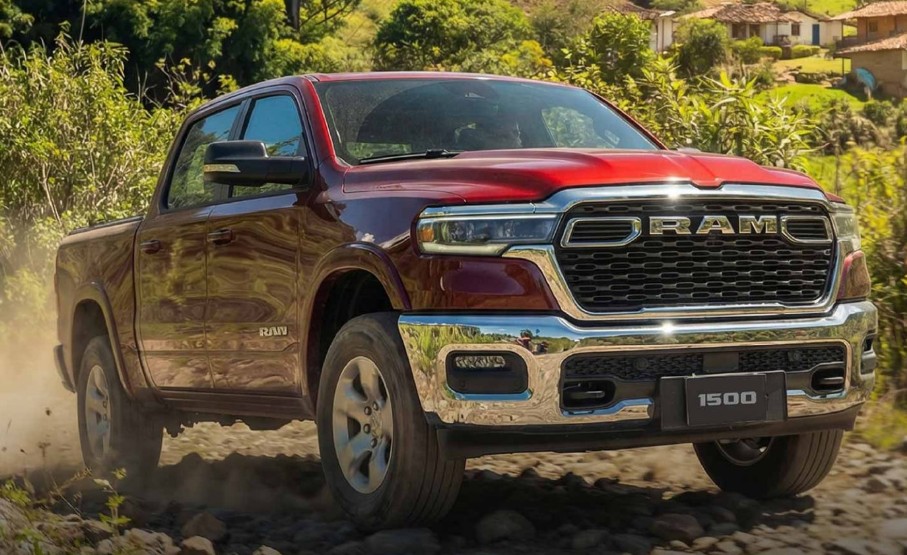
The Ram 1500 has built a strong reputation among pickup buyers because it manages to combine work-truck muscle with an unusually comfortable ride. Whether we're towing a trailer, hauling equipment, commuting every day, or simply looking for a capable used pickup, the Ram 1500 can be an attractive option.
But here's the catch: not every Ram 1500 model year has aged equally well.
Some years have accumulated more complaints involving engines, electrical systems, transmissions, steering, suspension, and other components. That doesn't automatically make every truck from those years a bad purchase. Still, knowing the Ram 1500 years to avoid gives us a valuable head start when shopping used.
If we want the short version, 2013, 2014, 2015, 2016, and 2019 deserve extra scrutiny, with 2014 often standing out as one of the more troublesome model years.
Let's dig deeper and figure out what actually went wrong, which engines deserve attention, and—most importantly—how we can avoid buying someone else's expensive problem.
Content in this publication
- What Are the Main Ram 1500 Years to Avoid?
- Why Some Ram 1500 Years Are More Problematic
- 2013 Ram 1500: A Year Worth Inspecting Carefully
- 2014 Ram 1500: One of the Most Important Years to Watch
- 2015 Ram 1500: Another Year That Deserves Attention
- 2016 Ram 1500: Transmission Behavior Deserves a Closer Look
- 2019 Ram 1500: First-Year Redesign Concerns
- Are the 2017 and 2018 Ram 1500 Better?
- What About Older Dodge Ram 1500 Years?
- Ram 1500 Hemi Years to Avoid
- What About the 3.6L Pentastar V6?
- Should We Avoid Ram 1500 EcoDiesel Models?
- Ram 1500 Air Suspension Problems
- Ram 1500 Electrical Problems to Check
- Should We Avoid High-Mileage Ram 1500 Trucks?
- What Maintenance Records Should We Look For?
- How to Buy a Ram 1500 From a “Bad” Year
- Why a Pre-Purchase Inspection Is Worth the Money
- Be Careful With Heavily Modified Ram 1500 Trucks
- Which Ram 1500 Years Are Better to Buy?
- Is a Used Ram 1500 Reliable Overall?
- Ram 1500 Years to Avoid: Final Verdict
- Frequently Asked Questions About Ram 1500 Years to Avoid
What Are the Main Ram 1500 Years to Avoid?
When shopping for a used Ram 1500, these are the years we'd approach more cautiously:
- 2013 Ram 1500 – electrical and electronic problems deserve attention.
- 2014 Ram 1500 – frequently associated with engine, steering, and electrical complaints.
- 2015 Ram 1500 – engine-related complaints and various reliability concerns.
- 2016 Ram 1500 – transmission behavior and powertrain issues are worth checking.
- 2019 Ram 1500 – the first year of the fifth-generation redesign brought some early-production concerns.
Notice that we're saying approach cautiously, not “never buy.”
There's an important difference.
A meticulously maintained 2014 Ram 1500 with complete service records could be a considerably better purchase than a neglected 2018 with questionable modifications and virtually no maintenance history.
Model year gives us a clue. The individual truck tells us the real story.
Why Some Ram 1500 Years Are More Problematic
Automakers continually update their vehicles. Engines change, transmissions receive new programming, electronics become more complicated, and suppliers sometimes change components.
Major redesigns introduce even more variables.
That's why certain model years can develop clusters of complaints while the years immediately before or after them perform better.
We should also remember that the Ram 1500 is enormously popular. More trucks on the road naturally mean more owner complaints.
So complaint volume alone shouldn't determine our buying decision.
What matters more is identifying repeated patterns involving expensive or safety-critical components.
A broken window switch is irritating.
An engine requiring major internal repairs is something else entirely.
2013 Ram 1500: A Year Worth Inspecting Carefully
The 2013 Ram 1500 received significant updates, bringing new technology and powertrain options to the lineup.
Unfortunately, major updates can sometimes bring growing pains.
One area we'd investigate carefully on a 2013 truck is its electrical system.
Common Concerns With the 2013 Ram 1500
Potential trouble areas reported by owners include:
- Electrical glitches
- Warning lights
- Starting problems
- Instrument-cluster issues
- Battery drain
- Electronic accessories behaving unpredictably
- Computer-module problems
Electrical issues can be particularly frustrating because they don't always fail consistently.
The truck might work perfectly during our test drive and behave completely differently the following morning.
Should We Avoid Every 2013 Ram 1500?
No.
Age has actually given us an advantage here.
A 2013 truck has now been on the road long enough for previous owners to discover and potentially repair many of its weaknesses.
That's why documentation matters.
If the seller can show us years of maintenance receipts, completed repairs, and consistent servicing, that's much more reassuring than somebody simply saying:
“Never had a problem with it.”
Receipts speak louder than promises.
2014 Ram 1500: One of the Most Important Years to Watch
If there's one model year we'd investigate particularly carefully, it's the 2014 Ram 1500.
This year has developed a less-than-perfect reputation because of complaints involving several major vehicle systems.
Potential concerns can include:
- Engine problems
- Power-steering problems
- Electrical faults
- Warning lights
- Drivetrain concerns
- Various electronic glitches
Does this mean a 2014 Ram 1500 is guaranteed to fail?
Not at all.
But if we're comparing two similarly priced trucks—one from a model year with fewer known concerns and another from 2014—the latter needs to give us a compelling reason to choose it.
2014 Ram 1500 Engine Problems
Engine condition should be near the top of our inspection checklist.
With Hemi-powered trucks in particular, buyers should listen carefully for unusual ticking, rattling, misfires, or rough operation.
Some noises may come from relatively manageable exhaust-system issues.
Others can point toward more expensive internal engine problems.
That's where things become tricky.
To an inexperienced ear, several completely different problems can sound surprisingly similar.
Always Request a Cold Start
One of our best tricks when inspecting a used Ram is wonderfully simple:
Ask the seller not to start the truck before we arrive.
A cold engine can expose symptoms that become quieter once everything warms up.
Listen for:
- Loud ticking
- Rattling
- Rough idle
- Delayed starting
- Abnormal exhaust sounds
- Excessive smoke
- Persistent knocking
If we specifically request a cold start and arrive to find the engine already hot, that's worth questioning.
Check Oil-Change History
Consistent oil changes become increasingly important as mileage climbs.
Ideally, we want documentation rather than estimates.
Statements such as “I changed it whenever the dashboard told me” aren't nearly as reassuring as dated invoices showing regular service.
Maintenance history is like a truck's medical record. The more complete it is, the easier it becomes to understand what we're buying.
2015 Ram 1500: Another Year That Deserves Attention
The 2015 Ram 1500 is another model we'd inspect thoroughly before buying.
Engine complaints are among the areas that have attracted attention, although actual reliability can vary dramatically depending on engine, mileage, maintenance, and how the truck was used.
What Should We Inspect on a 2015 Ram 1500?
We'd pay close attention to:
- Engine noise
- Oil leaks
- Coolant leaks
- Misfires
- Exhaust-manifold noise
- Transmission operation
- Electrical accessories
- Steering
- Suspension
- Four-wheel-drive operation
- Diagnostic trouble codes
Don't assume that the absence of a check-engine light means everything is perfect.
A diagnostic scan can reveal stored or pending fault codes even when no warning light is currently illuminated.
Recall History Matters
Another important step is checking the exact VIN for outstanding recalls.
Different Ram 1500 configurations have been included in various safety campaigns over the years, and recalls don't necessarily affect every truck from the same model year.
That's why searching by VIN is much more useful than simply searching:
“Does the 2015 Ram 1500 have recalls?”
We want information about the exact truck we're considering.
2016 Ram 1500: Transmission Behavior Deserves a Closer Look
The 2016 Ram 1500 isn't necessarily a year we'd automatically reject, but we'd still put it through a thorough test drive.
Transmission behavior is one area worth evaluating carefully.
Ram 1500 Transmission Problems
Some owners have reported unusual or harsh shifting behavior.
But we need to distinguish between normal transmission characteristics and genuine mechanical trouble.
Modern eight-speed automatic transmissions behave differently from the older four- and five-speed units many truck owners grew up driving.
What should concern us?
Look for:
- Severe hesitation
- Hard engagement into Drive
- Hard engagement into Reverse
- Repeated harsh shifts
- Transmission slipping
- Shuddering
- Warning messages
- Fluid leaks
- Grinding or whining
- Delayed gear engagement
One awkward shift isn't necessarily catastrophic.
Repeated abnormal behavior is a different story.
Don't Take a Five-Minute Test Drive
A quick trip around the dealership isn't enough.
We want the truck fully warmed up.
Our test drive should include:
- Cold operation
- Stop-and-go traffic
- Moderate acceleration
- Highway driving
- Downshifts
- Low-speed maneuvering
- Reverse engagement
- Parking maneuvers
Some transmission problems only become noticeable after the drivetrain reaches normal operating temperature.
Give the truck enough time to show us its personality.
2019 Ram 1500: First-Year Redesign Concerns
The 2019 Ram 1500 represented a major transformation.
Ram introduced the fifth-generation truck with updated styling, a significantly more sophisticated interior, new technology, chassis improvements, and a long list of available comfort and convenience features.
It was an impressive leap forward.
You may be interested in reading Toyota Sequoia Years to Buy: Best Model Years for Reliability and Value
It was also the first year of a major redesign.
Why First-Year Redesigns Can Be Riskier
Think about how many components can change during a complete redesign:
- Electronics
- Sensors
- Wiring
- Infotainment
- Suspension
- Body components
- Interior electronics
- Software
- Driver-assistance systems
- Powertrain calibration
Even when manufacturers conduct extensive testing, real-world ownership exposes vehicles to millions of conditions engineers cannot perfectly reproduce.
That's why first-year redesigns sometimes experience problems that manufacturers gradually address during subsequent production years.
2019 Ram 1500 vs Ram 1500 Classic
There's another detail shoppers need to understand.
Ram continued selling the previous-generation pickup as the Ram 1500 Classic alongside the redesigned fifth-generation truck.
That means two trucks carrying similar names could actually belong to different generations.
Whenever we're researching parts, reliability, recalls, or common problems, make sure we're looking at information for the correct version.
Are the 2017 and 2018 Ram 1500 Better?
Later fourth-generation models such as the 2017 and 2018 Ram 1500 can be interesting used-truck options.
Why?
Because the platform had already been in production for several years.
Manufacturers typically make running changes throughout a vehicle generation. Software gets revised. Components change. Suppliers improve parts. Assembly processes mature.
That doesn't make later trucks immune to problems.
But generally speaking, buying toward the end of an established generation can be a sensible strategy.
Why Late-Generation Vehicles Can Be a Sweet Spot
By the later years of a vehicle generation, manufacturers have had time to address problems involving:
- Software
- Electronics
- Component durability
- Manufacturing
- Suppliers
- Calibration
- Service procedures
It's a bit like buying the final version of a smartphone rather than the first release of completely new hardware.
The technology isn't necessarily revolutionary anymore—but some of the wrinkles have been ironed out.
What About Older Dodge Ram 1500 Years?
Before Ram became a standalone brand, these trucks were sold as Dodge Ram models.
Older Dodge Ram 1500 trucks can still be affordable choices, but age introduces another layer of potential problems.
Rust, deteriorated rubber components, worn suspension, old electronics, cooling-system problems, and years of deferred maintenance can matter more than the original model-year reputation.
Older Trucks Need a Different Buying Strategy
Once a pickup reaches 15 or 20 years old, we're no longer evaluating only factory reliability.
We're evaluating its entire life.
Who owned it?
Was it used commercially?
Did it tow frequently?
Was it driven in areas where road salt is common?
Was it modified?
Were repairs performed correctly?
A twenty-year-old truck has had thousands of opportunities to be maintained well—or abused.
Ram 1500 Hemi Years to Avoid
Many shoppers specifically want a 5.7-liter Hemi V8 Ram 1500.
We understand why.
The Hemi delivers the power, sound, and traditional V8 character that suit a full-size pickup beautifully.
But it also has several areas we'd inspect carefully on used examples.
Understanding the Hemi Tick
Search for used Ram problems online and you'll quickly encounter the phrase:
Hemi tick.
The problem is that people sometimes use this phrase to describe almost any ticking noise coming from a Hemi engine.
Possible sources can include:
- Fuel injectors
- Exhaust leaks
- Exhaust-manifold hardware
- Valvetrain components
- Internal engine wear
Not all ticks are equal.
That's why identifying where the sound originates matters far more than simply hearing noise.
Lifter and Camshaft Problems
Lifter and camshaft wear are among the more expensive Hemi concerns discussed by owners and technicians.
Possible warning signs can include:
- Persistent ticking
- Misfires
- Rough idle
- Check-engine lights
- Loss of power
- Metal contamination in oil
If a high-mileage Hemi exhibits unexplained misfires alongside valvetrain noise, we wouldn't gamble.
Have a qualified technician diagnose it.
An inspection costs a fraction of an engine repair.
Don't Diagnose a Hemi From YouTube
Videos are useful for understanding what different problems might sound like, but they aren't a replacement for professional diagnosis.
Smartphone microphones distort sounds.
Engines echo differently depending on where they're parked.
Two unrelated mechanical problems can sound almost identical.
If we're spending thousands on a used truck, professional diagnosis is money well spent.
What About the 3.6L Pentastar V6?
Not everybody needs a Hemi.
The 3.6-liter Pentastar V6 can make plenty of sense for drivers who primarily commute, haul moderate loads, and don't need maximum towing capability.
It's generally worth checking for:
- Oil leaks
- Cooling-system issues
- Misfires
- Abnormal engine noise
- Maintenance history
- Stored diagnostic codes
The V6 might also deliver somewhat lower operating costs depending on how we use the truck.
But don't automatically assume a V6 has lived an easier life.
A contractor can work a V6-equipped pickup brutally hard.
Usage matters.
Should We Avoid Ram 1500 EcoDiesel Models?
The EcoDiesel creates a more complicated discussion.
Diesel torque and highway efficiency can be attractive, especially for drivers covering long distances.
However, modern diesel engines rely on sophisticated emissions equipment and fuel-system components that can become expensive when problems develop.
EcoDiesel Maintenance History Is Critical
If we're considering an EcoDiesel, we'd want detailed answers to several questions.
How was it driven?
Was it regularly used for longer highway trips?
Has the emissions system required repairs?
Have warning lights appeared?
Has the truck been modified?
Were all recalls and manufacturer campaigns completed?
Do maintenance records exist?
A diesel with complete documentation can be much more appealing than one whose history consists of:
“The previous owner said everything was done.”
Ram 1500 Air Suspension Problems
Available air suspension is one of the features that helps certain Ram 1500 trims feel unusually luxurious.
It can adjust ride height and make loading or highway driving more convenient.
But there's a simple rule in used vehicles:
More complexity means more things capable of breaking.
How to Test Ram Air Suspension
Cycle through every available suspension-height setting.
Watch for:
- Slow height changes
- Suspension warnings
- Excessive compressor operation
- Uneven ride height
- One corner sitting lower
- Failure to reach selected height
If possible, inspect the truck again after it has been parked overnight.
A truck sagging dramatically on one corner may indicate a leak.
Do We Really Need Air Suspension?
If we're buying a newer luxury-oriented Ram, perhaps.
If we're buying an older truck primarily because we want inexpensive, dependable transportation, conventional suspension might make more sense.
You may be interested in readingToyota Sequoia Years to Buy: Best Model Years for Reliability and ValueYou may be interested in reading
Toyota Sequoia Different Models: Which Sequoia Is Right for You?Sometimes simplicity ages beautifully.
Ram 1500 Electrical Problems to Check
Modern Ram trucks can contain an impressive amount of technology.
Depending on trim and equipment, we might find:
- Large infotainment screens
- Heated seats
- Ventilated seats
- Heated steering wheel
- Parking sensors
- Backup cameras
- Surround-view cameras
- Remote start
- Power outlets
- Driver-assistance technology
- Power running boards
- Digital displays
That's fantastic when everything works.
When shopping used, however, every electronic feature becomes another item on our inspection checklist.
We're serious.
Sit inside the truck and test everything.
Don't assume something works simply because the seller says it does.
Check:
- Windows
- Locks
- Mirrors
- Infotainment
- Bluetooth
- Speakers
- Cameras
- Parking sensors
- Climate control
- Heated seats
- Ventilated seats
- Steering-wheel controls
- USB ports
- Power outlets
- Remote start
One broken accessory might be minor.
Multiple unrelated electrical problems can suggest something deeper.
Should We Avoid High-Mileage Ram 1500 Trucks?
Not automatically.
Mileage is only part of the equation.
Consider two trucks.
Truck A has 150,000 miles, mostly highway driving, one owner, and complete maintenance documentation.
Truck B has 75,000 miles, four owners, oversized tires, a questionable lift kit, no maintenance records, and evidence that it regularly pulled a heavy trailer.
Which one makes us more nervous?
Probably Truck B.
High Mileage Isn't the Same as Abuse
Highway mileage can actually be relatively gentle.
Engines spend long periods at stable operating temperatures and consistent RPM.
Short trips can be harder because engines repeatedly experience cold starts without always reaching full operating temperature.
That's why mileage should always be interpreted alongside usage and maintenance.
What Maintenance Records Should We Look For?
The older the truck, the more valuable maintenance documentation becomes.
Ideally, we'd like evidence involving:
- Regular oil changes
- Spark-plug replacement
- Cooling-system service
- Transmission maintenance where appropriate
- Differential service
- Transfer-case service
- Brake replacement
- Battery replacement
- Suspension repairs
- Tire replacement
- Belt and tensioner service
- Water-pump repairs
A thick folder full of receipts might not look exciting.
But when we're buying a used truck, it's almost as attractive as a freshly detailed interior.
How to Buy a Ram 1500 From a “Bad” Year
Suppose we find a gorgeous 2014 Ram 1500.
The price is right.
The mileage is reasonable.
The truck looks immaculate.
Should we walk away because we read an article saying 2014 is a year to avoid?
Not necessarily.
Instead, we raise our inspection standards.
Used Ram 1500 Pre-Purchase Checklist
Before buying, we'd:
- Verify the VIN.
- Check for outstanding recalls.
- Obtain a vehicle-history report.
- Review maintenance records.
- Request a cold start.
- Scan the truck for diagnostic codes.
- Inspect underneath for leaks.
- Check for structural rust.
- Test every electronic accessory.
- Test the transmission thoroughly.
- Check four-wheel drive if equipped.
- Inspect tires for uneven wear.
- Check steering and suspension.
- Look for signs of towing abuse.
- Arrange an independent pre-purchase inspection.
That final step deserves emphasis.
Why a Pre-Purchase Inspection Is Worth the Money
Used trucks can hide expensive problems remarkably well.
Fresh undercoating can disguise corrosion.
Recently cleared diagnostic codes can temporarily remove warning lights.
A warm engine can conceal cold-start noise.
Freshly cleaned components can make old leaks harder to identify.
New tires can distract us from suspension problems.
An experienced mechanic knows where to look.
Spending a relatively small amount before purchasing can potentially save thousands afterward.
Be Careful With Heavily Modified Ram 1500 Trucks
A lifted Ram on aggressive tires can look fantastic.
But modifications should make us more curious, not less.
Poorly installed aftermarket equipment can affect:
- Steering geometry
- Wheel bearings
- Suspension
- Driveshaft angles
- CV joints
- Tires
- Electrical systems
- Transmission behavior
- Towing stability
Ask who performed the work.
Professional documentation is reassuring.
“Me and my cousin installed it one Saturday” requires a little more investigation.
Stock Trucks Can Be Easier to Evaluate
A factory-stock Ram isn't automatically reliable.
But stock vehicles generally give us fewer unknown variables.
We know what the manufacturer originally intended the suspension, drivetrain, and electronics to do.
That makes diagnosing problems easier.
Which Ram 1500 Years Are Better to Buy?
Rather than searching for one magical model year, we'd focus on later-production trucks within established generations.
Later fourth-generation models can be appealing because Ram had years to refine that platform.
Likewise, fifth-generation trucks produced after the initial redesign period may benefit from software, manufacturing, and component revisions.
Still, model year should never override condition.
The “best” Ram 1500 year with terrible maintenance is still a terrible used truck.
Is a Used Ram 1500 Reliable Overall?
Yes, a Ram 1500 can be a dependable used pickup.
Plenty of owners accumulate substantial mileage without experiencing catastrophic problems.
But reliability varies based on:
- Model year
- Engine
- Transmission
- Equipment
- Maintenance
- Driving conditions
- Towing history
- Modifications
- Previous repairs
There's no shortcut around evaluating the actual truck.
A reputation can guide us toward or away from certain years, but the vehicle sitting in front of us deserves the final vote.
Ram 1500 Years to Avoid: Final Verdict
So, which Ram 1500 years should we avoid?
If we're trying to reduce risk, 2013, 2014, 2015, 2016, and 2019 deserve additional scrutiny, with 2014 standing out as one of the years we'd investigate most carefully.
But here's the most important lesson.
Don't reject a truck purely because of its model year, and don't buy another simply because the internet calls it reliable.
Instead, remember this order:
Condition first.
Maintenance history second.
Model year third.
That's the formula we'd use.
A well-maintained Ram from a problematic year can still provide years of dependable service, while a neglected example from a supposedly excellent year can drain our wallet faster than a Hemi drains a fuel tank when we're enjoying the throttle a little too much.
Do the research, inspect the truck cold, check its history, scan its computers, test everything, and get a professional inspection.
The goal isn't simply to find the cheapest Ram 1500.
It's to find the Ram 1500 that stays cheap after we buy it.
Frequently Asked Questions About Ram 1500 Years to Avoid
1. What is the worst year for the Ram 1500?
The 2014 Ram 1500 is one of the model years we'd approach most cautiously because it has attracted complaints involving major areas such as the engine, steering, and electrical system. However, individual condition still matters enormously. A properly maintained 2014 with documented repairs may be a better purchase than a neglected truck from a stronger model year.
2. What Ram 1500 years should we avoid buying used?
We'd give 2013, 2014, 2015, 2016, and 2019 models particularly thorough inspections. These years are associated with various engine, electrical, transmission, steering, or early-production concerns. They aren't automatic deal-breakers, but we wouldn't buy one without reviewing its maintenance and repair history.
3. Is the 5.7 Hemi reliable?
The 5.7-liter Hemi can provide long service life when properly maintained. Buyers should nevertheless listen for persistent ticking, investigate misfires, inspect for leaks, and review oil-change history. Valvetrain or camshaft-related repairs can become expensive, so suspicious engine noise deserves professional diagnosis.
You may be interested in readingToyota Sequoia Years to Buy: Best Model Years for Reliability and ValueYou may be interested in reading
Toyota Sequoia Different Models: Which Sequoia Is Right for You?You may be interested in reading
Toyota Sequoia Equivalent: What SUVs Are the Closest Match?4. Is a Ram 1500 with 150,000 miles worth buying?
Potentially, yes. Mileage doesn't tell the entire story. A 150,000-mile highway-driven truck with excellent maintenance records could be a safer purchase than a 70,000-mile truck that spent its life towing heavily and receiving inconsistent maintenance. At higher mileage, a professional inspection becomes even more important.
5. How do we find the most reliable used Ram 1500?
Focus on trucks with complete maintenance records, clean diagnostic scans, reasonable ownership histories, minimal questionable modifications, and no obvious engine, transmission, suspension, steering, or electrical problems. Always check the VIN for recalls and have an independent mechanic perform a pre-purchase inspection before completing the purchase.
If you want to know other articles similar to Ram 1500 Years to Avoid: Which Models Should We Be Careful With? you can visit the category Models.
Kia Sorento Models: Complete Guide to Trims, Engines and Versions
BYD Shark 6 vs Ranger vs HiLux: Which Ute Makes the Most Sense in 2026?
BYD Shark 6 vs MG U9: Which Ute Makes More Sense in 2026?
BYD Shark 6 vs Ford Ranger Raptor: Which Performance Ute Is Better in 2026?
BYD Shark 6 vs Kia Tasman: Which Ute Is Better?
BYD Shark 6 vs 7: What We Know So Far
Leave a Reply
More content of your interest