

Subaru XV vs Mazda CX-30: Which Compact SUV Should We Choose?

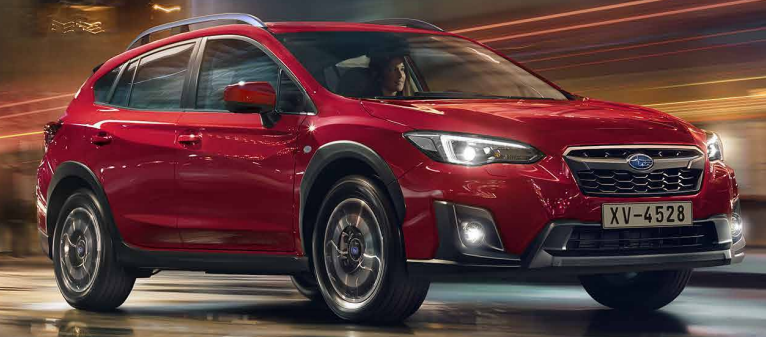
Choosing between the Subaru XV and Mazda CX-30 is a bit like deciding between hiking boots and a polished pair of everyday sneakers. Both can take us through the week comfortably, both look good parked outside the house, and both are compact enough to live with in a crowded city. Yet their personalities are surprisingly different.
The Subaru XV has traditionally leaned toward adventure. It sits higher, gives us standard or widely available all-wheel-drive capability depending on generation and market, and carries the slightly rugged attitude Subaru has built its reputation around. The Mazda CX-30 takes another route. It feels more road-focused, more sophisticated inside, and more interested in making the everyday commute feel like something belonging to a more expensive vehicle.
So, in the Subaru XV vs Mazda CX-30 battle, which one deserves our money?
There isn't a universal winner. Drivers who spend weekends chasing dirt roads may naturally gravitate toward the Subaru, while commuters wanting refinement, style, and sharper road manners may find the Mazda difficult to resist.
Let's break them down properly.
Content in this publication
- Subaru XV vs Mazda CX-30 at a Glance
- Exterior Design: Ruggedness Meets Sophistication
- Dimensions and Road Presence
- Interior Quality: Mazda Lands the First Big Punch
- Passenger Space and Everyday Comfort
- Boot Space and Practicality
- Subaru XV vs Mazda CX-30 Performance
- Handling and Steering
- Ride Comfort: Where the Subaru Fights Back
- AWD and Bad-Weather Confidence
- Off-Road Ability: Is the Difference Really Significant?
- Fuel Economy and Running Costs
- Reliability: Subaru XV vs Mazda CX-30
- Technology and Infotainment
- Safety
- Subaru XV vs Mazda CX-30 for Families
- Subaru XV vs Mazda CX-30 for City Driving
- Subaru XV vs Mazda CX-30 for Adventure
- Refinement and Highway Driving
- Which One Feels More Expensive?
- Subaru XV Advantages
- Mazda CX-30 Advantages
- What Are the Main Weaknesses?
- Which One Should We Buy Used?
- Who Should Buy the Subaru XV?
- Who Should Buy the Mazda CX-30?
- Subaru XV vs Mazda CX-30: Final Verdict
- Frequently Asked Questions
Subaru XV vs Mazda CX-30 at a Glance
Before digging into the details, we should understand what separates these two SUVs philosophically.
The XV—known as the Crosstrek in newer generations and in various markets—essentially blends hatchback dimensions with SUV ground clearance and Subaru's adventure-oriented engineering. Subaru Australia, for example, describes the current Crosstrek as the continuation of the XV legacy.
The CX-30 sits between conventional hatchbacks and larger compact SUVs. Mazda has concentrated heavily on interior quality, responsive handling, elegant styling, and a driving position that feels more car-like than truck-like.
| Category | Subaru XV | Mazda CX-30 |
|---|---|---|
| Overall personality | Rugged and practical | Refined and sporty |
| Best environment | Mixed roads and adventure | City and highway |
| AWD emphasis | Major strength | Available on selected versions |
| Ground clearance | Generally higher | Lower, more road-oriented |
| Interior character | Functional and spacious-feeling | Premium and minimalist |
| Driving style | Relaxed and secure | Responsive and polished |
| Visibility | Excellent | Good, but styling limits some angles |
| Best for | Outdoor lifestyles | Urban and suburban drivers |
Already, we can see that these vehicles may share a showroom category, but they aren't chasing exactly the same buyer.
Exterior Design: Ruggedness Meets Sophistication
Design is subjective, of course. Still, park these cars beside one another and their intentions become obvious.
Subaru XV Design
The XV wears its outdoor clothing proudly.
Chunky wheel-arch cladding, raised suspension, generous ground clearance, roof rails on many versions, and relatively upright proportions give it an adventurous stance. It doesn't look like it's trying to impress the valet outside an expensive hotel. It looks like it wants us to throw muddy hiking boots in the back and disappear for the weekend.
That honesty is part of the Subaru's charm.
Newer Crosstrek models continue that visual formula with pronounced body cladding and rugged detailing rather than abandoning the XV's original personality.
Mazda CX-30 Design
The Mazda goes in the opposite direction.
Its bodywork is smoother, more sculpted, and noticeably more elegant. The long bonnet, rounded surfaces, narrow lighting elements, and restrained detailing give the CX-30 an almost premium appearance.
It resembles a Mazda3 that put on hiking clothes without completely forgetting its fashionable roots.
Which One Looks Better?
If our definition of attractive means sporty and elegant, the CX-30 probably wins.
If we prefer something rugged that visually communicates durability, the XV has stronger character.
Neither approach is wrong. They're simply speaking different design languages.
Dimensions and Road Presence
The vehicles are relatively close in overall size, which means both remain easy enough to maneuver in urban environments.
For context, current Australian-market specifications show the Crosstrek—the XV's successor—at approximately 4,495 mm long with 220 mm of ground clearance. The current Australian CX-30 measures roughly 4,395 mm long and lists 175 mm of laden ground clearance. Specifications vary by market and model year, but the difference illustrates the broader character of the two vehicles.
That extra clearance matters more than the numbers might suggest.
The Mazda feels compact and planted on pavement. The Subaru feels ready to shrug off taller curbs, uneven rural roads, deep potholes, gravel tracks, and rough entrances.
Which Is Easier Around Town?
The CX-30's slightly road-biased proportions make it easy to place through city traffic.
However, the XV counters with very good outward visibility. Subaru has traditionally favored relatively large windows and an open cabin design, helping us judge corners and traffic without feeling enclosed.
So the result is closer than the measurements suggest.
Interior Quality: Mazda Lands the First Big Punch
Open the doors and the difference becomes more dramatic.
The Mazda CX-30 interior is one of its strongest selling points.
Mazda has spent years trying to move its cabins closer to premium territory, and the CX-30 reflects that philosophy beautifully. Materials often feel richer than expected, switches have satisfying weight, the dashboard avoids excessive clutter, and the overall design feels intentionally crafted rather than simply assembled.
The Subaru XV cabin is more utilitarian.
That's not necessarily criticism. Subaru tends to prioritize usability, visibility, durability, and straightforward controls. Depending on model year, the cabin can still look modern, but it rarely creates the same first impression as the Mazda.
Mazda CX-30 Cabin Feel
Imagine stepping into a boutique hotel.
Things are calm. Surfaces flow neatly. Buttons don't scream for attention.
That's roughly the CX-30 experience.
Mazda's dashboard design creates a sense of width without covering every available surface with giant displays. Higher trims can further increase the premium atmosphere through leather upholstery, enhanced displays, upgraded audio, heated seating, and other equipment depending on market.
Subaru XV Cabin Feel
The XV is more like a well-designed outdoor jacket.
Maybe it isn't luxurious, but pockets are where we expect them. Visibility is good. Controls make sense. Everything appears built to survive daily abuse.
Interior Winner: Mazda CX-30
For pure perceived quality, we'd give this round to Mazda.
But families, outdoor enthusiasts, and drivers who value visibility over luxury may still prefer the Subaru layout.
Passenger Space and Everyday Comfort
Compact SUVs must perform a difficult balancing act.
They need to remain small enough for parking spaces while giving passengers enough room to avoid feeling packed into a suitcase.
The Subaru XV performs particularly well here because its relatively upright cabin and generous glass area create an airy sensation.
Front-Seat Comfort
Both vehicles provide comfortable front seating for most adults.
The Mazda tends to position us slightly more intimately with the car. Controls wrap around the driver, and the seating position encourages us to feel connected to the road.
The Subaru feels more open.
Its dashboard and windscreen arrangement create a greater perception of space, which could appeal to drivers who dislike enclosed cabins.
Rear-Seat Comfort
The difference becomes more noticeable in the rear.
Mazda's stylish exterior shape has consequences. The darker cabin treatment and smaller rear glass area can make the CX-30's second row feel tighter than the measurements alone suggest.
The XV's larger windows help rear passengers feel less confined.
Families carrying adults or older children regularly may appreciate that advantage.
Boot Space and Practicality
This category is trickier than many online comparisons suggest because cargo measurements can vary according to measurement standards, spare-wheel arrangements, hybrid hardware, and model year.
Current Australian specifications provide a good illustration. Mazda lists approximately 317 litres of VDA cargo capacity for the CX-30. Current Crosstrek figures vary by powertrain, with official Subaru specifications listing roughly 291 to 315 litres with the rear seat upright.
However, cargo usability isn't purely about litres.
A wide opening, practical floor shape, folding rear seats, roof rails, and cabin storage can influence everyday usefulness more than a small numerical difference.
Who Has the Better Practical Personality?
For shopping bags and commuting gear, either works.
For camping equipment, bicycles, muddy clothing, outdoor accessories, or trips involving rough roads, the Subaru's overall package makes more sense.
The XV encourages us to use it like a tool.
The CX-30 encourages us to keep it clean.
Subaru XV vs Mazda CX-30 Performance
Here's where comparing exact numbers becomes difficult because engine lineups vary considerably between countries and model years.
Historically, Subaru XV buyers have encountered boxer petrol engines and, in some markets, hybrid variants. Mazda CX-30 ranges have included conventional naturally aspirated petrol engines, mild electrification in some regions, front-wheel drive, AWD, and even turbocharged engines in certain markets.
Rather than pretending every buyer gets identical specifications, we should focus on driving character.
How the Subaru XV Feels
The Subaru generally favors smoothness and predictable delivery over aggressive acceleration.
The horizontally opposed boxer engine contributes to Subaru's familiar mechanical personality, while CVT-equipped variants aim for smooth and efficient progression.
Floor the accelerator and the transmission may produce the familiar CVT sensation where engine speed rises before road speed catches up.
Some drivers won't care.
Others will.
But the XV rarely pretends to be a sports SUV. Its talent is confidence rather than drama.
How the Mazda CX-30 Feels
Mazda takes driving engagement more seriously.
Many CX-30 versions use a conventional automatic transmission rather than a CVT. In the current Australian lineup, for example, Mazda pairs available 2.0- and 2.5-litre petrol engines with a six-speed automatic, with AWD available on selected 2.5-litre grades.
That conventional transmission contributes to a more natural relationship between throttle position, engine speed, and acceleration.
The CX-30 generally feels more immediate.
Performance Winner: Mazda CX-30
For responsive road driving, we'd lean toward the Mazda.
For relaxed progress on unpredictable surfaces, the Subaru makes a convincing counterargument.
Handling and Steering
This may be the CX-30's most decisive victory.
You may be interested in reading Subaru XV vs Nissan Qashqai: Which Crossover Is Better?
Mazda knows how to make mainstream cars steer well.
The CX-30 changes direction with confidence and feels surprisingly composed through bends. Steering responses are natural, body movement is controlled, and the car communicates what it's doing without becoming tiring.
We're not claiming it turns into an MX-5 simply because it wears a Mazda badge.
But compared with many compact SUVs, there's genuine polish here.
Subaru XV Handling
The XV has a different mission.
Its extra ground clearance means the body sits higher, yet Subaru's low-mounted boxer engine helps keep the center of gravity relatively controlled.
More importantly, the chassis feels secure.
Rather than urging us to attack a corner, the XV seems to whisper, “Relax, I've got this.”
That sensation becomes particularly valuable when pavement deteriorates.
Ride Comfort: Where the Subaru Fights Back
An SUV can handle beautifully and still be tiring if every broken road surface reaches the cabin.
The Subaru's suspension tuning and taller-sidewall possibilities on some grades suit imperfect roads nicely.
On potholes, patched asphalt, rural routes, gravel, and poorly maintained streets, the XV can feel remarkably at home.
The CX-30 isn't uncomfortable, but higher-spec examples with larger wheels may transmit more sharpness into the cabin.
Which Is Better on Rough Roads?
This is Subaru territory.
Where the Mazda dances across smooth asphalt, the Subaru simply keeps going when asphalt stops behaving.
If our commute includes rough roads every single day, that difference could matter far more than steering feel.
AWD and Bad-Weather Confidence
This section explains why many people buy Subaru in the first place.
Subaru has made Symmetrical All-Wheel Drive a cornerstone of its identity. Current Crosstrek petrol and hybrid models in Australia continue to use standard AWD, along with X-Mode for additional traction management.
Mazda also offers capable AWD systems, but availability depends more heavily on model and market. Current Australian CX-30 specifications, for example, offer AWD only on selected 2.5-litre grades rather than across the entire lineup.
For ordinary commuters, front-wheel drive may be perfectly adequate.
But if we're comparing these cars specifically for rain, snow, loose gravel, steep driveways, or occasional off-pavement adventures, Subaru has the stronger identity.
Off-Road Ability: Is the Difference Really Significant?
Yes—but let's keep expectations realistic.
Neither car is a serious rock-crawling 4x4.
Still, there's a meaningful gap.
Subaru XV Ground Clearance Advantage
Ground clearance is one of the XV/Crosstrek's biggest weapons.
Current Crosstrek specifications in Australia list 220 mm, while the current CX-30 brochure lists 175 mm laden.
That difference helps when driving across:
- Deeply rutted tracks
- Rocky access roads
- Snow-covered lanes
- Muddy campsites
- Steep entrances
- Gravel roads with pronounced crowns
- Broken rural surfaces
This doesn't transform the Subaru into a Land Cruiser, but it gives us noticeably more freedom.
Off-Road Winner: Subaru XV
If weekend adventures are part of the buying decision, we wouldn't overthink this one.
Choose the Subaru.
Fuel Economy and Running Costs
Fuel economy varies enormously by engine, drivetrain, wheel size, driving environment, and year.
A smaller front-wheel-drive Mazda may naturally have an efficiency advantage over an AWD Subaru under some conditions. On the other hand, hybrid Subaru versions may change the calculation depending on the market.
Instead of buying purely from brochure consumption figures, we would ask ourselves where the vehicle will spend most of its life.
If 90% of our driving involves smooth urban roads and highways, carrying AWD hardware we rarely exploit may not provide much benefit.
If we regularly face poor surfaces or difficult weather, paying a small efficiency penalty for extra traction can suddenly feel worthwhile.
Maintenance Considerations
Neither brand belongs in the exotic-car maintenance category.
Routine servicing, tyres, brakes, fluids, filters, and normal wear items will dominate everyday ownership costs.
However, service pricing and schedules vary by region, so comparing local dealer maintenance plans is more useful than relying on generic global estimates.
Used buyers should pay particular attention to service history.
A carefully maintained XV or CX-30 is much more attractive than a cheaper example with missing records.
Reliability: Subaru XV vs Mazda CX-30
This is another area where sweeping claims can mislead.
Reliability depends heavily on model year, engine, transmission, maintenance, mileage, driving environment, and owner behavior.
Both Subaru and Mazda have produced durable vehicles, but neither badge magically protects a neglected car.
Buying a Used Subaru XV
Check service history closely, especially fluid changes and evidence of regular maintenance.
Listen for unusual drivetrain noises. Confirm the AWD system operates normally. Examine tyres carefully because significant differences in tyre wear or sizing can be undesirable on AWD vehicles.
Look underneath if the car has obviously spent time off pavement.
A Subaru covered in adventure accessories may have lived a fantastic life—but perhaps not an easy one.
Buying a Used Mazda CX-30
Inspect electronics, infotainment functions, driver-assistance features, paint condition, wheel damage, and servicing documentation.
Because many CX-30s live primarily in cities, cosmetic damage from tight parking areas may be more common than serious off-road abuse.
Either way, an independent pre-purchase inspection is money well spent.
Technology and Infotainment
Technology changes rapidly between model years, so the newest version of either vehicle will naturally offer improvements over older examples.
Current Crosstrek models in Australia feature a large portrait-oriented central display on many grades, wireless smartphone integration, driver-monitoring technology, and Subaru EyeSight assistance systems.
Mazda's approach remains slightly different.
Rather than building the entire cabin around a touchscreen, Mazda emphasizes an interface designed to minimize distraction, with equipment varying by trim. Current Australian CX-30 versions can include features such as an active driving display, 360-degree monitor, premium audio, heated seating, and a power tailgate depending on grade.
Which System Is Easier to Use?
This comes down to preference.
Drivers who like large screens may favor the Subaru.
Drivers who dislike touching a display while moving may appreciate Mazda's control philosophy.
Neither answer is universally correct.
Safety
Safety is central to both brands.
Subaru has long emphasized EyeSight driver-assistance technology, while Mazda equips the CX-30 with a broad range of active safety technologies depending on specification.
Features may include automatic emergency braking, lane assistance, blind-spot monitoring, adaptive cruise control, rear cross-traffic warning, driver monitoring, and surround-view cameras.
However, availability varies by trim and market.
We should therefore compare the exact versions we're buying rather than assuming every XV or CX-30 has identical equipment.
Visibility Matters Too
Electronic safety technology gets most of the marketing attention, but visibility remains underrated.
The XV's tall glass area provides excellent situational awareness.
The CX-30's design is more dramatic, but its thicker rear styling can create a more enclosed feeling.
Parking sensors and cameras compensate substantially, particularly on better-equipped trims.
Subaru XV vs Mazda CX-30 for Families
For small families, both vehicles work well.
The choice depends on how that family spends its weekends.
If life means supermarket runs, school drop-offs, restaurants, highways, and urban commuting, the Mazda feels particularly well suited.
If weekends involve camping, hiking, skiing, cycling, beaches, mountains, or remote holiday homes, the Subaru starts making more sense.
Child Seats and Rear Passengers
Parents should physically test their child seats before buying either vehicle.
A specification sheet cannot tell us whether a rear-facing seat forces the front passenger too far forward or whether a particular stroller fits comfortably beside groceries.
Real-world practicality lives in these tiny details.
Subaru XV vs Mazda CX-30 for City Driving
The CX-30 feels almost designed around metropolitan life.
You may be interested in readingSubaru XV vs Nissan Qashqai: Which Crossover Is Better?You may be interested in reading
 Which Toyota Hilux Is the Best? The Complete Buyer’s Guide
It's compact, stylish, refined, and enjoyable through ordinary traffic. The cabin feels expensive enough to make daily commuting less mundane.
It also provides the sort of polished driving experience that can make a 20-minute trip feel slightly less like work.
The XV is still perfectly capable in the city, but some of its greatest strengths—ground clearance, AWD traction, ruggedness—may be wasted if it never sees anything worse than a shopping-center ramp.
City Winner: Mazda CX-30
For a predominantly urban lifestyle, Mazda gets our vote.
Subaru XV vs Mazda CX-30 for Adventure
Reverse the scenario and the answer changes quickly.
Imagine we're leaving pavement behind.
The road narrows. Asphalt becomes gravel. Rain starts falling. There's a washed-out section ahead. We need to drive across it before reaching the campsite.
Which key would we rather have in our pocket?
Probably the Subaru's.
Its clearance, AWD-first philosophy, visibility, and rugged demeanor make it the stronger adventure companion.
Adventure Winner: Subaru XV
This is exactly where the XV earns its reputation.
Refinement and Highway Driving
On long motorway journeys, the Mazda's polish becomes valuable.
Its cabin atmosphere, transmission behavior, seating position, and road-oriented chassis can make highway travel feel sophisticated.
The XV is comfortable too, especially on imperfect surfaces, but engine and CVT behavior may become more noticeable during hard acceleration or overtaking depending on the version.
Drivers who spend huge amounts of time on smooth motorways may appreciate the CX-30's more mature road manners.
Which One Feels More Expensive?
The Mazda.
Pretty decisively.
This doesn't mean it is objectively better built in every measurable way.
Perceived quality is about the sensory experience—how the dashboard looks, how controls move, how materials feel under our fingers, and how cohesively everything fits together.
Mazda excels at creating that impression.
The Subaru sells something different: capability.
We can think of the Mazda as the nicer cabin and the Subaru as the stronger pair of boots.
Subaru XV Advantages
The XV's case becomes compelling when our priorities center on capability and versatility.
Its biggest strengths are its generous ground clearance, AWD-focused engineering, visibility, rugged styling, ability to tolerate poor roads, practical character, and suitability for active lifestyles.
It also feels reassuring.
Some vehicles encourage us to avoid rough surfaces because we don't want to damage them. The XV almost seems disappointed when we stay on perfect asphalt.
Mazda CX-30 Advantages
The CX-30's strengths appear every time we interact with it.
We notice them when closing the door.
When gripping the steering wheel.
When navigating a winding road.
When looking across the dashboard.
The Mazda delivers stronger perceived interior quality, sharper handling, polished styling, a more conventional automatic driving feel in many markets, and an overall experience that edges closer to premium-brand territory without necessarily carrying a premium-brand badge.
What Are the Main Weaknesses?
No comparison is complete without acknowledging compromises.
Subaru XV Weaknesses
Acceleration may feel modest in some versions, particularly when heavily loaded.
CVT behavior isn't universally loved.
Interior materials in older XV generations may appear less sophisticated beside the Mazda.
Cargo capacity isn't enormous.
And drivers who never need AWD may effectively be carrying capability they rarely use.
Mazda CX-30 Weaknesses
The rear cabin can feel more enclosed.
Rearward visibility is less generous.
Cargo capacity is respectable rather than enormous.
Higher trims may ride more firmly on larger wheels.
And despite available AWD, the CX-30 doesn't offer the same rough-road confidence as the Subaru when terrain becomes genuinely challenging.
Which One Should We Buy Used?
Used-car buyers should focus less on badges and more on individual condition.
A five-year-old vehicle with complete servicing, quality tyres, careful ownership, and no accident history can be a vastly better purchase than a theoretically more desirable model that has been neglected.
For an XV, inspect underneath for signs of off-road use.
For a CX-30, pay close attention to wheels, body panels, electronic systems, cameras, sensors, and urban parking damage.
Compare insurance costs too.
Sometimes the cheaper car to purchase isn't the cheaper one to own.
Who Should Buy the Subaru XV?
The Subaru makes the most sense for buyers who genuinely intend to exploit its capabilities.
If we're the kind of people who occasionally look at a gravel road and wonder where it goes, the XV fits naturally.
It's especially appealing when bad weather, rough roads, outdoor activities, and predictable AWD behavior matter more than cabin luxury.
The XV doesn't need to impress us in the showroom.
It tries to impress us after the road gets ugly.
Who Should Buy the Mazda CX-30?
The Mazda suits drivers who want their compact SUV to feel sophisticated every single day.
Most owners spend far more time on pavement than mountain trails, and Mazda builds around that reality.
If our priorities include elegant design, a premium-feeling cabin, sharp road manners, natural transmission behavior, and city-friendly dimensions, the CX-30 is difficult to beat.
It feels less like a miniature off-roader and more like an upscale hatchback wearing crossover clothing.
Subaru XV vs Mazda CX-30: Final Verdict
So, Subaru XV vs Mazda CX-30—which is better?
We wouldn't crown one universal champion because doing so ignores the biggest difference between them: purpose.
The Mazda CX-30 is the better road car.
It feels more sophisticated inside, responds more naturally when driven enthusiastically, looks more upscale, and fits beautifully into urban and suburban life. If most of our kilometres involve pavement, traffic, highways, parking garages, and weekend restaurants, we'd probably choose the Mazda.
The Subaru XV is the better all-surface companion.
It provides greater ground clearance, an AWD-centered philosophy, excellent visibility, and a relaxed willingness to deal with surfaces that would make many small crossover owners nervous.
For commuters, the Mazda has the edge.
For adventurers, the Subaru wins.
For drivers who value cabin quality, choose the CX-30.
For drivers who value go-anywhere confidence, choose the XV.
And perhaps that's the easiest way to settle the entire debate.
The Mazda makes the ordinary journey feel special.
The Subaru makes the unusual journey feel ordinary.
Frequently Asked Questions
1. Is the Subaru XV better than the Mazda CX-30?
It depends on how we drive. The Subaru XV is generally the stronger choice for rough roads, adverse weather, outdoor adventures, and drivers who prioritize AWD capability. The Mazda CX-30 is usually more appealing for city driving, interior quality, responsive handling, and overall refinement.
2. Is the Mazda CX-30 bigger than the Subaru XV?
They occupy a similar compact-SUV segment, but exact dimensions depend on model year. As one current-market example, Australia's Crosstrek measures about 4,495 mm long while the CX-30 measures about 4,395 mm. The difference in overall usability feels smaller than those figures suggest because cabin shape and cargo design also matter.
3. Which is better off-road, Subaru XV or Mazda CX-30?
The Subaru XV is the clear choice for light off-road driving. Its greater ground clearance and Subaru's emphasis on AWD give it more confidence on gravel, snow, uneven tracks, mud, and broken roads. The CX-30 can handle poor surfaces and AWD versions provide useful additional traction, but it remains more road-focused.
4. Which has the better interior, Subaru XV or Mazda CX-30?
The Mazda CX-30 generally has the more premium-feeling interior. Its materials, dashboard design, switchgear, and overall presentation feel unusually sophisticated for the segment. The Subaru XV counters with excellent visibility, straightforward ergonomics, and a more practical atmosphere.
You may be interested in readingSubaru XV vs Nissan Qashqai: Which Crossover Is Better?You may be interested in reading
Which Toyota Hilux Is the Best? The Complete Buyer’s GuideYou may be interested in reading
 Land Rover Defender 90 vs 110: Which Defender Should You Buy?
5. Which is better for a family, Subaru XV or Mazda CX-30?
Families focused on city and highway driving may prefer the Mazda CX-30 because of its refinement and comfortable road manners. Families regularly traveling on rough roads or carrying outdoor equipment may benefit more from the Subaru XV. We recommend testing child seats, strollers, and typical luggage in both before deciding.
If you want to know other articles similar to Subaru XV vs Mazda CX-30: Which Compact SUV Should We Choose? you can visit the category Models.
Honda Passport vs Toyota 4Runner: Which SUV Is Better?
Honda Passport vs Ford Bronco: Which SUV Is Better?
Honda Passport vs Ford Explorer: Which SUV Is Better?
Honda Passport or Pilot: Which SUV Is Better?
Honda Passport vs Jeep Grand Cherokee: Which SUV Is Better?
Honda Passport vs Nissan Pathfinder: Which SUV Is Better?
Leave a Reply
More content of your interest