

Vauxhall Meriva Code 68: Meaning, Causes, and Fixes

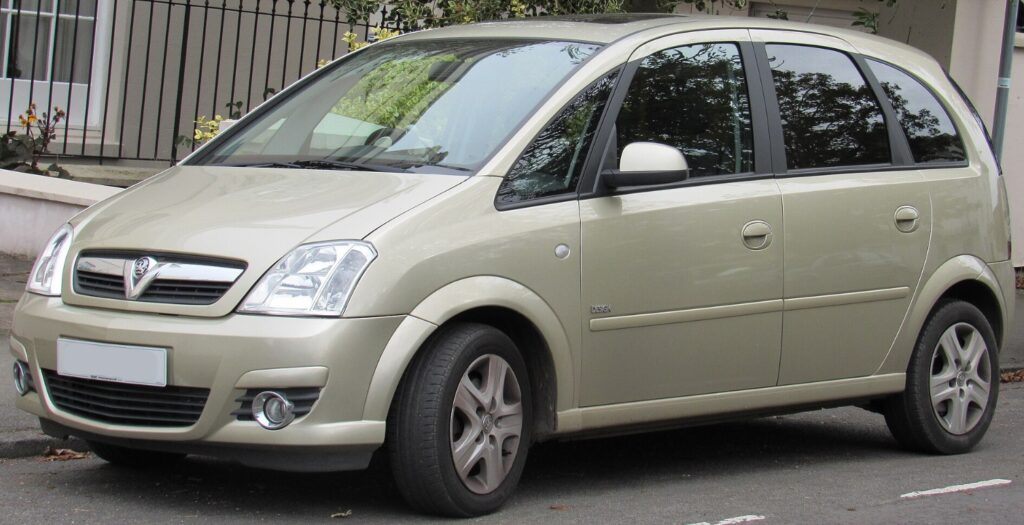
Seeing Vauxhall Meriva Code 68 appear on the dashboard can be unsettling, especially when it arrives alongside a steering-wheel warning light or suddenly heavy steering. One moment the car feels normal; the next, turning the wheel feels like wrestling with a stubborn shopping trolley.
The good news is that Code 68 has a clear basic meaning. In the official Vauxhall Meriva owner’s manual, Code 68 means “Service power steering.” It indicates that the car has detected a fault affecting the power-steering system.
However, the warning does not identify the failed component. The underlying problem may be as simple as low battery voltage or a poor electrical connection, or it may involve the steering pump, control module, sensors, wiring, hydraulic system, or electric steering column.
In this guide, we will explain what Code 68 means, whether the car remains safe to drive, how to diagnose it logically, which repairs are commonly required, and how to avoid replacing expensive components unnecessarily.
Content in this publication
- What Does Vauxhall Meriva Code 68 Mean?
- Which Vauxhall Meriva Models Can Show Code 68?
- Is Vauxhall Meriva Code 68 Serious?
- What Causes Vauxhall Meriva Code 68?
- Weak Battery or Low System Voltage
- Alternator or Charging-System Problems
- Loose or Corroded Electrical Connections
- Blown Fuse or Fuse-Box Problem
- Low Power-Steering Fluid
- Power-Steering Pump Failure
- Electric Steering Column Failure
- Steering-Angle Sensor or Calibration Problems
- Damaged Wiring or Module Communication Faults
- Coolant or Water Contamination Near Steering Components
- How to Diagnose Vauxhall Meriva Code 68
- Step 1: Observe the Exact Symptoms
- Step 2: Check the Battery
- Step 3: Test the Charging System
- Step 4: Inspect Fuses and Power Supplies
- Step 5: Check Fluid and Leaks Where Applicable
- Step 6: Scan the Correct Control Module
- Step 7: Test Wiring Before Replacing Components
- Step 8: Confirm the Failed Component
- Can You Reset Vauxhall Meriva Code 68?
- How Much Does It Cost to Fix Code 68?
- Common Mistakes When Fixing Code 68
- How to Prevent Future Power-Steering Problems
- Vauxhall Meriva Code 68 Troubleshooting Checklist
- Final Thoughts on Vauxhall Meriva Code 68
- Frequently Asked Questions
What Does Vauxhall Meriva Code 68 Mean?
Vauxhall Meriva Code 68 means:
Service power steering
The message appears in the Driver Information Centre when the vehicle detects a fault in the power-steering system. On displays that use numerical vehicle messages, the dashboard shows Code 68 rather than a complete sentence. The official manual lists Code 67 as “Service steering wheel lock,” Code 68 as “Service power steering,” and Code 69 as “Service suspension system.”
This distinction matters because Code 68 is not merely a reminder for routine servicing. It means the car has recorded an abnormal condition that may reduce or completely remove steering assistance.
Depending on the fault, you may notice:
- A steering-wheel warning symbol
- Heavy steering at low speeds
- Intermittent loss of assistance
- Steering that becomes normal after restarting
- A whining or groaning noise
- Additional traction-control or stability-control warnings
- Code 68 appearing briefly during startup
- Steering assistance disappearing completely
Sometimes the steering still feels normal when the message appears. That does not mean the warning can be ignored. An intermittent electrical problem may temporarily restore itself and then return without warning.
Which Vauxhall Meriva Models Can Show Code 68?
Code 68 is most commonly discussed in connection with the Vauxhall Meriva B, produced from roughly 2010 to 2017. This generation uses dashboard vehicle-message codes, including Code 68.
Earlier Meriva A models can also experience serious power-steering problems, although the dashboard presentation and steering design may differ by year, engine, and specification.
That means online advice cannot always be copied blindly from one Meriva to another. A repair that applies to a 2007 Meriva may not apply in exactly the same way to a 2014 model.
Before diagnosing the problem, identify:
- The model year
- The engine
- Whether the car is a Meriva A or Meriva B
- Whether the steering system is electric, electro-hydraulic, or hydraulic
- Any diagnostic trouble codes stored in the steering module
The dashboard message is the starting clue, not the final diagnosis.
Is Vauxhall Meriva Code 68 Serious?
Yes, Code 68 should be treated seriously because it relates directly to steering.
The car normally remains mechanically steerable even if assistance is lost, but the steering wheel may require considerably more force. Vauxhall’s manual states that if power-steering assistance is lost because of an engine stoppage or system malfunction, the vehicle can still be steered, although steering effort may increase or change.
That sounds reassuring on paper, but real-world driving is different. At parking speed, a Meriva without assistance can feel unexpectedly heavy. A driver who is not prepared for that change may struggle while turning into a junction, negotiating a roundabout, or avoiding an obstacle.
Can You Drive with Code 68 Showing?
The safest answer depends on how the steering feels.
If the steering is:
- Extremely heavy
- Jerky or inconsistent
- Locking or resisting movement
- Accompanied by electrical burning smells
- Accompanied by multiple major warnings
- Changing unpredictably while driving
stop somewhere safe and arrange recovery.
If the steering feels completely normal and the warning appeared only once, you may be able to move the car a short distance to a safe location or nearby workshop. Even then, avoid treating the journey as normal driving.
A warning that disappears after restarting may still indicate an intermittent failure. Electrical steering problems often behave like a flickering light bulb: they work until the exact moment they do not.
When You Should Not Continue Driving
Do not continue driving when:
- Steering assistance has completely failed
- You cannot confidently control the vehicle
- The battery warning light is also illuminated
- The engine is cutting out
- The steering warning is red
- The wheel feels notchy or partially jammed
- You hear severe grinding from the steering system
- Fluid is leaking beneath the front of the car
Safety must take priority over reaching home or avoiding a recovery charge.
What Causes Vauxhall Meriva Code 68?
Code 68 has several possible causes. The dashboard cannot tell us which one is responsible, so diagnosis should move from simple and inexpensive checks toward more complex components.
The most common areas to investigate are:
- Weak or discharged battery
- Alternator or charging-system problems
- Loose, damaged, or corroded electrical connections
- Blown fuse or poor fuse-box contact
- Low power-steering fluid on applicable versions
- Fluid leaks or contamination
- Power-steering pump failure
- Steering control-module failure
- Torque or steering-angle sensor problems
- Electric steering-column failure
- Communication faults between control modules
- Damaged wiring or earth points
Let us examine each possibility.
Weak Battery or Low System Voltage
A weak battery is one of the first things worth checking when Code 68 appears, particularly when the warning occurs during cold starts or disappears after restarting.
Power-steering systems can demand significant electrical current. If battery voltage drops too far while the starter motor is cranking, the steering controller may detect insufficient voltage and switch assistance off to protect the system.
This can create symptoms such as:
- Code 68 appearing immediately after startup
- Several dashboard lights appearing together
- Slow engine cranking
- Clicking when starting
- The clock or radio resetting
- Stop-start becoming unavailable
- The warning disappearing after a longer drive
- Steering working normally after the engine is restarted
A battery may still start the engine while being too weak to support all the car’s electronic systems reliably.
How to Check the Battery
A basic battery test should include:
- Resting voltage
- Voltage during cranking
- Battery condition or conductance
- Terminal tightness
- Terminal corrosion
- Battery age
- Correct battery specification
A simple voltage reading is useful, but it does not tell the whole story. A tired battery can display reasonable voltage with no load and then collapse when the starter and steering systems demand current.
A proper load or conductance test is more revealing.
Could Disconnecting the Battery Clear Code 68?
Disconnecting the battery may remove a temporary warning, but it is not a repair.
It can also create other issues, including:
- Lost radio or clock settings
- Window relearning messages
- Steering-angle calibration requirements
- Additional stored communication faults
- Stop-start relearning delays
If Code 68 disappears after disconnecting the battery, the original cause may still be present. Clearing a warning without diagnosing it is like silencing a smoke alarm without checking for smoke.
Alternator or Charging-System Problems
A healthy battery will eventually discharge if the alternator is not charging correctly.
An alternator problem may produce Code 68 because the steering system receives unstable or insufficient voltage while the engine is running. Possible causes include:
- A failing alternator
- Worn internal regulator
- Loose auxiliary belt
- Damaged wiring
- Poor battery connection
- Bad engine or chassis earth
- Excessive electrical resistance
- Intermittent charging failure
Look for additional signs such as:
- Battery warning light
- Headlights changing brightness
- Interior lights pulsing
- Electrical systems shutting down
- Steering becoming heavier at idle
- The car eventually failing to restart
Why Voltage Testing Must Be Done Under Load
A charging system can appear normal at idle with no accessories operating, yet fail when headlights, heated screens, blower motor, and steering assistance are used together.
A technician may therefore test charging voltage:
- At idle
- At higher engine speed
- With major electrical consumers switched on
- During steering input
- Directly at the alternator and battery
The objective is not merely to find one acceptable voltage number. It is to see whether the system remains stable when placed under realistic demand.
Loose or Corroded Electrical Connections
Before replacing a battery, pump, or steering column, inspect the electrical basics.
A high-current steering system depends on clean and secure connections. A slightly loose cable can act like a kink in a garden hose: power is available, but not enough reaches the component when demand rises.
Important points include:
- Battery positive terminal
- Battery negative terminal
- Chassis earth strap
- Engine earth connection
- Steering pump power supply
- Fuse-box connections
- Control-module connectors
- Wiring near the battery tray
- Wiring exposed to water or coolant
Corrosion may hide beneath cable insulation or inside a connector where it cannot be seen without disassembly.
Why Earth Faults Can Be Difficult to Find
A damaged earth connection may work when the car is cold, dry, or stationary but fail when:
- The engine vibrates
- The cable becomes warm
- Rainwater reaches the connector
- The steering system draws heavy current
- The engine moves on its mounts
This explains why some owners experience Code 68 only occasionally.
A voltage-drop test is often more useful than simply checking whether a cable looks intact.
Blown Fuse or Fuse-Box Problem
The power-steering circuit may use a high-current fuse or fusible link. If it blows, the steering pump or motor may stop operating entirely.
However, a fuse normally blows for a reason. Replacing it without understanding why may result in another failure.
Possible triggers include:
- Shorted wiring
- Seized pump motor
- Internal module failure
- Water ingress
- Incorrect jump-starting
- Reversed polarity
- Excessive current draw
Never install a fuse with a higher amperage rating. That can allow wiring to overheat before the fuse protects the circuit.
What If the Fuse Looks Fine?
Visual inspection is not always enough. Check:
- Continuity through the fuse
- Voltage on both sides
- Heat damage around the terminals
- Loose fuse-box contacts
- Corrosion underneath the fuse box
- Signs of previous repairs
A fuse can be intact while the connection beneath it has become burned or resistive.
Low Power-Steering Fluid
Some Meriva steering configurations use hydraulic fluid, while others rely heavily or entirely on electric components. That is why we should not assume every Code 68 can be fixed by topping up a reservoir.
On applicable versions, low fluid can reduce assistance and make the pump noisy. It may result from:
- Leaking hoses
- Loose unions
- Damaged seals
- Steering-rack leakage
- Pump leakage
- A cracked reservoir
- Previous incorrect servicing
The official manual advises that the power-steering fluid level normally does not require routine checking. It also warns that even very small amounts of contamination can damage the system and states that unusual steering noise or abnormal operation should be inspected by a workshop.
Do Not Add Fluid Until You Identify the System
Before opening anything, confirm:
- That the vehicle actually has a fluid reservoir
- The correct fluid specification
- The correct checking procedure
- Whether the level is genuinely low
- Where the missing fluid has gone
Adding the wrong product can cause more damage than the original fault.
Common Signs of a Fluid-Related Problem
Possible signs include:
- Whining while turning
- Assistance changing with engine speed
- Foamy fluid
- Wet hoses or connectors
- Fluid beneath the car
- Groaning near full steering lock
- Steering becoming heavy when parking
Never hold the steering hard against full lock for an extended period. The manual cautions that, on hydraulic versions, keeping the steering at the end of its travel for more than 15 seconds may damage the system and cause loss of assistance.
Power-Steering Pump Failure
On electro-hydraulic systems, an electrically driven pump creates hydraulic pressure for steering assistance.
A failing pump may cause:
- Intermittent assistance
- Complete loss of assistance
- Loud whining
- Code 68
- A blown fuse
- Excessive current draw
- Assistance returning after cooling down
- Steering failure during parking manoeuvres
The pump may fail mechanically, electrically, or electronically. In some cases, the internal control unit fails while the hydraulic portion remains serviceable.
Why Replacing the Pump Immediately Can Be a Mistake
A steering pump can be expensive, so it should not be condemned merely because Code 68 is present.
A non-operating pump may actually be caused by:
- No power supply
- Poor earth
- Low battery voltage
- Failed fuse
- Missing communication signal
- Damaged connector
- Wiring resistance
- A fault elsewhere in the steering network
The pump should be tested, not guessed at.
A logical diagnosis confirms power, ground, communication, fluid condition, and stored fault codes before replacement.
Electric Steering Column Failure
Some Meriva variants use an electric power-steering column containing a motor, control electronics, and sensors. Failure within this assembly can produce heavy steering, an EPS warning, and Code 68.
Specialist rebuilders identify the Meriva steering column as a known source of intermittent or complete loss of assistance. Typical symptoms include an illuminated EPS warning and steering that becomes extremely heavy.
Possible internal faults include:
- Electric motor failure
- Control-board failure
- Cracked solder joints
- Torque-sensor problems
- Internal overheating
- Communication failure
- Position-sensor faults
What Does a Torque Sensor Do?
The torque sensor measures how much force the driver applies to the steering wheel and in which direction.
The controller uses that information to decide:
- How much assistance to provide
- Which direction assistance should act
- How assistance should change with speed
If the signal becomes implausible, the system may disable assistance because providing incorrect steering force would be dangerous.
Signs of a Column or Sensor Fault
Look for:
- Assistance cutting in and out
- Steering that feels uneven
- The wheel pulling or assisting unexpectedly
- Code 68 returning immediately
- A steering warning that remains after battery testing
- Diagnostic codes referring to torque, motor, position, or internal module faults
A steering-column rebuild may sometimes be more economical than fitting a brand-new assembly, but the unit must first be correctly identified as the cause.
Steering-Angle Sensor or Calibration Problems
The steering-angle sensor tells the vehicle where the steering wheel is positioned. Its information may also be used by:
- Electronic Stability Control
- Traction control
- ABS
- Parking assistance
- Other chassis systems
If the sensor loses calibration or reports an implausible position, Code 68 may appear alongside stability-control warnings.
This can happen after:
- Battery disconnection
- Steering-column work
- Wheel alignment
- Suspension repairs
- Sensor replacement
- Low-voltage events
- Wiring faults
Will Turning the Steering Wheel Lock to Lock Reset It?
Some steering systems can relearn their position after the wheel is turned from one side to the other and then centred. The Meriva manual includes separate steering-related messages instructing the driver to turn the steering wheel and restart the ignition or engine, but Code 68 itself is specifically listed as a service warning.
Therefore, turning the wheel may help after a temporary calibration loss, but it should not be treated as a guaranteed Code 68 repair.
Do not force the steering against the stops, and never repeatedly perform reset procedures if the steering feels abnormal.
Damaged Wiring or Module Communication Faults
Modern steering systems communicate with other modules over the vehicle’s data network.
A communication fault can occur when:
- A wire is broken
- A connector is loose
- Water enters a module
- Voltage becomes unstable
- A control unit stops responding
- A shared earth connection fails
- The CAN communication network is disturbed
This may cause Code 68 alongside unrelated-looking warnings.
For example, the dashboard may also show:
- Traction-control warning
- ABS warning
- Parking-assist warning
- Battery warning
- Service Vehicle Soon
- Multiple stored communication codes
When several systems complain at once, the root cause may be shared power, ground, or network wiring rather than several failed components.
Coolant or Water Contamination Near Steering Components
Leaks deserve special attention because liquid can damage electrical connectors and modules.
Possible sources include:
- Coolant hoses
- Thermostat housing
- Expansion tank
- Windscreen drainage
- Battery-area water ingress
- Washer-fluid leaks
- Rainwater entering damaged seals
A connector contaminated by coolant or water may corrode gradually. The car can work normally for weeks before resistance rises enough to trigger a fault.
When inspecting Code 68, look beyond the steering component itself. Sometimes the true culprit is dripping quietly from above.
How to Diagnose Vauxhall Meriva Code 68
Good diagnosis follows evidence instead of replacing the most expensive-looking component first.
Step 1: Observe the Exact Symptoms
Record:
- When Code 68 appears
- Whether it happens during startup or driving
- Whether the steering becomes heavy
- Whether restarting restores assistance
- Weather and temperature conditions
- Other warning lights
- Any noises
- Recent battery, suspension, or steering work
These details can narrow the problem quickly.
Step 2: Check the Battery
Inspect the terminals and test:
- Resting voltage
- Cranking performance
- Battery capacity
- Battery age
- Terminal condition
Replace the battery only if testing shows that it is weak or unsuitable.
Step 3: Test the Charging System
Check alternator performance under load and inspect:
- Auxiliary belt
- Alternator wiring
- Main charging cable
- Battery connections
- Earth straps
A charging fault must be corrected before further electronic diagnosis can be trusted.
Step 4: Inspect Fuses and Power Supplies
Confirm that the steering system receives:
- Correct battery voltage
- Reliable ignition supply
- A sound earth
- Voltage under load
Do not rely solely on visual checks.
Step 5: Check Fluid and Leaks Where Applicable
Identify the steering-system type first. If it uses fluid, inspect the reservoir, hoses, pump, rack, and surrounding area.
Do not contaminate the reservoir or add unapproved fluid.
Step 6: Scan the Correct Control Module
A cheap generic code reader may only access the engine module. Code 68 relates to the steering system, so the diagnostic equipment must communicate with the appropriate steering, body, ABS, or chassis modules.
Useful information may include:
- Manufacturer-specific fault codes
- Battery-voltage history
- Motor current
- Steering torque values
- Steering-angle data
- Module temperature
- Communication status
- Intermittent versus permanent fault classification
Step 7: Test Wiring Before Replacing Components
Perform:
- Continuity tests
- Voltage-drop tests
- Connector inspections
- Wiggle testing
- Power and earth checks under load
- Network communication checks
A wire that passes a basic continuity test may still fail under high current.
Step 8: Confirm the Failed Component
Only after these checks should the technician consider replacing or rebuilding:
- The pump
- Steering column
- Control module
- Torque sensor
- Steering-angle sensor
- Wiring harness
- Steering rack
This approach takes longer than guessing, but it usually costs less.
Can You Reset Vauxhall Meriva Code 68?
Code 68 may disappear after:
- Restarting the engine
- Correcting a weak battery
- Repairing a charging fault
- Cleaning a connection
- Restoring fluid level
- Recalibrating a sensor
- Clearing stored faults after repair
But there is no universal dashboard-button reset that permanently fixes every Code 68 problem.
A Safe Basic Restart Procedure
When the steering still feels normal and there are no severe symptoms:
- Park safely.
- Straighten the front wheels.
- Switch off the engine.
- Remove the key or fully switch off the ignition.
- Wait several minutes.
- Restart the engine.
- Check whether the warning returns.
- Turn the wheel gently and confirm that assistance feels consistent.
If the warning disappears, arrange diagnosis anyway if it returns or if the steering felt unusual.
Why Clearing the Code Is Not the Same as Repairing It
A diagnostic scanner can erase fault memory, but the module will record the fault again when it detects the same abnormal condition.
Erasing codes before recording them can also remove valuable clues. Read and save the complete diagnostic report before clearing anything.
How Much Does It Cost to Fix Code 68?
Repair cost depends entirely on the cause. Code 68 itself does not tell us whether the solution is a terminal clean or a complete steering assembly.
Possible repair categories include:
| Possible repair | Relative cost |
|---|---|
| Battery terminal cleaning | Low |
| Fuse replacement | Low |
| Battery replacement | Low to moderate |
| Earth-cable repair | Low to moderate |
| Wiring or connector repair | Moderate |
| Fluid leak repair | Moderate |
| Steering sensor calibration | Low to moderate |
| Steering-angle sensor replacement | Moderate |
| Pump rebuild or replacement | Moderate to high |
| Steering-column rebuild | Moderate to high |
| New steering column or module | High |
| Steering-rack replacement | High |
Prices vary by model year, engine, labour rate, component availability, and whether new, used, or rebuilt parts are fitted.
Should You Fit a Used Steering Part?
A used component may be cheaper, but it introduces uncertainty.
Consider:
- Whether it matches the exact part number
- Whether coding is required
- Whether calibration is required
- The donor vehicle’s mileage
- Warranty coverage
- Whether the same internal weakness remains
- Labour cost if it fails again
A professionally rebuilt original component may be preferable because the car retains its original unit and known internal defects can be repaired. Nevertheless, the rebuilding company’s testing process and warranty should be examined carefully.
Common Mistakes When Fixing Code 68
Several mistakes turn a manageable steering fault into an expensive chase.
Replacing the Battery Without Testing It
A weak battery can cause Code 68, but not every Code 68 is caused by the battery. Test before replacing.
Replacing the Steering Pump First
The pump may not be receiving power or ground. Confirm the supply before condemning it.
Assuming Every Meriva Uses the Same System
Meriva steering designs differ by generation and specification. Identify the vehicle precisely.
Adding Random Power-Steering Fluid
Incorrect fluid or contamination can damage the system. Use only the specified product and only where a reservoir exists.
Ignoring Intermittent Warnings
An intermittent problem is still a problem. It may worsen when temperature, vibration, moisture, or electrical load changes.
Using Only a Generic Engine Scanner
The relevant fault may be stored in the steering or chassis module, not the engine ECU.
Clearing Codes Before Recording Them
Always save the codes, status, freeze-frame information, and voltage data first.
How to Prevent Future Power-Steering Problems
Not every failure can be prevented, but a few habits can reduce the risk.
Keep the Battery Healthy
Have the battery tested when:
- Starting becomes slower
- The battery is several years old
- Stop-start frequently stops working
- Winter is approaching
- Multiple electrical warnings appear
Maintain Clean Electrical Connections
Check for corrosion, looseness, and damaged earth straps during routine servicing.
Repair Leaks Promptly
Coolant, water, or steering fluid can damage components and wiring.
Avoid Holding the Wheel Against Full Lock
This places unnecessary stress on hydraulic pumps and steering components. Vauxhall specifically warns against holding hydraulic steering at the end of its travel for more than 15 seconds.
Use Correct Jump-Starting Procedures
Voltage spikes or reversed polarity can damage sensitive modules. Follow the manufacturer’s jump-starting instructions.
Investigate Noises Early
A new whine, groan, or grinding sound is the steering system asking for attention before it begins shouting through the dashboard.
Vauxhall Meriva Code 68 Troubleshooting Checklist
Use this quick checklist before approving major repairs:
- Confirm Code 68 means “Service power steering”
- Note whether steering assistance is currently working
- Record all other dashboard warnings
- Test the battery properly
- Test alternator output under load
- Clean and tighten battery terminals
- Inspect engine and chassis earth straps
- Check steering fuses and power supplies
- Identify the type of steering system fitted
- Inspect for fluid, coolant, or water leaks
- Scan all relevant control modules
- Record manufacturer-specific fault codes
- Inspect pump or column connectors
- Test wiring under load
- Confirm the failed component before replacement
- Calibrate sensors when required
- Clear codes only after completing the repair
Final Thoughts on Vauxhall Meriva Code 68
Vauxhall Meriva Code 68 means the vehicle requires attention to its power-steering system. The warning can be triggered by something relatively simple, such as a weak battery, poor earth, or damaged connection. It can also point toward a failed pump, sensor, module, steering column, or hydraulic component.
The key is not to panic—and not to guess.
Start with the battery and charging system. Inspect high-current connections and fuses. Identify which steering system your Meriva uses. Scan the correct modules and examine the actual manufacturer-specific fault codes. Only then should expensive components enter the conversation.
If the steering becomes heavy or unpredictable, stop driving and arrange professional assistance. Power steering may feel like a convenience when it works, but when it disappears suddenly, we quickly realise it is an important part of maintaining safe and controlled handling.
Frequently Asked Questions
1. What does Code 68 mean on a Vauxhall Meriva?
Code 68 means “Service power steering.” The car has detected a fault affecting the steering-assistance system. The exact cause must be determined through battery, electrical, hydraulic, wiring, and diagnostic checks.
2. Can a weak battery cause Vauxhall Meriva Code 68?
Yes. Low or unstable voltage can prevent the power-steering system from operating correctly, particularly during startup. However, the battery should be professionally tested because Code 68 can also be caused by wiring, pump, sensor, module, or steering-column faults.
3. Can I drive my Vauxhall Meriva with Code 68?
You should not continue driving if the steering is heavy, inconsistent, or difficult to control. Although the car may remain mechanically steerable after assistance is lost, considerably greater effort may be required.
4. Will restarting the car clear Code 68?
Restarting may temporarily restore assistance when the fault is intermittent or voltage-related. It does not prove that the problem has been repaired. If Code 68 returns, have the steering system diagnosed.
5. Does Code 68 always mean the steering pump has failed?
No. The pump is only one possible cause. Code 68 can also result from a weak battery, alternator problem, fuse, poor earth, damaged wiring, low fluid on applicable models, sensor fault, control-module failure, or electric steering-column problem.
If you want to know other articles similar to Vauxhall Meriva Code 68: Meaning, Causes, and Fixes you can visit the category Service and Parts.
MG HS Tyre Pressure Guide: Correct PSI and TPMS

Toyota Yaris Cross Dashboard Symbols

BMW 3 Series Warning Lights: The Complete Guide to Understanding Every Dashboard Symbol

Nissan Qashqai Fuel Tank Capacity: Complete Guide

Suzuki Swift Fuel Tank Capacity: Complete Guide

Mazda CX-5 Weight (2013–2026): Complete Guide in Pounds and KG
Leave a Reply
More content of your interest