
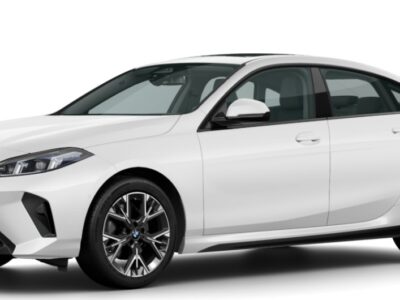
Is BMW 2 Series Gran Tourer a Good Car? UK Buying Guide

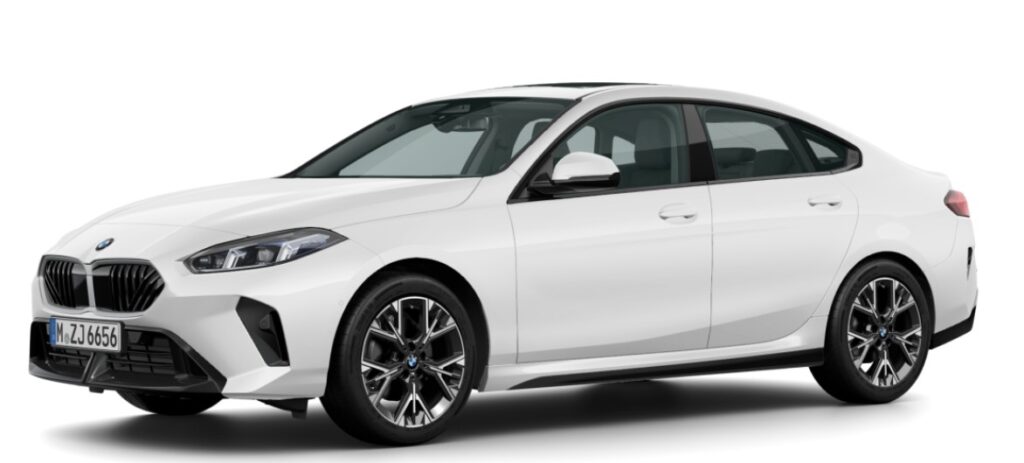
The BMW 2 Series Gran Tourer is a rather unusual creature. It combines seven-seat practicality, a premium badge, family-friendly flexibility, and handling that feels sharper than we might expect from a compact people carrier.
Think of it as a family MPV wearing a tailored German suit.
But is the BMW 2 Series Gran Tourer a good car for UK buyers today? In most cases, yes. It can be an excellent used family car, particularly if we need occasional seven-seat capacity without buying a bulky SUV. It offers efficient engines, an adaptable cabin, respectable build quality, and a more enjoyable driving experience than many traditional MPVs.
However, it is not perfect. The third row is cramped, some versions ride firmly, diesel models may develop emissions-related problems when used mainly for short journeys, and BMW servicing can be more expensive than maintaining a mainstream alternative.
The Gran Tourer was produced as the longer, three-row companion to the five-seat 2 Series Active Tourer. Production ended without a direct seven-seat successor, so UK buyers now encounter it primarily on the used market.
Let us examine whether it deserves a place on our family-car shortlist.
Content in this publication
- What Is the BMW 2 Series Gran Tourer?
- Is BMW 2 Series Gran Tourer a Good Car Overall?
- How Practical Is the BMW 2 Series Gran Tourer?
- What Is the Interior Like?
- Is the BMW 2 Series Gran Tourer Comfortable?
- What Is It Like to Drive?
- Which BMW 2 Series Gran Tourer Engine Is Best?
- BMW 218i Gran Tourer: Best for Most Private Buyers
- BMW 220i Gran Tourer: Best Petrol for Performance
- BMW 216d Gran Tourer: Economical but Modest
- BMW 218d Gran Tourer: Best Diesel Choice
- BMW 220d Gran Tourer: Best for Heavy Loads
- Petrol or Diesel: Which Should UK Buyers Choose?
- Is the BMW 2 Series Gran Tourer Reliable?
- How Expensive Is It to Run?
- Which BMW 2 Series Gran Tourer Trim Is Best?
- Pre-Facelift or Facelift Model?
- What Should We Check Before Buying?
- Should We Buy From a Dealer or Privately?
- What Mileage Is Too High?
- Is It Better Than a Seven-Seat SUV?
- BMW 2 Series Gran Tourer Alternatives
- Who Should Buy the BMW 2 Series Gran Tourer?
- Who Should Avoid It?
- Best Used BMW 2 Series Gran Tourer to Buy
- Final Verdict: Is BMW 2 Series Gran Tourer a Good Car?
- Frequently Asked Questions
What Is the BMW 2 Series Gran Tourer?
The BMW 2 Series Gran Tourer is a compact MPV introduced in 2015. Its internal model code is F46, and it shares much of its engineering with the smaller 2 Series Active Tourer and several MINI models.
Unlike traditional rear-wheel-drive BMW saloons and estates, most Gran Tourers use a front-wheel-drive platform. Selected higher-powered versions were also available with BMW’s xDrive four-wheel-drive system.
That configuration may upset BMW purists, but it makes sense in a family car. By mounting the engine transversely and driving the front wheels, BMW created more passenger and luggage space within a relatively compact exterior.
The car uses a 2+3+2 seating layout:
- Two front seats
- Three individual seating positions in the second row
- Two folding seats in the third row
The third-row seats fold into the boot floor when they are not required. This transforms the Gran Tourer from a seven-seater into a spacious five-seat family car within seconds.
Is It a Real Seven-Seater?
Technically, yes. Practically, it depends on who occupies the final two seats.
Children will usually fit comfortably enough, especially if the second-row bench is moved forward. Smaller teenagers may also manage short journeys without too many complaints.
Adults, however, may feel as though they have been folded into a suitcase.
Access is narrow, knee room is restricted, and the low seating position forces taller passengers to sit with their legs raised. Reviews consistently describe the rearmost seats as most suitable for children rather than adults travelling long distances.
Therefore, we should think of the Gran Tourer as a spacious five-seater with two useful emergency seats rather than a full-size seven-seat vehicle.
Is BMW 2 Series Gran Tourer a Good Car Overall?
Yes, provided its strengths match our priorities.
The Gran Tourer is especially good for buyers who want:
- A flexible family interior
- Occasional seven-seat capability
- Better handling than a typical MPV
- A premium-looking cabin
- Efficient petrol or diesel engines
- A manageable footprint for UK roads
- Strong motorway refinement
- More individuality than a mainstream people carrier
It is less convincing for buyers who need seven adult-sized seats every day. A larger MPV such as the Volkswagen Sharan, Ford Galaxy, SEAT Alhambra, or Citroën Grand C4 SpaceTourer may be more suitable for that role.
The BMW is also unlikely to be the cheapest option to maintain. We are paying for more than the badge, but the badge still adds something to parts, tyres, labour, and insurance costs.
How Practical Is the BMW 2 Series Gran Tourer?
Practicality is one of the Gran Tourer’s biggest strengths.
Its exterior measures roughly 4.56 metres long, making it shorter and easier to park than many seven-seat SUVs. Despite that compact footprint, the tall body and clever seating arrangement create plenty of usable interior space.
BMW originally quoted a luggage capacity that could expand from 645 to 805 litres by sliding the rear bench, while folding the rear seats created up to approximately 1,905 litres in relevant configurations.
Published figures differ depending on whether the vehicle has five or seven seats and how the seats are positioned. The key point is simple: with the third row folded, the Gran Tourer has a large and usefully shaped boot.
Boot Space With Seven Seats in Use
With all seven seats raised, luggage space becomes limited.
We may fit:
- A few shopping bags
- A compact pushchair
- Soft weekend bags
- School backpacks
- A small amount of hand luggage
A family of seven heading to the airport will probably need a roof box, a trailer, or impressive packing skills.
This is not unusual. Most compact seven-seat SUVs suffer from the same problem. Raising the third row consumes the space where our luggage would normally sit.
Boot Space in Five-Seat Mode
Fold the third row, and the Gran Tourer becomes far more useful.
Independent reviews commonly quote around 560 litres in five-seat mode, although measurements vary by seating position and methodology. With the rear seats folded, published capacities rise to around 1,820 litres or more.
The boot floor is relatively flat, and the wide tailgate makes loading bulky objects straightforward. Depending on the specification, electrically folding seat releases and a fold-flat front passenger seat can make carrying long items easier.
Everyday Family Storage
The cabin includes plenty of useful places for daily clutter:
- Door bins
- Front cupholders
- Under-armrest storage
- Seatback pockets
- A glovebox
- Storage areas around the centre console
- Cupholders for rear passengers
Some mainstream MPVs provide even more hidden compartments, but the BMW still handles bottles, snacks, tablets, toys, charging cables, and the mysterious collection of objects that follows every family around.
What Is the Interior Like?
The cabin feels more premium than those of many traditional MPVs.
The dashboard design resembles other BMW models from the same period. Controls are logically arranged, materials generally feel solid, and the central infotainment screen is positioned where we can view it without looking too far away from the road.
BMW’s iDrive rotary controller remains one of the easiest infotainment interfaces to operate while driving. Even older versions feel relatively intuitive once we learn the menu structure.
Interior Quality
Most surfaces we touch regularly feel substantial. The switches operate with reassuring precision, and higher trim levels may include leather upholstery, upgraded interior finishes, ambient lighting, larger infotainment displays, and a panoramic roof.
Look lower in the cabin, though, and some harder plastics reveal that this is not a miniature 7 Series. The Gran Tourer was designed to withstand family life, not to resemble a luxury lounge from every angle.
Some owners and used-car reviews have reported interior trim creaks, but major cabin-quality failures do not appear to dominate reliability reports.
Driving Position and Visibility
The elevated seating position gives us a clear view ahead without making the car feel excessively tall or cumbersome.
The steering wheel and driver’s seat offer generous adjustment, so most drivers should find a comfortable position. Forward visibility is good, although thick pillars can create blind spots at junctions.
Rear visibility becomes more restricted when all seats are occupied. Parking sensors are highly desirable, while a reversing camera makes life much easier in tight supermarket spaces.
Is the BMW 2 Series Gran Tourer Comfortable?
Comfort depends heavily on trim level and wheel size.
SE and Luxury versions generally offer the most relaxed ride, especially when fitted with smaller alloy wheels and higher-profile tyres. M Sport models look sharper but may feel firmer over broken British roads.
Potholes, patched surfaces, raised drain covers, and sharp expansion joints can send noticeable thumps through cars fitted with larger wheels and run-flat tyres.
Best Specification for Comfort
For maximum comfort, we would look for:
- SE or Luxury trim
- Seventeen-inch wheels
- Conventional tyres where appropriate
- Standard suspension
- Supportive front seats
- Dual-zone climate control
- A well-maintained suspension system
M Sport remains appealing if appearance and body control matter more than a soft ride. We simply need to test it on the kinds of roads we actually use, not just a smooth route near the dealership.
Long-Distance Comfort
The Gran Tourer performs well on motorways.
Road and wind noise are generally controlled, the seats remain supportive over long journeys, and diesel engines settle into an economical cruise. Passengers in the first two rows receive a good amount of headroom and legroom.
The third row is a different story. It works for children, but adults may begin negotiating their release before the next motorway service station.
What Is It Like to Drive?
For a seven-seat MPV, the Gran Tourer drives remarkably well.
The steering is accurate, body roll is controlled, and the car changes direction with more confidence than many family vans. It does not feel like a rear-wheel-drive BMW sports saloon, but it still carries some of the brand’s polished road manners.
Used-car assessments describe it as refined and surprisingly capable through corners, even though nobody should mistake it for a sports car.
Town Driving
In town, the elevated driving position and light controls make the Gran Tourer easy to manage. Its footprint is reasonable for UK streets, although it is still wide enough to require care around narrow parking bays and width restrictions.
Automatic versions are especially convenient in stop-start traffic.
You may be interested in reading Toyota Corolla AE86 Engine Swap – The Ultimate Guide
The petrol engines suit urban use better than the diesels because they warm up faster and do not rely on lengthy journeys to keep a diesel particulate filter healthy.
Motorway Driving
Motorways are where diesel Gran Tourers make the strongest case.
The 218d and 220d offer useful torque, relaxed cruising, and potentially strong fuel economy. The car feels stable at speed, while the tall gearing keeps engine noise low.
Adaptive cruise control was not standard across the range, so we should check the exact equipment fitted to any used example.
Country Roads
The Gran Tourer feels secure rather than entertaining.
There is enough grip and steering accuracy to inspire confidence, but the tall body and family-focused chassis discourage aggressive driving. The car flows along winding roads neatly, like a well-trained family dog rather than an excitable racing greyhound.
Which BMW 2 Series Gran Tourer Engine Is Best?
The UK range included several three- and four-cylinder petrol and diesel engines. Power outputs varied by model year and facelift, but familiar versions include the 216i, 218i, 220i, 216d, 218d, and 220d. Some 220d models were offered with xDrive.
At launch, the broader range covered petrol and diesel outputs extending from modest economy-focused versions to engines producing around 190hp.
The right engine depends primarily on how and where we drive.
BMW 218i Gran Tourer: Best for Most Private Buyers
The 218i is often the safest all-round recommendation.
Its 1.5-litre turbocharged three-cylinder petrol engine offers adequate performance without the diesel-related complications associated with repeated short trips.
It is not especially fast when the car is fully loaded, but it has enough energy for normal family use. The engine also has a distinctive three-cylinder thrum that some drivers enjoy.
Choose the 218i when we:
- Drive fewer than roughly 10,000–12,000 miles annually
- Make frequent short journeys
- Spend considerable time in towns
- Do not regularly tow
- Want to avoid DPF concerns
- Prefer smoother, quieter cold starts
A manual version may be cheaper to buy, while the automatic is more relaxing in urban traffic.
BMW 220i Gran Tourer: Best Petrol for Performance
The 220i uses a stronger four-cylinder petrol engine and feels more effortless when carrying passengers or joining fast roads.
It offers noticeably better performance than the 218i, but used examples are less common. Fuel consumption, insurance, and purchase prices may also be higher.
The 220i is worth seeking when we want petrol power but frequently carry a full load. It delivers the sort of flexibility that makes the car feel less strained on hills and motorway slip roads.
BMW 216d Gran Tourer: Economical but Modest
The 216d prioritises fuel economy over speed.
It may suit drivers covering long, gentle journeys, but performance can feel leisurely when seven seats are occupied. Overtaking requires planning, and steep inclines expose its limited reserves.
This engine can still make sense for budget-conscious motorway users, although the stronger 218d is generally easier to recommend.
BMW 218d Gran Tourer: Best Diesel Choice
For high-mileage UK buyers, the 218d is arguably the sweet spot.
It combines useful torque, respectable economy, and enough performance for motorway driving or family holidays. It is less expensive and complex than some xDrive versions while feeling significantly stronger than the 216d.
We should choose a 218d when we:
- Drive regular motorway journeys
- Cover high annual mileage
- Carry passengers frequently
- Need stronger mid-range acceleration
- Can allow the DPF to regenerate properly
- Have documented evidence of regular servicing
BMW 220d Gran Tourer: Best for Heavy Loads
The 220d is the most muscular mainstream diesel option.
It suits buyers who frequently travel with a full complement of passengers, tow within the car’s approved limits, or want effortless motorway performance. Certain versions include xDrive, improving traction in slippery conditions.
However, the 220d can cost more to insure, fuel, service, and repair. Four-wheel drive also introduces additional mechanical components.
For most families, the 218d supplies enough performance. The 220d is a desirable upgrade rather than an essential one.
Petrol or Diesel: Which Should UK Buyers Choose?
Buying a diesel solely because its official fuel-economy figure looks impressive can be a costly mistake.
Modern diesel engines rely on emissions-control components that work best during sustained journeys. Repeated school runs, short commutes, and low-speed urban trips may prevent the diesel particulate filter from completing a regeneration cycle.
A blocked DPF is one of the specific issues used-car guidance advises Gran Tourer buyers to check, especially when a diesel has spent much of its life making short trips.
Choose Petrol When:
- Most trips are short
- Annual mileage is moderate
- We mainly drive in towns
- The car often remains unused for several days
- We value quieter low-speed operation
- We want simpler emissions hardware
Choose Diesel When:
- Annual mileage is high
- Motorway journeys are frequent
- Trips usually last long enough for full warm-up
- We carry heavy loads regularly
- Strong low-rev torque matters
- Fuel economy is a major priority
The engine should match our real routine, not the lifestyle we imagine having twice a year.
Is the BMW 2 Series Gran Tourer Reliable?
Overall reliability appears reasonably good, but maintenance history matters more than the badge on the bonnet.
Used-car reports have identified relatively few widespread catastrophic problems. More commonly mentioned issues include blocked DPFs, interior trim noises, loose boot trim components, and occasional electrical or infotainment faults.
That does not mean every example will be trouble-free. These cars are now ageing, and even a fundamentally sound premium vehicle can produce expensive bills when servicing has been neglected.
Common BMW 2 Series Gran Tourer Problems
Potential areas to inspect include:
- Diesel particulate filter issues
Watch for warning lights, reduced performance, frequent cooling-fan operation, or evidence that the car has mainly covered short journeys. - EGR and emissions-system faults
Diesel engines may develop problems involving exhaust gas recirculation components, sensors, or associated pipework. - Automatic gearbox hesitation
The transmission should select drive smoothly and change gear without jolting, slipping, or excessive delay. - Clutch and dual-mass flywheel wear
On manual diesel cars, listen for rattles and check for clutch slip under acceleration. - Suspension noises
Knocks over rough surfaces may indicate worn bushes, drop links, dampers, or other suspension components. - Infotainment or electrical glitches
Test the screen, controller, Bluetooth, navigation, climate control, cameras, sensors, windows, mirrors, and central locking. - Interior trim rattles
Creaking panels may be irritating rather than dangerous, but they can reveal a hard family life. - Boot-seat mechanisms
Confirm that every seat folds, slides, locks, and returns to position properly. - Air-conditioning performance
The system should cool the cabin quickly. A simple regas may not solve every fault. - Uneven tyre wear
This can indicate poor wheel alignment, damaged suspension, or prolonged driving with incorrect pressures.
Check for Outstanding Recalls
Recall campaigns vary by build date, engine, and vehicle specification. We should check the registration through the UK government recall service and ask a BMW retailer to confirm whether all relevant work has been completed.
The official service allows drivers to check safety recalls and MOT history using vehicle details.
How Expensive Is It to Run?
The Gran Tourer can be economical on fuel, but it is not a budget MPV.
Routine costs may include:
- Premium-brand tyres
- Higher independent-garage labour rates
- BMW specialist servicing
- More expensive suspension components
- Costly electronic modules
- Diesel emissions-system repairs
- Automatic transmission maintenance
- Potentially higher insurance premiums
Running costs depend heavily on engine, trim, wheels, age, and driving pattern.
Fuel Economy
Real-world economy will usually fall below official laboratory figures.
As a broad expectation:
- A 218i petrol may return respectable mid-to-high 30s mpg or better during mixed driving.
- A 220i will generally consume more fuel, particularly in town.
- A well-driven 218d may achieve economy in the 50s mpg during longer journeys.
- A 220d or xDrive model may use slightly more fuel than a front-wheel-drive 218d.
These are practical expectations rather than guaranteed figures. Weather, traffic, wheel size, load, journey length, and driving style can change consumption dramatically.
Road Tax
UK Vehicle Excise Duty depends on registration date and official CO₂ emissions.
Cars first registered before 1 April 2017 use the older emissions-band structure. Later vehicles generally follow the newer system, where most petrol and diesel cars pay a standard annual rate after the first year, subject to the rules applicable to their registration date and original list price.
We should verify the exact tax rate using the registration number rather than relying on a generic model estimate.
Insurance
Insurance groups vary considerably.
A modest 216d or 218i in SE trim should usually cost less to insure than a powerful 220d xDrive or highly equipped M Sport model. Our age, postcode, claims history, occupation, annual mileage, and parking arrangements may matter more than the difference between trims.
Always obtain an insurance quote before paying a deposit.
Which BMW 2 Series Gran Tourer Trim Is Best?
The names and equipment changed over the production run, but common UK trims include SE, Sport, Luxury, and M Sport.
SE: Best Value
SE models tend to offer the best combination of comfort, sensible wheels, and reasonable purchase prices.
Equipment varies by year, but many cars include:
- Climate control
- Cruise control
- Rear parking sensors
- Bluetooth
- Alloy wheels
- Automatic lights and wipers
- BMW iDrive infotainment
An SE may look less dramatic than an M Sport, but it often rides better and costs less to insure.
Sport: A Balanced Middle Ground
Sport trim adds visual interest without always adopting the firmest suspension or largest wheels.
It can be a good compromise for buyers who want a slightly sharper appearance but still value comfort.
You may be interested in readingToyota Corolla AE86 Engine Swap – The Ultimate GuideYou may be interested in reading
 Does the Toyota Camry Have CVT Transmission?
Luxury models may include additional chrome detailing, upgraded upholstery, attractive interior trim, and comfort-oriented equipment.
They can make the Gran Tourer feel genuinely upmarket, although worn leather and damaged decorative trim are expensive to restore properly.
M Sport: Best for Appearance
M Sport cars dominate many used listings because their body styling, larger wheels, sports seats, and steering wheel make them visually appealing.
The trade-off is usually a firmer ride and potentially higher tyre costs.
Buy an M Sport because we genuinely prefer its styling and driving feel—not simply because the badge makes the advert look more exciting.
Pre-Facelift or Facelift Model?
The Gran Tourer received a mid-life update for 2018.
Facelift cars benefit from refreshed styling, updated engines and transmissions in parts of the range, revised equipment, and newer infotainment options. They usually command higher prices but may feel more modern inside.
A well-maintained pre-facelift car is still preferable to a neglected facelift model.
Service history, condition, specification, and previous use should outrank registration year alone.
What Should We Check Before Buying?
A careful inspection can prevent a family bargain from becoming a financial sinkhole.
BMW 2 Series Gran Tourer Buying Checklist
Before Viewing
- Check MOT history online.
- Look for recurring advisories.
- Confirm the vehicle’s specification.
- Compare its mileage with MOT records.
- Obtain an insurance quote.
- Run a history and finance check.
- Ask whether it has two keys.
- Request invoices rather than relying on stamps alone.
- Check for outstanding recalls.
- Confirm whether it has five or seven seats.
During the Exterior Inspection
- Look for mismatched paint.
- Check panel gaps.
- Inspect alloy wheels for damage.
- Examine every tyre.
- Look beneath the car for leaks.
- Check lamps for moisture.
- Inspect the tailgate and rear bumper.
- Confirm that parking sensors are secure.
- Look for signs of towing or heavy loading.
Inside the Car
- Test all seven seating positions.
- Fold and slide every seat.
- Check the seat-release handles.
- Operate all electric windows.
- Test the climate control.
- Pair a phone with Bluetooth.
- Check navigation and infotainment.
- Test every parking sensor and camera.
- Inspect carpets for water.
- Look for excessive family wear.
- Confirm both keys work.
During the Test Drive
- Start the engine from cold.
- Listen for rattles or knocking.
- Check for warning lights.
- Test clutch operation.
- Check automatic shifts at low and high speeds.
- Drive over rough surfaces.
- Test the brakes firmly.
- Check that the car tracks straight.
- Listen for wheel-bearing noise.
- Accelerate hard enough to reveal hesitation.
- Watch the temperature gauge.
- Check for smoke after acceleration.
Why a Cold Start Matters
A seller may warm the engine before we arrive to hide starting problems, rattles, smoke, or rough running.
Ask for the car to remain cold before the viewing. Place a hand near—not directly on—the bonnet or inspect the temperature display before starting it.
A healthy engine should start promptly, settle into a consistent idle, and avoid producing persistent warning lights or excessive smoke.
Should We Buy From a Dealer or Privately?
A reputable dealer usually charges more but provides stronger consumer protections.
Private purchases may be cheaper, although buyers have fewer remedies if something goes wrong. The vehicle must still match its description, but the responsibility for checking condition becomes much greater.
For a complicated diesel automatic or xDrive model, a good independent BMW specialist or established dealer may provide valuable reassurance.
Regardless of seller type, an independent pre-purchase inspection is worthwhile when:
- The car has high mileage
- The history contains gaps
- The seller cannot explain previous repairs
- Warning lights have recently been cleared
- The vehicle has an automatic gearbox
- We plan to keep it for several years
What Mileage Is Too High?
Mileage alone does not determine condition.
A 100,000-mile diesel that has travelled mainly on motorways and received regular maintenance may be healthier than a 45,000-mile example used only for cold school runs.
High-mileage cars require closer attention to:
- Suspension wear
- Clutch condition
- Automatic gearbox behaviour
- DPF health
- EGR components
- Wheel bearings
- Cooling-system parts
- Brake condition
- Air-conditioning
- Interior seat mechanisms
We should buy the best history and condition available, not automatically the lowest number on the odometer.
Is It Better Than a Seven-Seat SUV?
In several practical ways, yes.
Compared with a similarly priced seven-seat SUV, the Gran Tourer may offer:
- Better fuel economy
- Easier access for children
- A lower loading height
- More car-like handling
- Less exterior bulk
- Better value on the used market
- More flexible second-row seating
An SUV may provide:
- A more fashionable design
- Greater ground clearance
- Better towing ability in some cases
- A more commanding seating position
- Larger adult-friendly third-row seats in bigger models
- Stronger resale demand
The Gran Tourer is a rational purchase. A seven-seat SUV is often an emotional one dressed as a practical decision.
BMW 2 Series Gran Tourer Alternatives
Several used family cars deserve comparison.
Volkswagen Touran
The Touran is arguably the Gran Tourer’s closest rival. It offers an exceptionally practical interior, mature road manners, and strong engine choices.
It feels less premium but may provide slightly better family-focused packaging.
Citroën Grand C4 SpaceTourer
The Citroën prioritises comfort, space, and futuristic styling. It is usually softer and more relaxing than the BMW, although the infotainment and controls may feel less intuitive.
Ford S-Max
The S-Max is larger and better suited to carrying seven people. It also drives well for its size.
However, it is bulkier in town and may cost more to fuel.
Ford Galaxy
The Galaxy provides significantly more third-row and luggage space. It is the better option for families that genuinely use seven seats regularly.
It feels more like a large transport tool than a compact premium car.
Kia Carens
The Carens offers straightforward practicality and potentially lower running costs. Later examples may retain useful warranty coverage depending on age and terms.
The cabin and driving experience are less polished than the BMW’s.
SEAT Alhambra
The Alhambra provides proper seven-seat practicality and useful sliding rear doors.
Its size makes it less convenient on narrow streets, but it is far better for seven adults and their luggage.
Who Should Buy the BMW 2 Series Gran Tourer?
It is a strong match for:
- Families with two or three children
- Grandparents who occasionally carry grandchildren
- Buyers who need seven seats only sometimes
- Drivers moving from a hatchback to something more practical
- High-mileage users choosing a well-maintained diesel
- Urban families choosing a petrol model
- Buyers who dislike large SUVs
- Drivers who still want responsive handling
Who Should Avoid It?
We should probably look elsewhere when:
- Seven adults travel regularly
- Maximum boot space is needed with every seat occupied
- Running costs must be as low as possible
- We only make short journeys but are considering a diesel
- We want a very soft ride on large wheels
- We need serious off-road ability
- We expect traditional rear-wheel-drive BMW handling
- We cannot budget for premium-car repairs
Best Used BMW 2 Series Gran Tourer to Buy
For most private UK buyers, a well-maintained facelift 218i in SE, Sport, or Luxury trim is the strongest all-round choice.
It avoids the most obvious diesel-use mismatch, offers sufficient performance, and should suit urban and mixed family driving.
For high-mileage motorway users, the 218d is the better option. Look for evidence that it has regularly completed long journeys and received correct servicing.
Our ideal purchase would include:
- Full documented service history
- Two working keys
- Clean MOT records
- Seventeen-inch wheels
- Rear parking sensors
- A reversing camera
- Climate control
- No dashboard warnings
- Smooth gearbox operation
- Correctly functioning seats
- Evidence of recall completion
- Matching quality tyres
Final Verdict: Is BMW 2 Series Gran Tourer a Good Car?
Yes, the BMW 2 Series Gran Tourer is a good used car—sometimes a very good one.
It successfully blends the flexibility of an MPV with the cabin quality, refinement, and driving polish associated with BMW. The first two rows are spacious, the boot is generous in five-seat mode, and the two folding rear seats provide useful flexibility when friends, relatives, or extra children join the journey.
It is not a true seven-adult vehicle, nor is it the cheapest family car to maintain. M Sport versions may ride firmly, diesel models need the right type of use, and neglected examples can generate premium-sized repair bills.
The secret is to buy according to our actual lifestyle.
Choose the 218i for shorter and mixed journeys. Choose the 218d for sustained high-mileage use. Prioritise maintenance history over cosmetic extras, and never assume a low-mileage diesel has lived an easy life.
The Gran Tourer may no longer be fashionable in an SUV-dominated market, but that is partly what makes it appealing. It is practical, understated, pleasant to drive, and often attractively priced.
In other words, it is the sensible family shoe that happens to carry a premium badge—and sometimes sensible shoes are exactly what the journey requires.
Frequently Asked Questions
1. Is the BMW 2 Series Gran Tourer expensive to maintain?
It generally costs more to maintain than mainstream MPVs such as a Kia Carens or Citroën Grand C4 SpaceTourer. Routine servicing can remain manageable through an independent BMW specialist, but premium tyres, suspension parts, electronics, automatic gearbox repairs, and diesel emissions components may be expensive.
2. Which BMW 2 Series Gran Tourer engine is most reliable?
There is no universally trouble-free engine, but the 218i petrol is a sensible choice for low-to-moderate mileage and short journeys. The 218d is a strong option for regular motorway use, provided it has been serviced correctly and allowed to complete DPF regenerations.
3. Can adults sit in the third row?
Adults can use the third row for short journeys, but access, knee room, and seating height are restrictive. The rear seats are better suited to children or occasional emergency use.
4. Is the BMW 2 Series Gran Tourer good for motorway driving?
Yes. It feels stable, refined, and comfortable at motorway speeds. Diesel models, especially the 218d and 220d, provide strong mid-range torque and potentially good long-distance fuel economy.
5. What is the best used BMW 2 Series Gran Tourer to buy?
For most UK families, a facelift 218i SE, Sport, or Luxury with full service history is the best petrol choice. High-mileage motorway drivers should consider a well-maintained 218d. In either case, condition and maintenance history matter more than trim level.
You may be interested in readingToyota Corolla AE86 Engine Swap – The Ultimate GuideYou may be interested in reading
Does the Toyota Camry Have CVT Transmission?You may be interested in reading
 Toyota Camry Trim Levels 2014: A Detailed Guide to Choosing the Best
If you want to know other articles similar to Is BMW 2 Series Gran Tourer a Good Car? UK Buying Guide you can visit the category Blog.
BMW 2 Series Insurance Group UK: Costs, Ratings and Buying Guide
BMW 2 Series Reliability: A Complete Owner’s Guide
BMW 2 Series Boot Space: Capacity, Practicality and Luggage Guide
Are Vauxhall Antara Good Cars? An Honest Used SUV Guide
Vauxhall Antara Insurance Group UK: Costs, Ratings and Ways to Save
Vauxhall Antara Reliability: Is This Used SUV Worth Buying?
Leave a Reply
More content of your interest