
Chevrolet Silverado and GMC Sierra: Similar Trucks, Different Personalities

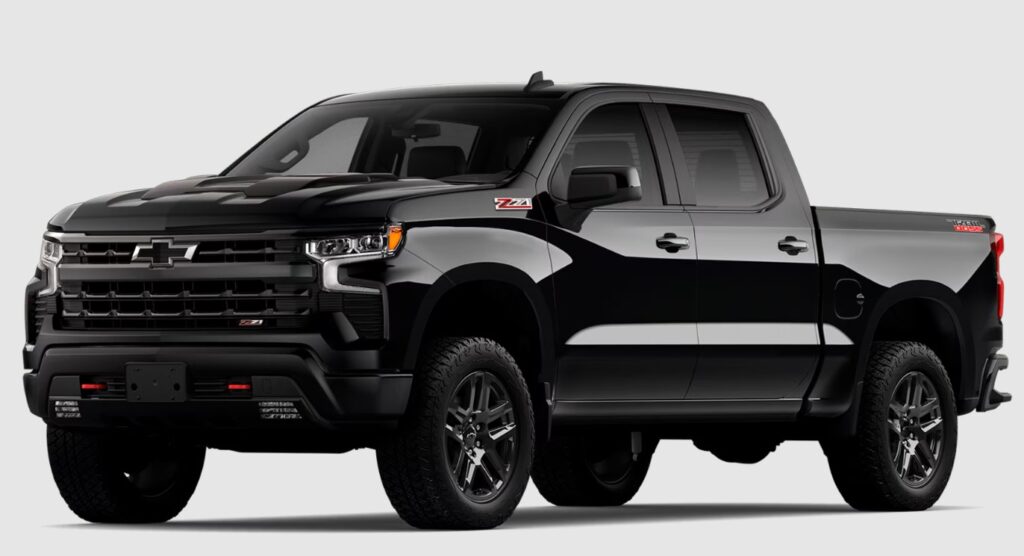
The Chevrolet Silverado and GMC Sierra are often described as twins. That description is not entirely wrong, but it does not tell the whole story.
Yes, both trucks come from General Motors. They share platforms, engines, transmissions, cab configurations, and a considerable amount of engineering. Park similarly equipped models side by side, and their family resemblance becomes obvious.
However, calling them identical is like saying two houses are the same because they share a foundation. One may be practical, straightforward, and built for everyday life. The other may feature upgraded finishes, more polished details, and a higher asking price.
That is essentially the relationship between the Chevrolet Silverado and GMC Sierra.
The Silverado generally positions itself as the broad, accessible workhorse. It can be a basic fleet truck, an off-road machine, a family vehicle, or a luxurious long-distance cruiser. The Sierra covers much of the same territory but usually wraps its capability in a more upscale package.
So, which truck deserves a place in our driveway? Let’s look beyond the badges and examine where these pickups overlap, where they separate, and which one makes more sense for different buyers.
Content in this publication
- Are the Chevrolet Silverado and GMC Sierra the Same Truck?
- Chevrolet Silverado vs GMC Sierra at a Glance
- Exterior Styling: Rugged Chevrolet or Upscale GMC?
- Engine Options and Performance
- Towing Capacity: Is One Truck Stronger?
- Payload and Bed Utility
- Interior Quality and Comfort
- Technology and Infotainment
- Off-Road Models: ZR2 vs AT4X
- Luxury Models: Silverado High Country vs Sierra Denali
- Ride Quality and Everyday Driving
- Reliability and Maintenance Considerations
- Fuel Economy
- Pricing and Overall Value
- Used Chevrolet Silverado vs Used GMC Sierra
- Who Should Buy the Chevrolet Silverado?
- Who Should Buy the GMC Sierra?
- Chevrolet Silverado and GMC Sierra: Final Verdict
- Frequently Asked Questions
- 1. Are the Chevrolet Silverado and GMC Sierra mechanically identical?
- 2. Is the GMC Sierra more expensive than the Chevrolet Silverado?
- 3. Which is better for towing, the Silverado or Sierra?
- 4. Is the Sierra Denali better than the Silverado High Country?
- 5. Do Chevrolet Silverado parts fit a GMC Sierra?
Are the Chevrolet Silverado and GMC Sierra the Same Truck?
The Silverado and Sierra are closely related, but they are not exactly the same truck.
Both are built using General Motors’ full-size pickup architecture. Comparable versions often share:
- Engines
- Automatic transmissions
- Frame construction
- Suspension components
- Cab dimensions
- Bed lengths
- Four-wheel-drive systems
- Towing technology
- Infotainment hardware
- Driver-assistance systems
Underneath the styling, the mechanical relationship is strong. A Silverado 1500 and a Sierra 1500 equipped with the same engine, cab, bed, drivetrain, and trailering package should deliver broadly similar performance.
The differences become clearer when we examine design, trim structure, interior appointments, standard equipment, dealer positioning, and price.
Chevrolet aims to cover nearly every corner of the pickup market. GMC, meanwhile, describes itself as a premium truck and SUV brand. That positioning gives the Sierra a slightly different flavor, particularly in Denali and Denali Ultimate form.
Think of the Silverado as a sturdy pair of work boots. It is practical, familiar, and ready to get dirty.
The Sierra is more like those same boots after someone adds softer leather, detailed stitching, and a polished finish. It can still walk through mud, but it would not look out of place arriving at an expensive restaurant.
That difference is not always dramatic, especially among entry-level trims. As we move higher through each truck’s range, however, the personalities become easier to distinguish.
Chevrolet Silverado vs GMC Sierra at a Glance
| Category | Chevrolet Silverado | GMC Sierra |
|---|---|---|
| General character | Practical and versatile | Premium and refined |
| Typical pricing | Usually more accessible | Often slightly higher |
| Entry-level appeal | Strong fleet and work focus | More polished presentation |
| Luxury model | High Country | Denali and Denali Ultimate |
| Off-road models | Trail Boss and ZR2 | AT4 and AT4X |
| Tailgate design | Available Multi-Flex Tailgate | Available MultiPro Tailgate |
| Engine selection | Broadly shared with Sierra | Broadly shared with Silverado |
| Towing potential | Comparable when properly equipped | Comparable when properly equipped |
| Best suited for | Value, work, customization | Comfort, prestige, upscale features |
This comparison is a general guide. Exact equipment, capacities, prices, and availability depend on the model year and configuration.
Exterior Styling: Rugged Chevrolet or Upscale GMC?
Visual design is one of the clearest differences between the Chevrolet Silverado and GMC Sierra.
The Silverado tends to look bold, industrial, and aggressive. Its grille designs are often large and visually complex, while its body styling emphasizes strength. Depending on the trim, it can appear like a straightforward construction-site truck or an unapologetic off-road bruiser.
The Sierra usually takes a cleaner, more formal approach. Its grille is often more upright and polished, and premium models make extensive use of distinctive lighting, chrome, darkened trim, or trim-specific exterior details.
Neither approach is objectively better. The decision depends on the image we want the truck to project.
Silverado Design Personality
The Silverado communicates function first. Even luxurious versions maintain a muscular, utilitarian character.
Popular appearance themes include:
- Blacked-out street styling
- Traditional chrome trim
- Factory-lifted off-road packages
- Body-color sport details
- Heavy-duty-inspired front-end designs
A Silverado can look simple and honest in Work Truck form or genuinely intimidating as a ZR2.
Sierra Design Personality
The Sierra places more emphasis on visual refinement. GMC often uses distinctive grille textures, premium lighting signatures, trim-specific wheels, and carefully coordinated exterior details.
The difference is especially noticeable with Denali models. A Sierra Denali does not try to hide its luxury ambitions. It looks more like a premium SUV with a cargo bed than a traditional work pickup wearing a few comfort upgrades.
Which Truck Looks Better?
That depends on our taste.
Choose the Silverado when we prefer:
- A tougher visual identity
- Sportier trim packages
- A work-oriented appearance
- A broad selection of styling themes
Choose the Sierra when we prefer:
- More formal exterior detailing
- A premium-looking grille
- Distinctive luxury trims
- A cleaner road presence
Engine Options and Performance
One of the strongest reasons to compare the Silverado and Sierra is their shared powertrain selection.
For the 2026 model year, the light-duty trucks continue to offer combinations built around a TurboMax gasoline engine, two available EcoTec3 V8 engines, and a 3.0-liter Duramax turbo-diesel. In Chevrolet applications, published outputs include 310 horsepower for the TurboMax, 355 horsepower for the 5.3-liter V8, and 420 horsepower for the 6.2-liter V8.
Because the two trucks use closely related mechanical packages, the badge on the grille usually matters less than the engine under the hood.
TurboMax: Strong Low-End Gasoline Torque
The TurboMax is the entry point for many Silverado and Sierra configurations.
This turbocharged gasoline engine is designed to deliver substantial torque at relatively low engine speeds. It suits drivers who want useful everyday pulling power without stepping into a V8 or diesel.
It can make sense for:
- Commuting
- Light commercial use
- Moderate hauling
- Occasional towing
- Buyers watching the purchase price
Drivers expecting the soundtrack and smooth power delivery of a traditional V8 may still prefer one of the larger engines. Nevertheless, the TurboMax should not be dismissed simply because it has fewer cylinders.
5.3-Liter V8: The Familiar Middle Ground
The 5.3-liter EcoTec3 V8 is the traditional all-rounder.
It offers the sound, response, and familiar character many pickup buyers expect. With 355 horsepower and 383 pound-feet of torque in current applications, it sits between the TurboMax and the larger 6.2-liter V8.
For many owners, it provides the most balanced combination of:
- Everyday drivability
- Towing ability
- Availability
- V8 character
- Long-distance comfort
It may not dominate any single category, but that is precisely why it works for so many drivers.
6.2-Liter V8: The Performance Choice
The 6.2-liter V8 is the engine for buyers who want stronger acceleration, effortless highway passing, and the satisfying force of a large-displacement gasoline engine.
Chevrolet lists the 6.2-liter EcoTec3 V8 at 420 horsepower. Availability is limited to selected trims and drivetrain combinations, so shoppers need to check the exact configuration rather than assuming it can be added to every truck.
This engine is particularly appealing when we want:
- Strong gasoline performance
- Confident towing
- Quick acceleration
- A premium driving experience
- Traditional V8 sound and response
Its disadvantages are predictable: a higher purchase price and potentially greater fuel consumption.
3.0-Liter Duramax Turbo-Diesel: The Long-Distance Specialist
The 3.0-liter Duramax turbo-diesel inline-six is one of the most interesting engines in either truck.
It delivers substantial torque, relaxed highway performance, and strong trailering potential. GMC lists 495 pound-feet of torque for the diesel in the 2026 Sierra AT4, paired with a 10-speed automatic transmission.
The diesel is especially attractive for drivers who:
- Tow regularly
- Cover high annual mileage
- Want relaxed low-rpm performance
- Prefer diesel efficiency on longer journeys
- Need strong torque without buying a heavy-duty pickup
The calculation changes for owners who make mostly short trips. Diesel fuel prices, emissions-system considerations, maintenance requirements, and the initial engine cost should all enter the equation.
Towing Capacity: Is One Truck Stronger?
In broad terms, neither truck automatically wins the towing contest.
The configuration matters more than the nameplate.
For 2026, Chevrolet and GMC both advertise maximum light-duty towing capacity of up to 13,300 pounds when the truck is properly equipped. The Sierra’s maximum figure requires a specific Double Cab, two-wheel-drive, standard-bed configuration with the 3.0-liter Duramax, Max Trailering Package, and specified wheels and tires.
That last phrase—properly equipped—does a lot of work.
Why Maximum Towing Numbers Can Be Misleading
The largest number in an advertisement rarely applies to every version of the truck.
You may be interested in reading Ford Ranger vs F-150: Which Ford Truck Should We Buy?
Towing capacity can change according to:
- Engine
- Axle ratio
- Cab style
- Bed length
- Two- or four-wheel drive
- Trim level
- Wheel and tire package
- Optional equipment
- Passenger and cargo weight
- Trailering package
A luxurious Crew Cab four-wheel-drive model loaded with accessories may tow less than a lighter, less expensive configuration.
Before buying, we should check the trailering chart for the exact truck and confirm the information on its certification and trailering labels. General Motors also warns that passengers, cargo, options, and accessories can reduce usable trailering capacity.
Towing Technology
Both trucks can offer an impressive collection of trailering tools, depending on trim and equipment.
Available features may include:
- Multiple camera views
- Trailer profiles
- Hitch guidance
- Hitch-view cameras
- Trailer-light testing
- Integrated trailer brake control
- Tow/Haul mode
- Trailer blind-zone assistance
- Grade braking
- Tire-pressure monitoring for compatible trailers
These systems do not increase the physical towing limit, but they can make connecting, monitoring, and maneuvering a trailer far less stressful.
Payload and Bed Utility
Payload is frequently overshadowed by towing capacity, yet it may matter more to everyday owners.
Payload includes everything added to the truck beyond its empty weight:
- Passengers
- Tools
- Luggage
- Cargo
- Accessories
- Trailer tongue weight
- Fifth-wheel or gooseneck pin weight
A Sierra build configuration can show payload above 2,100 pounds in a relatively light TurboMax setup, but the figure changes significantly with trim, drivetrain, cab style, and options. The number printed on the individual truck’s door-area payload label is more useful than a maximum quoted online.
Chevrolet Multi-Flex vs GMC MultiPro Tailgate
Both brands offer a configurable tailgate with multiple positions.
Chevrolet calls its version the Multi-Flex Tailgate, while GMC uses the MultiPro Tailgate name.
Depending on configuration, the system can function as:
- A conventional tailgate
- A load stop
- A work surface
- A bed-access step
- A second-tier load stop
- A partial opening for easier access
The underlying concept is similar. GMC introduced the feature as a signature Sierra item, while Chevrolet later adapted it for the Silverado.
For owners who frequently climb into the bed, carry long materials, or use the truck as a mobile workstation, this tailgate can be genuinely useful rather than merely theatrical.
Interior Quality and Comfort
Inside the cabin, the difference between the Chevrolet Silverado and GMC Sierra depends heavily on trim level.
A base Silverado Work Truck and a base Sierra Pro are both designed around durability. Move toward the middle of the range, and comfort, screen size, storage, seat materials, and decorative trim improve.
At the top, the Sierra generally pushes further into luxury territory.
Silverado Interior Character
The Silverado cabin tends to retain a truck-like atmosphere, even when fitted with premium equipment.
Its strengths include:
- Straightforward controls
- Useful storage
- Broad trim selection
- Large available displays
- Comfortable Crew Cab seating
- Work-friendly configurations
High Country models offer leather seating, premium trim, advanced technology, and many comfort features. Even so, the presentation usually feels slightly more rugged than an equivalent Sierra Denali.
Sierra Interior Character
The Sierra’s interior is often differentiated through materials and design details.
Higher trims may add:
- Unique leather patterns
- Open-pore wood or premium decorative trim
- Trim-specific color combinations
- Detailed stitching
- Premium audio
- Additional luxury equipment
- More elaborate front-seat treatments
Denali and Denali Ultimate models aim to create a flagship environment. They are designed for buyers who want truck capability without sacrificing the atmosphere of an expensive luxury vehicle.
Does the Sierra Feel More Expensive?
Usually, yes—particularly in upper trims.
However, “feels more expensive” does not always mean “offers better value.” Buyers should compare actual equipment instead of relying on trim names. A well-optioned Silverado may provide nearly every feature we need for less money than a Sierra carrying more decorative upgrades.
Technology and Infotainment
The Silverado and Sierra share much of their infotainment and digital architecture.
Depending on the trim, features can include:
- A large central touchscreen
- A digital instrument display
- Wireless smartphone integration
- Built-in navigation
- Voice assistance
- Wi-Fi capability
- Multiple USB ports
- Wireless phone charging
- Head-up display
- Surround-view cameras
The user experience is therefore likely to feel familiar in either truck.
GMC may package certain premium technologies differently or make them standard on higher trims, while Chevrolet often spreads similar features across a wider set of configurations.
Driver-Assistance Features
Available safety and convenience systems can include:
- Automatic emergency braking
- Forward-collision warning
- Lane-keeping assistance
- Blind-zone monitoring
- Rear cross-traffic alerts
- Adaptive cruise control
- Parking sensors
- Camera-based trailering assistance
- Hands-free highway-driving technology on selected trims
Equipment varies substantially, so we should never assume every Sierra or Silverado includes the same driver-assistance package.
Off-Road Models: ZR2 vs AT4X
The off-road battle gives each brand room to express its personality.
Chevrolet offers models such as the Custom Trail Boss, LT Trail Boss, and ZR2. GMC answers with the AT4 and AT4X.
Chevrolet Silverado ZR2
The Silverado ZR2 is aimed at serious off-road use while remaining livable on the road.
Its identity revolves around:
- Specialized suspension
- Increased ground clearance
- Protective underbody hardware
- Aggressive tires
- Locking differential technology
- Off-road-focused styling
The ZR2 feels like the extrovert of the family. It wears its capability openly and looks ready to climb over the horizon.
GMC Sierra AT4
The Sierra AT4 blends off-road equipment with premium cabin appointments.
For 2026, GMC lists equipment such as a two-inch factory lift, Rancho monotube shocks, a two-speed transfer case, skid plates, and a standard 3.0-liter Duramax turbo-diesel on the AT4.
It is a strong choice for owners who want real trail capability without abandoning comfort.
GMC Sierra AT4X
The AT4X pushes deeper into high-end off-road territory.
It generally combines more advanced trail hardware with richer interior materials than we might expect from a conventional off-road pickup. In spirit, it is an adventure truck wearing a tailored jacket.
Which Off-Road Truck Should We Choose?
Choose the Silverado ZR2 when rugged styling and Chevrolet’s off-road personality appeal more.
Choose the Sierra AT4 or AT4X when we want off-road capability mixed with a distinctly premium cabin.
Luxury Models: Silverado High Country vs Sierra Denali
At the expensive end of the range, the difference between the two brands becomes more meaningful.
Silverado High Country
The High Country is Chevrolet’s luxury-oriented Silverado.
It typically combines:
- Premium seating materials
- Advanced displays
- Exterior chrome or body-color detailing
- Convenience technology
- Available powerful engines
- Trailering features
- Comfort-focused equipment
It is luxurious, but it still wants us to remember that it is a Chevrolet pickup.
Sierra Denali and Denali Ultimate
Denali has long been central to GMC’s identity.
The Sierra Denali emphasizes premium materials, distinctive styling, and additional comfort. Denali Ultimate goes further, serving as the showpiece of the Sierra range.
This is where the Sierra most convincingly separates itself from the Silverado. Buyers are not simply paying for a different grille. They may receive distinctive interior designs, more elaborate materials, exclusive color combinations, and premium features grouped into a flagship package.
Whether those details justify the extra cost depends on how much we value atmosphere.
You may be interested in readingFord Ranger vs F-150: Which Ford Truck Should We Buy?You may be interested in reading
Ford Ranger vs Raptor: Which Pickup Should We Buy?Ride Quality and Everyday Driving
When comparably configured, the Silverado and Sierra should drive similarly because of their shared engineering.
Cab style, wheel size, tires, suspension package, engine, and cargo load will influence the experience more than the badge.
A truck with large wheels and off-road tires may feel firmer and noisier than one using smaller wheels and highway-focused tires. A lifted model may handle differently from a standard road-oriented trim.
City Driving
Neither truck is small.
Drivers should expect:
- Wide turning requirements
- Tight parking spaces
- Limited visibility near the body
- Greater reliance on cameras and sensors
- More effort in urban garages
A surround-view camera system can transform the ownership experience. On a full-size pickup, it is not a frivolous luxury—it is almost like giving the truck extra eyes.
Highway Driving
On open roads, both trucks can be impressively comfortable.
Crew Cab models provide generous space, while the diesel and V8 engines can settle into relaxed cruising. Premium trims add quieter cabins, richer seats, and driver-assistance technology that makes long-distance travel less tiring.
Reliability and Maintenance Considerations
Because the Silverado and Sierra share many mechanical components, their reliability patterns are closely connected.
A problem affecting a particular engine, transmission, electronic module, or platform component could potentially appear in either truck.
Reliability depends on more than the model name. We should consider:
- Model year
- Engine choice
- Transmission
- Maintenance history
- Software updates
- Previous towing use
- Modifications
- Accident history
- Climate and corrosion exposure
- Quality of prior repairs
Is a Sierra More Reliable Than a Silverado?
Not automatically.
The Sierra’s higher price and premium positioning do not mean its engine or transmission is inherently more durable. Comparable versions may use the same major mechanical components.
A simpler Silverado could theoretically have fewer luxury features to repair, while a more heavily equipped Sierra may contain additional electronic systems. That does not make the Sierra unreliable; it simply means complexity has a cost when components eventually age.
Service and Parts Availability
Shared engineering can be an advantage.
Many maintenance items and mechanical parts are widely available through General Motors’ service network and the aftermarket. Nevertheless, body panels, lights, interior trim, electronic modules, and brand-specific luxury components may differ.
Owners should also remember that seemingly similar parts are not always interchangeable. Matching the part number and vehicle identification details is safer than assuming a Sierra component will fit a Silverado because the trucks look related.
Fuel Economy
Fuel economy varies with:
- Engine
- Drivetrain
- Cab and bed configuration
- Tire size
- Axle ratio
- Vehicle weight
- Driving style
- Towing frequency
- Terrain
- Weather
The 3.0-liter Duramax can be attractive for highway efficiency, while the TurboMax offers a lower-cost gasoline alternative. The V8 engines prioritize familiar power delivery and capability but may consume more fuel, particularly in urban driving or when fitted to heavier configurations.
We should compare official ratings for the exact model rather than applying one estimate to the entire Silverado or Sierra range.
Fuel savings alone may not recover the diesel engine’s additional purchase cost for every owner. The diesel tends to make the strongest financial case when we drive substantial annual mileage or tow often.
Pricing and Overall Value
The Silverado is generally the value-oriented choice.
Chevrolet’s broad lineup allows buyers to choose anything from a basic work truck to an expensive luxury or off-road model. GMC covers a similar spectrum but leans more heavily toward premium presentation.
Two trucks with nearly identical mechanical specifications may still have different prices because of:
- Standard equipment
- Interior materials
- Exterior styling
- Technology packages
- Dealer incentives
- Brand positioning
- Trim availability
- Regional demand
Why the Silverado Often Wins on Value
The Silverado frequently appeals to buyers who care most about the hardware.
We may be able to purchase the engine, drivetrain, cab, bed, and towing equipment we need without paying as much for premium decorative elements.
It is the rational choice when the truck will spend its life:
- Carrying tools
- Visiting construction sites
- Towing equipment
- Driving through rough weather
- Serving as a fleet vehicle
- Accumulating heavy mileage
Why Buyers Pay More for a Sierra
The Sierra’s appeal is emotional as well as practical.
A Denali owner may appreciate the richer cabin every single day. Better materials, unique styling, and a more prestigious image can matter when the truck doubles as a business vehicle, family car, and personal reward.
Value is not always about buying the cheapest tool. Sometimes it is about enjoying the tool every time we use it.
Used Chevrolet Silverado vs Used GMC Sierra
On the used market, condition should come before brand preference.
A well-maintained Silverado with complete records is usually a smarter purchase than a neglected Sierra with a more desirable badge. The reverse is also true.
Used-Truck Inspection Checklist
Before buying either model, examine:
- Service history
- Engine cold-start behavior
- Transmission shifts
- Four-wheel-drive operation
- Suspension noise
- Tire wear
- Fluid leaks
- Frame and body corrosion
- Trailer-hitch wear
- Bed damage
- Warning lights
- Infotainment operation
- Camera performance
- Tailgate functions
- Evidence of modifications
A professional pre-purchase inspection becomes even more valuable when the truck has been used for heavy towing, commercial work, or off-roading.
Who Should Buy the Chevrolet Silverado?
The Silverado is likely the better choice for buyers who want:
- Competitive capability
- A lower entry price
- Broad trim availability
- Strong work-truck options
- Rugged styling
- Multiple off-road choices
- Easier value-focused configuration
- Less emphasis on luxury branding
It also makes sense for owners who plan to modify the truck. The Silverado has a vast ecosystem of accessories, suspension components, wheels, towing equipment, storage solutions, and appearance upgrades.
Who Should Buy the GMC Sierra?
The Sierra is likely the better choice for buyers who want:
- More upscale styling
- Premium interior details
- Denali luxury
- An AT4 off-road-luxury blend
- A more exclusive image
- High-end features grouped into specific trims
- A truck that can replace a luxury SUV
For business owners, the Sierra may also project a more polished image when meeting clients while retaining the capability needed for work.
Chevrolet Silverado and GMC Sierra: Final Verdict
The Chevrolet Silverado and GMC Sierra are not rivals in the traditional sense. They are siblings competing for different versions of the same customer.
Mechanically, they are closely connected. Similar engines, transmissions, platforms, towing systems, and cab configurations mean their fundamental capability can be nearly identical.
The Silverado usually makes the stronger argument for value. It offers the essential hardware, a huge range of configurations, serious off-road models, and enough luxury for most buyers.
The Sierra makes the stronger argument for presentation. It takes familiar General Motors truck engineering and dresses it with more distinctive styling, premium materials, and flagship trims such as Denali and Denali Ultimate.
Our decision should not begin with the badge. It should begin with the configuration.
Which engine do we need? How much will we tow? How many passengers will we carry? Do we need a long bed? Will the truck visit job sites, mountain trails, city garages, or all three?
Once those questions are answered, the choice becomes simpler.
Buy the Chevrolet Silverado when capability and value lead the conversation.
Buy the GMC Sierra when we want the same basic strength delivered with more polish.
Either way, we are choosing a truck from the same mechanical family. The real difference lies in how we want that truck to look, feel, and fit into our lives.
Frequently Asked Questions
1. Are the Chevrolet Silverado and GMC Sierra mechanically identical?
They are closely related and often share engines, transmissions, chassis components, cab structures, and drivetrain systems. However, equipment packages, suspension tuning, styling, interiors, technology, and trim availability can differ.
2. Is the GMC Sierra more expensive than the Chevrolet Silverado?
Comparable Sierra models are often priced higher because GMC emphasizes premium styling, materials, and equipment. Actual prices depend on trim, configuration, incentives, location, and model year.
3. Which is better for towing, the Silverado or Sierra?
Neither automatically wins. When equipped with comparable engines, drivetrains, cab styles, axle ratios, and trailering packages, their towing ability can be very similar. For 2026, both advertise maximum light-duty towing of up to 13,300 pounds in specific configurations.
You may be interested in readingFord Ranger vs F-150: Which Ford Truck Should We Buy?You may be interested in reading
Ford Ranger vs Raptor: Which Pickup Should We Buy?You may be interested in reading
Ford Ranger and Everest: Same DNA, Different Adventures4. Is the Sierra Denali better than the Silverado High Country?
The Denali generally offers a more distinctive luxury presentation, while the High Country may provide similar practical features at a more competitive price. The better choice depends on whether we prioritize premium materials and prestige or overall value.
5. Do Chevrolet Silverado parts fit a GMC Sierra?
Some mechanical parts may be shared, but compatibility is not universal. Body components, lighting, trim, electronics, and model-specific equipment can differ. Always verify the exact part number, model year, cab style, drivetrain, and vehicle identification details.
If you want to know other articles similar to Chevrolet Silverado and GMC Sierra: Similar Trucks, Different Personalities you can visit the category Models.
BYD Shark 6 2025 vs 2026: What Actually Changed?
BMW i7 vs Porsche Taycan: Luxury EVs With Very Different Personalities
BMW i7 vs 7 Series: Which BMW Flagship Makes More Sense?
BMW i7 vs Mercedes EQS: The Ultimate Luxury EV Comparison
BMW i7 vs M760e: Electric Luxury or Plug-In Hybrid Power?
NFINITI QX60 or Similar: Luxury SUVs Worth Comparing
Leave a Reply
More content of your interest