
Renault Koleos Problems: Common Faults, Warning Signs, and Repair Advice

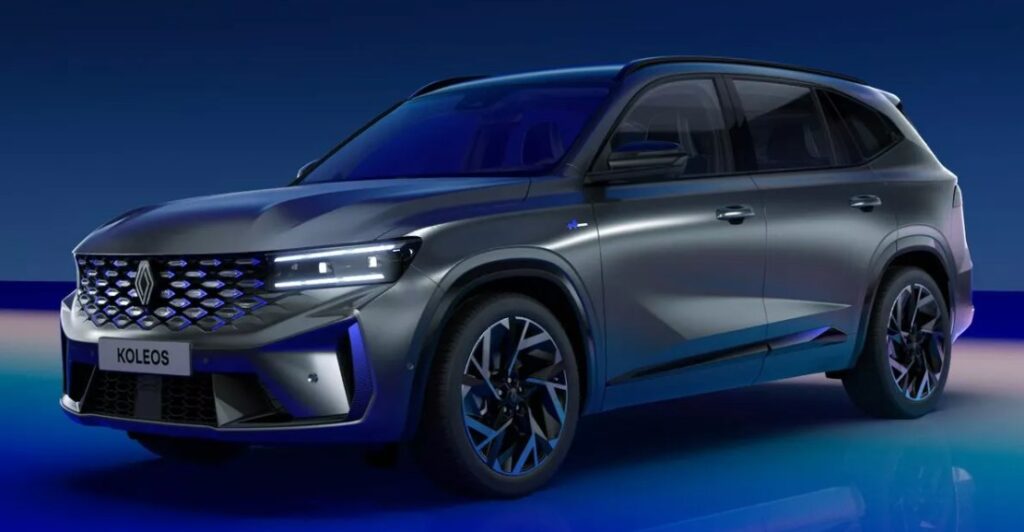
The Renault Koleos is a comfortable, spacious SUV that often offers more equipment for the money than better-known rivals. It can feel like the quiet outsider at a crowded party: not the first vehicle everyone notices, but surprisingly appealing once we spend time with it.
However, buying a Koleos without researching its weaknesses can be risky. Depending on the generation, engine, transmission, mileage, and maintenance history, owners may encounter anything from minor touchscreen glitches to expensive continuously variable transmission failures.
The good news? The Renault Koleos is not automatically an unreliable SUV. Many examples cover substantial distances without major mechanical trouble. Nevertheless, certain faults appear frequently enough that we should know what to inspect before buying one—and what symptoms should never be ignored.
In this guide, we explore the most commonly reported Renault Koleos problems, including CVT trouble, diesel particulate filter blockages, electrical faults, suspension wear, battery drain, air-conditioning issues, and engine warning messages.
Content in this publication
- Is the Renault Koleos a Problematic SUV?
- First-Generation vs Second-Generation Koleos Problems
- 1. Renault Koleos CVT Transmission Problems
- 2. Diesel Particulate Filter Blockage
- 3. EGR Valve Problems
- 4. Turbocharger and Boost-System Faults
- 5. Multiple Dashboard Warning Messages
- 6. Battery Drain and Starting Problems
- 7. Infotainment and Touchscreen Problems
- 8. Electronic Parking Brake Faults
- 9. Premature Brake Wear or Vibration
- 10. Suspension Knocking and Harsh Ride
- 11. Steering Problems and Recall Checks
- 12. Bonnet Panel Recall on Certain 2022–2023 Vehicles
- 13. Air-Conditioning Problems
- 14. Engine Oil Leaks and Oil Consumption
- 15. Cooling-System Problems
- 16. Injector and Fuel-System Faults
- 17. Keyless Entry and Tailgate Problems
- 18. Tyre Wear and Alignment Issues
- 19. Four-Wheel-Drive System Problems
- 20. Renault Koleos Problems by Engine Type
- 21. Warning Signs We Should Never Ignore
- 22. Renault Koleos Pre-Purchase Inspection Checklist
- 23. How Much Do Renault Koleos Problems Cost to Repair?
- 24. Can Regular Maintenance Prevent Koleos Problems?
- 25. Is a Used Renault Koleos Worth Buying?
- Conclusion: Understanding Renault Koleos Problems
- Frequently Asked Questions
Is the Renault Koleos a Problematic SUV?
Not necessarily. Reliability varies significantly between individual vehicles.
A well-maintained Koleos with regular servicing can be dependable, comfortable, and relatively affordable to own. A neglected example, particularly one with an abused CVT or poorly maintained diesel engine, can become a money pit with leather seats.
The model’s reputation is also complicated because the Koleos shares important engineering with Nissan vehicles. The first-generation Koleos used architecture related to the Nissan X-Trail, while later models continued to rely heavily on Renault-Nissan technology.
That relationship brings benefits. Parts and mechanical knowledge may be more widely available than buyers assume. It also means that some familiar Nissan-related concerns—especially surrounding certain CVT systems—can appear in the Koleos.
Reported reliability experiences remain mixed. Some long-term tests have recorded thousands of miles without meaningful mechanical failures, while owner reports mention brake wear, battery failure, noisy CVT operation, and harsh suspension behavior.
Not Every Koleos Has the Same Problems
Before diagnosing anything, we need to identify:
- The model year
- The generation
- The engine type
- The transmission
- Whether it is front-wheel drive or four-wheel drive
- Its mileage
- Its maintenance history
- The market in which it was sold
A diesel Koleos used for short urban journeys faces different risks from a petrol model driven regularly on highways. Similarly, a manual transmission does not carry the same CVT concerns as an automatic version.
First-Generation vs Second-Generation Koleos Problems
The Renault Koleos has been sold in two main generations, although specifications differ between countries.
First-Generation Renault Koleos
The original Koleos arrived in the late 2000s. It was closely associated with Nissan engineering and was offered with petrol and diesel engines, manual gearboxes, conventional automatics, and CVTs depending on the market.
Common areas of concern may include:
- CVT wear or failure
- Diesel DPF blockage
- Turbocharger and boost-system faults
- Suspension noises
- Aging electrical components
- Air-conditioning problems
- Oil or coolant leaks
- Worn engine mounts
Age now matters as much as design. Even a mechanically sound first-generation Koleos may need rubber bushings, hoses, seals, batteries, sensors, or suspension components simply because those parts have spent more than a decade facing heat, vibration, and moisture.
Second-Generation Renault Koleos
The second generation, introduced during the 2010s, brought more modern styling, updated electronics, newer diesel engines, and broader use of the X-Tronic CVT in certain markets.
Typical complaints include:
- CVT hesitation or noise
- Infotainment faults
- Battery discharge
- Electronic warning messages
- DPF and emissions-system issues
- Parking brake faults
- Premature brake wear
- Suspension knocking
- Tailgate or keyless-entry trouble
Major failures do not affect every vehicle. In fact, some used-car assessments report relatively few widespread mechanical issues with later Koleos models, although diesel particulate filter trouble remains a concern when vehicles are driven mainly over short distances.
1. Renault Koleos CVT Transmission Problems
Among all possible Renault Koleos problems, CVT trouble deserves the most attention. Why? Because symptoms can begin subtly, while repairs can become painfully expensive.
The continuously variable transmission does not shift through fixed gears in the same way as a traditional automatic. Instead, it continuously adjusts its operating ratio. In normal use, this can provide smooth acceleration and improved efficiency.
However, the driving sensation is unusual. Engine speed may rise and remain high while road speed catches up. Some owners mistake this normal behavior for transmission slip.
The real trouble begins when the gearbox starts behaving inconsistently.
Common CVT Warning Signs
Watch for:
- Shuddering when pulling away
- Hesitation from a stop
- Jerking during acceleration
- A whining or humming noise
- Engine revs rising without matching acceleration
- Delayed engagement in Drive or Reverse
- Overheating warnings
- Reduced-power mode
- Transmission warning lights
- A burning smell
- Metal particles in the transmission fluid
A light whine does not automatically mean the gearbox is dying. CVTs naturally produce more noticeable mechanical drone than some conventional automatics. A new or increasing sound, however, deserves investigation.
Why Koleos CVTs Can Fail
CVT problems may result from:
- Old or contaminated transmission fluid
- Incorrect fluid
- Excessive heat
- Hard towing
- Repeated heavy acceleration
- Internal belt or pulley wear
- Valve-body faults
- Pressure-control problems
- Bearing deterioration
- Neglected maintenance
Some repair specialists emphasize regular CVT servicing because early fluid maintenance is far less expensive than replacing the transmission.
Should We Change “Lifetime” CVT Fluid?
The word “lifetime” should make us cautious. Whose lifetime—the fluid’s, the transmission’s, or the vehicle’s first warranty period?
Service recommendations vary according to model, market, and operating conditions. We should follow the correct maintenance information for the exact vehicle. Nevertheless, many transmission specialists recommend preventive fluid changes, particularly when a vehicle faces heat, congestion, mountain roads, towing, or frequent short trips.
Never pour in a generic automatic transmission fluid. A CVT requires fluid that meets the correct manufacturer specification.
2. Diesel Particulate Filter Blockage
Diesel Koleos models can suffer from blocked diesel particulate filters, commonly known as DPFs.
The DPF traps soot from the exhaust. Once conditions are suitable, the vehicle raises exhaust temperature and burns much of that soot away during a regeneration cycle.
The system works well when the car regularly completes longer journeys. Problems develop when it spends most of its life crawling through traffic, making short school runs, or being switched off before regeneration finishes.
Symptoms of a Blocked DPF
Possible signs include:
- DPF warning light
- Check-engine light
- Reduced engine power
- Poor fuel economy
- Frequent cooling-fan operation
- Strong exhaust smell
- Rough running
- High idle speed
- Difficulty accelerating
- Limp mode
A highway drive may sometimes allow a mildly loaded filter to regenerate, but it is not a magical cure for every warning light. A heavily blocked DPF may require professional cleaning, forced regeneration, sensor replacement, or complete replacement.
Repeated DPF blockage often points to another problem, such as a failed temperature sensor, pressure sensor, thermostat, injector, turbocharger, or exhaust gas recirculation system.
How to Reduce DPF Trouble
We can lower the risk by:
- Using the correct low-ash engine oil.
- Keeping the engine properly serviced.
- Avoiding endless short journeys where possible.
- Allowing regeneration cycles to finish.
- Investigating warning lights promptly.
- Repairing thermostat or injector faults.
- Taking the vehicle on regular sustained drives.
A diesel Koleos is usually better suited to drivers who cover meaningful distances. For mainly short urban trips, a petrol version may be the calmer ownership choice.
3. EGR Valve Problems
The exhaust gas recirculation valve redirects a controlled amount of exhaust gas into the intake system. This reduces combustion temperature and helps limit certain emissions.
Over time, soot and oily vapor can form sticky deposits inside the valve and intake passages. Imagine trying to breathe through a straw lined with tar—that is roughly what a badly contaminated intake system experiences.
Signs of EGR Trouble
- Uneven idle
- Hesitation
- Black exhaust smoke
- Reduced performance
- Increased fuel use
- Engine warning light
- Limp mode
- Difficult starting
Cleaning may help when contamination is moderate. A failed actuator or position sensor usually requires replacement.
We should also avoid treating the EGR valve as the only suspect. Similar symptoms can come from boost leaks, faulty airflow sensors, injectors, DPF trouble, or turbocharger problems.
4. Turbocharger and Boost-System Faults
Turbocharged diesel engines depend on clean oil, correct oil pressure, sealed intake pipes, and properly functioning boost controls.
A loss of power does not automatically mean the turbocharger itself has failed. Split intercooler hoses, loose clamps, damaged vacuum lines, sticky actuators, and faulty boost sensors can produce similar symptoms at a fraction of the repair cost.
Look for:
- Whistling or siren-like noises
- Blue or black smoke
- Sudden loss of power
- Excessive oil consumption
- Boost-related fault codes
- Limp mode
- Oil inside intake hoses
- Slow acceleration
A thin oil film inside a turbocharged intake system can be normal. Pools of oil, heavy smoke, or rapidly falling oil levels are not.
Protecting the Turbocharger
We should:
- Use the correct oil grade
- Change oil at appropriate intervals
- Check the oil level regularly
- Replace dirty air filters
- Repair boost leaks quickly
- Avoid heavy acceleration with a cold engine
- Allow the engine to settle after severe load
Ignoring a turbo problem can contaminate the DPF, damage the catalytic system, and—in extreme diesel cases—allow the engine to consume its own oil.
5. Multiple Dashboard Warning Messages
One unsettling Koleos complaint involves several warnings appearing at once. The display may mention the injection system, emissions, steering, brakes, or other systems.
It can look as though the whole vehicle has suffered a nervous breakdown.
In reality, modern cars share data across multiple control modules. One low-voltage event, damaged sensor, communication problem, or engine-management fault can trigger a cascade of secondary warnings.
One used-car report described a Koleos displaying several system warnings before injector replacement was required.
Possible Causes
- Weak 12-volt battery
- Poor battery terminals
- Alternator trouble
- Faulty ground connection
- Injector failure
- CAN-bus communication fault
- Damaged wheel-speed sensor
- Low system voltage
- Water intrusion
- Wiring damage
We should not replace parts based solely on dashboard wording. The correct approach is to scan every relevant control module, record the codes, test battery voltage, and diagnose the original fault.
Clearing codes without repairing the cause is like silencing a fire alarm while smoke still fills the room.
6. Battery Drain and Starting Problems
Battery trouble is one of the most frustrating Renault Koleos problems because it can appear random.
The vehicle may start normally for weeks and then suddenly refuse to wake up. In other cases, the starter turns slowly, the dashboard flickers, or electronic warnings appear during startup.
Why the Battery May Keep Going Flat
Potential causes include:
- An aging battery
- Alternator undercharging
- Parasitic electrical drain
- A module failing to enter sleep mode
- Keyless-entry activity
- Interior or luggage lights remaining on
- Infotainment software faults
- Dashcams or accessories
- Poor battery terminals
- Frequent short journeys
The correct diagnosis requires more than installing another battery. A technician should test battery health, charging voltage, starter draw, and key-off current consumption.
Low Voltage Can Create False Faults
A weak battery can trigger:
- ABS warnings
- Steering warnings
- Parking brake faults
- Transmission messages
- Keyless-entry errors
- Start-stop unavailability
- Infotainment resets
When several unrelated systems complain simultaneously, voltage should be one of our first checks.
7. Infotainment and Touchscreen Problems
The later Koleos offers a large portrait-style multimedia display on some trim levels. It looks impressive, but complex screens can age less gracefully than traditional buttons.
Owners may encounter:
- A frozen screen
- Slow responses
- Unexpected restarts
- Bluetooth disconnection
- Navigation errors
- Black display
- Reversing-camera delay
- Incorrect time or settings
- Phone-pairing failures
- Audio with no visible controls
What Can Fix the Screen?
Depending on the cause, possible solutions include:
- Restarting the system
- Removing unnecessary paired devices
- Updating software
- Checking the 12-volt battery
- Inspecting fuses
- Repairing wiring or connectors
- Replacing the head unit
Do not assume the screen itself has failed. Low battery voltage and corrupted software can imitate hardware failure.
8. Electronic Parking Brake Faults
The electronic parking brake replaces a conventional handbrake lever with switches, motors, sensors, and software.
When everything works, it is convenient. When something fails, a simple parking brake suddenly becomes an electrical puzzle.
Common Symptoms
- Parking brake warning message
- Brake fails to release
- Brake does not apply automatically
- Grinding from a rear wheel
- Vehicle feels held back
- One rear brake overheats
- Switch works intermittently
Causes may include a weak battery, damaged wiring, failed actuator, seized rear brake mechanism, faulty switch, or calibration error.
Never continue driving if a rear wheel becomes extremely hot or produces a burning smell. A dragging brake can destroy pads, discs, bearings, and nearby components.
9. Premature Brake Wear or Vibration
Some owners report brake concerns, including rotor replacement and vibration.
Brake judder normally becomes noticeable through:
- Steering-wheel vibration
- Pulsation through the pedal
- Shaking during high-speed braking
- Uneven braking response
People often describe this as “warped rotors,” although uneven pad deposits, hub corrosion, incorrect wheel-bolt torque, sticking calipers, or disc thickness variation may be responsible.
Why Koleos Brakes May Wear Quickly
Heavy SUVs naturally ask more of their braking systems. Wear can accelerate through:
- Frequent urban driving
- Mountain descents
- Towing
- Aggressive braking
- Seized caliper slides
- Low-quality replacement parts
- Electronic parking brake faults
- Corroded discs
A complete inspection should include pads, rotors, calipers, hoses, fluid condition, and rear parking brake operation.
10. Suspension Knocking and Harsh Ride
A Koleos may develop clunks, rattles, or knocking noises over rough roads.
Likely wear points include:
- Anti-roll-bar links
- Control-arm bushings
- Ball joints
- Strut top mounts
- Shock absorbers
- Coil springs
- Steering joints
Some drivers also describe the ride as firm or unsettled over sharp bumps. That characteristic does not necessarily indicate damage. Wheel size, tyre pressure, tyre construction, and road surface strongly influence comfort.
How to Separate Wear From Normal Ride Quality
We should listen for:
- A single knock over speed bumps
- Repeated rattling on broken roads
- Creaking while steering
- Vibration through the wheel
- Uneven tyre wear
- Wandering at highway speeds
- Excessive body movement
A professional inspection on a lift is far more reliable than guessing from sound alone.
11. Steering Problems and Recall Checks
Steering looseness, clunks, warning lights, or an unusual steering feel should always be investigated quickly.
A used-vehicle review noted that a recall during second-generation production concerned a steering-column nut that could loosen. Owners should verify whether any applicable campaign was completed.
Recall coverage differs by country and vehicle identification number. The safest approach is to enter the VIN into Renault’s official recall checker or contact an authorized dealer. Renault’s UK checker, for example, supports recall and service notifications and directs owners to retailers for repairs.
Never assume that every vehicle from a particular year is included. Recalls are usually tied to specific production dates, factories, components, and VIN ranges.
12. Bonnet Panel Recall on Certain 2022–2023 Vehicles
A notable Australian recall affected certain 2022 and 2023 Renault Koleos vehicles.
According to the official recall notice, a manufacturing defect could mean the bonnet’s outer panel and inner frame were not bonded correctly. Vibration or high-speed driving could then allow the outer panel to detach, increasing accident risk.
This does not mean every global Koleos from those years is affected. Recall campaigns vary by market and VIN.
What Owners Should Do
- Locate the VIN.
- Check the official recall database in the vehicle’s country.
- Contact an authorized Renault dealer.
- Arrange the repair if the campaign remains outstanding.
- Avoid relying solely on a seller’s verbal assurance.
Recall repairs are generally completed without charge when the vehicle qualifies under the campaign.
13. Air-Conditioning Problems
Air-conditioning faults become more common as vehicles age.
Typical complaints include:
- Air is not cold
- Cooling works intermittently
- One side is warmer
- Fan speed behaves unpredictably
- Clicking behind the dashboard
- Bad odors
- Water inside the cabin
Possible causes range from a low refrigerant charge to a faulty compressor, pressure sensor, condenser, blower motor, blend-door actuator, or control module.
Simply adding refrigerant is not a proper repair when the system leaks. A workshop should pressure-test the circuit and find the source.
Water Leaks and Wet Carpets
Wet carpeting may result from:
- Blocked air-conditioning drains
- Windscreen-seal leaks
- Damaged door seals
- Missing floor plugs
- Sunroof-drain blockage
- Body-seam leakage
Reports concerning Koleos water intrusion recommend inspecting glass seals, floorpan plugs, and door seals rather than assuming a single universal cause.
Water inside the cabin can damage wiring and control modules, so it should not be dismissed as a cosmetic annoyance.
14. Engine Oil Leaks and Oil Consumption
As Koleos engines age, oil leaks may develop around:
- Rocker or valve covers
- Oil-filter housings
- Sump seals
- Turbo oil lines
- Crankshaft seals
- Timing covers
- Oil cooler connections
A damp surface is different from an active leak, but neither should be ignored indefinitely.
Oil reaching belts, rubber mounts, hot exhaust components, or electrical connectors can create secondary damage.
Warning Signs of Excessive Oil Consumption
- Frequent top-ups
- Blue exhaust smoke
- Oily spark plugs
- Turbocharger noise
- Burning-oil smell
- Low-oil warning
- Oil inside intake pipes
Check the oil level manually rather than trusting only the dashboard. Engines rarely forgive us for driving them dry.
15. Cooling-System Problems
Cooling-system faults may arise from aging hoses, plastic fittings, thermostats, radiators, water pumps, or expansion tanks.
Symptoms include:
- Rising temperature gauge
- Coolant warning
- Sweet smell
- Coolant under the vehicle
- Heater stops producing warm air
- Cooling fan runs constantly
- White residue around connections
An overheating engine should be stopped as soon as it is safe. Continuing to drive can transform an inexpensive hose repair into cylinder-head or engine damage.
Never open a pressurized cooling system while it is hot.
16. Injector and Fuel-System Faults
Diesel injectors operate at extremely high pressure and must deliver fuel with extraordinary precision. Wear, contamination, wiring problems, or poor-quality fuel can disrupt that balance.
Possible symptoms include:
- Difficult starting
- Rough idle
- Diesel knock
- White or black smoke
- Loss of power
- Increased fuel use
- Injection-system warning
- Limp mode
Before replacing injectors, a competent technician should perform fault-code analysis, leak-back testing, fuel-pressure checks, wiring inspection, and correction-value assessment.
Replacing several injectors without testing can become an expensive guessing game.
17. Keyless Entry and Tailgate Problems
Convenience features can develop inconvenient faults.
Potential complaints include:
- Key card not detected
- Doors fail to unlock
- Vehicle does not start
- Power tailgate stops halfway
- Tailgate reverses direction
- Hands-free sensor fails
- Rear hatch refuses to latch
Start with the simple possibilities:
- Replace the key-card battery.
- Try the spare key.
- Check the vehicle’s 12-volt battery.
- Inspect the tailgate latch.
- Look for damaged wiring near hinges.
- Clean obstructed sensors.
- Scan the body-control module.
A power tailgate should move smoothly. Struggling, grinding, or uneven movement can indicate worn struts or drive mechanisms.
18. Tyre Wear and Alignment Issues
Uneven tyre wear may indicate incorrect pressure, poor alignment, worn suspension, or mismatched tyres.
Common patterns tell a story:
- Both shoulders worn: pressure may be too low.
- Centre worn: pressure may be too high.
- One edge worn: alignment or suspension issue.
- Cupped pattern: possible shock absorber or balance problem.
- Random patches: wheel or tyre defect.
Four-wheel-drive versions should use compatible tyres with similar tread depth and rolling circumference. Major differences can place unnecessary stress on the drivetrain.
Always use the pressure shown on the vehicle’s placard rather than copying a random figure from the internet.
19. Four-Wheel-Drive System Problems
Some Koleos variants offer selectable or automatic four-wheel drive.
Possible signs of trouble include:
- 4WD warning light
- System refuses to engage
- Binding during turns
- Vibration
- Rear-wheel drive not activating
- Overheating warning
- Noise from the driveline
Causes may include wheel-speed sensor faults, coupling problems, wiring damage, low voltage, mismatched tyres, or control-module issues.
Four-wheel drive improves traction, but it does not make the Koleos an unstoppable off-road machine. Deep mud, prolonged wheelspin, and aggressive towing can overheat components.
20. Renault Koleos Problems by Engine Type
Petrol Koleos Problems
Potential petrol-model issues include:
- CVT wear
- Ignition-coil failure
- Spark-plug wear
- Throttle-body contamination
- Oxygen-sensor faults
- Oil leaks
- Cooling-system wear
- Engine-mount vibration
Petrol engines avoid DPF and many diesel-specific complications, making them attractive for shorter journeys.
Diesel Koleos Problems
Diesel models may experience:
- DPF blockage
- EGR contamination
- Injector problems
- Turbo or boost faults
- Glow-plug failure
- Intake carbon deposits
- Emissions-sensor faults
- Dual-mass flywheel wear on manual versions
Diesels often deliver strong torque and better long-distance economy, but they need the right driving pattern.
21. Warning Signs We Should Never Ignore
Stop driving or seek immediate assistance when the Koleos shows:
- Low oil-pressure warning
- Severe overheating
- Brake-system failure warning
- Heavy smoke
- Burning smell
- Transmission overheating
- Sudden loss of steering assistance
- Fuel leakage
- Loud engine knocking
- A wheel becoming extremely hot
- Bonnet movement suggesting panel separation
A warning light is not always catastrophic, but red warnings generally indicate greater urgency than amber ones. Consult the owner’s manual for the exact meaning.
22. Renault Koleos Pre-Purchase Inspection Checklist
Before buying a used Koleos, inspect it cold. A warm engine can hide difficult starting, smoke, rattles, and transmission hesitation.
Mechanical Checks
- Start the engine from cold.
- Listen for rattles, knocking, or whistling.
- Check all fluid levels.
- Look for oil and coolant leaks.
- Test acceleration under different loads.
- Check Drive and Reverse engagement.
- Feel for CVT shudder.
- Inspect the exhaust for unusual smoke.
- Check brake vibration.
- Listen for suspension knocking.
- Test four-wheel-drive operation where applicable.
Electrical Checks
- Test every window.
- Operate the mirrors.
- Pair a phone.
- Test the touchscreen.
- Use the reversing camera.
- Check parking sensors.
- Operate the tailgate.
- Test both key cards.
- Try the electronic parking brake.
- Scan every control module for fault codes.
Documentation Checks
Look for:
- Complete service records
- Correct CVT fluid servicing
- Evidence of diesel-specific maintenance
- Recall completion
- Consistent mileage
- Previous accident repairs
- Invoices for major work
- Matching tyres
- Owner’s manuals and spare keys
A cheap Koleos with no maintenance history may become more expensive than a better example priced several thousand higher.
23. How Much Do Renault Koleos Problems Cost to Repair?
Repair costs vary dramatically by country, engine, parts availability, and labor rates.
Generally:
- Battery or sensor faults may be relatively affordable.
- Suspension links and bushings are moderate repairs.
- DPF cleaning can be manageable if caught early.
- Injector and turbo repairs can become expensive.
- Infotainment replacement may be costly.
- Internal CVT failure is usually among the most expensive outcomes.
The smartest strategy is diagnosis before replacement. One split hose can imitate turbo failure. One weak battery can imitate five electronic faults. One damaged wheel-speed sensor can confuse several driver-assistance systems.
24. Can Regular Maintenance Prevent Koleos Problems?
It cannot prevent every failure, but it can dramatically reduce risk.
Follow these habits:
- Change engine oil on time.
- Use manufacturer-approved fluids.
- Check coolant and oil regularly.
- Service the CVT appropriately.
- Replace filters before they become severely restricted.
- Investigate warning lights early.
- Keep tyres matched and correctly inflated.
- Give diesel models suitable longer drives.
- Keep battery terminals clean and secure.
- Repair water leaks immediately.
- Check recalls using the VIN.
Preventive maintenance is boring—right up until it saves us from a four-figure repair bill.
25. Is a Used Renault Koleos Worth Buying?
Yes, provided we choose carefully.
The Koleos can make sense for buyers who value:
- Comfortable seats
- Generous equipment
- A spacious cabin
- Distinctive styling
- Strong used-car value
- Available all-wheel drive
- Relaxed highway driving
We should be more cautious when a vehicle has:
- No service history
- CVT shudder
- Several dashboard warnings
- Persistent DPF problems
- Evidence of overheating
- Unexplained battery drain
- Uneven tyres
- Poor accident repairs
- Incomplete recall work
The badge should not decide the purchase. Condition, history, diagnosis, and price matter more.
Conclusion: Understanding Renault Koleos Problems
The Renault Koleos is neither a hidden reliability champion nor a mechanical disaster waiting outside every home. It sits somewhere more realistic: a generally capable SUV with several specific weak points that demand sensible maintenance.
The CVT deserves careful inspection. Diesel buyers should understand DPF and EGR requirements. Electrical warnings often begin with battery or voltage problems, while suspension, brake, and air-conditioning faults become more likely as mileage increases.
Our best defense is simple: buy the cleanest vehicle we can afford, inspect it professionally, verify recall completion, and refuse to ignore early symptoms.
A well-kept Koleos can be a comfortable road-trip companion. A neglected one can swallow money like a storm drain. The difference is often written in its service history long before it appears on the dashboard.
Frequently Asked Questions
1. What is the most common Renault Koleos problem?
CVT-related complaints are among the most important because repairs can be expensive. Drivers may notice hesitation, shuddering, whining, delayed engagement, or engine revs that rise without proportional acceleration. However, not every Koleos uses the same transmission, and some CVT noise is characteristic rather than evidence of failure.
2. Is the Renault Koleos CVT reliable?
A properly maintained CVT can provide reliable service, but fluid condition, heat, driving style, towing, and previous maintenance strongly affect its lifespan. We should avoid any used Koleos that shudders, slips, overheats, or engages Drive and Reverse slowly without first obtaining a specialist diagnosis.
3. Why does my Renault Koleos show multiple warning lights?
A weak battery, charging fault, damaged sensor, wiring problem, or communication error can trigger warnings across several systems. Scan all modules and test the battery before replacing unrelated components. Multiple warnings do not necessarily mean multiple independent failures.
4. Are diesel Renault Koleos models problematic?
They can be dependable when driven regularly over longer distances and serviced correctly. Vehicles used mainly for short journeys face a greater risk of DPF blockage, EGR contamination, and emissions-system warnings. Driving pattern matters as much as mileage.
5. What should I check before buying a used Renault Koleos?
Inspect the CVT, engine, DPF, brakes, suspension, battery, infotainment, electronic parking brake, key cards, air conditioning, and four-wheel-drive system. Confirm the service history and check outstanding recalls using the VIN. A professional pre-purchase inspection is strongly recommended.
If you want to know other articles similar to Renault Koleos Problems: Common Faults, Warning Signs, and Repair Advice you can visit the category Common Problems.
BYD Shark 6 Problems: Common Issues, Faults, and What Owners Should Know

Mitsubishi Pajero Sport Touch Screen Not Working: Causes, Fixes, and Troubleshooting Guide
Mitsubishi Pajero Sport DPF System Service Required: Causes, Diagnosis, and Fixes
Mitsubishi Pajero Sport Problems: Common Faults, Symptoms, and What Owners Should Know
Peugeot RCZ Engine Fault Repair Needed: Causes, Diagnosis, and Fixes
Peugeot RCZ Problems: Common Faults, Warning Signs, and What to Check
Leave a Reply
More content of your interest